Let's cut to the chase. Is an Australian Kelpie a good pet? For the right person, they are an incredible, loyal, and brilliantly capable companion. For the wrong person, they are an absolute nightmare—a destructive, anxious, and frustrating handful. The difference isn't about being a "good" or "bad" owner in a moral sense. It's about lifestyle alignment. This isn't a dog you get because you like how they look. This is a dog you commit to because your daily life already matches their needs.
What's Inside This Kelpie Guide?
- The Kelpie Temperament: Brilliant but Demanding
- Exercise Needs: Not Just a Walk in the Park
- Are Australian Kelpies Good with Children and Other Pets?
- Training and Mental Stimulation: Keeping the Brain Busy
- Grooming and Health: The Low-Maintenance Advantage
- Is an Australian Kelpie the Right Dog for You?
The Kelpie Temperament: Brilliant but Demanding
Developed in Australia for herding sheep across vast, rugged stations, the Kelpie is pure working intelligence condensed into a sleek, medium-sized frame. They weren't bred to be couch ornaments. That heritage defines everything about them.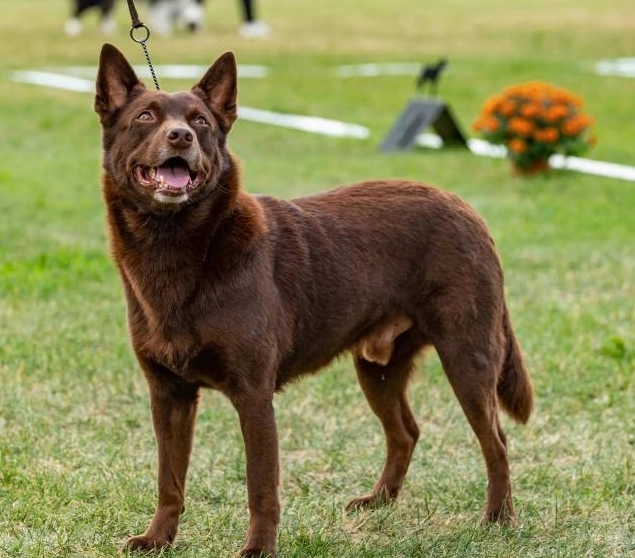
Intelligence is their standout trait. We're not talking about "learns sit quickly" intelligence. We're talking about problem-solving, independent-thinking intelligence. A Kelpie will assess a situation and make a decision, sometimes before you've even given a command. This is fantastic for advanced training but tricky for a novice. If they're bored, they'll invent their own jobs—like rearranging your garden, "herding" the cat into a corner, or figuring out how to open the pantry.
Their energy is relentless. It's not hyperactivity; it's stamina. They have an "on" switch, but the "off" switch is famously elusive. This is a dog that can work all day in the sun and still be ready for more. In a pet home, that energy doesn't vanish. It has to go somewhere.
Then there's the herding instinct. It's not a cute party trick. It's a deep-seated drive to control movement. This can manifest as staring, stalking, and yes, nipping at heels. I've seen a Kelpie try to herd waves at the beach. They can't help it.
Exercise Needs: Not Just a Walk in the Park
This is the make-or-break section. Under-exercising a Kelpie is the root of 90% of behavioral problems owners complain about.
Daily Minimum Requirements
Forget the "one good walk a day" rule. For a healthy adult Kelpie, that's a warm-up. You're looking at a minimum of 90 to 120 minutes of vigorous, structured activity daily. This isn't leisurely sniffing. This means:
Running or biking: They are fantastic jogging or biking partners. Using a proper hands-free running belt or a safe bike attachment (like the Walky Dog) is a game-changer.
High-intensity fetch or frisbee: Not just tossing a ball in the yard. Structured sessions that get their heart rate up.
Dog sports: This is where they shine. Agility, flyball, disc dog, dock diving, and of course, herding trials. These sports provide both physical and mental exhaustion.
Beyond Physical Exercise: The Mental Component
A physically tired Kelpie is still a mentally restless Kelpie. You must engage their brain daily.
Training sessions: Short, challenging sessions teaching new tricks or complex obedience sequences.
Food puzzles and scent work: Hide their meals around the yard or house. Use snuffle mats and puzzle toys that make them think.
"Jobs": Give them a task. Carrying a backpack on hikes, finding your keys, bringing you specific items by name.
If your idea of pet ownership is coming home from work and relaxing, a Kelpie will dismantle your relaxation—and possibly your furniture.
Are Australian Kelpies Good with Children and Other Pets?
It's a qualified yes, heavily dependent on context.
With children: Kelpies can be wonderful with respectful, older children (think 8+) in an active family. They often see kids as part of their "flock" to protect and play with. However, that herding instinct is a real hazard with toddlers or kids who run and scream. The dog may chase and nip to control the "chaotic sheep." This is not aggression, but it can be scary and cause minor injury. Constant, direct supervision is non-negotiable. Teaching the dog a solid "leave it" and teaching children calm behavior around the dog is crucial.
With other pets: Raised with them from puppyhood, they can coexist with cats and other dogs. But that prey drive can be strong. The family cat that runs will likely be chased. Small animals like rabbits or guinea pigs are at serious risk. With other dogs, they often do best with similarly energetic, playful breeds. Their play style can be too rough and intense for a sedate senior dog.
Training and Mental Stimulation: Keeping the Brain Busy
Kelpies are famously trainable, but they're not golden retrievers eager to please for a piece of kibble. They are more like brilliant but sometimes stubborn partners. They ask, "What's in it for me?"
Positive reinforcement is the only method that works consistently. Harsh corrections will break their spirit and destroy trust. Use high-value rewards (cheese, chicken, liver) and make training a game.
Early and extensive socialization is critical. Expose the puppy to every sight, sound, and surface you can imagine: traffic, umbrellas, men with hats, skateboards, other animals. A poorly socialized Kelpie can become fearful or reactive, which combined with their intelligence and energy, is a difficult problem to manage.
One subtle mistake I see: owners train the basic commands (sit, stay, come) and think they're done. For a Kelpie, that's kindergarten. You need to keep advancing. Teach complex tricks, sequence commands, and introduce new sports. A bored Kelpie's mind will find its own, less desirable, occupations.
Grooming and Health: The Low-Maintenance Advantage
Here's some good news. The Kelpie's short, double coat is incredibly easy to care for. A quick brush once a week with a rubber curry brush or slicker brush is usually enough to remove loose hair. They shed, especially seasonally, but it's manageable. They are naturally clean dogs with little "doggy" odor.
Health-wise, they are a generally robust breed. However, responsible breeders screen for certain conditions:
- Progressive Retinal Atrophy (PRA): A group of diseases that cause the retina to degenerate, leading to blindness.
- Hip Dysplasia: While less prevalent than in some larger breeds, it can occur.
- Cerebellar Abiotrophy (CA): A rare but serious neurological condition.
Always ask a breeder for health clearances from organizations like the Orthopedic Foundation for Animals (OFA). The Australian National Kennel Council provides breed information and can direct you to health testing protocols.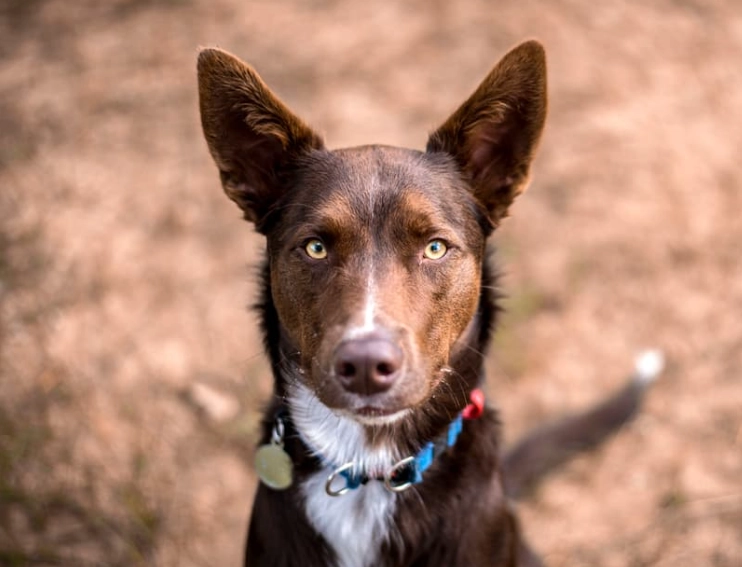
Their biggest health risks are often behavioral and lifestyle-related: injuries from overexertion without proper warm-up, anxiety from under-stimulation, and obesity if their diet isn't matched to their insane activity level.
Is an Australian Kelpie the Right Dog for You?
Let's be brutally honest. You might be a perfect Kelpie owner if:
- You are an avid runner, hiker, biker, or dog sport enthusiast.
- You have a securely fenced yard (6-foot fencing is recommended, they can jump).
- You view dog training as a rewarding hobby, not a chore.
- You want a true partner for adventure, not just a pet.
- You have experience with intelligent, driven breeds.
- Your household is active and predictable, not chaotic.
You should probably look at another breed if:
- You work long hours away from home.
- You live in an apartment without a guaranteed, massive daily exercise plan.
- You have very young children or a sedentary lifestyle.
- You want a low-maintenance, easygoing companion.
- You are a first-time dog owner (with rare exceptions for exceptionally dedicated individuals).
If you're on the fence, consider fostering one through a breed-specific rescue. It's the best way to experience the reality without a lifetime commitment.
Reader Comments