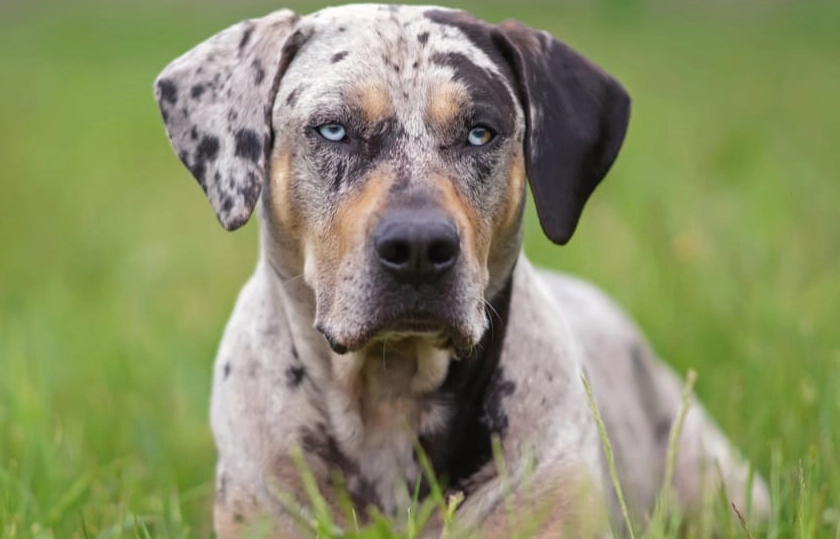
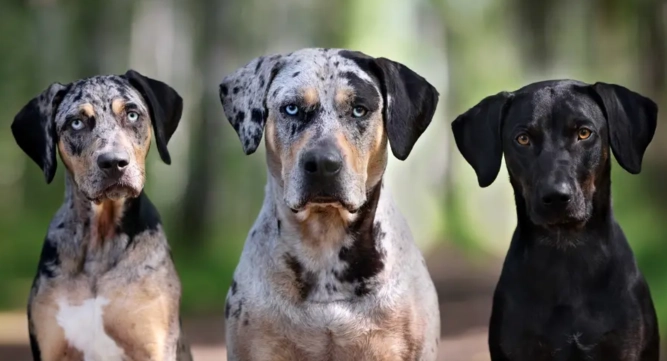
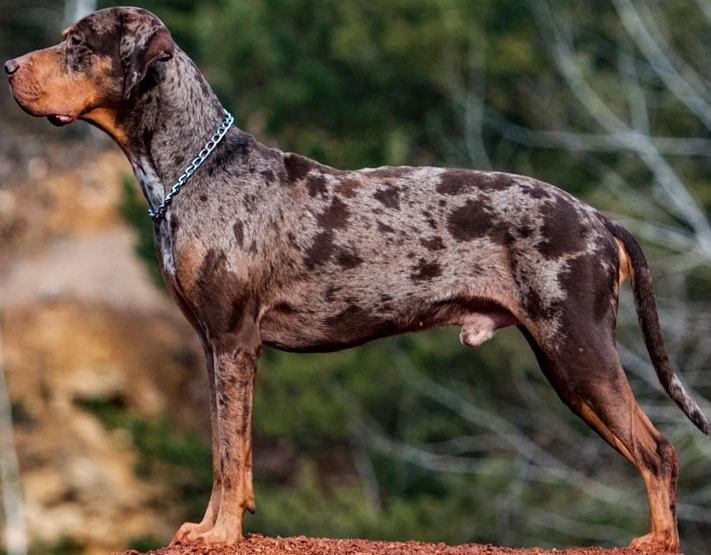
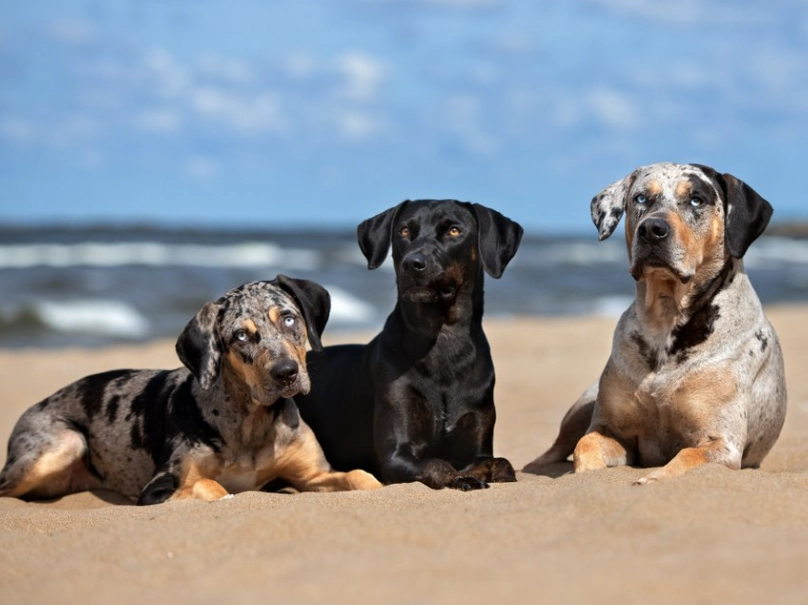
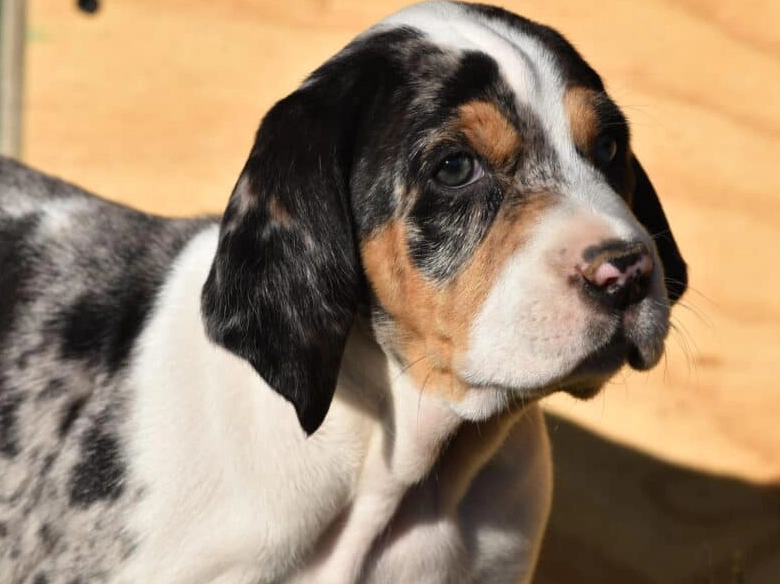
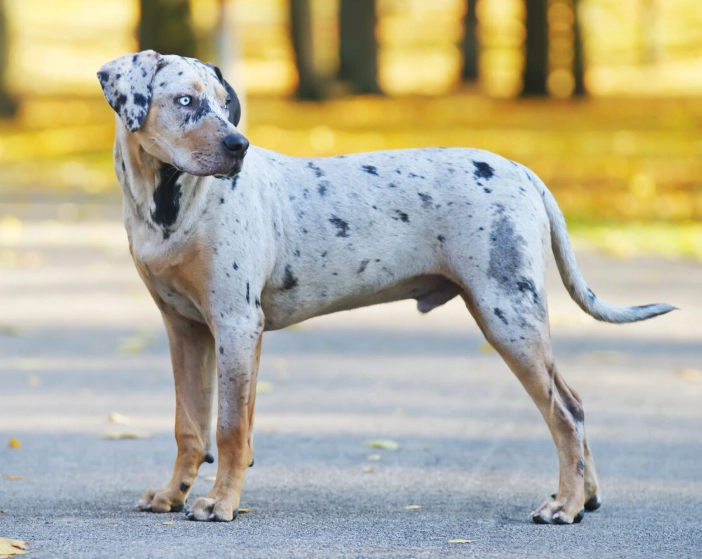
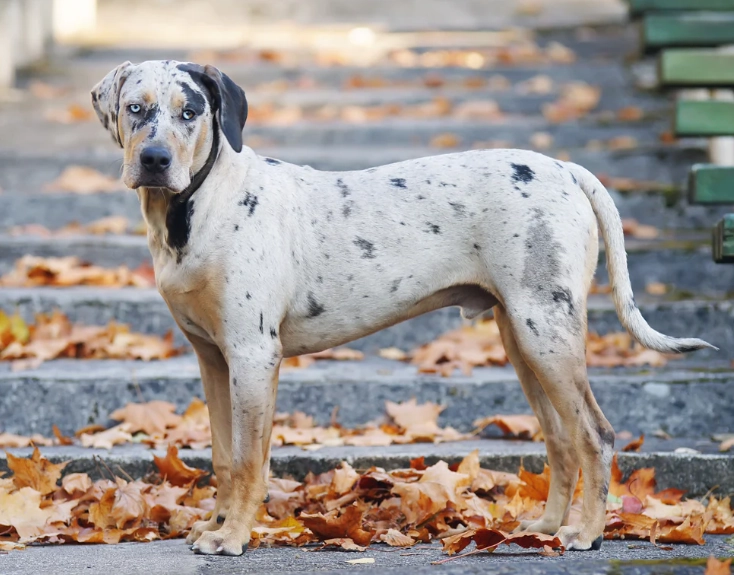
You see them online—those striking, spotted dogs with intense eyes and powerful builds. The American Leopard Hound and the Catahoula Leopard Dog. At a glance, they're easy to confuse. Both are leopard-spotted, both are legendary hunters, and both will turn heads at the dog park. But here's the thing most articles gloss over: confusing them can lead to a serious mismatch in your home. I've spent years around working breeds, and I've seen the fallout when a high-octane dog meets a low-key lifestyle. This isn't just about which one is prettier. It's about understanding the deep-seated instincts that drive them. One is a relentless, vocal trailer bred for endurance. The other is a strategic, independent herder and hunter with a protective streak. Get it wrong, and you're not just dealing with a bored dog—you're dealing with a frustrated athlete. Let's cut through the surface comparisons and look at what really matters for potential owners. Their history explains everything about their behavior today. This isn't trivia; it's the blueprint. The American Leopard Hound is an old breed, with roots tracing back to dogs brought by Spanish conquistadors. They evolved in the Southeastern United States, primarily as a treeing hound. Their job? To track game—often raccoons, squirrels, bobcats, even bears—over long distances, chase it up a tree, and then hold it there by barking loudly (“baying”) until the hunter arrived. The key traits this bred for: incredible stamina, a superb nose, a loud, persistent voice, and a strong cooperative drive to work with the human. The Catahoula Leopard Dog (or Louisiana Catahoula Leopard Dog) hails from, unsurprisingly, Louisiana. Its mix is debated but likely includes Native American dogs, mastiffs, and greyhounds. Its original role was more multifaceted: herding wild hogs and cattle in the swamps and hunting. This created a different kind of dog. Catahoulas needed to be independent thinkers, able to make decisions away from the hunter, and assertive enough to control stubborn livestock. They also needed protective instincts for the homestead. This bred a more versatile, but also more strong-willed and territorial, canine. Key Insight: Think of the American Leopard Hound as a specialist—the ultimate tracking and baying machine. The Catahoula is a generalist—a herder, hunter, and guardian rolled into one. That specialization vs. generalization mindset carries into your living room. Yes, both can have those beautiful leopard-like spots (merle pattern), but look closer. The confusion often starts because “Catahoula” is sometimes used as a catch-all for any spotted dog, and poor breeding has blurred the lines. An American Leopard Hound is first and foremost a hound. You see it in the build: more streamlined, with a deeper chest for lung capacity, longer legs for running, and ears that are set higher and fold close to the head. Their coat is short and dense, coming in solid colors, brindle, and of course, spotted. A Catahoula is more balanced and powerful, often described as having a more “athletic” or “working dog” build—think somewhere between a hound and a bully breed. They can be more substantial in bone. Their head is broader, and their eyes are a legendary feature: crystal blue, amber, green, or brown, sometimes one of each (“cracked glass” or “marble eye”). Their coat can be short or a slightly longer “rough” coat. Here’s a quick snapshot of the key specs, but remember, breed standards are guides. I’ve seen Catahoulas leaner and Leopard Hounds stockier, depending on lineage. This is where you really need to pay attention. Their personalities are shaped by those historical jobs. Think focused, vocal, and cooperative. They live to follow a scent. On a trail, they are single-minded. At home, this can translate to a dog that is affectionate with its family, good with other dogs (they often work in packs), and generally less suspicious of strangers than a Catahoula. But that hound nose rules. If they catch an interesting smell, their recall can vanish—they’re off to work. And that famous bay? It’s loud, deep, and persistent. If left unexercised or bored, they will use it. A lot. Neighbors in close quarters might not appreciate it. Think independent, protective, and assertive. They were bred to think for themselves while herding a wild hog. This makes them incredibly smart but not always eager to blindly obey. They form a deep, loyal bond with their family but can be aloof or downright wary of strangers. They have strong guarding instincts. Socialization from puppyhood is non-negotiable. They can be dominant with other dogs, especially of the same sex. Their independence is often mistaken for stubbornness. You don’t command a Catahoula; you partner with it through confident, consistent leadership. A subtle mistake new owners make? Assuming the Catahoula’s intelligence means it will train like a Border Collie, eager to please. It’s more like training a brilliant but opinionated partner who constantly asks, “Why should I?” Forget the “active family” cliché. Both breeds need a job. A fenced yard is just a holding pen. Exercise: Both need a minimum of 60-90 minutes of vigorous activity daily. Not just a walk. Running, hiking, biking, advanced fetch. The American Leopard Hound thrives on activities that engage its nose: tracking, barn hunt, nose work. The Catahoula often excels at activities that engage its mind and body: agility, advanced obedience, herding trials, weight pull. Training: Both are intelligent but train differently. The Leopard Hound, with its cooperative hound nature, can be slightly more biddable but is easily distracted by scents. Use high-value treats and keep sessions engaging. The Catahoula requires firm, fair, and consistent training. They test boundaries. Harsh methods backfire spectacularly; they respect calm confidence. Early and ongoing socialization for the Catahoula is critical to manage its protective instincts. Home & Family: Neither is a couch potato. Without sufficient outlet, both will become destructive—chewing, digging, barking. The Leopard Hound may be more openly friendly with visitors. The Catahoula will likely assess them from a distance. With children, both can be good if raised with them, but their high energy can knock over toddlers. The Catahoula’s herding instinct might manifest as nipping at running children. Supervision is key. As with many purebreds, responsible breeding is everything. Reputable breeders test their stock. Common Health Concerns: Both breeds can be prone to hip dysplasia due to their size and activity. Ask breeders for Orthopedic Foundation for Animals (OFA) or PennHIP clearance certificates. Deafness can be associated with the merle gene, particularly in double-merle dogs (a result of irresponsible breeding). Catahoulas have a higher incidence of certain eye issues, so a Canine Eye Registry Foundation (CERF) exam is a good sign from a breeder. Generally, both are robust, healthy breeds when sourced well. The American Leopard Hound, with a smaller gene pool, may have fewer documented hereditary issues simply due to less data. Finding a Reputable Breeder: This is crucial. Avoid puppy mills, pet stores, and online brokers. Seek breeders who are active members of the parent clubs: the National American Leopard Hound Association (NALHA) or the National Association of Louisiana Catahoula Leopard Dogs (NALC). A good breeder interviews you, shows you health clearances, lets you meet the dam, and has a contract that requires you to return the dog to them if you can’t keep it. They breed to improve the breed, not just produce puppies. This isn't about which breed is “better.” It’s about fit. Lean towards the American Leopard Hound if: You are an active hunter or want a dedicated scent-work partner. You can provide miles of running daily. You appreciate a vocal, cooperative dog. You have a very secure yard (they can be escape artists when on a scent). You want a more typically “dog-friendly” dog within the family. You can handle loud baying. Lean towards the Catahoula Leopard Dog if: You want a versatile working/performance dog (herding, agility, protection sports). You have extensive experience with strong-willed, independent breeds. You need a natural guardian for your property. You can provide not just physical exercise but intense mental challenges. You are committed to meticulous, lifelong socialization. You value a deep, one-family bond over overt friendliness to all. For the average suburban family wanting a spotted pet? I’d be cautious about recommending either without serious lifestyle changes. These are not beginner dogs. Their beauty is matched by their demands.What You'll Find in This Guide
Roots & Purpose: Where They Came From
Spot the Difference: Appearance & Build
Trait
American Leopard Hound
Catahoula Leopard Dog
Primary Build
Lean, athletic hound built for endurance running.
Powerful, balanced working dog built for strength & agility.
Average Height/Weight
21-27 inches, 35-75 lbs.
20-26 inches, 50-95 lbs.
Coat & Colors
Short, dense. Black, blue, yellow, red, brindle, or spotted/patterned.
Short to medium. Merle (leopard), solid, or patchwork. Eye color varies dramatically.
Breed Recognition
Recognized by the United Kennel Club (UKC) as a Scenthound. Not AKC recognized.
Recognized by the UKC as a Herding dog and by the AKC Foundation Stock Service.
Mindset & Temperament: The Core Divide
American Leopard Hound Temperament
Catahoula Leopard Dog Temperament
Daily Reality: Exercise, Training & Home Life
Long-Term Health & Choosing a Breeder
Which Dog Is Right For Your Life?
Your Questions Answered
Can an American Leopard Hound or Catahoula be a good family pet in a suburban home?
It's a significant challenge, not impossible, but you must be brutally honest about your lifestyle. Both breeds have intense physical and mental energy reserves bred for all-day work. A suburban home with a standard fenced yard is often insufficient. The key is structured, daily fulfillment: think 90+ minutes of vigorous exercise (running, hiking, advanced training) and dedicated mental jobs like scent work or advanced obedience. Without this, both breeds are prone to destructive boredom, excessive barking, and escape attempts. They are loyal and can be good with respectful children, but their primary need is for a job, not just companionship.
Which breed is easier to train for a first-time dog owner: American Leopard Hound or Catahoula?
Neither is recommended for a first-time owner. However, if forced to choose, the American Leopard Hound often has a slight edge in biddability for a novice willing to commit to serious training. They were bred more closely for cooperative hunting with humans, which can translate to a slightly more consistent desire to please. Catahoulas, with their stronger independent and protective streak, require a handler who can project calm, assertive leadership without confrontation. A first-timer's common mistake with either breed is inconsistency or using overly harsh methods, which both breeds will resist. Success requires confidence, patience, and often professional guidance from someone experienced with working dogs.
What's the biggest health risk I should budget for with an American Leopard Hound or Catahoula?
Beyond routine care, prioritize budgeting for joint issues and potential specialized diagnostics. Hip and elbow dysplasia are concerns in both active, large breeds. Reputable breeders will have Orthopedic Foundation for Animals (OFA) or PennHIP certifications for the parents. For Catahoulas, specifically, set aside funds for a veterinary ophthalmologist exam. Deafness is also a noted concern, especially in double-merle Catahoulas (which responsible breeders avoid producing). The biggest financial pitfall isn't always the initial condition, but the long-term management: high-quality joint supplements, potential physical therapy, and prescription diets if weight becomes an issue due to reduced activity later in life.
How do I find a responsible breeder for either of these uncommon breeds?
Avoid general marketplaces and Instagram-focused breeders. Start with the national parent clubs: The National American Leopard Hound Association (NALHA) and the National Association of Louisiana Catahoula Leopard Dogs (NALC). These clubs maintain breeder directories of members who adhere to a code of ethics. A responsible breeder will: 1) Ask you more questions than you ask them, 2) Freely share health clearances (OFA/PennHIP, eye exams), 3) Introduce you to the dam (mother dog) and show you where the dogs live, 4) Have a contract requiring you to return the dog to them if you can't keep it, ever, and 5) Talk openly about the breed's challenges, not just its virtues. Be prepared to be on a waitlist; quality takes time.
Comment