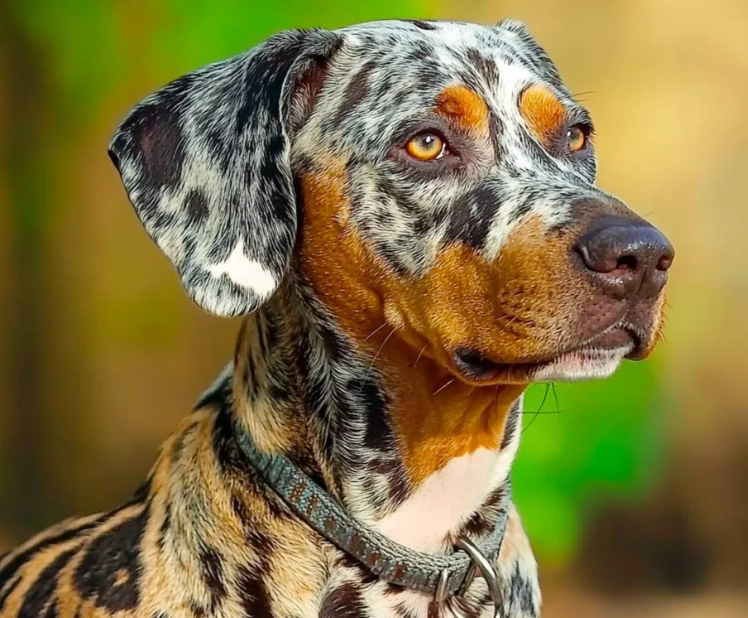
You see a stunning dog with a speckled, leopard-like coat and striking eyes. Someone calls it a Catahoula. Another person insists it's an American Leopard Hound. The internet throws both names around like they're interchangeable. So, what's the deal? Is an American Leopard Hound the same as a Catahoula Leopard Dog? Let's cut to the chase: No, they are not the same dog. But the confusion is understandable, even historical. They share a visual signature—that magnificent spotted coat—and a deep-rooted American heritage as rugged working dogs. However, mistaking one for the other is like confusing a Border Collie with an Australian Shepherd. Similar tools, different blueprints. I've spent years around working and sporting breeds, and I've seen firsthand how this mix-up leads to mismatched expectations. Someone wanting a loyal, treeing coonhound ends up with a dominant, independent herder because the names got swapped. It's a recipe for frustration on both ends of the leash. The tangled story starts centuries ago. Both breeds are believed to descend from dogs brought by Spanish explorers in the 16th century.These dogs likely mixed with native dogs and, later, dogs brought by French settlers. The genetic soup simmered in the Southeastern United States, giving rise to versatile, tough dogs adapted to the land. Here's where the paths diverge: In Louisiana, these dogs were refined by settlers and the local Catahoula Parish (hence the name) into the ultimate multi-tool farm dog—herding wild hogs, hunting game, and guarding property. This is the Catahoula Leopard Dog, recognized as the official state dog of Louisiana. Meanwhile, across other Southern states like Tennessee, the Carolinas, and Georgia, similar spotted dogs were being selectively bred for a more specific job: treeing game. Hunters valued their loud voice ("chop"), relentless trailing ability, and courage to track and "tree" raccoons, bobcats, and even bears. These dogs were historically called Leopard Dogs, Leopard Cur, or American Leopard. In 2008, this specific type was formally recognized as the American Leopard Hound by the United Kennel Club (UKC) to preserve its unique lineage. So, while they spring from a common ancestral pool, centuries of specialized breeding for different jobs (herding/hunting vs. focused treeing) created two distinct breeds. Think of them as cousins, not twins. Let's put the key facts on the table. This isn't just about looks; it's about build, purpose, and official status. Looking at them side-by-side, an experienced eye can spot the difference. The American Leopard Hound often has a more refined, athletic hound build. The Catahoula tends to look stockier and more powerful in the chest, a legacy of wrestling unruly livestock. The eye color thing is a big clue, but don't rely on it solely. Not all Catahoulas have blue eyes, and some American Leopard Hounds can have lighter eyes. It's a combination of features. This is where understanding the difference becomes critical for any potential owner. Their personalities are shaped by their jobs. Think of a focused, cooperative hunter. Bred to work closely with a human partner to track and tree game, they tend to be: People-oriented and biddable. They want to work with you. This often translates to a slightly easier trainability compared to the Catahoula. They're eager to please in the context of the job. Vocal. They have a distinctive, loud bark or "chop" used to communicate the location of treed game. This is not a quiet apartment dog. Driven but manageable. Their prey drive is intense but channeled. With proper exercise and mental work, they can settle into a loyal, affectionate family companion. They often do well with other dogs, having been bred to hunt in packs. Now, think of a brilliant, independent farm manager. Bred to make decisions while herding semi-feral hogs across vast properties, they are: Fiercely independent and strong-willed. They think for themselves. This isn't stubbornness in a dumb way—it's extreme intelligence paired with a confidence that says, "I've got this." This makes them challenging for novice owners. Protective and reserved with strangers. Their guarding heritage is strong. They are often loyal to their family and wary of outsiders. Early, extensive socialization is non-negotiable. "Eye" power. Many Catahoulas use an intense, hypnotic stare to control livestock. This behavior can sometimes be directed at other pets or even children, which needs to be understood and managed. Here's a subtle mistake I see: people get a Catahoula expecting a goofy, eager-to-please lab-like dog. What they get is a canine genius with a mind of its own, who respects leadership but doesn't blindly obey. It's a partnership, not a dictatorship. Let's be brutally honest. Neither of these breeds is a couch potato or a low-maintenance pet. Choosing between them isn't about which is "better," but which set of challenges aligns with your lifestyle. Consider an American Leopard Hound if you: Consider a Catahoula Leopard Dog if you: For a first-time dog owner drawn to the look, I usually advise looking elsewhere. These are specialist tools, not general-purpose pets. If you're set on a spotted dog but lack the working dog experience, a well-bred, older rescue of either breed that has been evaluated in a foster home might be a safer entry point than a puppy. Both breeds are generally hardy, a testament to their working origins. They aren't overbred to the point of common structural issues, but responsible breeding is key. American Leopard Hounds are known for their robustness. Reputable breeders screen for basic concerns like hip dysplasia, but they are typically a long-lived breed (12-15 years). Their short coat is easy—a weekly brush and occasional bath is all they need. Catahoulas are also generally healthy. Some lines can be prone to deafness (associated with the white coat and blue eye genes), and hip dysplasia is a consideration. Their lifespan is similar, around 10-14 years. Grooming is similarly low-maintenance, though their coat can be a bit thicker. The main "grooming" for both is exercise and mental stimulation. A bored Leopard Hound or Catahoula will find their own fun, and you won't like it. Digging, chewing, escaping, excessive barking—these are symptoms of unmet needs, not breed flaws. What is the main difference between an American Leopard Hound and a Catahoula? The core difference lies in their official recognition and breeding history. The American Leopard Hound is a distinct breed recognized by the United Kennel Club (UKC), bred primarily as a versatile treeing and trailing hound. The Catahoula Leopard Dog, recognized by both the AKC and UKC, was developed in Louisiana as an all-purpose herding, hunting, and guarding dog. While they share a spotted coat, their body structure, historical job, and, to a degree, temperament are shaped by these different purposes. Which breed is easier to train for a first-time dog owner: American Leopard Hound or Catahoula? For a novice, the American Leopard Hound is often the more manageable choice. They tend to have a slightly more cooperative and biddable nature, eager to work with their handler. Catahoulas are incredibly intelligent but famously independent and strong-willed; they need a firm, confident leader who understands dog psychology. Without consistent, experienced training, a Catahoula's intelligence can quickly turn into stubbornness, making them a challenge for a first-timer. Can an American Leopard Hound or Catahoula live happily in an apartment? It's a tough sell for either breed, and a potential disaster without immense commitment. Both are high-energy, vocal, and need significant mental and physical work. An apartment lifestyle risks severe behavioral issues like destructive chewing, excessive barking, and anxiety. The only way it *might* work is if you have a dedicated, rigorous schedule: multiple long runs or hikes daily, advanced obedience or dog sports training sessions, and immediate access to large, secure outdoor areas. For most people, a home with a securely fenced yard is non-negotiable for these working dogs. Are American Leopard Hounds and Catahoulas good with other pets? This requires careful management and depends heavily on the individual dog's prey drive and socialization. Both breeds have strong instincts. The American Leopard Hound's history as a hunting hound means a high prey drive towards smaller animals like cats or rabbits; early socialization is critical. Catahoulas, with their herding background, may try to herd or chase other pets. They can also exhibit dog-selectivity or same-sex aggression. Success with other pets is never guaranteed. It requires introducing them as puppies to other animals in a controlled setting and maintaining constant, responsible supervision. So, the next time you see that gorgeous spotted dog, you'll know there's more to the story. The American Leopard Hound and the Catahoula Leopard Dog are both exceptional, historic American breeds. They deserve to be recognized for their unique qualities, not lumped together under a single name. Choosing the right one means looking past the captivating coat and into the soul of the worker beneath. Do your homework. Talk to reputable breeders of each breed (you can find them through the parent clubs like the National American Leopard Hound Association or the National Association of Louisiana Catahoulas). Meet the dogs in person if you can. Your future spotted companion will thank you for understanding exactly who they are.What You'll Find in This Guide
The Root of the Confusion: A Shared History?
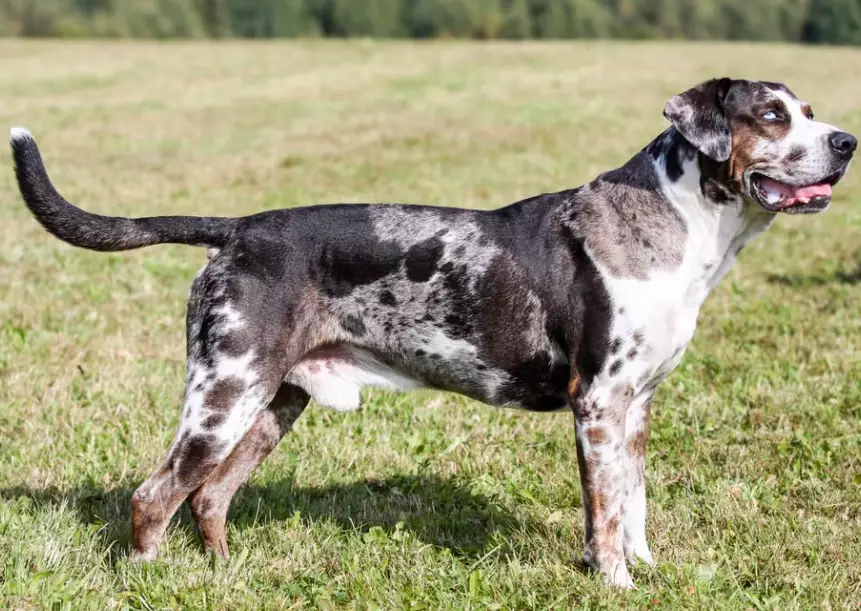
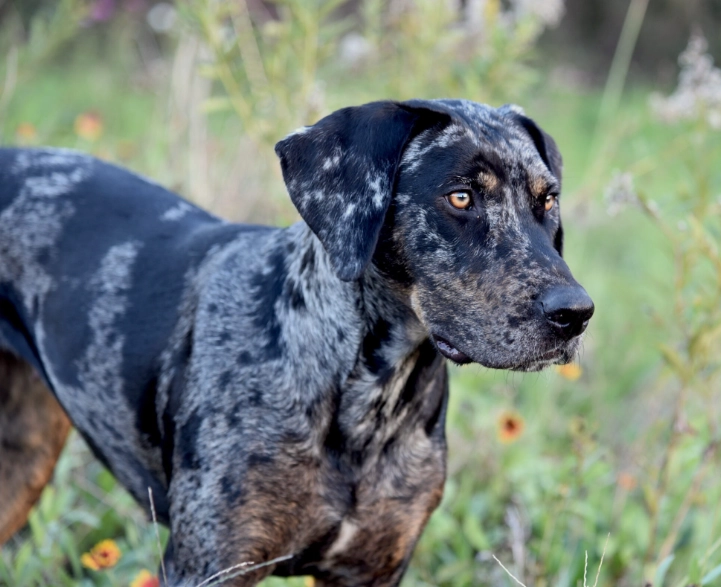
American Leopard Hound vs. Catahoula: A Side-by-Side Breakdown
Feature
American Leopard Hound
Catahoula Leopard Dog
Primary Recognition
United Kennel Club (UKC)
American Kennel Club (AKC) & United Kennel Club (UKC)
Historical Job
Treeing hound (raccoons, big game)
All-purpose herder, hunter, guardian
Build
More balanced & square; built for endurance running and trailing.
More muscular & substantial; built for power and controlling livestock.
Coat & Color
Short, dense. Colors: Black, blue, mouse, red, yellow, or cream with a "leopard" spotting pattern. White markings common.
Short to medium, can be coarse. Vast color range: leopard, brindle, solid. Famous for "cracked glass" or marble patterns.
Eyes
Typically brown, hazel, or amber.
Noted for striking blue, "cracked glass" (blue & brown mix), green, or amber eyes. Wall-eyes (two different colors) are iconic.
Tail
Moderate length, set high, carried in a sickle or curve when alert.
Typically reaches the hock, carried with a slight curve.
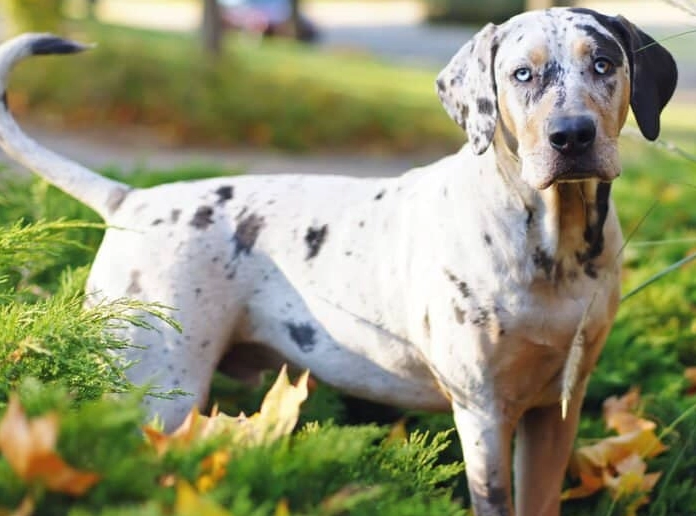
Beyond Looks: The Crucial Temperament & Work Ethic Divide
The American Leopard Hound Temperament
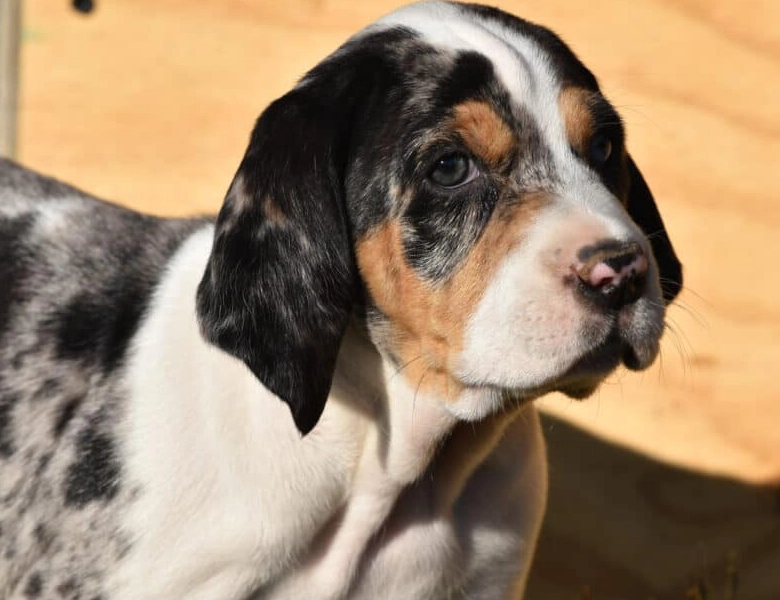
The Catahoula Leopard Dog Temperament
Which Spotted Dog Is Right For You? A Reality Check
- Are an active hunter looking for a treeing companion.
- Want a highly trainable, people-focused working dog.
- Can provide hours of vigorous daily exercise (running, hiking, not just a walk).
- Have a securely fenced yard (their scent drive is high).
- Don't mind loud, frequent vocalizations.
- Prefer a dog that may be more sociable with other dogs.
- Have significant experience with dominant, intelligent working breeds.
- Need a versatile farm/ranch dog for herding or protection.
- Can be a firm, consistent, and confident pack leader 24/7.
- Are committed to intense, early socialization and ongoing training.
- Have a home without very small pets (due to strong herding/prey drive).
- Value independence and problem-solving in a dog.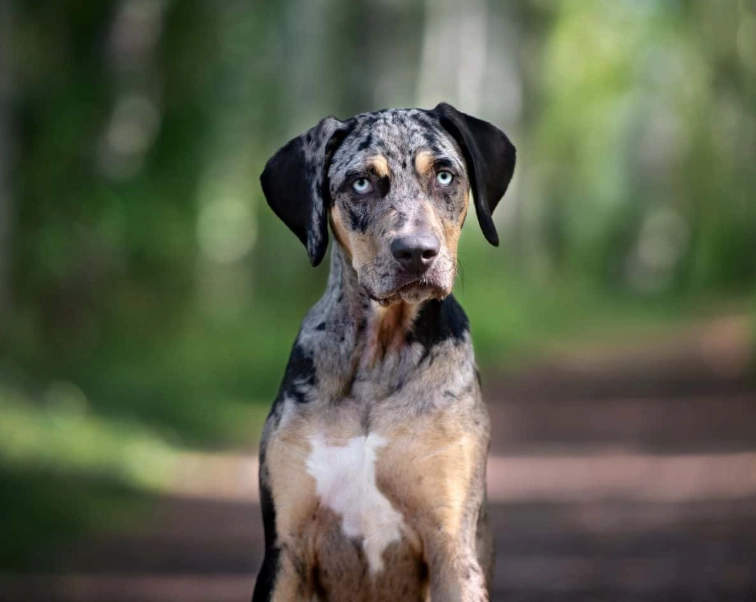
Health, Grooming, and Lifespan Considerations
Your Questions, Answered
American Leopard Hound vs Catahoula: Same Dog Breed?
Comment