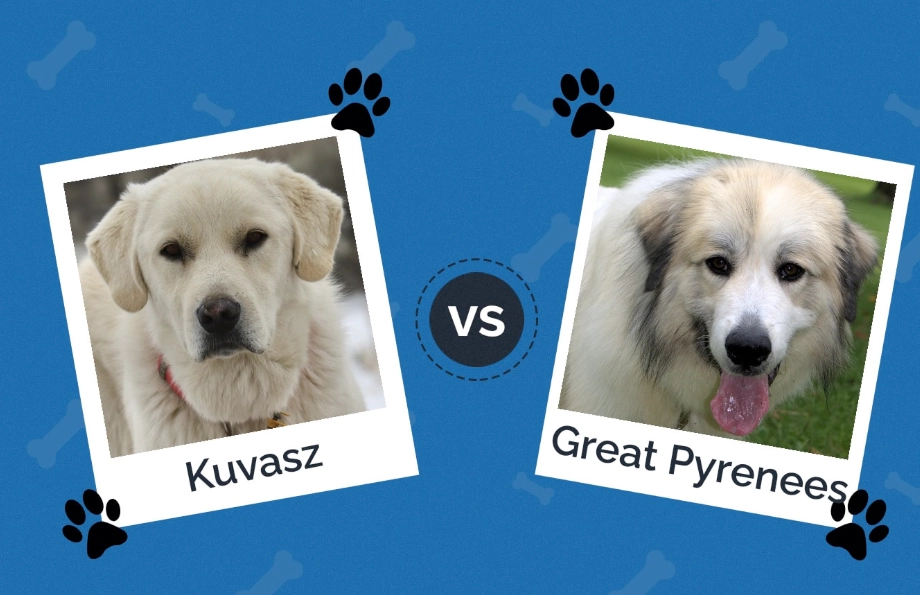
So you're looking at these two magnificent, fluffy mountain dogs and wondering, point blank, is a Great Pyrenees bigger than an Anatolian Shepherd? It's a great question, and honestly, one I wrestled with myself before bringing home my first livestock guardian dog. The short, somewhat frustrating answer is: it depends. It's not just about who's taller or heavier on paper. The real story is in their build, their bone structure, and the sheer presence they command in your living room (and on your sofa). I remember visiting a breeder who had both. The Anatolian stood there, statuesque and lean-muscled like a seasoned athlete, while the Pyr just... existed as a massive, calm, white cloud. They were similar in height, but the Pyr felt substantially more substantial. That experience taught me that comparing these breeds is about more than just measurements. This question, "Is a Great Pyrenees bigger than an Anatolian Shepherd?", opens the door to everything you need to know before choosing between them. It's not just size—it's about what that size means for their health, their exercise needs, your grocery bill, and your ability to fit them in your car. We're going to break it all down, from official breed standards to the messy, wonderful reality of living with a dog that weighs as much as a person. First, the official word from the kennel clubs. The American Kennel Club (AKC) and the Fédération Cynologique Internationale (FCI) provide the blueprint for each breed. Here’s where you get the textbook answer to "Is a Great Pyrenees bigger than an Anatolian Shepherd?" Looking at this, things get interesting, right? The Anatolian Shepherd male has a slightly taller minimum height (29 inches) than the Pyr male (27 inches). So technically, an Anatolian can be taller. But then you look at the weight. The Pyr's weight range, especially for males, emphasizes a heavier build. An Anatolian male might hit 150 lbs, but that's at the very top end. A large male Pyr comfortably sits in the 120-140 lb range as a norm. The numbers tell a story of two different philosophies of "big." The Anatolian is built for endurance and speed over rugged terrain—think a long-distance runner. The Great Pyrenees is built for power and stability in deep snow—think a heavyweight wrestler. This fundamental difference in purpose is why you can't just look at a height chart. An Anatolian's height often comes with a more moderate, athletic frame. A Pyr's slightly lesser height (sometimes) is packed with a much denser, thicker body, a broader chest, and more bone mass. Okay, let's move past the numbers on a page. This is where it gets real for any potential owner. You're not living with a statistic; you're living with a living, shedding, drooling creature that needs to fit through your doorways. Describing a Pyr as "big-boned" is an understatement. They have a rectangular body, slightly longer than tall, with a deep, broad chest. Their legs are solid pillars. Then you add the famous double coat: a dense, wooly undercoat and a long, thick, weather-resistant outer coat that stands off the body. This coat adds inches of visual bulk. A 120-pound Pyr can easily look like a 150-pound dog because of all that fur. Grooming is a monumental task—we're talking weekly brushing to prevent mats, and during shedding season (which feels like always), you'll be pulling out enough fur to make a whole new dog. That glorious white coat is a dirt magnet and requires a commitment. Their movement is deliberate and powerful, not clumsy, but you get the sense of a rolling mountain. They were bred to be independent guardians in the Pyrenees mountains, and their build reflects that need for resilience over agility. The Anatolian Shepherd is built more like a mastiff mixed with a sight hound. They have a square to slightly rectangular build, but with a ribcage that's deep but not as barrel-like as the Pyr's. Their legs are longer and appear more slender (though still strong), giving them a taller, more upright appearance. The coat is shorter and less dense than the Pyr's, though still double-layered for protection. It comes in various colors and patterns, often with a distinctive black mask. The grooming needs are significantly less intense than the Pyr's, though they still shed considerably. The lack of that extreme fluff means their size is more "truthful"—what you see is mostly dog, not coat. Their movement is agile and fluid. They can cover ground quickly and with surprising grace for their size. Bred on the arid, rugged plateaus of Turkey, they needed speed and stamina to patrol vast territories and chase off predators like wolves and bears. So, circling back, is a Great Pyrenees bigger than an Anatolian Shepherd? In pure mass and volume, usually, yes. In potential height, the Anatolian can have a slight edge. But the Pyr's combination of dense structure and magnificent coat creates an undeniable impression of greater size. Choosing between these breeds based solely on which is bigger is a surefire way to end up with the wrong dog. Their size dictates certain realities, but their minds and instincts dictate your daily life. Let's compare some key non-size factors that are arguably more important. See what I mean? The size question leads you right into these other make-or-break details. That independent streak in both breeds is no joke. You don't really own a Pyr or an Anatolian; you co-exist with a partner who has its own opinions. If you want a dog that instantly obeys every command, look elsewhere. These dogs respect you, but they also respect their own judgment, which was essential for their historical work. The grooming difference alone is a major lifestyle divider. Loving the look of a fluffy Pyr is one thing. Committing to the vacuuming, brushing, and occasional professional grooming bills (which are hefty for a dog this size) is another. Big dogs come with big health considerations, and both breeds share some common giant breed challenges. Their size puts immense stress on their joints and organs. Caring for a giant breed is expensive. Everything is more: more food (high-quality large breed formula is a must), bigger doses of medication, larger crates, stronger toys, and much higher veterinary bills for procedures and surgeries. Pet insurance is something I strongly recommend considering from day one. Based on what I've seen people search for and ask about, here are some direct answers to common questions that stem from the original "Is a Great Pyrenees bigger than an Anatolian Shepherd?" query. So, after all this, is a Great Pyrenees bigger than an Anatolian Shepherd? In terms of physical bulk and overall imposing presence, typically yes. The Great Pyrenees is the fluffier, denser, more bear-like of the two. The Anatolian Shepherd is the taller, leaner, more panther-like guardian. But I hope you see now that the size question is just the tip of the iceberg. Choosing between them comes down to your lifestyle and what you value in a canine companion. Choose a Great Pyrenees if: You want a gentle, calm, and profoundly affectionate giant that feels like a living teddy bear. You don't mind (or even enjoy) extensive grooming. You can handle stubborn independence and a deep, warning bark. You want a dog whose mere presence is a comfort. Choose an Anatolian Shepherd if: You have significant property for them to guard. You prefer a more athletic, less "high-maintenance" coat. You respect a more reserved and fiercely loyal temperament. You are an experienced dog owner who can establish leadership with a strong-willed, intelligent partner. Both are incredible breeds that demand respect, commitment, and a deep understanding of their nature. They are not just big dogs; they are ancient working partners bred for a serious purpose. Bringing one into your home is a life-changing decision—one that comes with immense joy, hair on every surface, and the unparalleled feeling of safety that comes from living with a true gentle giant.What We'll Explore
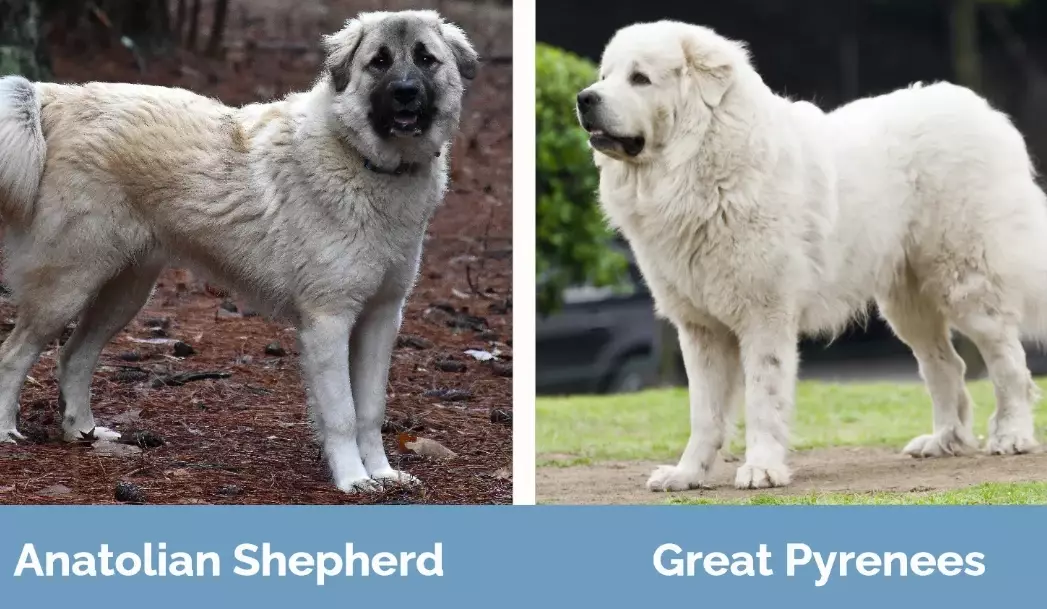
The Numbers Game: Official Height and Weight Standards
Breed
Male Height (at withers)
Female Height (at withers)
Male Weight
Female Weight
Governing Standard
Great Pyrenees
27 to 32 inches (69-81 cm)
25 to 29 inches (63-74 cm)
100 to 130+ lbs (45-59+ kg)
85 to 115+ lbs (39-52+ kg)
AKC & FCI
Anatolian Shepherd
29 to 31 inches (74-79 cm)
28 to 30 inches (71-76 cm)
110 to 150 lbs (50-68 kg)
80 to 120 lbs (36-54 kg)
AKC
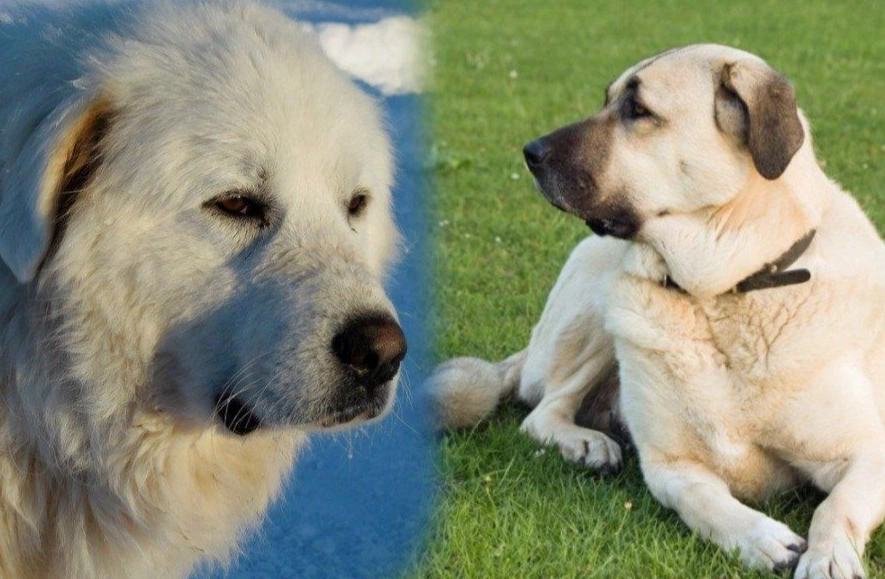
Beyond the Tape Measure: Build, Bone, and "Presence"
The Great Pyrenees Build: The Fluffy Fortress
The Anatolian Shepherd Build: The Agile Guardian
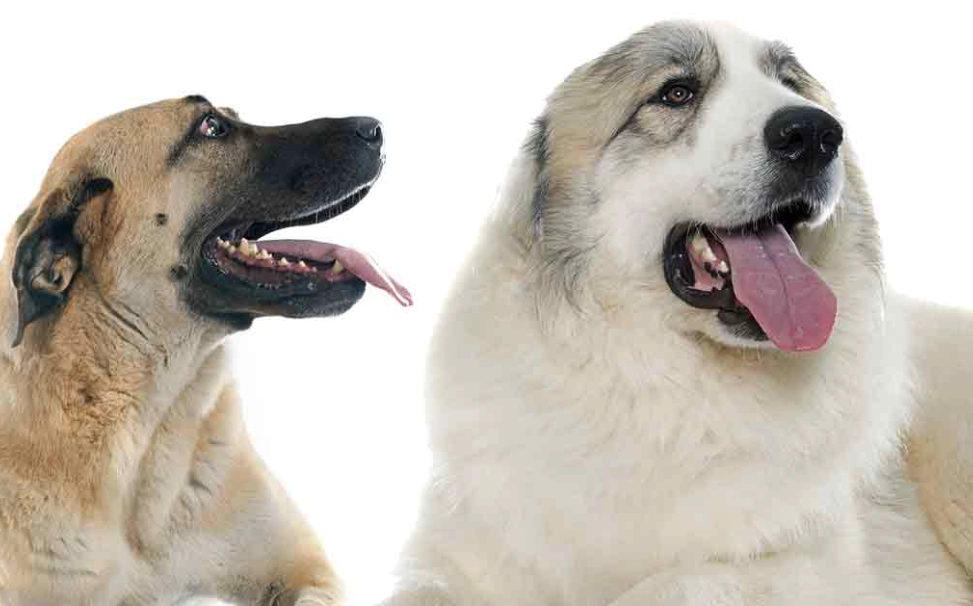
It's Not Just Size: Temperament, Care, and Lifestyle Fit
Aspect
Great Pyrenees
Anatolian Shepherd
Core Temperament
Calm, patient, gentle, profoundly independent. Known as a "thinking" breed that makes its own decisions.
Alert, protective, reserved with strangers, highly intelligent and independent. Can be more aloof and territorial.
Family & Kids
Typically excellent, gentle giants with a high tolerance. Their calm nature suits families, but their size requires supervision with small children.
Loyal and protective of their family. Can be wonderful but are often more reserved and may be less overtly "cuddly" than a Pyr. Early socialization is paramount.
Trainability
Stubborn. They were bred to work alone for hours. They learn quickly but obey slowly if they see no point. Motivated by praise, not repetition.
Strong-willed and independent. Respect-based training works best. They are not eager-to-please like a Labrador. Consistency is key.
Exercise Needs
Moderate. They need daily walks and mental stimulation but are prone to laziness indoors. They enjoy having a job like patrolling a yard.
Moderate to high. They have more stamina and need consistent daily exercise and a job to do to prevent boredom and destructive behaviors.
Grooming Commitment
VERY HIGH. Daily brushing during sheds, weekly brushing otherwise. Prone to matting. Expect dirt, drool, and hair everywhere.
MODERATE. Weekly brushing usually suffices. Shedding is seasonal but heavy. Much easier to maintain than a Pyr coat.
Space Requirements
Does best with a securely fenced yard to patrol. Can adapt to indoor life if exercised, but their size is cumbersome in small spaces.
Absolutely requires a large, secure yard. Their guarding instinct and need for territory make apartments a very poor fit.
Barking
Frequent, deep, loud barkers. It's their primary tool to warn off threats from a distance. Not a breed for noise-sensitive neighbors.
Also significant barkers, often with a more alert, "on-duty" tone. They bark to alert and deter.
Health Considerations for Giant Breeds
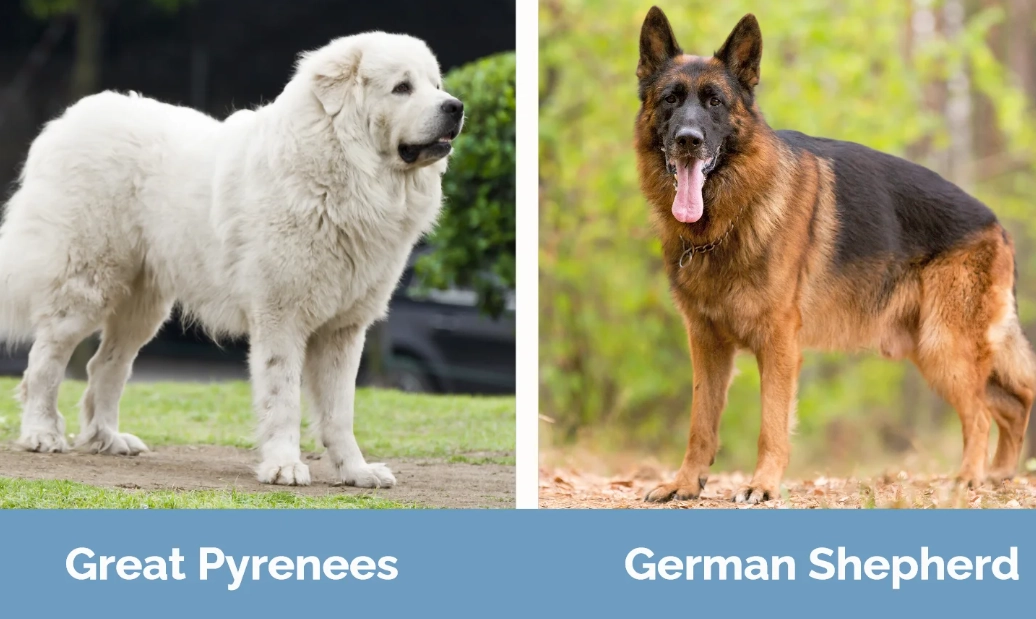
Answering Your Questions: The Breed FAQ
The Final Verdict: Making Your Choice
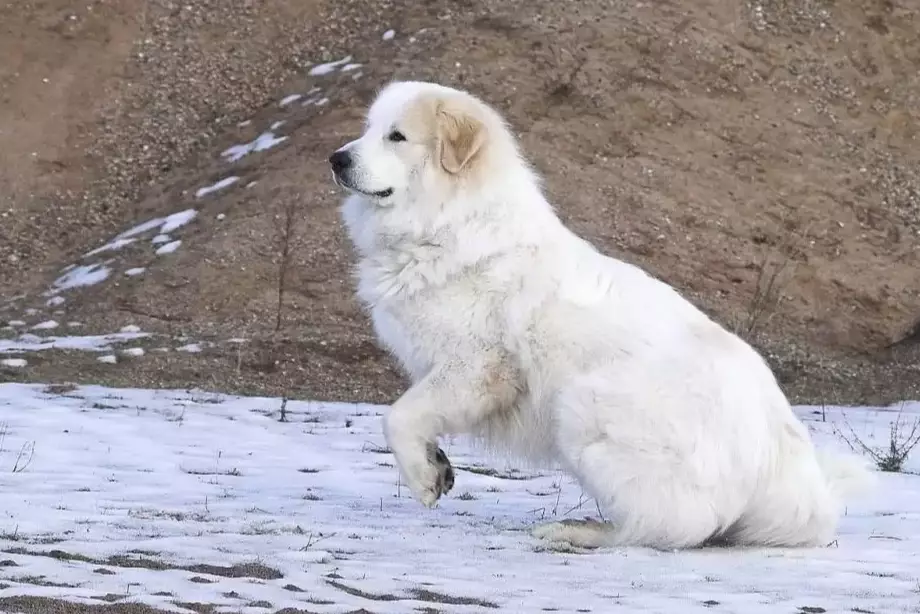
Let's cut to the chase. If you're looking for the breed that typically takes the crown for sheer mass and bulk, it's often the Great Pyrenees. But if you're looking at a more agile, leggy frame that can still reach impressive heights, the Anatolian Shepherd is no slouch. The difference is often one of density versus reach.
My Take: In my experience, when you put an average male of each breed side by side, the Great Pyrenees almost always looks and feels more massive due to its double coat and substantial bone. The Anatolian, while incredibly impressive, often appears more streamlined.
Heads up for first-time giant breed owners: Both of these dogs are STRONG. A 6-month-old puppy of either breed can easily pull an unprepared adult off their feet. Leash training and obedience focused on impulse control are not optional—they are critical for safety.
The single most important thing you can do for a giant breed's joint health is to control their growth rate. Puppies should be kept lean, not roly-poly. Feed a large-breed puppy food designed for controlled growth and avoid excessive forced exercise (like long runs) until they are fully mature, around 18-24 months old.
Which breed is more protective?
Both are exceptional guardians, but their styles differ. The Anatolian Shepherd is often considered more actively territorial and alert to any intrusion. The Great Pyrenees is more of a passive deterrent—its sheer size and bark are usually enough, but it will physically intervene if necessary. Neither is a "guard dog" in the attack-trained sense; they are livestock guardians whose primary job is to deter and protect through presence.
Can either dog live in an apartment?
I would strongly advise against it for both, but it's an even worse idea for an Anatolian Shepherd. They have a deep-seated need for territory to patrol. A Great Pyrenees can adapt to apartment life if you are incredibly dedicated to providing multiple long walks and mental stimulation, but it's far from ideal. Their size alone makes navigating small spaces difficult, and their barking will disturb neighbors.
Which breed is better with other pets?
Both can do well with other pets if raised with them from puppyhood. The Great Pyrenees generally has a slightly softer, more tolerant nature with familiar animals. The Anatolian's strong prey drive and protective instincts mean introductions to new animals (especially smaller ones) must be done with extreme care and supervision. Neither breed is typically dog-park friendly due to their independence and potential same-sex aggression.
Is one easier to train than the other?
They are both challenging for first-time dog owners. If I had to pick, I'd say the Great Pyrenees can be slightly more biddable in a family setting, often motivated by praise. The Anatolian's independence and reserve can make training a more serious, respect-based endeavor. For both, training is about persuasion and partnership, not command and control.
What about shedding and drooling?
Both shed—a lot. The Great Pyrenees, with its long coat, produces more noticeable tumbleweeds of fur and requires far more active grooming to prevent mats. The Anatolian's shorter coat sheds heavily seasonally. As for drool, both can be drooly, especially after drinking. The Pyr, with its looser flews (lips), might have a slight edge in the slobber department, but it's highly individual.
Last piece of advice: Whichever breed draws you, do not buy from a puppy mill or a backyard breeder. The health risks are too great. Seek out reputable breeders who health test, raise puppies in their home, and are deeply knowledgeable about the breed. Consider rescue organizations as well—there are many dedicated to both Pyrenees and Anatolians where you can offer a wonderful home to a dog in need.
Comment