Let's cut right to the chase. You're probably here because you love the scrappy, wiry look of the Basset Fauve de Bretagne, your heart is set on a low-slung hound, but your nose (or a family member's) starts protesting at the mere thought of dog hair. You've typed "Basset Fauve de Bretagne hypoallergenic" into Google hoping for a clear yes or no. I get it. I've been through that same frantic search myself. The internet is full of conflicting claims. Some sites lump them in with other "non-shedding" breeds. Others are more vague. It's frustrating. So, I'm not going to give you a marketing line. We're going to dig into the gritty details of their coat, their dander, and what living with one actually feels like for someone with sensitivities. Is the Basset Fauve de Bretagne the hypoallergenic savior for hound lovers? Well, the answer is more nuanced than a simple checkbox. Before we talk about the Fauve specifically, we need to clear up the biggest myth. The term "hypoallergenic dog" is a bit of a marketing dream. It suggests a dog that won't cause allergic reactions. The reality? All dogs produce allergens. The main culprit isn't actually the hair itself—it's proteins found in a dog's dander (dead skin flakes), saliva, and urine. These proteins stick to hair and become airborne. So, when we call a breed like the Basset Fauve de Bretagne hypoallergenic, what we're really saying is that they may produce fewer allergens or shed less dander-laden hair into the environment. Breeds with predictable, non-shedding coats (like Poodles) or wiry, dense coats (like the Fauve) tend to trap dander closer to the skin, requiring regular grooming to remove it, rather than letting it fly free around your house daily. It's a game of reduction, not elimination. Your individual reaction is the wild card. Some people react terribly to a "hypoallergenic" Poodle but are fine with a short-haired Boxer. You just don't know until you spend extended time with the breed. To understand the Basset Fauve de Bretagne hypoallergenic potential, you have to start with their most distinctive feature: that rough, wiry coat. It's not soft and fluffy. Run your fingers through it, and it feels dense, harsh, and incredibly sturdy. This is a working dog's coat, designed to protect them from brambles and rough terrain in the Breton countryside. The coat has a specific texture for a reason. It's meant to be hand-stripped, not clipped. This is a crucial point most casual articles gloss over. Hand-stripping involves pulling out the dead hair from the root by hand or with a special tool. It's a bit more work than a simple shave, but here's the allergy-relevance: stripping allows a new, healthy wire coat to regrow and helps regulate the skin's oil production and dander shedding. When you clip a wire coat, you soften it. The new hair grows back finer and softer, which can actually lead to more shedding and a less effective trap for dander. So, proper coat maintenance is the first and most important step in managing the hypoallergenic Basset Fauve de Bretagne equation. Okay, so do they shed? Let's be honest. Compared to a Labrador that leaves tumbleweeds of fur in every corner, a Basset Fauve de Bretagne is a neat freak. You won't typically find little hairs on your black pants or floating in the sunlight. The loose hair tends to get caught in the dense undercoat until it's manually removed through brushing or stripping. However. They are not magic hairless dogs. You will find the occasional wiry hair on the couch, especially during seasonal changes or if their coat isn't maintained. It's just not the constant, pervasive snowfall of fur you get from other breeds. For allergy sufferers, this controlled, infrequent shedding is a massive plus. Less hair flying around means fewer airborne allergens. If you're considering a Basset Fauve de Bretagne hypoallergenic lifestyle, you must be committed to grooming. This isn't a "bathe once a year" dog. Their grooming routine is your primary weapon against dander buildup. Here’s what a proactive grooming schedule looks like: I won't sugarcoat it. This is a commitment. If you hate the idea of regular grooming, this might not be the low-maintenance dog you're hoping for, even if it is a low shedding Basset Fauve. The coat is the headline, but allergies are a full-spectrum assault. You need to consider the whole dog. Saliva: Fauves are affectionate and can be lickers. That saliva contains the Can f 1 allergen. If you're highly reactive to saliva, this is a consideration. Training a "no lick" command early can help. Drool: Thankfully, unlike their floppy-jowled Basset Hound cousins, Basset Fauve de Bretagnes are not known for excessive drooling. A huge point in their favor for keeping allergens (and mess) contained. Size Matters: They are a small-to-medium dog. Less body surface area than a large breed generally means less dander production overall. It's simple math. Let's get practical. What does daily life look like? You'll need to become a bit of a clean freak. I'm not talking hospital sterile, but mindful. A good HEPA air purifier in the bedroom and main living area is a fantastic investment. It pulls dander and hair out of the air. Vacuum frequently with a machine that has a HEPA filter—don't forget the couch and curtains. Wash the dog's bedding in hot water weekly. Create dog-free zones. The bedroom is the most common and effective one. Giving your airways 8 hours of rest in a clean sanctuary can make all the difference in managing symptoms, even with a Basset Fauve de Bretagne hypoallergenic candidate. Your personal hygiene matters too. Wash your hands after a big cuddle session before touching your face. Change your clothes if you've been buried in dog play. It sounds like a lot, but for many, these habits become second nature. The payoff is the companionship of a funny, loyal, and characterful little hound. How does the Fauve stack up against the usual suspects? Let's put it in a table, because it helps to see it side-by-side. See? The Fauve sits in a interesting spot. It's not as high-maintenance as a Poodle's hair, but it's not as low-touch as a short-haired breed. Its advantage is that the grooming, while specific, directly manages the allergen source. Allergy compatibility is one thing, but lifestyle fit is everything. You can't judge a hypoallergenic Basset Fauve de Bretagne on coat alone. These are energetic, intelligent scenthounds. They were bred to hunt in packs, which means they are social, can be stubborn, and have a powerful nose that leads them into trouble. They need daily mental and physical exercise—a good long walk or a secure area to sniff and explore. A bored Fauve will find its own fun, and you might not like it. They are generally cheerful, good with kids and other dogs if socialized, but that independent hound streak is real. Recall training is an ongoing project, not a one-time lesson. The The Kennel Club (UK) breed page accurately describes them as "lively, determined and courageous." So, ask yourself: Are you active? Can you provide structure and patient training? Do you have a secure yard? If you're a couch potato looking for a decorative, hypoallergenic pillow, look elsewhere. This dog has spirit. So, after all this, would I recommend the Basset Fauve de Bretagne to someone with allergies? Yes, but with a stack of caveats taller than the dog itself. If you are mildly to moderately allergic, are willing to invest time in grooming and housekeeping, and your lifestyle matches a lively, small hound's needs, then a Basset Fauve de Bretagne could be a wonderful, compatible companion. The low shedding Basset Fauve trait is real and a major benefit. If your allergies are severe and life-threatening, or if you want a truly zero-maintenance pet, this isn't the magic bullet. The commitment to coat care is non-negotiable. The dog's personality is also non-negotiable. For me, the trade-off was worth it. The quirky personality, the loyalty, the sheer joy of seeing this determined little creature trot around—it outweighs the extra vacuuming and the grooming appointments. But that's my calculus. You need to do yours. Do your research, meet the dogs, and be brutally honest with yourself about the routine required to make a Basset Fauve de Bretagne hypoallergenic partnership work. If it aligns, you might just find your perfect, scruffy, low-slung best friend.Quick Guide

What Does "Hypoallergenic" Even Mean for a Dog?
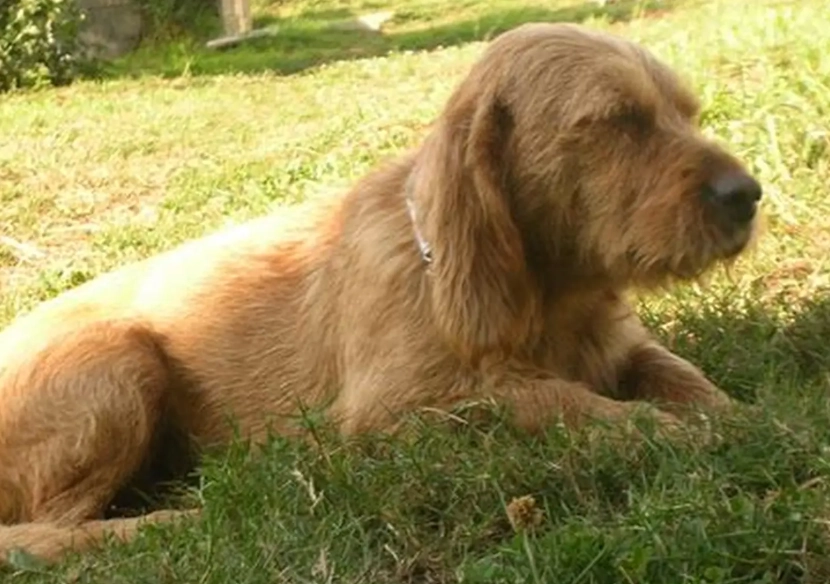
The Basset Fauve de Bretagne Coat: Your First Clue
Shedding: The Day-to-Day Reality

Grooming: The Non-Negotiable for Allergy Control
Beyond the Coat: Other Allergy Factors with the Fauve

Living with a Fauve: An Allergy Sufferer's Perspective
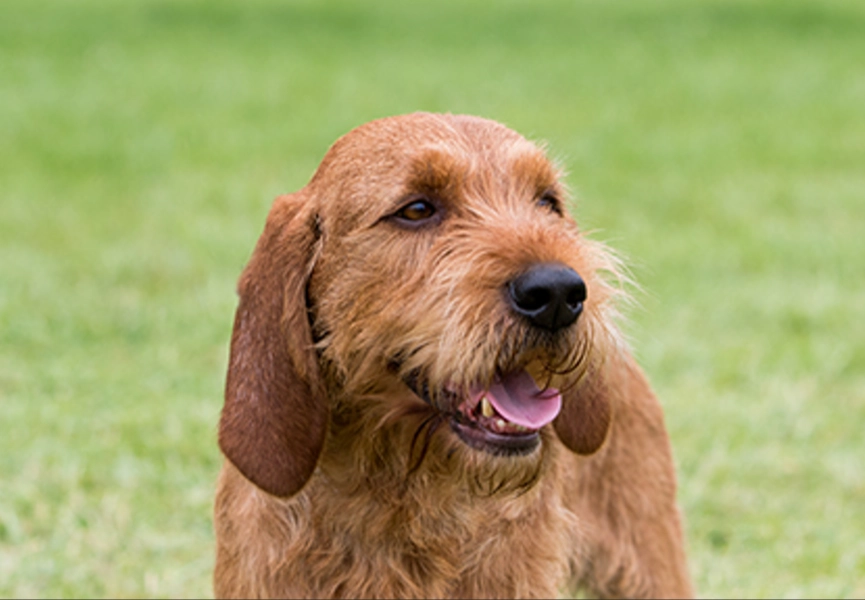
Basset Fauve de Bretagne vs. Other "Hypoallergenic" Breeds
Breed
Coat Type
Shedding Level
Grooming Need
Allergy-Friendly Notes
Basset Fauve de Bretagne
Dense, coarse wire
Low to Moderate (seasonal/with stripping)
High (Weekly brush, hand-strip)
Traps dander well; requires committed grooming routine.
Poodle (All Sizes)
Curly, non-shedding hair
Very Low
Very High (Daily brush, frequent clips)
Gold standard for low dander; hair grows continuously.
Soft Coated Wheaten Terrier
Soft, silky, single coat
Low
High (Daily brushing to prevent mats)
Minimal dander but coat holds dirt/moisture.
Italian Greyhound
Short, fine hair
Low
Very Low (Occasional rub-down)
Sheds little hair but has exposed skin/dander.
Labrador Retriever
Short, dense double coat
Very High
Moderate (Weekly brush, heavy shedder)
High dander and hair production. Often problematic.
Personality and Care: Is the Fauve Right for YOU?
Common Questions (The Stuff You're Actually Searching For)

Final Thoughts: A Realistic Verdict
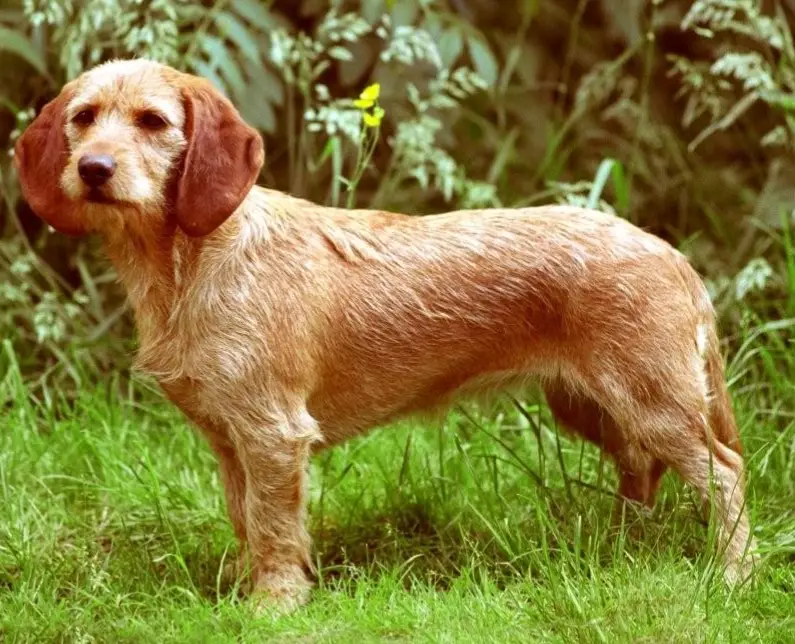
The Bottom Line Up Front: The Basset Fauve de Bretagne is often described as hypoallergenic or low-shedding due to its unique, coarse wire coat. While it's certainly a cleaner option than many double-coated, heavy-shedding breeds, calling it 100% hypoallergenic is misleading. No dog is truly hypoallergenic. However, for many allergy sufferers, the Fauve's specific grooming needs and coat type can make coexistence possible, even comfortable, with proper management.
I remember the first time I felt a Fauve's coat. I was expecting something softer, like a terrier mix. Nope. It was like touching a sturdy doormat. My groomer laughed and said, "That's how you know it's healthy." It took some getting used to, but now I love that rugged, earthy feel. It's practical.
A Critical Test: Never buy or adopt a Basset Fauve de Bretagne based solely on its "hypoallergenic" label. The only true test is exposure. Spend at least a few hours in a breeder's home, visit a owner, or volunteer to dog-sit. Let the dog be near you, let it lick your hand (if allowed), and see how your body reacts over time. This is the most important step you can take.
Is the Basset Fauve de Bretagne truly hypoallergenic?
No dog is 100% hypoallergenic. The Basset Fauve de Bretagne is better described as a low-shedding, low-dander breed with a coat that, when maintained properly, can significantly reduce the spread of allergens. It's one of the better choices for many allergy sufferers, but individual reactions vary.
How much does a Basset Fauve de Bretagne shed?
They shed minimally on a day-to-day basis compared to average dogs. The shedding is managed through regular brushing and hand-stripping, which removes dead hair before it falls out on its own. You'll notice more loose hair during brushing sessions than you will on your furniture.
What is the best way to groom a Basset Fauve for allergy reduction?
The holy trinity is: 1) Weekly brushing with the right tools to remove dander and dead hair, 2) Professional hand-stripping several times a year to maintain coat health, and 3) Regular bathing with gentle shampoo. Keeping their living environment clean (HEPA filters, frequent vacuuming) is the other half of the battle.
Are there any Basset Fauve de Bretagne mixes that are more hypoallergenic?
Mixes are a genetic lottery. A Fauve mixed with a Poodle (a "Fauve-poo") might inherit a curlier, lower-shedding coat, but it might also inherit the Fauve's wire or a problematic combination. There's no guarantee. A responsible breeder focusing on health and temperament is always a better bet than chasing a specific mix for hypoallergenic traits alone.
Where can I find a reputable Basset Fauve de Bretagne breeder?
Start with the national breed club. In the U.S., the Basset Fauve de Bretagne Club of America is the official parent club recognized by the AKC. They have a breeder referral list. Ethical breeders health-test their dogs, raise puppies in their home, and will be happy to answer all your questions about the Basset Fauve de Bretagne hypoallergenic qualities and overall fit.
Adoption is also an option, though rare. Check breed-specific rescues or let local shelters know you're interested in this specific breed.
Comment