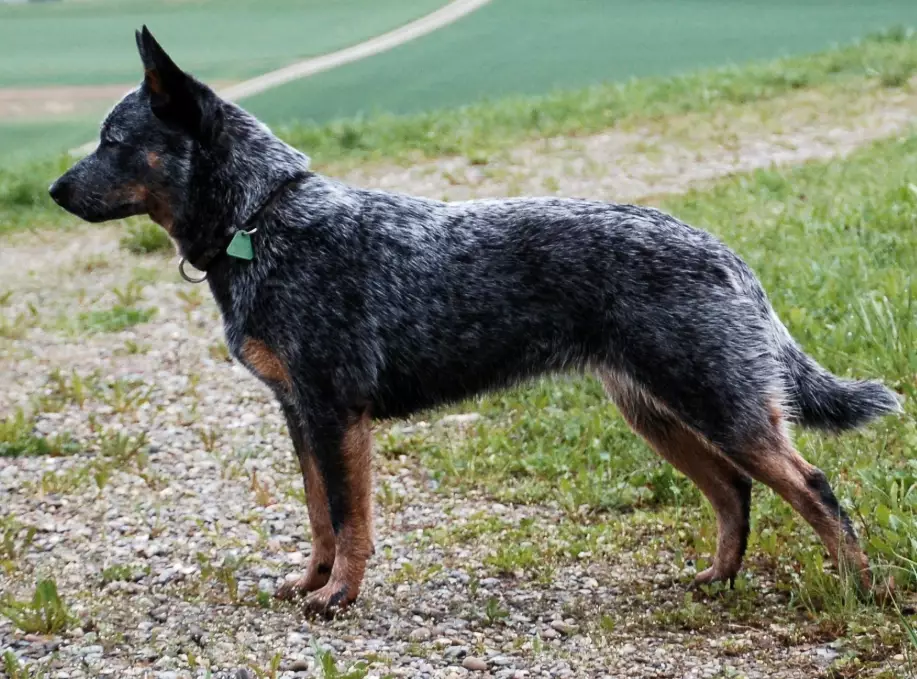
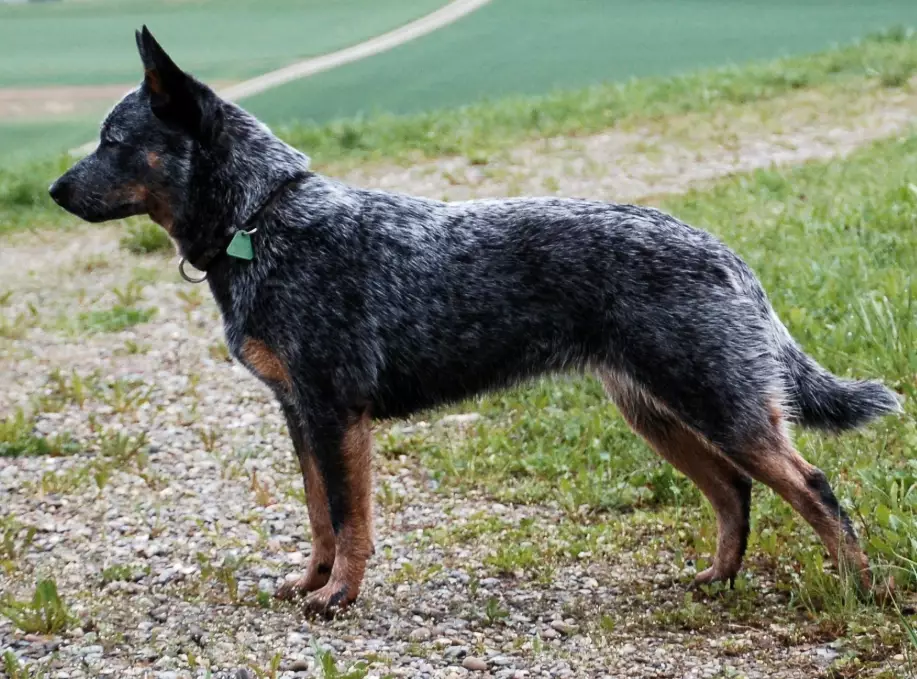
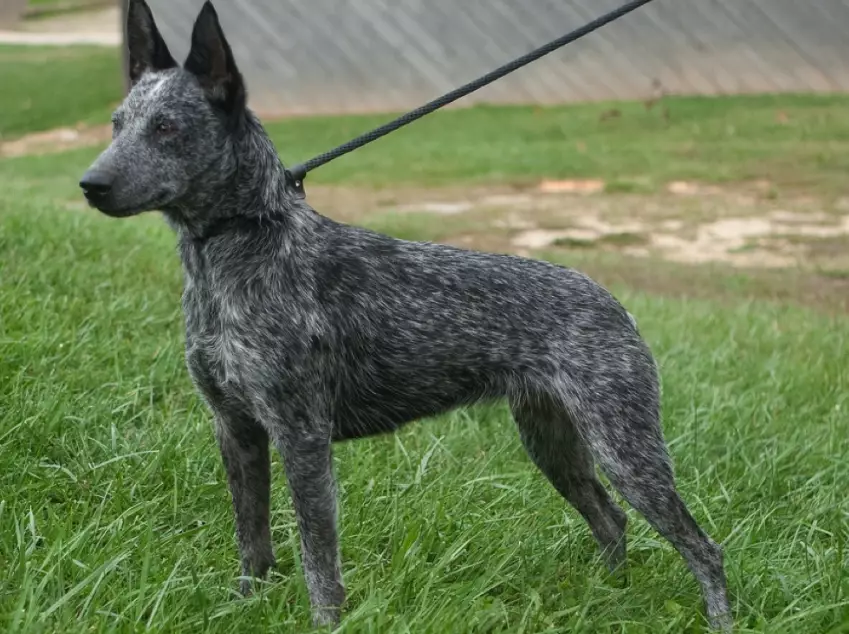
Let's get this out of the way first. If you're picturing a lazy couch potato who's happy with a five-minute walk around the block, you're looking at the wrong dog. Completely. The Australian Stumpy Tail Cattle Dog temperament is, above all else, defined by a relentless, crackling energy and a mind that's always switched on. I've seen them at work on farms, and it's like watching a four-legged laser beam – focused, intense, and moving with purpose. That intensity doesn't just vanish when they come inside. It's baked into their DNA, a direct result of their history as indispensable partners in the harsh Australian outback. Understanding this breed's personality isn't just about knowing if they're friendly or smart. It's about understanding the why behind their behaviors. Why are they so alert? Why can they be reserved with strangers? Why do they need a job? This guide isn't a sugar-coated list of cute traits. We're going deep into the real, sometimes challenging, always fascinating world of the Stumpy's mind. Whether you're a seasoned dog owner or someone just falling in love with those prick ears and that trademark nub of a tail, you need to know what you're signing up for. This is the complete, honest look at the Australian Stumpy Tail Cattle Dog temperament that you won't find in a two-paragraph breed summary. You can't talk about the Australian Stumpy Tail Cattle Dog temperament without understanding where they came from. This isn't a breed designed for show rings or companionship alone. They were forged in the 19th century Australian bush, specifically to handle massive herds of cattle over vast, unforgiving distances. Breeders mixed hardy Smithfield drover dogs with native Australian Dingoes (which explains that incredible stamina and suspicion), and later added smooth-haired Collies for herding instinct and Dalmatians for a bond with horses and men. The result? A dog with legendary toughness, independence, and a work ethic that wouldn't quit. That historical job description explains so much. The alertness? Needed to watch for straying cattle. The resilience? Required to work all day in brutal heat. The intelligence and problem-solving? Essential for out-thinking stubborn livestock. The strong bond with "their" human? Critical for a functional working partnership. Even their famous silence while working (they are heelers, not barkers) is a trait bred for practicality. Every quirk of the modern Stumpy's personality has a root in its past as a indispensable tool for survival and commerce. The official breed standard from the Australian National Kennel Council (ANKC) still emphasizes these working traits above all else. Okay, history lesson over. Let's talk about the dog you might actually bring home. What are you really getting? Their personality is a fascinating and sometimes contradictory mix. These dogs are scarily smart. I don't mean "they can learn sit and stay" smart. I mean they assess situations, make decisions, and get bored with repetition faster than you can say "fetch." This is a huge part of the Australian Stumpy Tail Cattle Dog temperament. They need puzzles, training games, and new challenges. If you don't give their brain a workout, they'll invent their own – and you probably won't like their ideas (think: redesigning your couch, sorting your garbage, or herding your children). Mental stimulation is non-negotiable. Their bond with their primary person or family is profound. They are true velcro dogs, wanting to be involved in everything you do. This loyalty is incredibly rewarding. However, it often comes paired with a natural wariness of strangers. They weren't bred to be gregarious social butterflies; they were bred to protect and work for their team. This doesn't mean they're aggressive, but it does mean they're unlikely to run up and kiss every visitor. Proper, positive socialization from puppyhood is absolutely critical to ensure this wariness doesn't tip over into fear or reactivity. The American Kennel Club (AKC) breed profile accurately notes their characteristic reserve. This is the big one. The defining trait. Their energy is not a suggestion; it's a fact of life. We're talking about a dog that needs vigorous, sustained exercise daily. A walk isn't enough. They need running, hiking, biking, advanced obedience, agility, or a real herding job. This energy is also why they are notorious for developing destructive behaviors and anxiety in sedentary homes. A bored, under-exercised Stumpy is a nightmare waiting to happen. They are the antithesis of a low-maintenance pet. Here's another interesting tension. They are intensely loyal and want to work with you, but they also have that independent streak from their Dingo ancestry. This means they might question your commands if they seem pointless. Training requires patience, consistency, and making it fun and rewarding for them. Forceful methods will backfire spectacularly. You need to be a confident, fair leader, not a dictator. Let's lay it out clearly. What does this mix of traits mean in practical terms for your life? This is the million-dollar question. Based on everything we know about the Australian Stumpy Tail Cattle Dog personality, let's see who they match with. You don't just get a good Australian Stumpy Tail Cattle Dog temperament by chance. You build it. Training and socialization are the cornerstones. Forget dominance. Think partnership and positive reinforcement. Use high-value treats, praise, and play. Keep sessions short, fun, and varied to beat their boredom. Focus on impulse control games (like "leave it" and "wait") from day one. Their intelligence means they learn commands quickly, but it also means they learn bad habits just as fast. Consistency from all family members is key. This isn't just about meeting other dogs. It's about positive exposure to the entire world before they are about 16 weeks old. Think about: The goal is to build a dog that is confident and neutral, not fearful or reactive. Organizations like the American Veterinary Society of Animal Behavior (AVSAB) have great resources on the critical importance of this early period. So what does a day in the life look like? It's structured and active. Morning: Not a sleepy cuddle in bed. It's a quick potty break followed by a 30-45 minute vigorous walk, run, or training session. Breakfast in a puzzle toy to work their brain. Day: If you're home, short training games, a chew session, and play. If you're out, they need a safe space (crate-trained is ideal) and that morning exercise must have been substantial to promote calm rest. Doggy daycare can be an option if they are well-socialized, but not all Stampies enjoy the chaotic environment. Evening: Another major activity block. This could be obedience class, agility practice, a long hike, or a serious game of fetch. This is crucial to settle them for the night. Mental Workouts Ideas: Scent work (hiding treats), learning new tricks, food-dispensing toys, advanced obedience routines, helping with chores (carrying a light bag, finding your keys). The difference between a well-exercised Stumpy and an under-exercised one is like the difference between a focused athlete and a caged tiger. A dog in pain or discomfort can have a radically altered personality. While generally healthy, Stampies have some breed-specific concerns. Progressive Retinal Atrophy (PRA) and deafness (especially in predominantly white dogs) are known issues. Hip dysplasia can occur. A dog losing its sight or hearing may become more anxious or startled. Regular vet check-ups and sourcing a puppy from a breeder who does the recommended health testing (like through the Orthopedic Foundation for Animals (OFA)) are part of responsible ownership. A healthy dog is a stable-tempered dog. This is a common point of confusion. They are separate, though related, breeds. The Stumpy Tail is generally slightly leaner and, of course, born with a natural bobtail. In terms of Australian Stumpy Tail Cattle Dog temperament compared to the Australian Cattle Dog, they are very similar – both are intense, smart working dogs. Some anecdotal reports suggest Stampies may be slightly more independent and slightly less "sharp" or ready to nip, but this is highly individual. The core requirements for activity, training, and engagement are identical. Don't choose one over the other thinking it will be significantly easier. They can be excellent family dogs for the right family – an active one with older children who understand dogs. Their loyalty extends to the whole family unit. However, their high energy and potential for herding/nipping at running, screaming small children means supervision and teaching kids how to interact are mandatory. They are not inherently aggressive. They are, however, alert, protective, and reserved. Without proper socialization and training, their wariness can develop into fear-based reactivity or aggression. This is a breed that requires an owner who will manage their environment and interactions proactively. With cats or small animals, it's tricky due to their strong prey drive. Early, positive introduction is the only chance, and they should never be left unsupervised. With other dogs, they often do best as the only dog or with a similarly energetic, robust playmate. Same-sex aggression can occur, especially among unneutered males. They are not excessive, nuisance barkers by nature. They are more likely to give a single, sharp "alert" bark. However, a bored or anxious Stumpy may develop barking, whining, or other vocal habits out of frustration. They are capable of learning with astonishing speed. "Easy" implies passive, which they are not. Training them is engaging, rewarding, and requires you to be thoughtful and consistent. They get bored with repetition, so you have to keep it interesting. It is an immense challenge. It is only possible with an owner who is fanatically committed to providing multiple, long, draining exercise and mental stimulation sessions outside the apartment every single day. A secure yard is a huge asset for this breed, making apartment life a less-than-ideal choice.Quick Guide: What's Inside
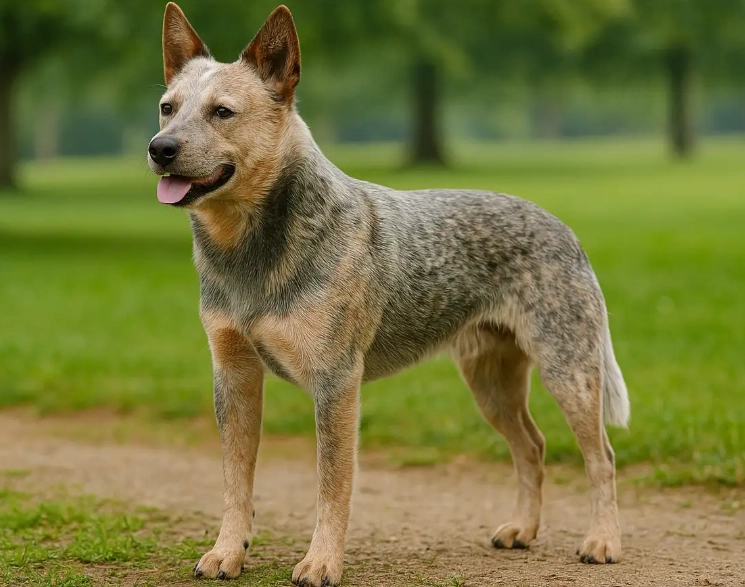
Where That Temperament Comes From: A History of Grit
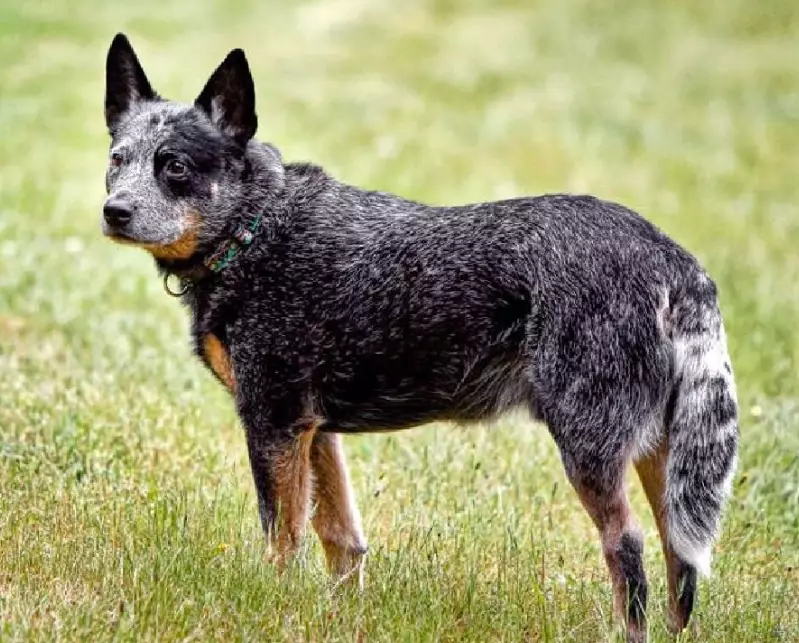
Dissecting the Core Australian Stumpy Tail Cattle Dog Personality
The Brilliant, Busy Mind
Loyalty That Runs Deep (And Sometimes Exclusive)
The Energy Reservoir That Never Empties
Independent Thinkers with a Willingness to Please (On Their Terms)
The Good, The Bad, and The Chewy: A Temperament Breakdown
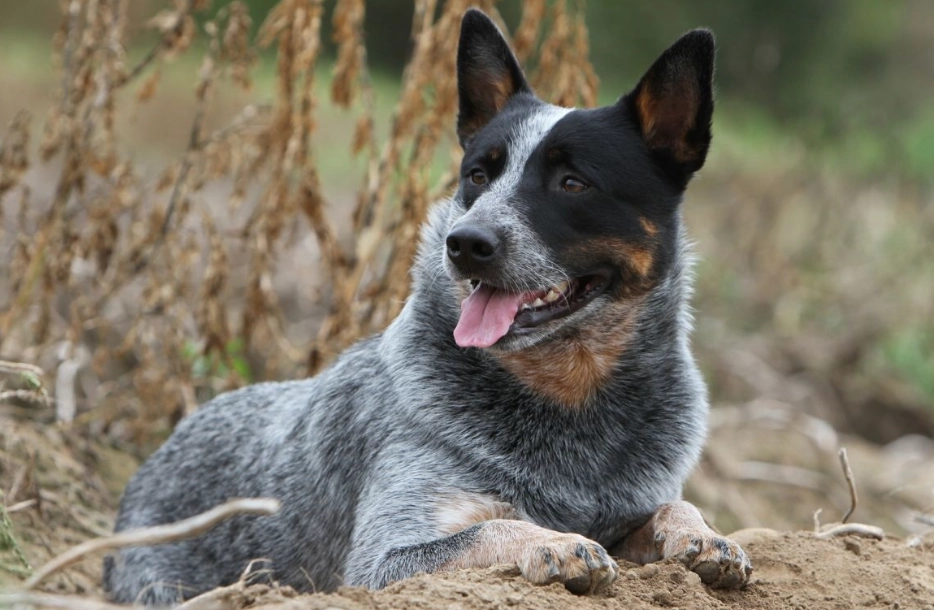
The Pros (The Amazing Bits) The Cons (The Challenges) Unshakeable Loyalty: You will have a shadow, a guardian, and a best friend who thinks you hung the moon. High Exercise Demands: This is a lifestyle, not a chore. Rain, shine, or your long work day – they need to burn energy. Keen Intelligence: Capable of learning complex tasks and thriving in dog sports like agility, obedience, and herding trials. Potential for Destructiveness: Boredom leads to chewing, digging, and escaping. Your garden and furniture are not safe if their needs aren't met. Natural Watchdog: Alert and observant. They'll let you know about anything unusual, though they are typically not nuisance barkers. Reserved with Strangers: Requires diligent socialization. May not be the dog that enjoys a busy dog park or a house full of constant guests. Robust Health & Stamina: A generally tough breed built for endurance, with fewer extreme brachycephalic or joint issues than some popular breeds. Strong Prey Drive: That herding instinct can extend to chasing bikes, cars, squirrels, and cats. Recall training is a safety must. Low-Grooming Needs: Their short, weather-resistant coat is easy to care for, a practical bonus. Need for Mental Work: Physical exercise alone won't tire them out. They need puzzles, training sessions, and jobs to do. Is a Stumpy Tail Cattle Dog Right For YOU? The Family Fit Test
The Ideal Stumpy Owner...
Think Twice If You...
Training & Socialization: Non-Negotiables for a Good Temperament
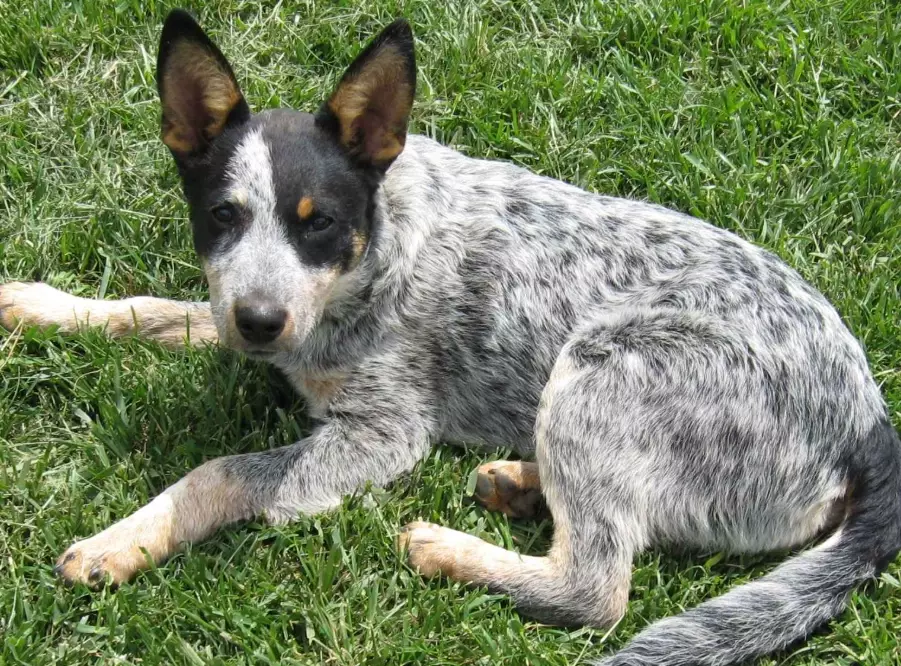
Training Philosophy: Be Smarter Than the Dog
The Socialization Must-Do List
Living with a Stumpy: Daily Life & Managing Energy
Health & Its Impact on Temperament
Australian Stumpy Tail Cattle Dog vs. Australian Cattle Dog (Heeler)
Your Questions Answered: Stumpy Tail Cattle Dog Temperament FAQ
Are Australian Stumpy Tail Cattle Dogs good family dogs?
Are they aggressive?
Can they live with other pets?
Do they bark a lot?
Are they easy to train?
Can a Stumpy be a good apartment dog?
Key Takeaway Right Up Front: The Stumpy Tail Cattle Dog is a brilliant, fiercely loyal, and energetic working breed. Their temperament is best suited for an active, engaged owner who can provide structure, purpose, and plenty of physical and mental exercise. They are not a generic "pet" dog.
Let's Be Real: I've spoken to owners who were overwhelmed. They loved the idea of a smart, active dog but underestimated the sheer, daily, non-negotiable commitment. One described his young Stumpy as "a furry tornado with a PhD in chaos" before they got into a serious dog sport routine. It's a common story.
I remember talking to a couple who got a Stumpy puppy because they loved how "unique" they looked. They lived in a townhouse and worked long hours. The puppy developed severe separation anxiety and chewed through a door. It was a heartbreaking mismatch. The dog was rehomed to a farm family and is now thriving. The breed's needs are simply non-negotiable.
Final Word: The Australian Stumpy Tail Cattle Dog temperament is not for everyone, and that's okay. For the person who can match their drive, appreciate their brilliant mind, and channel their energy into positive outlets, they offer a partnership like no other. They are a testament to function over form, a dog whose character is its most defining feature. Do your homework, be brutally honest about your lifestyle, and if you're the right fit, you'll gain a loyal, unforgettable companion for life.
Comment