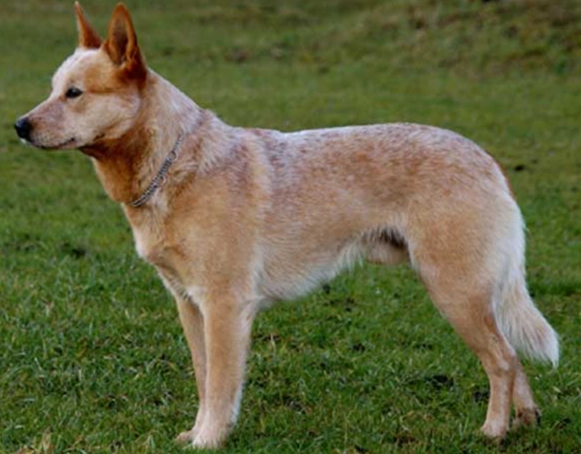
So you're curious about the Mottled Australian Stumpy Tail Cattle Dog. Maybe you saw a picture online, a stunning dog with a speckled blue or red coat and, well, a stumpy tail. It looks like a tough, no-nonsense working dog, but there's also an intelligent glint in its eye. I get it. I was in the same boat years ago, drawn in by their unique looks and reputation. But let me tell you, living with one is a whole different story compared to just admiring photos. This isn't your average suburban pet. The Australian Stumpy Tail Cattle Dog (often just called a "Stumpy") is a breed forged in the harsh Australian outback for one purpose: work. And the mottled variety, with its distinctive speckled or ticked pattern, is one of the most striking expressions of the breed. But is this the right dog for you? That's what we're going to unpack, layer by layer. We'll move past the basic breed descriptions you find everywhere and dig into the real, practical, sometimes gritty details of life with a Stumpy. Let's clear up the confusion right away. The "Mottled" part refers specifically to the coat color and pattern, not a separate breed. You'll sometimes see them called Blue Mottled or Red Mottled Stumpy Tail Cattle Dogs. This mottling, also called ticking or speckling, means the base white coat is covered in small, dense patches of colored hair, creating that beautiful salt-and-pepper or roan effect. It's different from the patched or spotted patterns you see in some other dogs. The other half of the name is the kicker: the stumpy tail. This isn't a docked tail. They are born with a naturally short tail, typically no longer than 10 cm (about 4 inches). It's a defining genetic trait. I remember the first time I saw one wag its whole rear end because the tail was too short to wag on its own – it's both comical and endearing. Compared to their more famous cousin, the Australian Cattle Dog (the "Heeler"), Stumpies are often described as slightly leggier, less heavily built, and with a more reserved, less reactive nature. But don't mistake reserved for lazy. The energy and drive are very much still there. The coat of a Mottled Australian Stumpy Tail Cattle Dog is a double coat – a dense, short undercoat for insulation and a hard, straight outer coat that's weather-resistant. It feels rough to the touch. This coat is surprisingly low-maintenance for how good it looks. It sheds dirt easily and doesn't require frequent bathing. But oh boy, do they shed. Twice a year, during "blow out" seasons, you'll be wondering where all the hair comes from. A good weekly brush with a slicker brush or undercoat rake will keep the loose hair under control and save your vacuum cleaner. The mottled pattern isn't just one color. It comes in two primary varieties, and the pattern can vary a lot from dog to dog. This table breaks down the official colorations as recognized by major kennel clubs like the ANKC and the Fédération Cynologique Internationale (FCI). You might also see non-mottled Stumpies, like solid red or blue with black markings, but the mottled ones are particularly iconic. I personally think the blue mottled ones, especially when they have darker heads, look like they've been dusted with coal dust. It's a rugged, working-dog beauty. This is the most critical section for any potential owner. If you get the temperament wrong, nothing else matters. The Mottled Australian Stumpy Tail Cattle Dog is not a golden retriever. They are not labs. They are thinkers, watchers, and doers. Their greatest strength is their intelligence and loyalty. A well-bred, well-socialized Stumpy forms an incredibly deep bond with its family. They are often "one-person" dogs, attaching themselves most strongly to their primary handler. They are perceptive to the point of being psychic about your routines and moods. My friend's Stumpy, for instance, knows the exact sound of his owner's car and is at the door waiting before it's even in the driveway. They have a strong herding instinct. This can manifest as nipping at heels (especially children running), circling people, or using their body to block or "herd" family members. Early training is non-negotiable to manage this instinct appropriately. Their wariness of strangers is another key trait. They are not typically outgoing, "love-everyone" dogs. They are aloof with strangers and can be protective. This makes early, positive, and ongoing socialization absolutely vital. You need to expose them to all sorts of people, places, sounds, and other animals in a calm, positive way to build their confidence. Without it, that wariness can tip into fearfulness or reactivity. And the energy. Let's talk about the energy. These dogs were bred to run cattle all day under the Australian sun. A 20-minute walk around the block is a warm-up, not exercise. They need vigorous, mind-engaging activity daily. We're talking long runs, hikes, advanced obedience, agility, herding trials, or fetch sessions that last until your arm gives out. The Mottled Australian Stumpy Tail Cattle Dog is generally a robust, healthy breed with a lifespan of 12 to 15 years, sometimes longer. Their working dog origins selected for hardiness. However, like all breeds, they are prone to certain genetic conditions. Responsible breeders test their breeding stock to minimize these risks. Here are the main health considerations for a potential owner: It's crucial to ask any breeder for proof of health clearances for both parents. Don't just take their word for it. The OFA website is a public database where you can often verify these clearances yourself. Owning a Mottled Australian Stumpy Tail Cattle Dog is a lifestyle commitment. Let's break down what that really means day-to-day. This is the biggest hurdle for most people. Physical exercise alone isn't enough. They need mental exercise. A tired body is good, but a tired mind is essential. If you're a couch potato, this breed is not for you. It's that simple. Stumpies are sensitive and proud. They do not respond well to harsh, heavy-handed, or repetitive training. They will shut down or become defiant. Use high-value treats, praise, and play. Be clear, consistent, and fair. They want to understand the "why." Why should they sit? What's in it for them? Once they understand the rules and respect you as a fair leader, they will work for you with incredible focus and willingness. But they will test boundaries, especially as adolescents. Patience and a good sense of humor are required. Feed a high-quality diet appropriate for an active dog. Monitor their weight, as they can gain weight if under-exercised. The grooming is straightforward: weekly brushing, nail trims as needed, and regular teeth brushing. Check their ears weekly for dirt or wax buildup. Let's be brutally honest. This breed is not for everyone. In fact, it's probably not for most people. Ask yourself these questions: If you answered "no" to any of the first three questions, you should seriously reconsider. This dog will be miserable in a sedentary apartment life, and you will be frustrated by its resulting behavior. This is the most important step. A poorly bred Mottled Australian Stumpy Tail Cattle Dog from a backyard breeder or puppy mill is a recipe for disaster—exacerbating health and temperament problems. For a breeder: Look for those who are members of national breed clubs, like the Australian Stumpy Tail Cattle Dog Club of America or its equivalents in other countries. They should: For rescue: Breed-specific rescues are a wonderful option. Adult dogs often have known personalities, so you can better judge if they fit your life. The energy level of an adult may also be more apparent than in a puppy. Check with the national breed club, as they often run or can refer you to rescue networks. The Mottled Australian Stumpy Tail Cattle Dog is a magnificent, capable, and deeply loyal breed. Their striking mottled coat and unique tailless silhouette turn heads. But their beauty is more than fur-deep; it's in their unwavering focus and partnership with their human. However, they are a specialist tool, not a universal pet. In the right hands—an active, experienced, and committed owner who provides clear leadership, abundant activity, and meaningful work—they flourish into an unparalleled companion. In the wrong hands, they become frustrated, destructive, and a burden on the family and themselves. Choosing a dog is a big decision. For a breed like the Mottled Australian Stumpy Tail Cattle Dog, it's not just a decade-long commitment; it's a lifestyle choice. Make it with your eyes wide open.Quick Guide
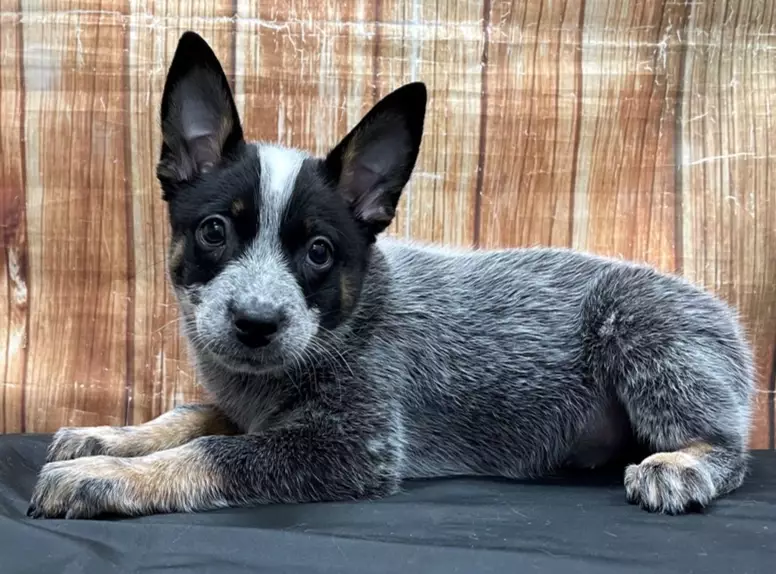
What Exactly Is a Mottled Australian Stumpy Tail Cattle Dog?
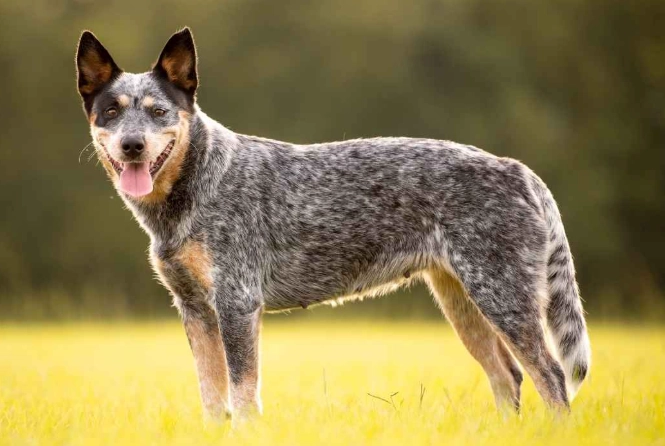
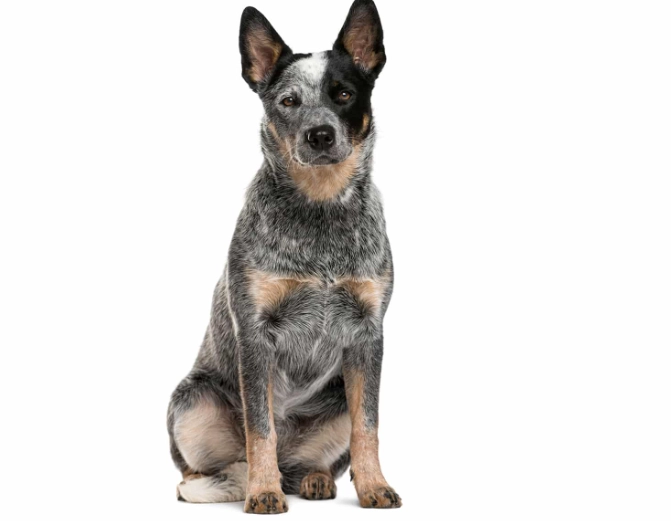
That Signature Look: Coat, Colors, and Grooming
Understanding Mottled Colors
Color Name
Description
Common Markings
Blue Mottled
The base is white with even black ticking/mottling throughout, giving an overall blue-grey appearance. The density of the ticking can vary.
May have black markings on the head, sometimes forming a "mask." Tan markings are unacceptable in the show ring for pure Blue.
Red Mottled
The base is white with even red ticking/mottling throughout, giving an overall red or peach-like roan appearance.
May have darker red markings on the head. Even, all-over ticking is preferred.
The Stumpy Temperament: Brain, Brawn, and Bond
Health and Lifespan: What to Expect
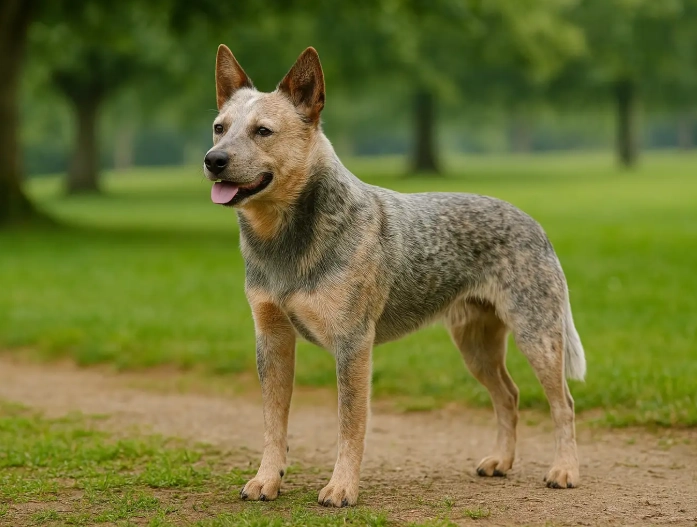
Care Requirements: More Than Just Food and Water
Exercise Needs (The Non-Negotiable)
Training Philosophy
Nutrition and Grooming
Is a Mottled Australian Stumpy Tail Cattle Dog Right For You? The Honest Checklist
Finding a Reputable Breeder or Rescue
Frequently Asked Questions (The Real Ones)
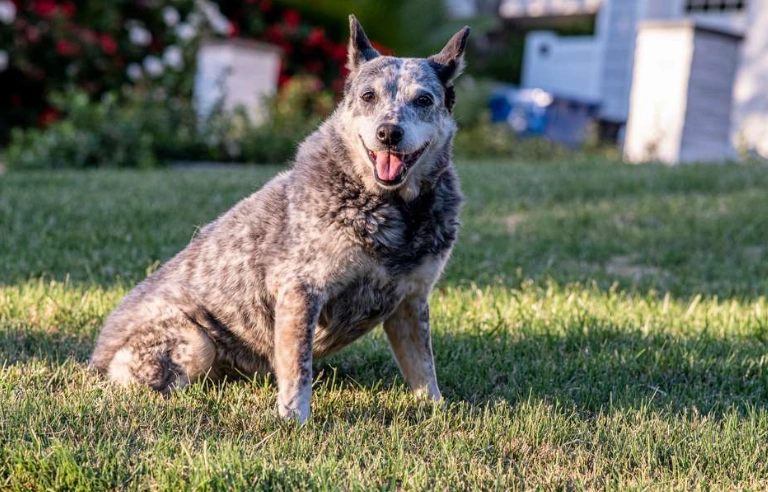
The Bottom Line
Quick History Lesson: The breed's development is a bit murky, but it's widely accepted they descended from crosses between native Australian Dingoes and imported British droving dogs (like the Smithfield) in the early 19th century. The goal was a hardy, heat-tolerant, and independent dog that could handle vast herds of cattle over long distances with minimal guidance. The Australian National Kennel Council (ANKC) is the primary registry for the breed in its homeland and provides the official breed standard. They were bred for utility, not for show, which explains a lot about their character.
Here's the flip side, the part many breed glossies downplay. That intelligence needs an outlet. A bored Stumpy is a destructive Stumpy. We're not talking about chewing a shoe. We're talking about redesigning your drywall, deconstructing your couch, or figuring out how to open cabinet latches. This is a breed that needs a job. If you don't give them one, they'll invent their own, and you probably won't like it.
I'll be honest, the first year with a high-drive working dog can be exhausting. It feels like all you do is exercise and train. But if you can meet their needs, the payoff is a companion of unparalleled loyalty and capability.
Positive reinforcement is the only way to go.
Are Mottled Australian Stumpy Tail Cattle Dogs good with kids?
They can be, but with major caveats. They do best with respectful, older children who understand dog boundaries. Their herding instinct can lead to nipping at running, squealing kids. Constant, supervised interaction and teaching both the dog and the children appropriate behavior is crucial. I would not recommend them for families with very young toddlers.
Do they get along with other pets?
With early socialization, they can live with other dogs, especially if raised together. However, their high drive and bossy nature can lead to conflicts with more submissive dogs. Their strong prey drive means cats, rabbits, or other small pets may be viewed as things to chase. Careful, managed introductions are a must.
Are they good for first-time dog owners?
In almost all cases, no. Their combination of high intelligence, energy, independence, and sensitivity makes them a challenging prospect for someone without experience in dog training and behavior. There are many wonderful breeds better suited to a novice home.
How much do they cost?
From a reputable breeder, expect to pay anywhere from $1,500 to $3,000 USD or more, depending on lineage, location, and health testing. The initial cost is just the beginning; factor in high-quality food, training classes, vet care, and enrichment toys.
Can they be left alone?
They bond very closely with their people and can develop separation anxiety if not taught from a young age to be comfortable alone. Crate training is highly recommended. Even then, leaving a high-energy working dog alone for a standard 8-9 hour workday is asking for trouble—both behaviorally and ethically. They need a midday break or a dog walker.
If, after reading all this, you're not just interested but genuinely excited by the challenge and the commitment, then you might just be the right person for a Stumpy. Start your search with the breed club, be patient, and prepare for one of the most rewarding relationships you can have with a dog. But if you have any doubts about meeting their needs, listen to that voice. There are many wonderful dogs out there who would be a better fit for a quieter life.
Comment