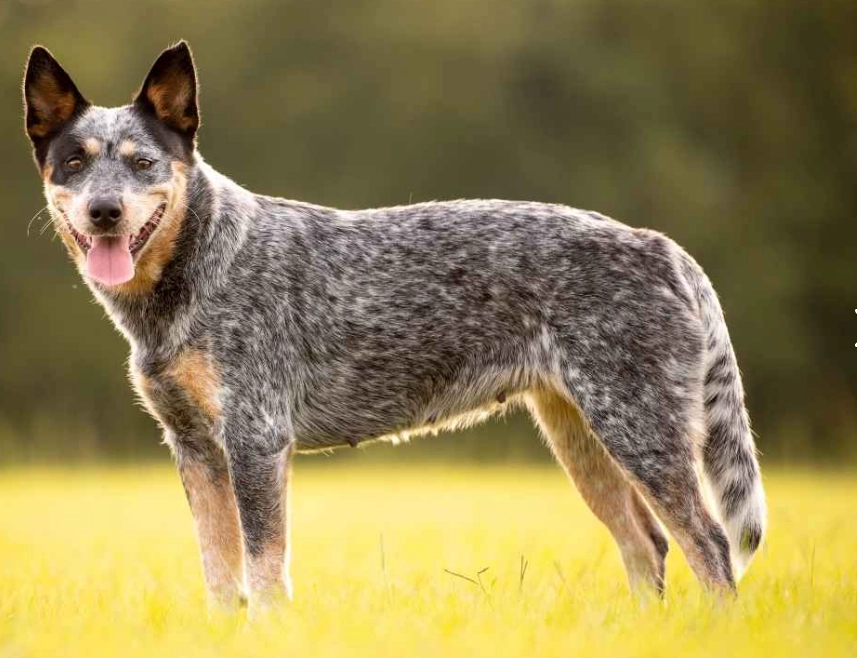
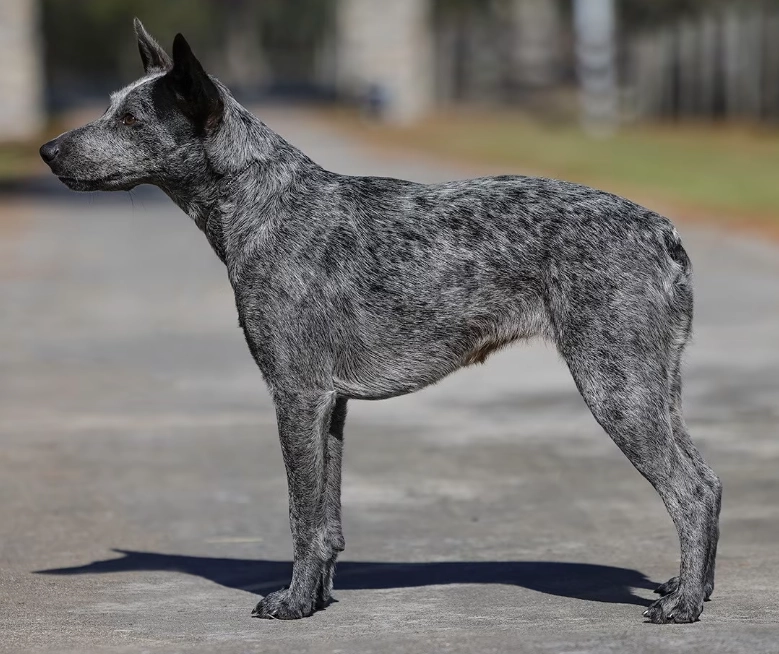
So, you've seen a picture of a sturdy, alert dog with a short tail and a keen expression, and you're wondering, "Are stumpy tail cattle dogs good pets?" Maybe you met one on a hike, or a friend has one. They look tough and smart, and there's something about that natural bobtail that catches the eye. Let's cut to the chase: the answer isn't a simple yes or no. It's a loud, resounding "it depends entirely on you." I've spent years around working breeds, and the Stumpy Tail Cattle Dog (STCD) is one of those dogs that people either adore for life or rehome within a year. There's rarely an in-between. This isn't a casual companion. This is a legacy of Australian outback stations, bred to work cattle from sunrise to sunset with relentless drive and intelligence. Thinking about getting one as a pet means you need to understand what you're signing up for, beyond just their unique look. This guide isn't going to sugarcoat things. We'll dig into the gritty details of their temperament, the sheer amount of activity they demand, and whether your lifestyle can actually make a Stumpy Tail Cattle Dog a good pet for your home. We'll look at the glorious highs and the frustrating lows, because owning one is a package deal. First, let's clear up the confusion. The Stumpy Tail Cattle Dog is a distinct breed from the more common Australian Cattle Dog (the "Blue Heeler" or "Red Heeler"). They share common ancestors (think: Dingoes, early herding dogs, and a dash of Dalmatian and Kelpie), but they were developed along slightly different lines. The Stumpy is generally leaner, more square-proportioned, and, as the name screams, is born with a naturally short tail that's usually no longer than 10 cm (about 4 inches). No docking needed. According to the Australian National Kennel Council (ANKC), the peak body for pedigree dogs in Australia, the breed standard describes them as "a working dog which is required to muster and move quiet or unruly cattle in all conditions." Every part of them is built for endurance and utility. Their coat is dense and straight, their ears prick up to catch every sound, and their gaze is intense. They were bred to think independently while moving stubborn cattle across vast distances. That independent streak doesn't just switch off when they come inside. Let's tackle the big one head-on. The suitability of a Stumpy Tail Cattle Dog as a pet hinges on matching their deep-seated needs with an owner's capability and lifestyle. It's a compatibility test. When the match is right, Stumpies are phenomenal companions. Here’s what makes advocates so passionate: This is the side prospective owners must seriously confront. Ignoring these points is why many Stumpies end up in rescue. See what I mean? It's a stark list. The joy of owning one is directly proportional to your ability to meet their needs. For the right person, the cons are just part of the deal, challenges to be managed. For the wrong person, they're a fast track to rehoming. Temperament is everything. The official breed standard from the American Kennel Club (AKC), which officially recognized the breed in 2020, describes them as "alert, watchful, obedient, and controllable, with a natural aptitude for working and driving cattle." Notice the words "controllable" and "obedient"—this assumes a skilled handler is on the other end of the leash. In a home environment, this translates to a dog that is deeply attached to its family but may be aloof or suspicious of visitors. They are often "one-person dogs," forming the strongest bond with the primary handler. They have a keen sense of fairness and can be sensitive to harsh treatment, shutting down or becoming resentful. I remember a friend's Stumpy who would give you the most soulful, intelligent gaze while also calculating how to steal your sandwich the second you looked away. They're clever, and they use it. Key Temperament Takeaway: The Stumpy Tail Cattle Dog temperament is best suited for an experienced dog owner who understands canine psychology and can provide firm, fair, and consistent leadership. They are not a beginner breed. If you're still asking "are stumpy tail cattle dogs good pets," you must internalize this section. Their exercise needs are not a suggestion. Think of it like this: owning a Stumpy is a lifestyle choice akin to training for a marathon. You need to build it into your daily routine. This is a major point of concern. The answer is a very cautious "yes, but with major caveats." With Children: Stumpies can be wonderful, protective playmates for older, respectful children (think 10+ years) who have been taught how to interact with dogs. However, their herding instinct is a real hazard with toddlers or young kids who run and squeal. The dog may chase and nip at their heels, which can be terrifying and dangerous for the child, even if the dog's intent is not to harm. Constant, direct supervision is mandatory. They are not a "set and forget" family dog for a busy household with little kids. With Other Pets: Early and extensive socialization is key. They can coexist with other dogs, especially if raised together, but their dominant nature can lead to conflicts. Their high prey drive makes cats, rabbits, or small furry pets a serious risk. They may see them as something to chase and potentially catch. Introducing an adult Stumpy to a home with existing small pets is generally not advised. One of the strong points in favor of Stumpy Tail Cattle Dogs as pets is their general good health. They are a functional breed without extreme features. The single most important thing you can do for health is to buy from a reputable breeder who does all this health testing and is open about results. It's your best shot at a healthy companion for 12-15 years. Let's make this crystal clear. This isn't about being a good person; it's about having the right lifestyle and mindset. If you see yourself more in the second list, please, for the dog's sake and your own sanity, consider a different breed. There are so many wonderful dogs that would thrive in a less intense environment. Training a Stumpy isn't optional; it's the foundation of a manageable relationship. They need to know the rules and see you as a trustworthy leader. Honestly, the training never really stops. It's an ongoing conversation with a very smart partner. You might find Stumpy Tail Cattle Dogs or mixes in rescue organizations, often because someone underestimated their needs. Adopting an adult can be rewarding, as you may get a clearer sense of their temperament. However, be prepared for potential behavioral issues stemming from a lack of early training or socialization. Ask the rescue many questions about the dog's history with kids, cats, and other dogs. If you choose a breeder, do your homework. A good breeder will interview you as thoroughly as you interview them. They will show you health clearances, introduce you to the puppy's parents (at least the mother), raise puppies in a home environment, and have a contract requiring you to return the dog to them if you can't keep it. They won't have multiple litters available at all times. Avoid puppy mills or backyard breeders at all costs—they are the source of many unhealthy, poorly-tempered dogs. After all this, where do we land? For the right owner—the active, experienced, dedicated individual or family who views dog ownership as a primary hobby and partnership—a Stumpy Tail Cattle Dog can be an exceptional pet. They offer unmatched loyalty, intelligence, and the satisfaction of collaborating with a truly capable canine mind. The bond is profound. For the average or first-time owner seeking a friendly, relaxed companion, a Stumpy Tail Cattle Dog would likely be a disastrous mismatch. Their needs are too specific, too intense, and too easily misunderstood. I'll leave you with this: I've seen the glow in an owner's eyes when their Stumpy nails an agility course, working in perfect sync with them. I've also seen the exhausted frustration of someone who just wanted a hiking buddy but got a four-legged tornado that rearranged their living room. The difference was entirely in the preparation and self-honesty of the human. So, are stumpy tail cattle dogs good pets? They can be one of the best. But they demand more than most are willing or able to give. Look at your life, be brutally honest, and choose accordingly. The dog's future happiness depends on it.Quick Navigation
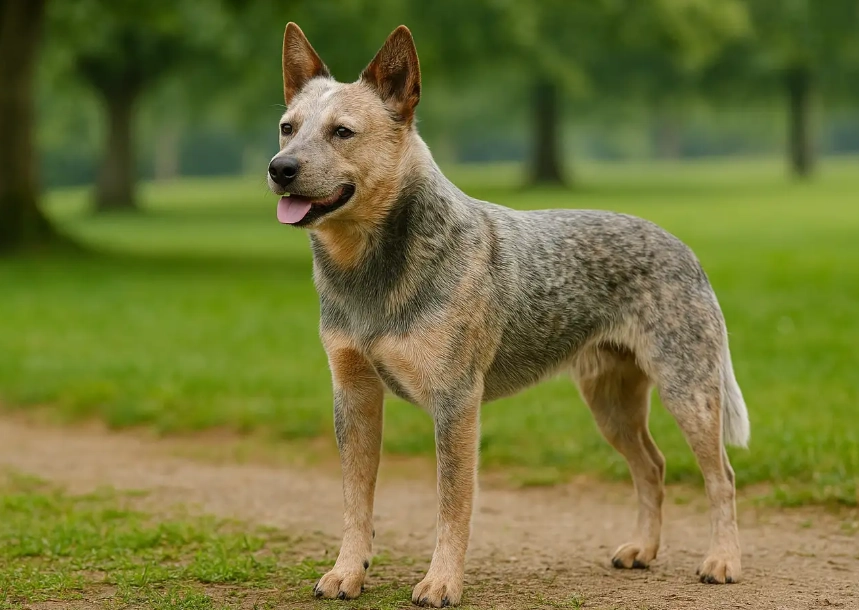
What Exactly Is a Stumpy Tail Cattle Dog?
The Core Question: Are Stumpy Tail Cattle Dogs Good Pets?
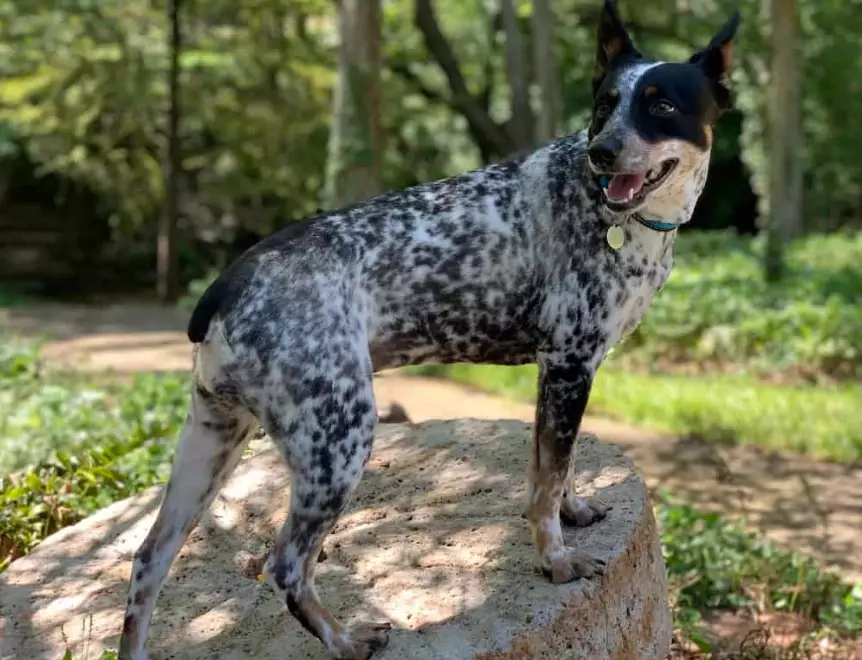
The "Good Pet" Arguments (The Pros)
The "Challenging Pet" Arguments (The Cons)
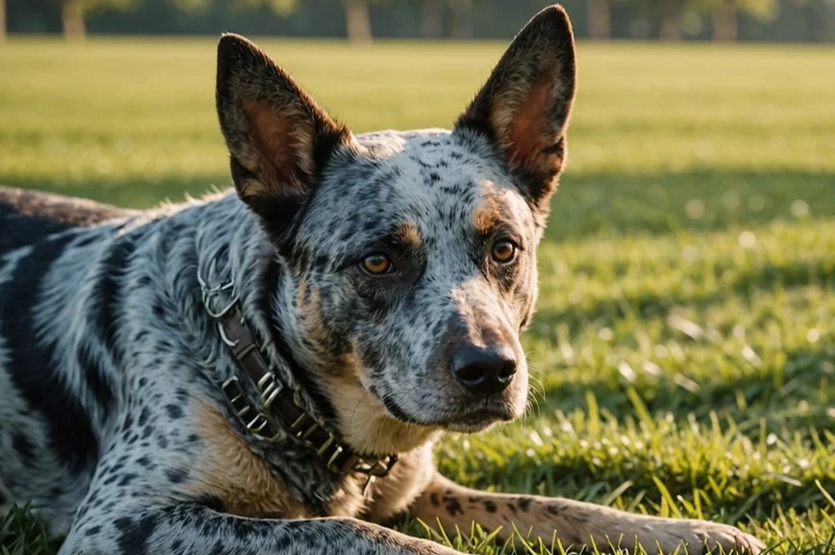
Breaking It Down: The Stumpy Tail Cattle Dog Temperament
Exercise & Mental Stimulation: Non-Negotiable Requirements
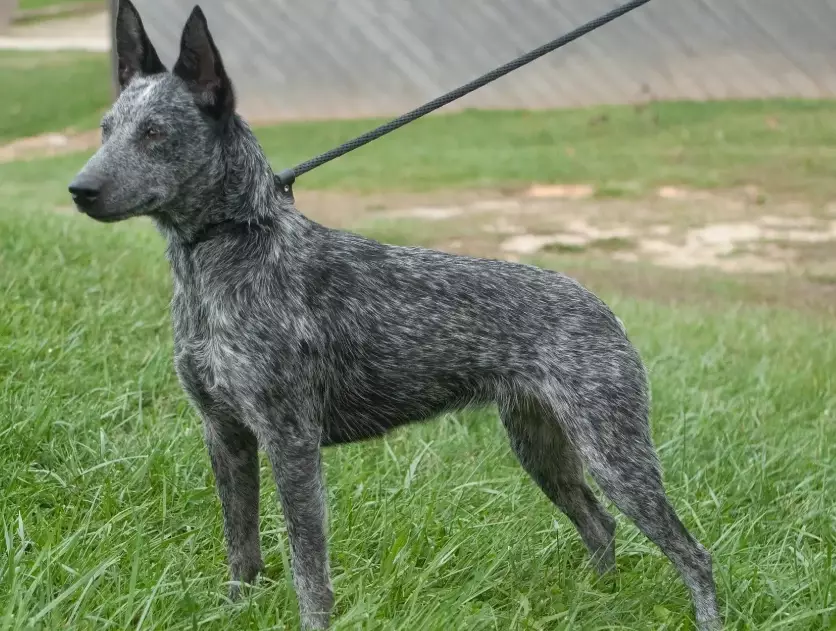
Are They Good Family Dogs? With Kids & Other Pets?
Health & Lifespan: What to Expect
Health Consideration
Details & Prevalence
What Owners Should Do
Primary Lens Luxation (PLL)
A genetic condition where the lens of the eye dislocates. It is a known concern in the breed.
Reputable breeders test their breeding stock for the PLL gene (via a DNA test). Ask to see clear results for both parents.
Hip Dysplasia
Like many medium-sized breeds, it's a potential risk, though less common than in some others.
Breeders should have hip scores from official bodies like the Orthopedic Foundation for Animals (OFA).
Deafness
Can occur, particularly in dogs with excessive white in their coat.
Responsible breeders perform BAER (hearing) tests on puppies.
Progressive Retinal Atrophy (PRA)
Another inherited eye disease that can lead to blindness.
Again, ask for proof of genetic testing from the breeder.
General Robustness
Typically a very hardy breed with good stamina and few allergies or digestive issues.
Maintain a healthy weight, provide quality food, and ensure regular veterinary check-ups.
The Ideal Owner vs. The Wrong Owner
The Ideal Stumpy Tail Cattle Dog Owner...
A Stumpy Tail Cattle Dog is Likely the WRONG Pet For...
Training & Socialization: The Make-or-Break Factors
Adoption vs. Buying from a Breeder
Common Questions (FAQ)
Final Verdict: So, Are Stumpy Tail Cattle Dogs Good Pets?
Are Stumpy Tail Cattle Dogs aggressive?
They are not inherently aggressive, but they are inherently protective and wary. Without proper socialization and training, this wariness can develop into fear-based reactivity or aggression. In the right hands, they are controlled and discerning.
Can they be left alone during the workday?
Not ideally, and certainly not for a full 8-9 hour day, especially as puppies or young adults. A bored, under-exercised Stumpy left alone will find destructive ways to entertain itself. If you work full-time outside the home, you need a robust plan: dog walkers, daycare, or a trusted neighbor to provide a major midday activity break.
Are they easier than Australian Cattle Dogs?
Some breed enthusiasts argue Stumpies can be slightly more reserved and a bit less "in-your-face" intense than some Australian Cattle Dogs, but the difference is marginal. Both have extremely high demands for activity and mental work. You can't go wrong with either if you're the right owner, and you won't find either easy if you're not.
Do they shed a lot?
They have a double coat and shed year-round, with heavier "blowing" of their undercoat once or twice a year. Regular brushing helps manage it, but expect dog hair on your clothes and furniture.
Comment