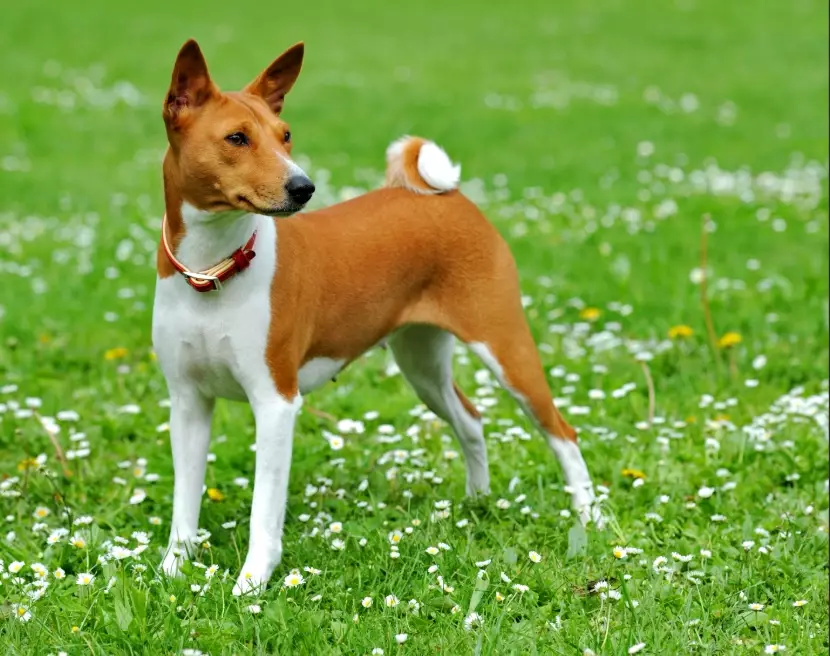
Let's get straight to the point. The question "Are Basenjis good house dogs?" doesn't have a simple yes or no answer. It's more accurate to ask: "Is my house and lifestyle good for a Basenji?" I've been around dogs my whole life, worked with rescues, and have seen plenty of Basenjis come and go from homes that thought they were getting a quiet, low-maintenance companion. Often, they weren't. The Basenji, often called the "barkless dog," is one of the most fascinating and misunderstood breeds out there. They can be incredible, affectionate, and clean housemates. They can also be stubborn, destructive escape artists if their needs aren't met. This guide isn't about selling you on the breed; it's about giving you the real, sometimes messy picture so you can make an informed decision. Forget what you read on generic breed sites. A Basenji's temperament is a unique cocktail of traits that directly impacts their suitability as a house dog. They are quiet, but not silent. This is the biggest myth. They don't have a conventional bark, but they are far from mute. They produce a range of sounds: a unique yodel or chortle (often when excited), whines, and even screams. One owner described her Basenji's "happy hour" as a series of melodious, almost alien-like trills every evening. It's charming until you realize it's their primary way of vocalizing frustration, demand, or joy. If you crave absolute quiet, think again. Cat-like independence is real. They form deep bonds but on their terms. Don't expect a Labrador's constant shadow. A Basenji will often choose a sunny spot on the couch over your lap. They groom themselves fastidiously, much like a cat, which is a huge plus for cleanliness in the house. This independence translates to a famous stubborn streak. They ask "why?" to every command. Motivation is key—they work for rewards, not out of a desire to please. The prey drive is no joke. Bred as hunting dogs in Central Africa, the chase instinct is hardwired. Squirrels, rabbits, even fast-moving cats or small dogs can trigger a lightning-fast sprint. This means secure, tall fencing is non-negotiable. A six-foot fence is the bare minimum, and even then, some are known to climb. Off-leash in an unsecured area is a recipe for a lost dog. Let's break it down visually. This isn't about good vs. bad, but about matching their traits to your reality. So, who is the ideal Basenji household? It's less about the type of house and more about the people in it. You need an active lifestyle, not just an active intention. Think about your typical Tuesday. Can you commit to a long, fast-paced walk or run in the morning and an engaging play/training session in the evening? If your job keeps you out of the house for 10 hours straight, a Basenji will likely express its frustration on your baseboards or sofa. Doggy daycare can be a solution, but not all Basenjis enjoy the chaotic social scene. A house with a securely fenced yard is ideal. The fence must be tall (6ft+) and dug into the ground or have an apron, as some will dig to escape. For apartment dwellers, it's absolutely doable, but it shifts the exercise burden entirely onto you. Multiple daily leash walks and trips to secure, fenced areas are mandatory. Basenjis are curious and will counter-surf, so a tidy kitchen is a safer kitchen. Basenjis can do well with respectful, older children who understand how to interact with an independent dog. They are not naturally "plush-toy" tolerant and may nip if pestered. With toddlers or very young kids, the risk of a quick, corrective nip is higher. As for other dogs, they often prefer the company of other Basenjis or dogs with similar play styles. Introducing an adult Basenji to a resident cat is a gamble; raising them together from puppyhood has better odds. A quick story: I knew a couple who got a Basenji for their quiet condo life, attracted by the "quiet" label. They were dedicated walkers. The dog was physically tired but mentally bored. It started opening kitchen cabinets and systematically pulling out pots and pans. The solution wasn't more walking; it was teaching him to use a snuffle mat, providing frozen Kongs, and doing 5-minute "find the treat" scent games. Mental exhaustion is just as critical as physical. Training a Basenji is less about obedience and more about cooperative management. You're negotiating with a clever partner. Start with socialization, not just commands. The critical window is before 16 weeks. Expose them positively to every sight and sound you can: vacuums, umbrellas, people in hats, different floor surfaces, cars. A well-socialized Basenji is more adaptable and less prone to fear-based reactivity, which makes them much better housemates. Master the "Trade" game. They are prone to resource guarding. If they pick up a sock, don't chase. Offer a high-value treat to trade. This builds trust that you're not a thief, preventing defensive behavior in the home. Crate training is your best friend. It provides a safe den and prevents mischief when unsupervised. Make it a positive space with comfy bedding and special chews. A common mistake is using the crate as punishment—that will backfire instantly. Recall is a lifelong project. Never trust their recall 100% in an unsecured area. Use a long line (30-50 ft) in safe spaces to practice. Their recall cue should be the most exciting sound in the world, associated with the best treats. Even then, a darting squirrel may win.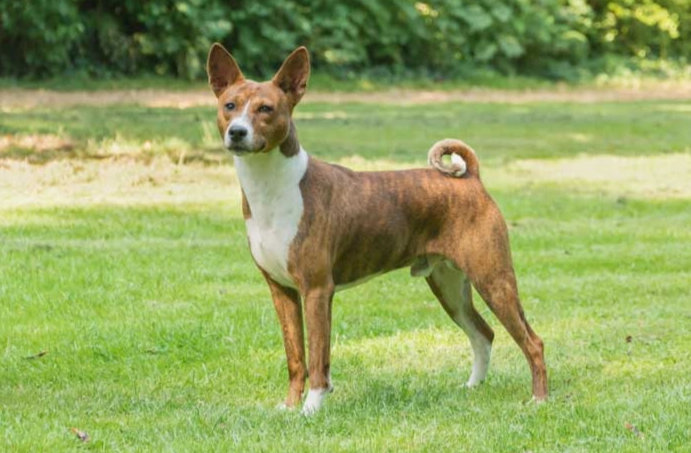
What's in This Guide?
The Basenji Personality: Unpacked

The Ultimate Pros & Cons for Your Household
The Pros (Why They Can Be Great House Dogs)
Clean & Low Odor
They groom themselves constantly, like cats. They have short, fine coats and produce very little "doggy" smell. Shedding is minimal and manageable with weekly brushing.
Generally Quiet
No nuisance barking at the mailman or neighbors. This makes them excellent candidates for apartments or close-quarter living, provided their exercise needs are met.
Compact Size
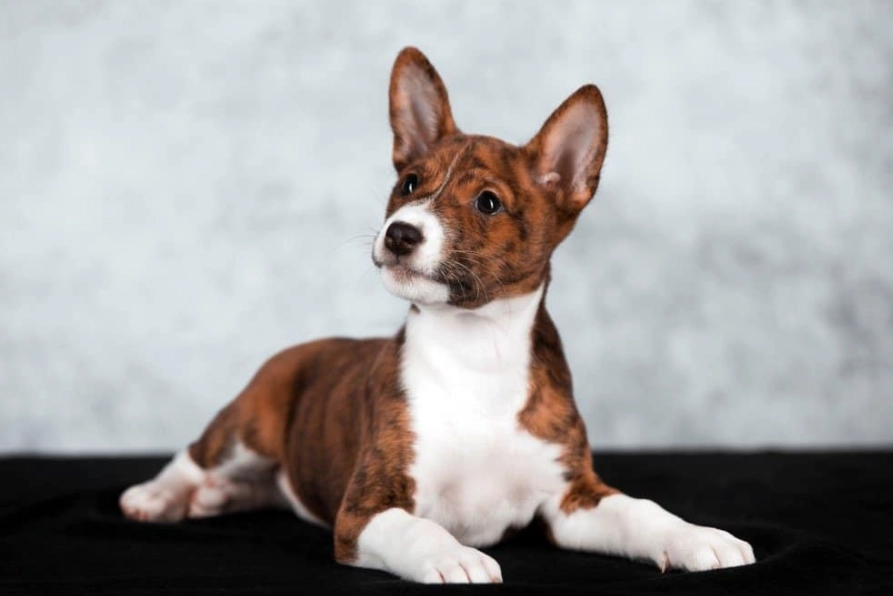
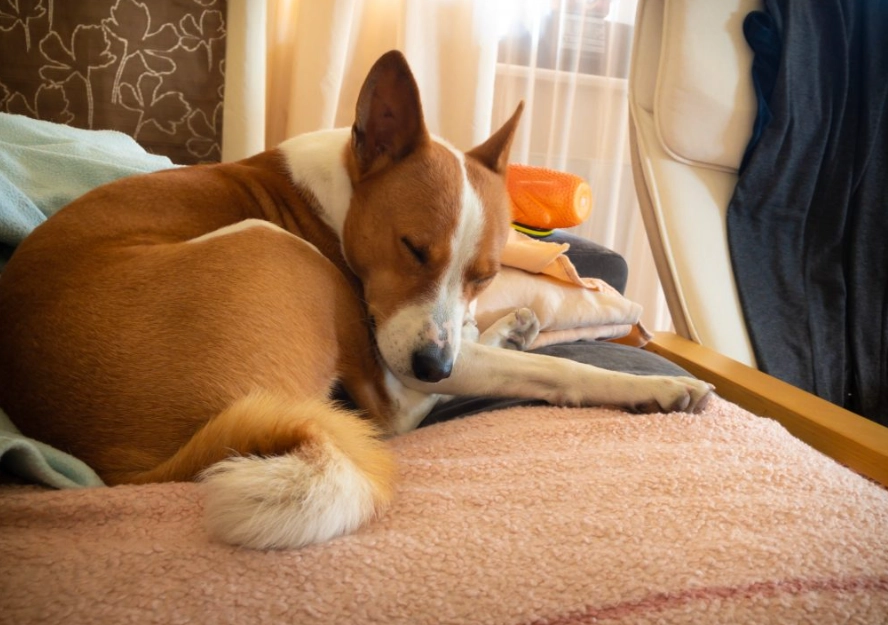
Typically 22-24 pounds, they don't take up much space. They're agile and can curl into a surprisingly small ball for napping.
High Intelligence & Problem-Solving
Watching a Basenji figure out a puzzle toy or a gate latch is fascinating. They keep you on your toes.
The Cons (The Potential Dealbreakers)
High Physical & Mental Energy
A bored Basenji is a destructive Basenji. They need at least 60-90 minutes of vigorous activity daily (running, hiking, lure coursing) plus mental puzzles. A simple walk won't cut it.
Escape Artists
Their intelligence and athleticism combine for great escapes. They will test fences, open doors, and slip collars. Secure containment is a constant priority.
Stubborn & Independent
Training requires immense patience and creativity. They don't respond to harsh methods. Recall can be unreliable if something more interesting is nearby.
High Prey Drive
Living peacefully with small pets (rabbits, guinea pigs, cats they weren't raised with) is often impossible. Dog parks can be risky if small dogs trigger their chase instinct.
Key Factors That Determine the Fit
Your Lifestyle: The Non-Negotiables
Your Home Environment: Safety First
Your Family Situation
Training a Basenji for Life Inside Your Home
Your Basenji Questions, Answered
 So, are Basenjis good house dogs? For the right person—an active, patient, and engaged owner who appreciates a clever, clean, and characterful companion—they can be phenomenal. They offer a unique, often quiet, and deeply rewarding partnership. For someone wanting a cuddly, eager-to-please, low-energy dog that can roam off-leash, they would be a frustrating mismatch. Look beyond the "barkless" label. See the whole dog: the athlete, the thinker, the independent spirit. If that picture fits into your life, you might just find your perfect, if unconventional, housemate.
I live in an apartment. Is a Basenji really a good idea?
It can work, but it's an advanced-level dog ownership challenge. The lack of a yard means you are their sole source of exercise and stimulation. You must commit to multiple outings daily, rain or shine. Mental enrichment inside the apartment (puzzle feeders, training games, chew toys) is non-negotiable to prevent boredom barking (or yodeling) and destruction. A first-time dog owner in a small apartment should probably look at a less demanding breed.
Are Basenjis good with cats?
It's one of the biggest risks. Their prey drive is strong. If you have a resident cat, introducing an adult Basenji is very risky. If you get a Basenji puppy and raise it with a calm, cat-savvy adult cat, the odds improve significantly. However, you should never leave them unsupervised together, and always provide the cat with plenty of high escape routes and safe zones the dog cannot access. The cat's personality is as important as the dog's.
How do you handle their stubbornness during training?
You have to shift your mindset from "trainer" to "motivator." Find what they value most—it might be a specific treat (freeze-dried liver often works), a favorite toy, or even access to a sniffing spot. Keep sessions very short (2-3 minutes), fun, and end on a success. If they shut down or walk away, they're bored or confused. Force doesn't work; it just breaks trust. The goal is to make them think cooperating with you is the most rewarding choice.
What's the biggest mistake new Basenji owners make?
Underestimating their need for both physical AND mental exercise, and overestimating the reliability of their recall. People see a sleek, medium-sized dog and think "moderate energy." Then they're shocked by the chewed drywall or the dog that takes off after a deer and ignores their frantic calls. The second big mistake is not having a secure, Basenji-proofed containment system from day one.
Comment