Let's cut to the chase. The Anatolian Shepherd Dog has a formidable bite force, often estimated around 700 pounds per square inch (PSI). That number gets thrown around a lot, usually followed by a gasp. But if you're here just for that stat, you're missing the entire story. As someone who's worked with livestock guardian breeds for over a decade, I can tell you that fixating on the PSI number is the biggest mistake prospective owners make. It's not about how hard they can bite; it's about why they might, and more importantly, how you ensure they never feel the need to.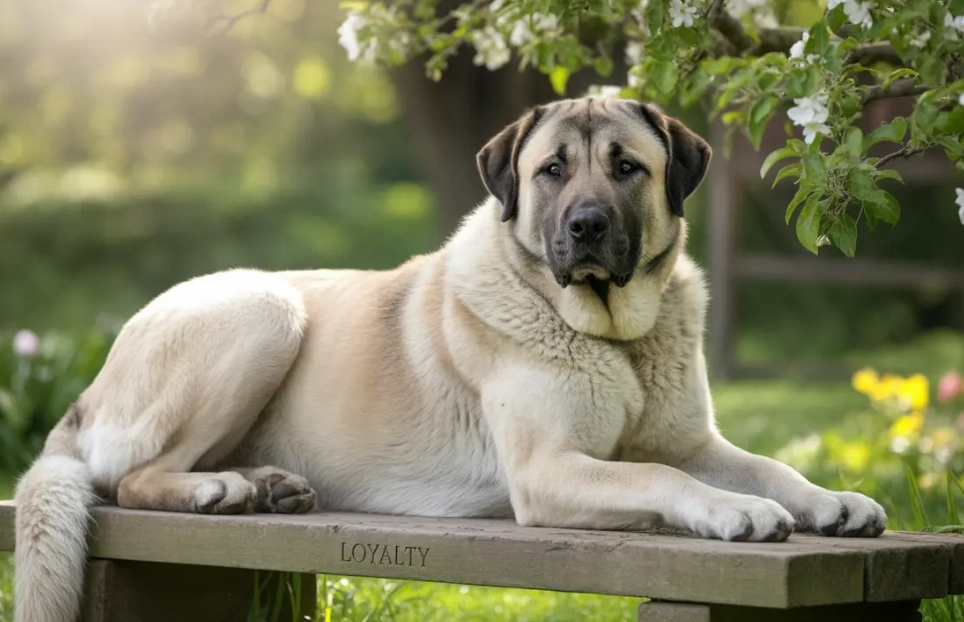
In This Article
How Bite Force is Measured (And Why It's Tricky)
First, a reality check. That 700 PSI figure isn't from an official Anatolian Shepherd study published in a veterinary journal. There's no standardized, peer-reviewed test where hundreds of dogs calmly chomp on a meter. Most bite force estimates for dogs, including the Anatolian, are extrapolations. Researchers look at skull morphology, jaw muscle mass, and leverage points, then compare them to species that have been tested, like big cats or other canids.
The American Kennel Club (AKC) and other breed authorities describe the Anatolian as powerful and capable of great force, but they don't publish PSI numbers. The estimates come from canine biomechanics experts. Dr. Brady Barr of National Geographic has done work on bite forces, and while his focus was often on wild animals, the methodologies inform how we understand domestic breeds.
So, we work with the best estimates we have. And the consensus places the Anatolian Shepherd's bite strength in the upper echelon of domestic dogs, comparable to other large guardian and mastiff-type breeds.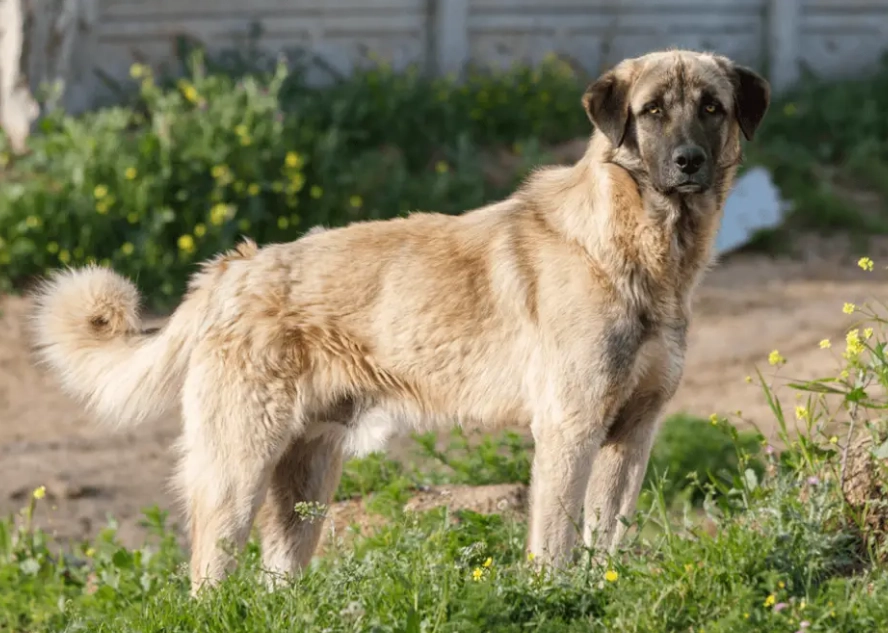
Key Takeaway: The 700 PSI is a strong, educated estimate, not a certified lab result. The exact number matters less than understanding its implications.
How Does the Anatolian Shepherd Compare?
Context is everything. Here’s how the Anatolian’s estimated bite stacks up against other well-known breeds. Remember, these are also estimates within a range.
| Breed | Estimated Bite Force (PSI) | Primary Historical Role |
|---|---|---|
| Anatolian Shepherd Dog | ~700 PSI | Livestock Guardian |
| Kangal (often conflated with Anatolian) | ~743 PSI (often cited) | Livestock Guardian |
| Mastiff / English Mastiff | ~550 - 700 PSI | Guardian, War Dog |
| Rottweiler | ~328 PSI | Drover, Guardian |
| German Shepherd | ~238 PSI | Herding, Multipurpose Work |
| American Pit Bull Terrier | ~235 PSI | Tenacity (historically) |
| Human | ~120-140 PSI | N/A |
See the pattern? The breeds with the highest estimates are large, powerful guardians bred for independent work and deterring large predators. The Anatolian's bite is a tool for a specific job: stopping wolves, bears, and coyotes with minimal effort.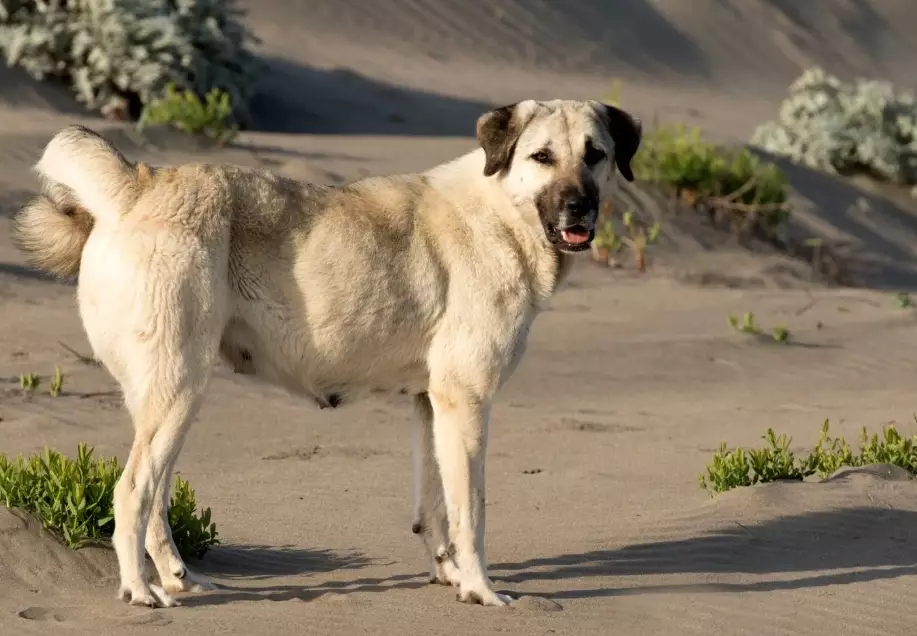
What 700 PSI Actually Means for Owners
This is the heart of it. A powerful bite force in a dog like the Anatolian Shepherd isn't an indicator of aggression. It's an indicator of capability. These dogs were bred to think for themselves and neutralize threats to their flock with decisive power. In a modern home, this translates to a few non-negotiable truths.
Their bite is a last resort, but it's a devastatingly effective one. They have a high bite inhibition towards their charges (sheep, goats, even children they see as theirs), but not necessarily towards perceived intruders. This is a crucial distinction. An Anatolian might gently carry a stray chick in its mouth but react very differently to a stranger climbing your fence at night.
The real risk isn't a dog that bites randomly. It's a mismatch between the dog's genetics and its environment. An Anatolian Shepherd with poor socialization, inadequate training, or pent-up energy in a suburban backyard is a potential liability. Their strength means any behavioral issue is magnified.
I've seen owners get complacent because their Anatolian is a "gentle giant" with the family. That's the breed standard. The test is how they react to the unexpected stressor—the delivery person who gets too close, the off-leash dog that runs into your yard, the jogger who surprises you around a corner. With 700 PSI of potential force, how you prepare for those moments is everything.
Training and Managing an Anatolian Shepherd
You don't train an Anatolian like you train a Labrador. Obedience for obedience's sake often fails. You need to work with their intelligence and independence. The goal is to make yourself the most valuable part of their "flock" and the ultimate source of decision-making guidance.
Socialization is Non-Optional, Not Just a Puppy Phase: From 8 weeks to 2 years and beyond, expose them positively to every sight, sound, and scenario you can. Men with hats, bicycles, skateboards, other animals, crowds, vacuums. Do it calmly. The goal isn't to make them greet everyone; it's to make novel things boring, not threatening. A common mistake is stopping socialization at 6 months. For a slow-maturing guardian breed, you need to continue reinforcing positive associations for years.
Focus on Impulse Control and Boundaries: "Leave it," "wait," and a rock-solid recall (in safe, enclosed areas) are life-saving commands. Teach them that not every moving thing needs to be investigated or challenged. Use high-value treats and patience. Their independent streak means they'll question "why" they should listen. You need a better reason than "because I said so." Show them that cooperation pays off.
Provide a Clear Job: A bored Anatolian is a destructive Anatolian. Their job can be guarding your property (their innate drive), advanced nose work, long hikes with a backpack, or structured obedience/rally. Mental stimulation tires them out as much as physical exercise.
Secure Containment is a Moral Obligation: A 5-foot fence is a suggestion to an Anatolian. You need a minimum 6-foot, sturdy fence with secure gates. They are phenomenal climbers and diggers. Regularly inspect your perimeter. Never trust an invisible fence with this breed; the desire to chase off a threat will override the shock, and you'll have an uncontained, highly driven dog in a stressful situation.
Common Myths and Misconceptions
Myth 1: "They have the strongest bite of any dog." This is false. While their bite is extremely powerful, breeds like the Kangal (a close cousin sometimes considered the same breed in some registries) and certain mastiff types are estimated in similar or slightly higher ranges. The "world's strongest" title is murky and depends on measurement methods.
Myth 2: "A high bite force means they're dangerous." This confuses capability with temperament. A well-bred, well-raised Anatolian is famously calm, dignified, and devoted to its family. The bite force is a relic of its working past, not a predictor of behavior in a stable environment.
Myth 3: "You need to use harsh training methods to control such a strong dog." This is the fastest way to create a fearful or aggressive dog. Positive reinforcement, consistency, and respect build trust. Dominance-based training can trigger their defensive instincts, leading to a breakdown in the relationship and potentially dangerous confrontations.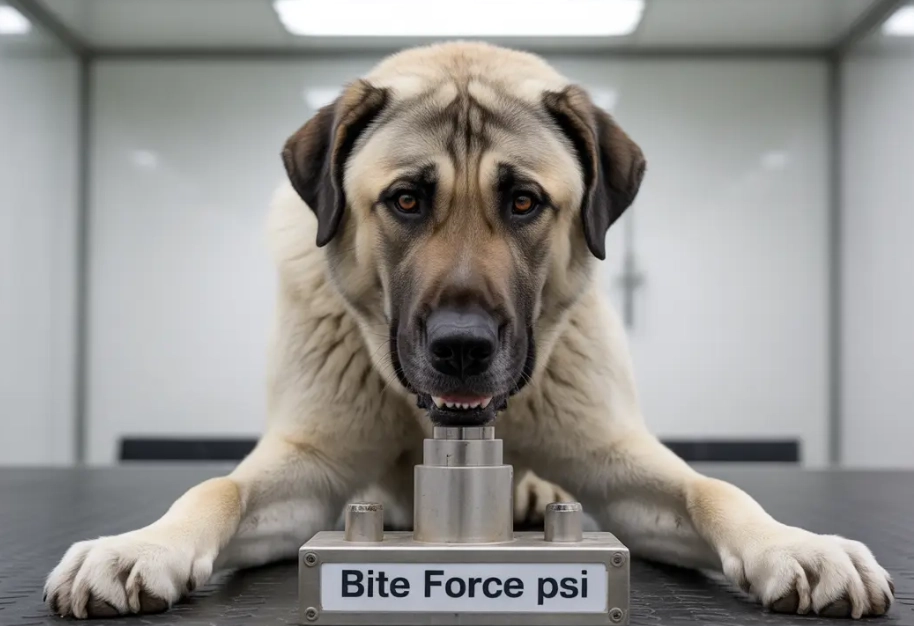
A Real-World Scenario: Is This Dog Right for You?
Let's get specific. Imagine you're on 5 acres, have a few goats, and are having coyote problems. You're considering an Anatolian Shepherd.
The Right Fit: You work from home or are on the property most of the time. You have a fully secured 6-foot fence around your house yard for initial training and bonding. You're committed to a 12-week professional puppy socialization class and ongoing training. You understand the dog will bark at night (that's the job). You see the dog as a working partner, not just a pet. In this case, the dog's bite force is a functional asset—a deterrent that works mostly by presence, but with the capability to back it up if absolutely necessary.
The Wrong Fit: You live in a suburb, work 9-to-5, and want a dog to lounge with. You have a 4-foot decorative fence. You have frequent parties with new guests. You get annoyed by barking. Here, the dog's natural instincts become a source of frustration and risk. The bite force isn't an asset; it's a potential crisis waiting for a trigger. The dog would be chronically stressed, under-stimulated, and set up to fail.
Which scenario sounds like you? Be brutally honest.
Your Questions Answered
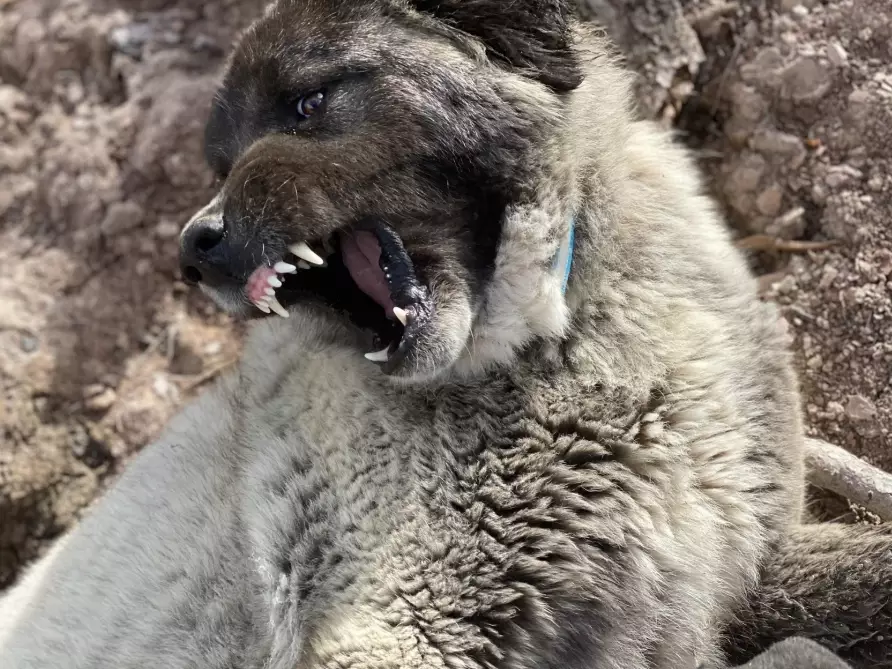 The bottom line on Anatolian Shepherd bite force is this: respect the capability, but focus on the dog. That 700 PSI is a static number. The living, breathing animal is shaped by genetics, upbringing, and environment. Your job is to shape an environment where that incredible power remains a dormant tool, never needed, always respected. Do that, and you'll have one of the most loyal and impressive companions imaginable. Fail at it, and the consequences can be tragic for everyone involved.
Reader Comments