You've seen the pictures. Those soulful brown eyes, the floppy ears, the compact little body. The idea of a Beagle puppy trotting around your home is incredibly appealing. I get it. I've been there. But before you get lost in that daydream, let's talk about what it's really like. This isn't just another generic breed overview. This is the guide I wish I had when I brought home my first Beagle, Baxter, over a decade ago. We'll cut through the cute and get to the core of raising a happy, well-adjusted (and not totally destructive) Beagle puppy.
Your Quick Beagle Puppy Roadmap
The Real Beagle Puppy Personality: More Than Just Snoopy
Everyone knows Beagles are friendly. That part is true. But "friendly" is a massive understatement. A Beagle puppy sees the world as one giant, sniffable friend. This is their greatest strength and your biggest early challenge.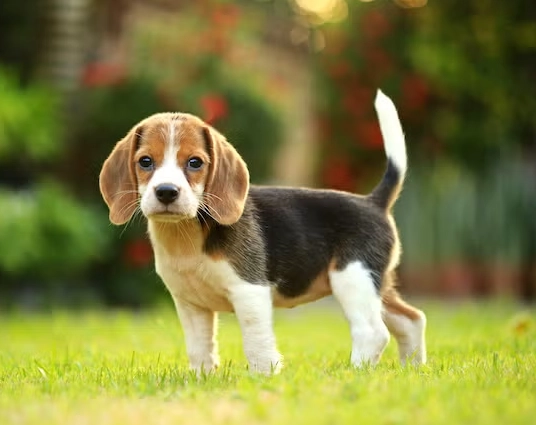
Their nose is in charge. The official breed standard from the American Kennel Club (AKC) describes them as a "merry" hound, bred for hunting hare. In puppy terms, this means their primary mode of operation is: SNIFF -> FOLLOW -> IGNORE YOU. Recall training isn't just useful; it's a survival skill for off-leash hopes.
Then there's the voice. Beagles don't just bark; they have a repertoire. The classic bay (a long, musical howl), the alert bark, and the frustrated whine. In an apartment, this can be a deal-breaker with neighbors. It's not malice; it's genetics. They were bred to communicate with hunters over distance.
Key Takeaway: The "merry" personality means they are upbeat and playful, but it doesn't mean they are pushovers to train. Their independence is legendary. If you want a dog that aims to please above all else, you might find a Beagle puppy frustrating. If you want a clever, food-motivated partner with a mind of its own, you're on the right track.
The First Few Weeks: Your Beagle Puppy Setup & Essentials
Bringing your puppy home is chaos. Having the right stuff dialed in beforehand saves your sanity and your baseboards.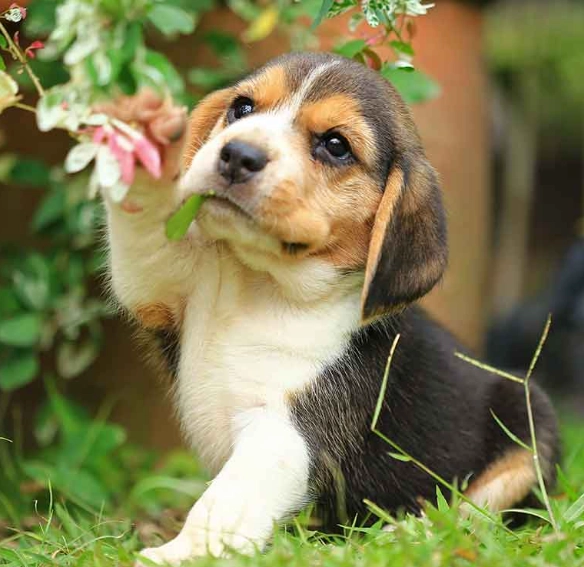
Non-Negotiable Gear
A seriously sturdy crate. Not flimsy wire. Get one with a solid plastic tray. Beagle puppies are escape artists and will bend weak metal. The crate is not a punishment; it's their den and your tool for housebreaking and preventing midnight mischief.
A harness, not a collar. Their instinct to pull and follow a scent is immense. A collar puts pressure on their trachea. A front-clip harness gives you control without harming them. Get one they can't wiggle out of.
Puzzle toys. Lots of them. A bored Beagle is a destructive Beagle. Kibble in a bowl is a wasted mental stimulation opportunity. Use a snuffle mat, a Kong wobbler, or a treat-dispensing ball for every meal.
The First 72-Hour Schedule
Forget trying to establish a perfect routine day one. Your goal is survival and bonding.
- Hour 1: Carry puppy straight to your chosen potty spot (grass pad on balcony or yard). Let them sniff. Praise massively if they go. No play until business is done.
- Feeding: Stick to the breeder's food and schedule initially to avoid stomach upset. Usually 3-4 small meals a day for an 8-week-old puppy.
- Sleep: They need 18-20 hours. Expect crying the first few nights. Have the crate right next to your bed. Your nearby scent is comforting. I used a warm (not hot) water bottle wrapped in a towel for Baxter.
- Supervision: If they're not in the crate, they are 100% in your eyesight. This is how you prevent accidents and learn their "I need to go" signals (sniffing circles, suddenly stopping play).
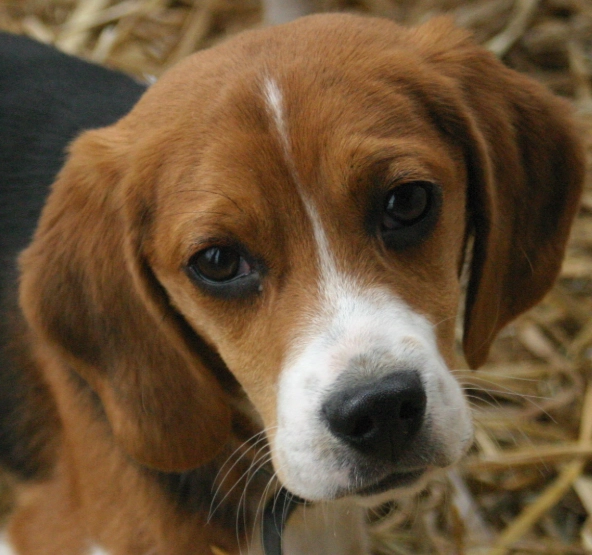
Training a Beagle Puppy: The Good, The Stubborn, The Howly
Training a Beagle is a lesson in patience and economics. They operate on a cost-benefit analysis. Is listening to you more rewarding than following that incredible smell? You have to make it so.
| Training Focus | Beagle Puppy Reality | Pro-Tip Strategy |
|---|---|---|
| Housebreaking | Moderate difficulty. They are small but can be distracted. | Take them out constantly: after waking, playing, eating, drinking. Use a specific phrase ("Go potty") and throw a party when they succeed. Never punish accidents indoors; just clean thoroughly with enzymatic cleaner. |
| Recall (Come) | The ultimate challenge. Low success off-leash in distracting environments. | Start indoors on a long leash. Use extremely high-value rewards (boiled chicken, cheese). Never call them to you for something negative (like ending fun). Practice in a fenced area first, always. |
| Leash Walking | They will pull. It's their job. | Use that front-clip harness. The second they pull, stop dead. Don't move until the leash slackens. It's tedious but teaches them pulling=get nowhere. "Let's go!" is a more effective cue than "Heel" for casual walks. |
| Barking/Howling | Vocal by nature. Can be triggered by sights, sounds, boredom. | Don't yell "Quiet!"—that's just you joining the noise. Teach "Speak" first (reward a bark on command), then teach "Quiet" (reward silence after the command). Manage the environment: close blinds, use white noise. |
The biggest mistake I see? Using low-value training treats. Kibble works for a Labrador. For a Beagle puppy on a scent trail, you need stinky, irresistible currency. Think hot dog bits, freeze-dried liver, cheese. Save the best for the hardest lessons.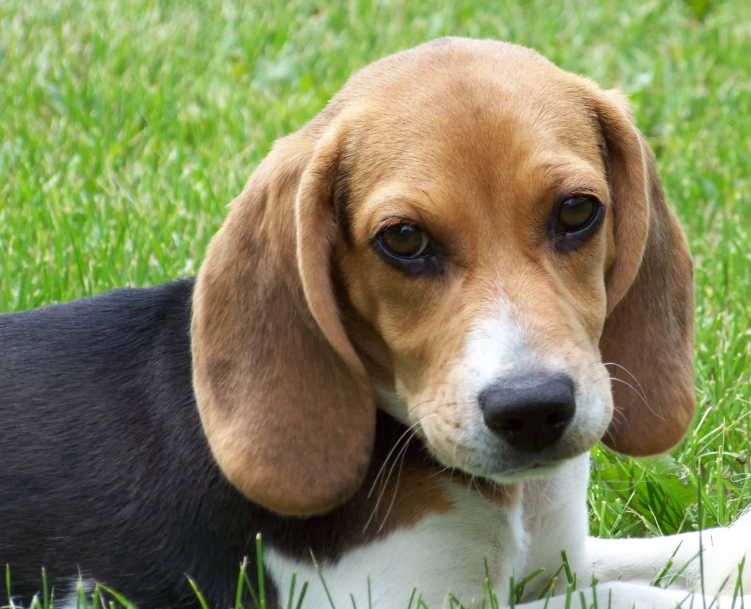
Beagle Puppy Health: Proactive Care Beats Reactive Worry
Beagles are generally healthy, but they have breed-specific tendencies. A good breeder will have tested the parents for common issues. Always ask for proof (OFA, CERF certificates).
Common Issues to Monitor:
- Obesity: This is the #1 health threat. Those pleading eyes will con you into overfeeding. Stick to measured meals, account for treats in their daily calories, and keep them active. A fat Beagle is an unhappy, unhealthy Beagle prone to joint issues and diabetes.
- Ear Infections: Those lovely floppy ears trap moisture and dirt. Get in the habit of checking and gently cleaning them weekly with a vet-approved solution. Smell is a key indicator—a yeasty or foul odor means a vet visit.
- Cherry Eye: A red, swollen protrusion in the corner of the eye. It's not an emergency but needs veterinary attention. It's common in young Beagles.
- Hypothyroidism & Musladin-Lueke Syndrome (MLS): Reputable breeders screen for these genetic conditions. MLS is a connective tissue disorder. Again, proof of parental screening is your first defense.
Find a vet who understands scent hounds. Their metabolism and pain tolerance can be different. Establish care early for vaccinations and a spay/neuter discussion (often recommended after 1 year for joint health).
The Real Cost of a Beagle Puppy: Beyond the Purchase Price
Let's talk numbers, because surprise expenses are the worst. The beagle puppy price from a responsible breeder typically ranges from $800 to $2,500. Why the range? Health testing, titles on the parents, and reputation. A "bargain" puppy often costs thousands more in vet bills later.
Here’s a realistic first-year budget breakdown for a Beagle puppy:
- Initial Purchase/Vet Visit: $1,500 (avg. purchase) + $300 (first shots, checkup) = $1,800
- Startup Supplies: Crate, harness, beds, toys, bowls, gates, puppy-proofing = $400 - $600
- Recurring Monthly (Food, treats, insurance, preventatives): $100 - $150
- Training Classes (Essential): $150 - $300 for a 6-week puppy course
- Spay/Neuter: $300 - $600
- Emergency Fund (Non-Negotiable): At least $1,000 set aside. Puppies eat things they shouldn't.
See how the initial price tag is just the entry fee? My friend Lucy learned this the hard way when her Beagle puppy swallowed a sock—a $2,500 emergency surgery. Pet insurance saved her. For a breed prone to following their nose into trouble, it's worth serious consideration.
Your Beagle Puppy Questions Answered
My Beagle puppy bites everything, including my hands and ankles. Is this normal aggression?
How do I stop my Beagle puppy from howling when I leave them alone?
What's the best way to find a reputable Beagle breeder?
Are Beagle puppies good with kids and other pets?
My 5-month-old Beagle puppy suddenly isn't listening to commands he knew. What's happening?
Raising a Beagle puppy is a commitment to a certain kind of joyful chaos. It's about embracing the sniff, managing the howl, and outsmarting the stubbornness with better treats. It's not the easiest path, but for those who walk it, the reward is a loyal, funny, and endlessly entertaining companion with a heart as big as their nose is powerful. Do your homework, set up for success, and get ready for an adventure.
Reader Comments