You see a Bearded Collie, and you picture that glorious, flowing double coat. It's their signature. But what if your Beardy's coat is short? Maybe it's always been that way, or perhaps a recent grooming session left you with a surprisingly trim companion. The term "Bearded Collie short hair" can mean a few different things: a specific grooming style, a genetic throwback, or even a sign to check in with your vet. It's not the breed standard, but it's a reality for many owners. And caring for a short-haired Beardie comes with its own set of rules that most generic dog care articles completely miss.
I've worked with this breed for over a decade, and I've seen the confusion firsthand. Owners of short-coated Beardies often get contradictory advice. This guide cuts through the noise. We'll cover the practical, day-to-day care that actually works, the health signals you shouldn't ignore, and what your dog's shorter coat might really be telling you.
What's Inside This Guide?
What Does "Short Hair" Really Mean for a Bearded Collie?
First, let's define our terms. A true, genetically short-haired Bearded Collie is exceptionally rare and not recognized by kennel clubs like the American Kennel Club (AKC). Their breed standard explicitly calls for a long, harsh outer coat and a soft, furry undercoat. So, when we talk about a short coat, we're usually looking at one of three scenarios:
- The "Puppy Cut" or Pet Trim: This is by far the most common reason. Owners opt for a shorter clip for manageability, especially in hot climates or for active dogs. It's a style choice, not a genetic one.
- The Post-Shave Coat: Sometimes, a severely matted coat requires a complete shave down. The hair will grow back, but the texture can be altered temporarily or permanently, often becoming softer and more prone to matting.
- Underlying Health or Genetic Factors: This is the category that requires attention. Hormonal imbalances (like hypothyroidism or Cushing's disease), poor nutrition, stress, or rare genetic variants can result in a coat that fails to grow to its full, characteristic length. A coat that is suddenly thinning or becoming brittle is a vet visit, not a grooming appointment.
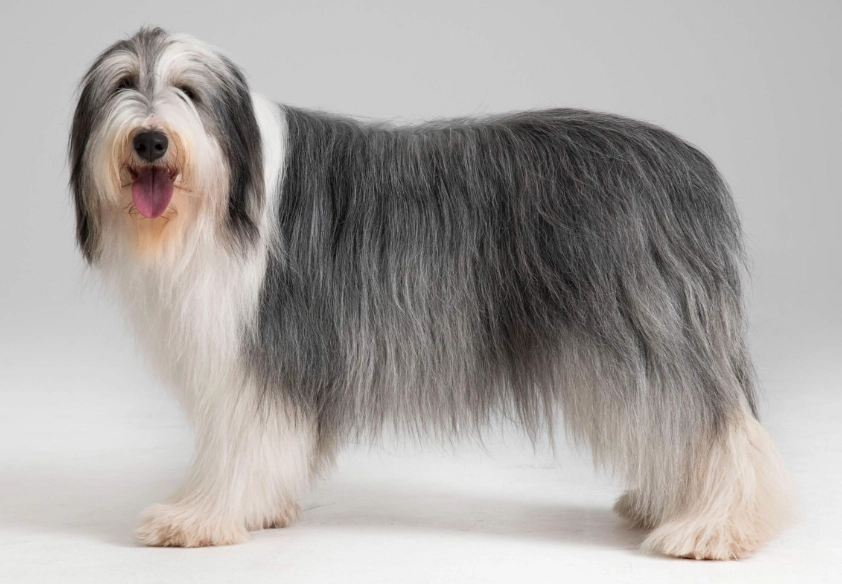
Here's a quick breakdown to help you identify your situation:
| Coat Type | Cause | Coat Texture | Action Needed |
|---|---|---|---|
| Neatly trimmed, uniform length | Intentional grooming clip | Feels normal, just shorter | Follow grooming maintenance. |
| Patchy, thin, brittle, or balding | Health issue (thyroid, allergy, etc.) | Dry, sparse, easily broken | Consult a veterinarian. |
| Very short, woolly after regrowth | Previous full shave due to matting | Softer, cotton-like | Intensive conditioning and careful regrowth management. |
How to Groom a Short-Haired Bearded Collie
Grooming a short Beardy is different, but it's not less work. It's different work. The biggest mistake I see? People think they can put the brush away. You can't.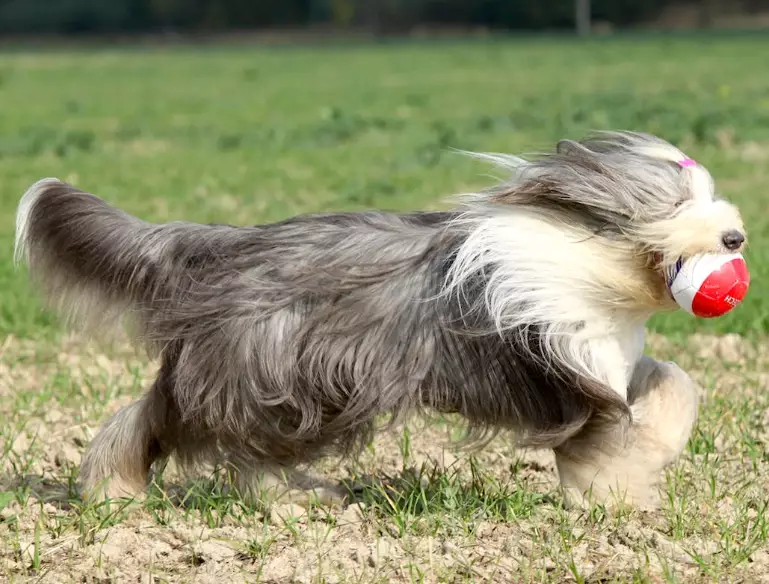
The Essential Tools You Actually Need
Forget the fancy, expensive kits. For a short coat, you need three core tools:
- A High-Quality Slicker Brush: Not the cheap, prickly one. Get a medium-soft slicker with polished pins. This is for daily distribution of skin oils and removing loose undercoat. The Chris Christensen Big G Slicker is a professional favorite for a reason.
- A Fine-Tooth Metal Comb: This is your truth-teller. After brushing, the comb should glide through the coat to the skin without catching. If it snags, you've missed a tangle. This is non-negotiable.
- A Good Canine Clipper with a #4 or #5 Blade: For maintaining the trim. Andis or Wahl are reliable brands. Don't use human clippers; they aren't powerful enough and will overheat.
The Weekly Routine (Not Optional)
Even with short hair, aim for 2-3 brushing sessions per week. Here's my recommended sequence:
- Spritz and Detangle: Lightly mist the coat with a conditioning spray or water. This prevents static and breakage.
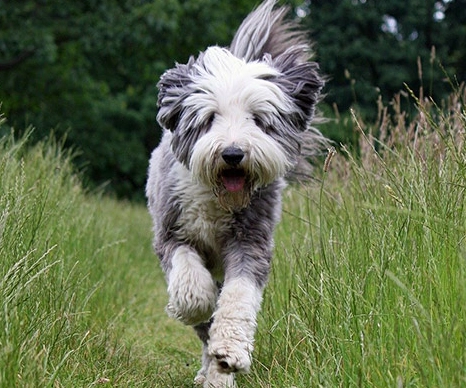
- Slicker Brush Work: Brush in the direction of hair growth, section by section. Pay special attention to friction areas: behind the ears, under the collar, the "armpits," and behind the hind legs. These spots mat invisibly under short top hair.
- The Comb Test: Run the fine-tooth comb through every inch. Any resistance means go back with the slicker.
- Ears and Paws: Trim hair between the paw pads for traction and hygiene. Pluck or trim hair from the ear canal to promote air circulation—a key step to prevent infections, often overlooked in short-coated dogs.
Bathing can be more frequent with a short coat—every 4-6 weeks is fine. Use a mild, moisturizing shampoo to protect the skin barrier. A conditioner is still a good idea to keep the coat supple.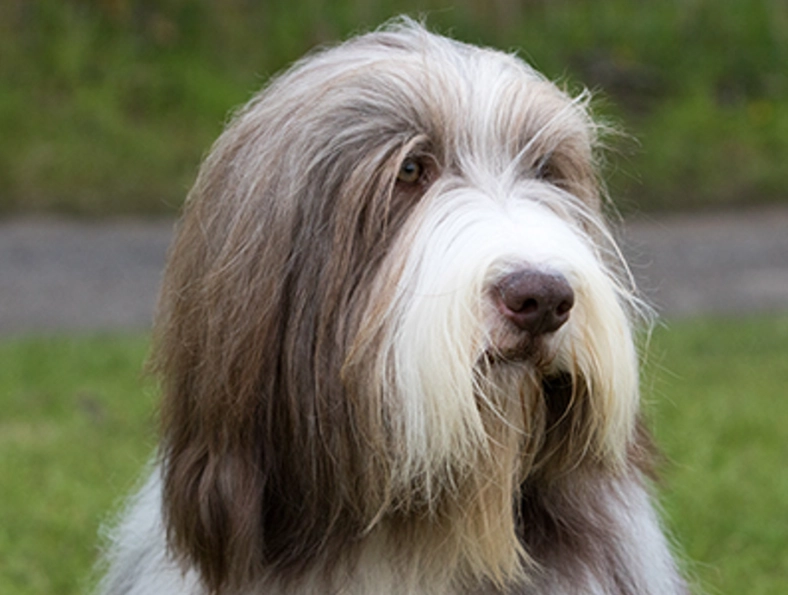
Health Considerations for Short-Coated Beardies
A shorter coat exposes more skin. This changes the game for health and comfort.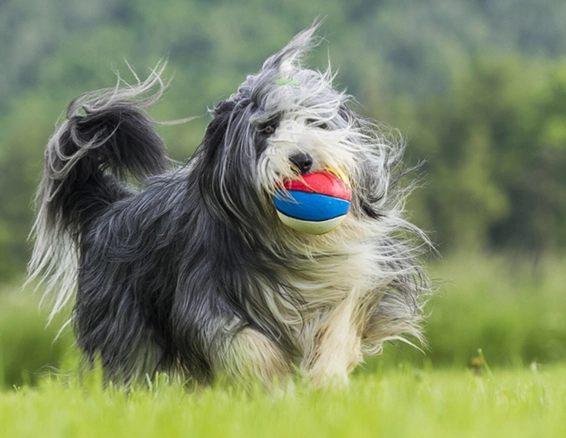
Sun Protection is Non-Negotiable. That pink skin under the white or light fur is vulnerable to sunburn. For summer hikes or beach days, a dog-safe sunscreen (zinc oxide-free) on the nose, ear tips, and back is essential. A lightweight UV-protection shirt is an even better solution for extended outdoor time.
Temperature Regulation Myths. Many believe a short coat means their dog is always cooler. It's more nuanced. The double coat acts as insulation both ways—keeping heat out in summer and in during winter. A shaved or very short Beardie may actually be more susceptible to temperature extremes. In winter, they might need a coat. In summer, they still need shade and water, perhaps more so because the insulating buffer is reduced.
Skin Issues Become More Visible. You'll spot hot spots, allergies, ticks, and dry patches much easier. This is a hidden advantage. Regular brushing becomes a health check. Feel for bumps, look for redness, and note any excessive flaking.
If the short coat is not by design, a veterinary workup should include thyroid panel (T4, fT4, TSH), a general blood chemistry panel, and a discussion about diet. Skin scrapings or allergy testing might follow. According to resources like the Orthopedic Foundation for Animals (OFA), hypothyroidism is a known concern in the breed and a classic culprit for poor coat quality.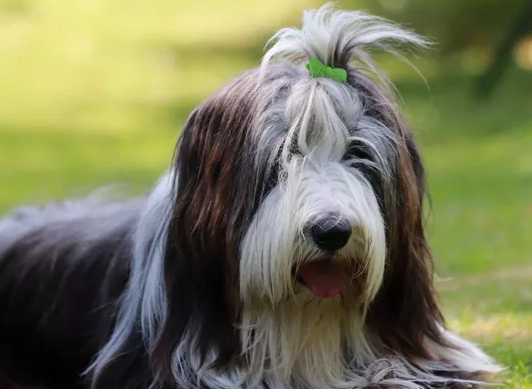
The Breed Standard, Myths, and Making Peace with Your Dog's Coat
The AKC breed standard is clear: the coat should be "long." In the show ring, a short-coated Bearded Collie would be heavily penalized. But let's be real: the vast majority of Beardies are beloved pets, not show dogs.
Choosing a shorter trim for your pet's comfort and your sanity is a perfectly valid choice. It doesn't make your dog any less of a Bearded Collie. The essence of the breed is their bouncy, joyful personality, their intelligence, and their herding heritage—not the length of their fringe.
The key is to do it well. A bad short clip on a Beardie can make them look unbalanced or oddly proportioned. A good groomer will leave some feathering on the legs, tail, and chest to maintain the breed's silhouette. It's about a tidy, functional version of the classic look.
If your dog's coat is short due to health reasons, your focus shifts entirely to management and their well-being. A healthy, happy dog with a weird coat is infinitely better than a "correct" coat on a miserable dog.
Reader Comments