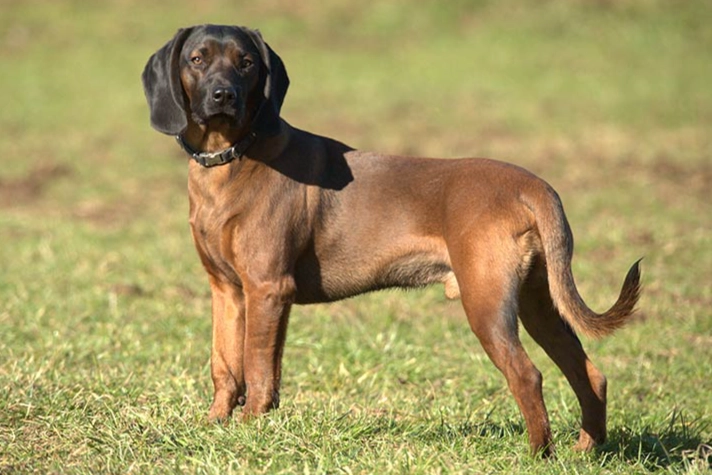
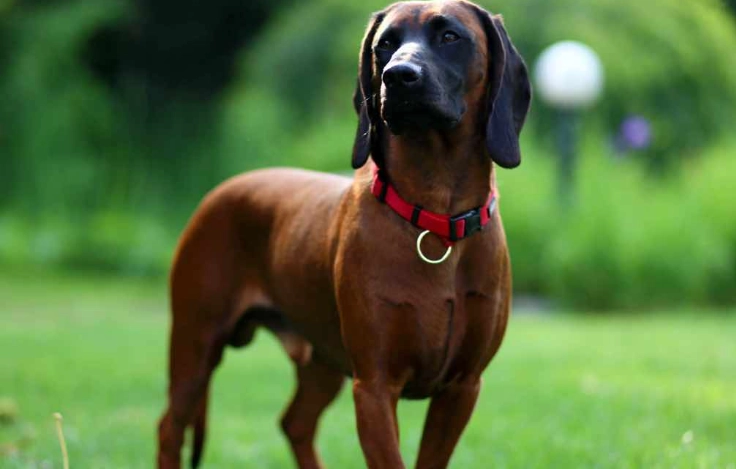
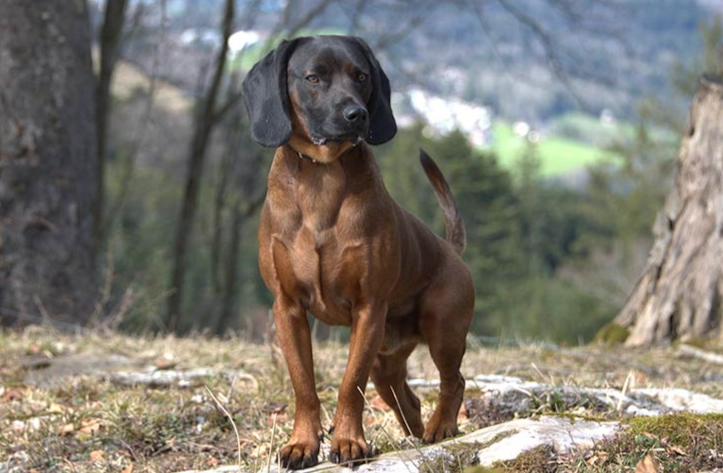
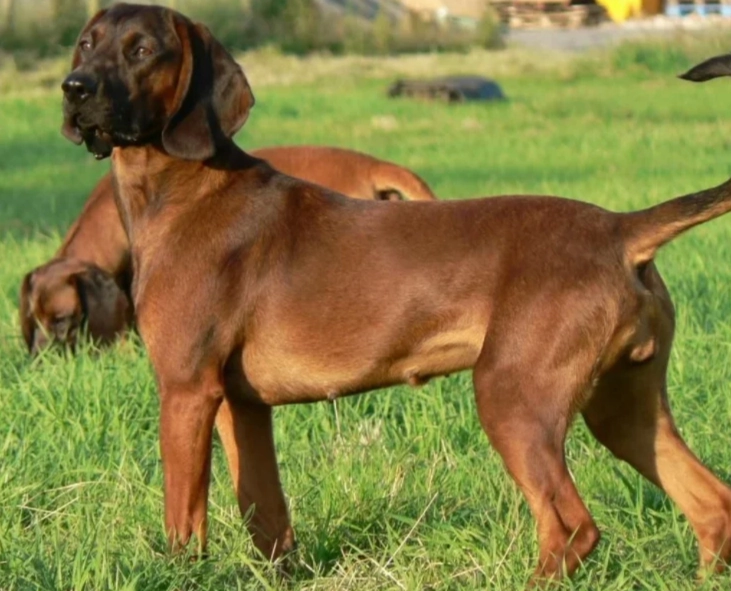
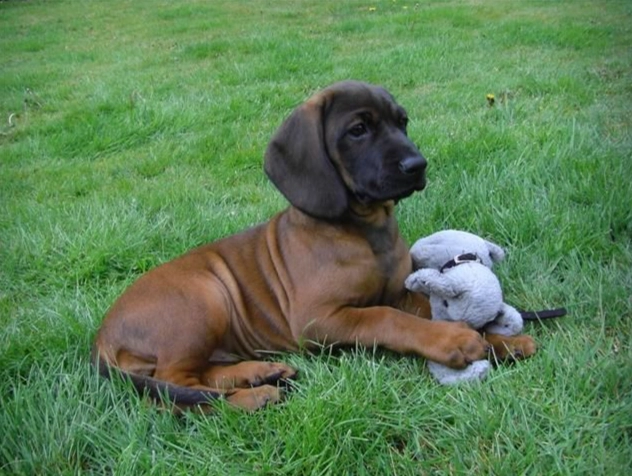
Let's cut to the chase. You're probably reading this because you've heard the Bavarian Mountain Hound is a "calm" hunting dog, and that sounds like a contradiction. A hound that's calm? Most people picture a baying Beagle or a hyperactive Foxhound. I've been around scent hounds for over a decade, and I can tell you the Bavarian Mountain Hound (or Bayerischer Gebirgsschweißhund) is the quiet, intense thinker of the hound world. Their temperament isn't just about being low-energy; it's a sophisticated package of focus, sensitivity, and a deep, almost reserved bond with their handler. This isn't a dog for everyone, but for the right person, they are an unparalleled companion. The biggest mistake I see? People getting them expecting a generic, friendly family dog. That's a fast track to frustration for both human and hound. That famous calmness is a working trait, not a couch potato trait. Bred in the Bavarian Alps for tracking wounded game over miles of difficult terrain, these dogs needed to conserve energy. An excitable, barking dog would scare off game and exhaust itself. So, what you get is a dog with an off-switch at home but a relentless, single-minded focus when on a trail. Think of it like a specialist versus a generalist. A Labrador might be joyfully enthusiastic about everything—balls, kids, squirrels, the mailman. The Bavarian's energy is channeled. At home, they are often described as "cat-like." They'll find a sunny spot, sigh deeply, and observe the household. But outside, with a scent in their nose, they transform. This isn't hyperactivity; it's a deep, driven concentration. They can seem aloof or even indifferent to strangers because their genetic programming is so specific: bond with handler, find scent, track. Key Takeaway: Don't mistake their indoor calm for low intelligence or laziness. It's a profound ability to compartmentalize. They're saving their mental and physical resources for the job they were bred to do, even if that "job" is just a long, sniffy hike with you. This table shows why the Bavarian Mountain Hound temperament stands out. It's not better or worse, just fundamentally different in its approach. So, does the Bavarian Mountain Hound temperament make a good family dog? Yes, but with critical caveats. They are not the dog to roughhouse with young children. Their sensitivity means loud, chaotic environments stress them out. They prefer calm, predictable households. They bond intensely with their primary person or family unit. This isn't a dog that will greet every guest with a wagging tail. They might give a polite sniff and then retreat to their bed. With their family, they are affectionate in a quiet, steady way—leaning against you, following you from room to room just to be near you. I've seen them form incredibly gentle bonds with respectful older children, becoming a patient shadow. But they will not tolerate being used as a pillow or having their ears pulled. They'll simply get up and leave, which is a good thing—it shows their stable, non-aggressive nature. Their low prey drive towards people is a plus, but their scent drive is paramount. A cat they've grown up with might be fine; the neighbor's cat sprinting across the yard is a different story. Secure fencing is non-negotiable. Not because they're escape artists, but because if a compelling scent drifts over, their focus can override their recall training in an instant. Everyone says scent hounds are stubborn. I think that's a lazy label. With Bavarians, the issue isn't defiance; it's competing motivators. When their nose is down, the information coming from that scent is a thousand times more interesting than your voice or a treat. The key to training isn't dominance, it's building a partnership where working with you is more rewarding than following the scent alone. Here’s the micro-mistake most trainers make: trying to train a recall in a high-distraction environment too early. You'll fail, the dog will learn to ignore you, and you'll call it stubbornness. Start in a boring room. Make coming to you the best game in the world. Use ultra-high-value rewards (roasted chicken, liver). Gradually, very gradually, add distractions. This process takes months, not weeks. Positive reinforcement is the only method that works with their sensitive nature. Harsh corrections will make them shut down. They are eager to please their person, but they need to understand the "why." Obedience for its own sake bores them. Frame training as a job or a puzzle. Nosework, tracking, and long-line hikes where they can explore but remain connected are perfect. Expert Reality Check: Your Bavarian Mountain Hound will never have the robotic, off-leash reliability of a Border Collie in a squirrel-filled park. Accepting this is part of respecting who they are. Your goal is a reliable recall in most situations, managed with tools like long lines in high-risk areas. A dog's behavior is a reflection of how it feels. For a breed as physically driven as the Bavarian, pain or discomfort can dramatically alter their temperament. Hip dysplasia or elbow dysplasia, while not extremely common, can make a dog reluctant to exercise, appear "lazy," or even irritable when touched. More commonly, ear infections can be a problem due to their long, floppy ears. An undiagnosed ear infection can make a dog head-shy, less responsive, and generally out of sorts. A previously calm dog that becomes restless or starts shaking its head frequently needs a vet check, not a behavioral correction. Maintaining a healthy weight is also crucial. An overweight Bavarian loses its athletic grace and can become genuinely lethargic, masking its true calm-but-capable nature. Regular vet checks and proactive care are part of nurturing a stable temperament. Surprisingly well, provided their exercise needs are met. Their low indoor energy is a major asset. The challenge isn't space, it's mental stimulation. An apartment-bound Bavarian needs at least one long, sniff-centric walk (45-90 minutes) daily, plus indoor nosework games. The bigger issue is noise sensitivity; a loud apartment building might stress them. They thrive on quiet consistency. They are typically dog-tolerant rather than dog-social. They rarely seek out play with unknown dogs at the park. They prefer the company of their known family (canine or human). Early, positive socialization is key to prevent wariness, but don't expect them to be the life of the dog party. Their focus is elsewhere. Introductions should be calm and on neutral ground. Completely normal, especially for a young or adolescent dog. That "aloof" look is often deep concentration as they process the world through scent. The listening issue is the competing motivator problem. Train key commands like recall and "leave it" in a zero-distraction environment until they're flawless, then add difficulty in tiny increments. Use a 15-30 foot long line for safety and to reinforce your connection during outdoor training sessions. Their responsiveness improves dramatically with age and a strong bond. They handle reasonable alone time (4-6 hours) better than many velcro breeds, again thanks to that calm indoor demeanor. However, they are prone to separation anxiety if not taught independence from puppyhood. The anxiety manifests not in destruction, but often in silent stress—pacing, refusing to eat, excessive sleeping. Crate training, creating positive associations with your departure, and avoiding emotional farewells/greetings are crucial. A tired Bavarian (from a morning walk) is a content Bavarian left alone. The breed trend is strong, but individual variation exists. Lineage matters. Dogs from working lines in Europe may have an even more intense, driven focus. Dogs from show or companion-focused lines might have a slightly more outgoing edge. This is why meeting the parents (or at least talking extensively with the breeder) is vital. A reputable breeder, like those affiliated with the German Kennel Club (VDH) or the American Kennel Club, will be honest about the temperament of their lines. Rescue organizations can also give deep insights into an individual dog's personality.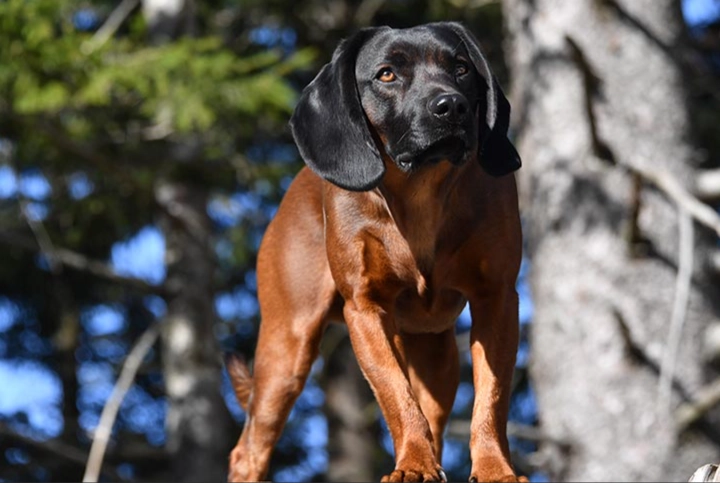
What's Inside This Guide
The Core Temperament Profile: Calm Focus, Not Laziness
Bavarian vs. Other Hounds: A Temperament Comparison
Trait
Bavarian Mountain Hound
Beagle
Bloodhound
Energy Indoors
Very low to low. Pronounced off-switch.
Moderate to high. Often playful.
Very low (but takes up more space!).
Vocalization
Minimal. May whine or "talk" but not prone to nuisance barking.
High. Famous for baying.
Loud, deep baying when on scent.
Focus Style
Intense, quiet, and persistent. "Soft" in approach.
Joyful, vocal, and excitable.
Extremely single-minded, almost oblivious to handler.
Independence
High focus but retains connection to handler. Works with you.
Moderate. Can follow nose and ignore calls.
Extremely high. The scent is everything; handler is secondary.
Social Drive
Reserved with strangers. Bonds deeply with family.
Very friendly with everyone.
Gentle but aloof, focused on work.
Family Dog Dynamics: A Quiet Observer, Not a Party Animal
The Real Training Challenge (It's Not Stubbornness)
How Health Shapes Their Temperament
Your Bavarian Mountain Hound Temperament Questions, Answered
 How does the Bavarian Mountain Hound temperament handle being left alone?
Can a Bavarian Mountain Hound temperament adapt to apartment living?
Are Bavarian Mountain Hounds good with other dogs?
My Bavarian seems aloof and doesn't listen outside. Is this normal?
Is the calm temperament consistent across all individual dogs?
Comment