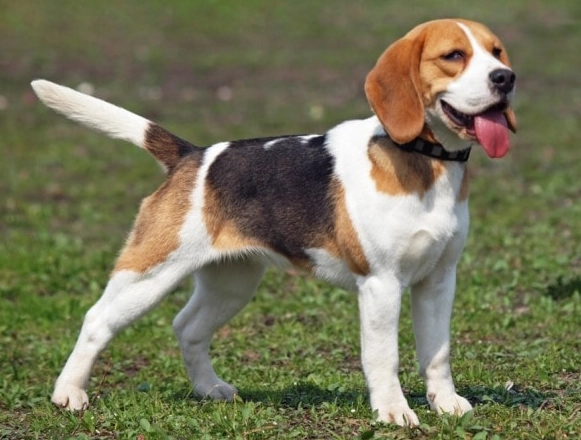
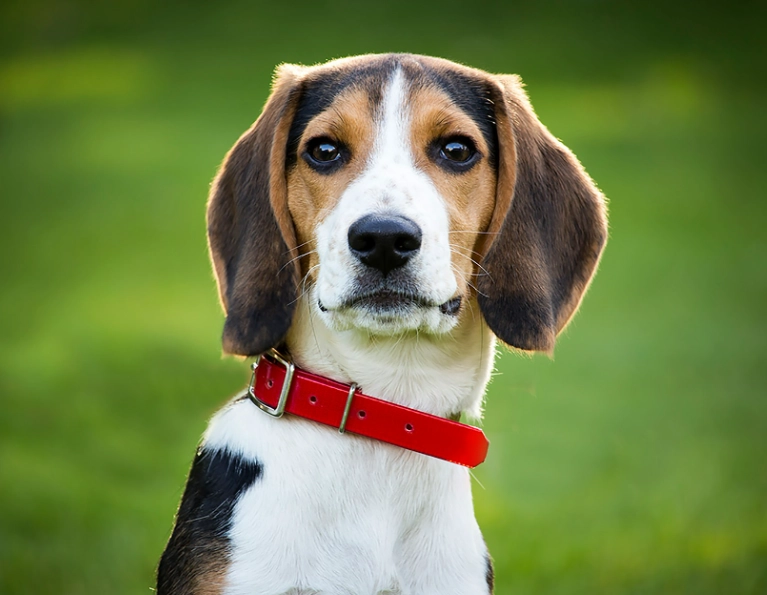
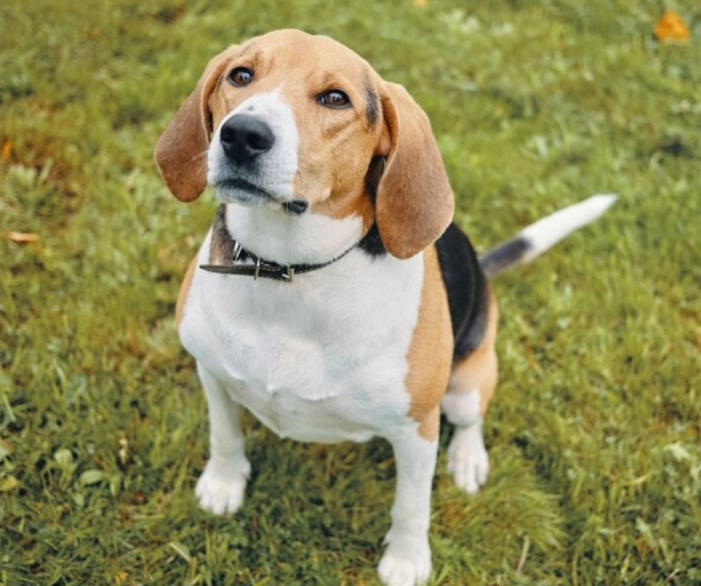
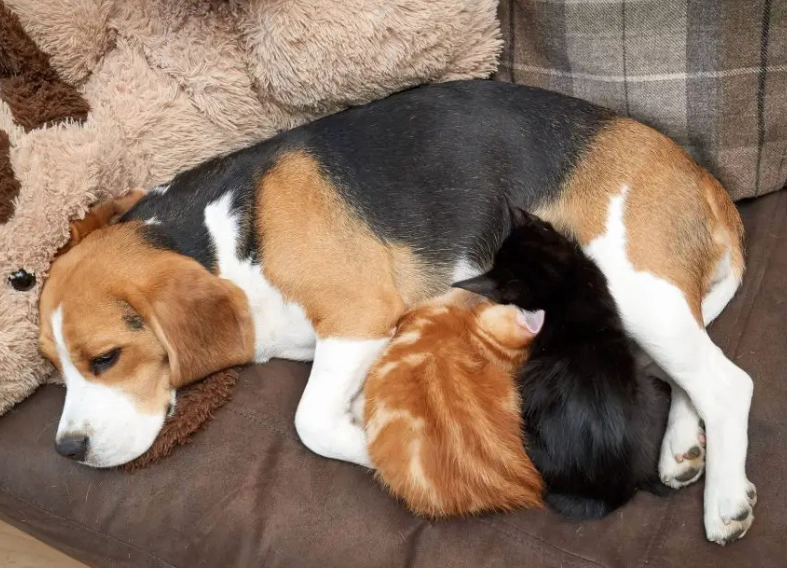
Beagles are fantastic family dogs, but their temperament isn't just about being cute and friendly. If you're thinking of getting one or already own a Beagle, understanding their unique personality is crucial. I've seen too many owners give up because they expected a calm lapdog. Beagles are energetic, curious, and yes, stubborn. Let's cut through the fluff and get real about what makes them tick. When people ask about Beagle temperament, they're really asking: "Will this dog fit my lifestyle?" It's not just a list of traits; it's about how those traits play out in real life. According to the American Kennel Club (AKC), Beagles are described as merry, friendly, and curious. But that's the polished version. In practice, their temperament stems from their history as scent hounds bred for hunting. They're driven by their nose, which means they can be single-minded when they catch a whiff of something interesting. I remember helping a friend with her Beagle, Max. He'd escape the yard not to run away, but to follow a squirrel trail. That's classic Beagle behavior—their temperament is hardwired for exploration. It's why they're great for active families but a nightmare for someone who wants a dog that just chills all day. Let's break it down. These aren't just random adjectives; they're the pillars of Beagle personality that every owner deals with. Quick Insight: Beagles were originally bred for hunting in packs, so they're social animals. That explains a lot about their need for company and tendency to vocalize. Notice how these traits interconnect? That stubbornness often comes out when their curiosity is piqued. It's why standard obedience classes sometimes fail with Beagles—you need a tailored approach. Many owners label Beagles as stubborn, but that's a bit unfair. They're not being defiant; they're just highly motivated by scent and exploration. When your Beagle ignores a "come" command, it's not because he's disobedient—it's because he's found something more interesting (like a leftover pizza crust under the couch). This is where traditional training falls short. You need to use high-value rewards, like real meat or cheese, to compete with environmental distractions. Training a Beagle isn't like training a Labrador. Labs aim to please; Beagles aim to sniff. Here's how to work with their temperament, not against it. Start Early: Puppyhood is key. Socialize them with different people, dogs, and environments to curb excessive shyness or excitability. I've seen Beagles that weren't socialized properly become nervous barkers. Use Scent-Based Games: Since their nose rules, incorporate it into training. Hide treats around the house and teach "find it" commands. This taps into their natural instincts and makes learning fun. Consistency is Non-Negotiable: Beagles test boundaries. If you let them jump on the couch one day and scold them the next, they'll get confused and revert to stubborn behavior. Set clear rules and stick to them. Positive Reinforcement Only: Harsh methods backfire. Beagles shut down or become anxious. Use treats, praise, and play. A study from the Journal of Veterinary Behavior emphasizes that reward-based training improves long-term compliance in scent hounds. Let me share a personal case. My neighbor's Beagle, Daisy, was a digger. They tried yelling, filling holes—nothing worked. We switched to providing a designated digging spot in the yard with loose soil and buried toys. Within weeks, Daisy only dug there. It's about redirecting that innate behavior, not suppressing it. Beagles pull on leashes because they want to follow scents. A common mistake is using a retractable leash; it teaches them that pulling gets them further. Instead, use a front-clip harness and practice in low-distraction areas first. Stop moving when they pull, and reward when the leash is loose. It takes time, but it's doable. To really grasp Beagle temperament, imagine a typical day. This isn't theoretical; it's based on real owner experiences. Morning: Your Beagle wakes up energetic. He needs a brisk walk or play session—not just a quick potty break. Without it, he'll pace or bark. After breakfast, he might nap, but keep an eye out; boredom leads to chewing furniture. Afternoon: Left alone? Ensure he has puzzle toys stuffed with kibble to keep his mind busy. Otherwise, you might come home to shredded pillows. Beagles are prone to separation anxiety, so gradual alone-time training is crucial. Evening: Another walk is essential. This is when their scent drive peaks. Let them sniff around—it's mental stimulation. Dinner should be measured; Beagles gain weight easily, which affects mood. Night: They usually settle down but might bark at noises. A white noise machine can help. Remember, they're pack animals; sleeping alone in a crate might cause whining initially. Scenario: You're working from home. Your Beagle barks at delivery trucks. Instead of scolding, teach a "quiet" command by rewarding silence. It's small adjustments like this that make life smoother. Behavior isn't just psychology; it's physiology. Certain health issues directly impact Beagle temperament. Obesity: Beagles love food. An overweight Beagle becomes lethargic and more stubborn. Monitor diet strictly—no table scraps. The Association for Pet Obesity Prevention notes that over 50% of Beagles are overweight, exacerbating joint problems and low energy. Hypothyroidism: This condition can cause lethargy, weight gain, and even aggression. If your Beagle's temperament changes suddenly, consult a vet. Blood tests can diagnose it. Ear Infections: Those floppy ears trap moisture. Infections cause pain, making your Beagle irritable or less playful. Regular cleaning is a must. Allergies: Skin allergies lead to itching and discomfort, which can make them snappy or anxious. Look for signs like excessive scratching. I've met Beagles whose "stubbornness" was actually pain from arthritis. A vet check-up can rule out medical causes before you blame temperament. Understanding Beagle temperament is about embracing their quirks. They're not flawed; they're built differently. With the right approach, that stubbornness becomes determination, and that curiosity becomes a bond over shared adventures. Take it from someone who's seen both sides: a well-managed Beagle is a joyful companion, but it requires work. Don't skip the basics—exercise, training, and health checks. Your effort pays off in tail wags and loyalty.Jump Straight to What Matters
What Exactly is Beagle Temperament?

The 5 Core Traits That Define Every Beagle
Trait
What It Means
Common Challenge
Friendly & Social
Beagles love people and other dogs. They're rarely aggressive.
They can suffer from separation anxiety if left alone too long.
Curious & Nose-Driven
Their sense of smell is paramount. They'll follow scents relentlessly.
Recall training is tough; they might ignore you when distracted.
Energetic & Playful
They have bursts of energy, especially as puppies and young adults.
Without enough exercise, they become destructive (chewing, digging).
Stubborn & Independent
They think for themselves, which made them good hunters.
Training requires patience; they won't obey just to please you.
Vocal
Beagles bark, bay, and howl to communicate or alert.
Excessive barking can be a nuisance in apartments or quiet neighborhoods.
Digging Deeper: The Stubbornness Myth
Training a Beagle: Why It's Different and How to Succeed

Leash Training: The Ultimate Test
A Day in the Life with a Beagle: Practical Scenarios
Health and Temperament: The Hidden Connection
Your Beagle Questions, Answered by a Pro
How do I stop my Beagle from following his nose and running off during walks?
Use a long-line leash (15-30 feet) in safe areas to give freedom while maintaining control. Practice recall with high-value treats like chicken or hot dogs. Never punish when he returns—even if it takes minutes. Build a positive association. Also, avoid off-leash areas until recall is rock-solid; their scent drive can override training.
Are Beagles good with children and other pets?
Generally, yes—their friendly nature makes them great with kids. But supervise interactions because Beagles can be boisterous and might knock over toddlers. With other pets, early socialization helps. They might chase cats due to prey drive, so introduce slowly and teach "leave it" commands.
Why does my Beagle bark so much, and what are concrete ways to reduce it?
Barking is communication: boredom, alerting, or anxiety. First, identify the trigger. For boredom, increase exercise and mental stimulation (puzzle feeders). For alert barking, close curtains or use white noise. Teach a "quiet" command by saying "quiet" when they stop, then reward. Avoid yelling—it adds to the noise. Consistency is key; it might take weeks to see improvement.
Is crate training effective for Beagles, or does it worsen separation anxiety?
Crate training, done right, helps. Make the crate a positive space with treats and toys. Start with short durations while you're home. Never use it as punishment. For separation anxiety, combine crate training with gradual alone-time exercises. Leave for 5 minutes, then 10, and reward calm behavior. Some Beagles do better with a playpen if they feel confined in crates.
What's the biggest misconception about Beagle temperament that leads to owner frustration?
The idea that they're "easy" dogs. Many sources gloss over their stubborn streak and high energy. Owners expect a placid pet, but Beagles need engagement. If you're not prepared for daily walks, scent games, and patience, you'll struggle. They're not for couch potatoes—but for active owners, they're incredibly rewarding.
Comment