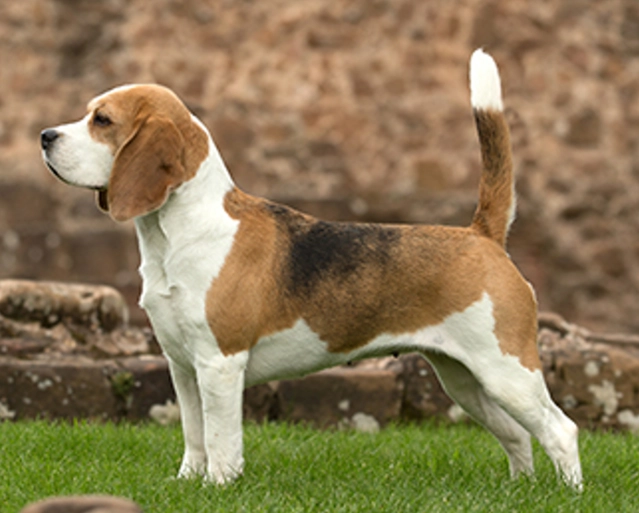
Let's be real. You see those big brown eyes, those floppy ears, and that merry little tail, and you think, "What a perfect family dog!" And you're not wrong. The Beagle (often called a Beagle hound) is famously good-natured, great with kids, and generally loves everyone. But here's the thing most articles gloss over: owning a Beagle is like adopting a tiny, adorable, and incredibly stubborn detective who works exclusively for snacks. If you're only prepared for the cuddles, you're in for a shock. Their nose runs their life, and by extension, yours. This isn't a flaw; it's their job description. They are scent hounds, bred to follow a trail for miles with single-minded determination. Forget that, and you'll be the one getting trained. First, a quick clarification. "Beagle" is the breed name. "Hound" is the group they belong to (scent hounds). So "Beagle hound" is a descriptive term, like saying "Labrador retriever." According to the American Kennel Club (AKC), Beagles are consistently one of the most popular dog breeds in the United States, and for good reason. They're small to medium-sized (typically 13-15 inches tall at the shoulder, weighing 20-30 pounds), have a short, easy-care coat, and come in that classic tricolor (black, tan, and white) or lemon and white. Their history goes way back. They were developed in England centuries ago to hunt hare in packs. Every bit of them is designed for tracking: those long ears help sweep scents toward their nose, their powerful nose has about 220 million scent receptors (compared to a human's 5 million), and their sturdy build gives them endurance. This isn't just trivia; it explains everything about their behavior. That "stubbornness" isn't disobedience; it's a genetic override. When a scent hits, the part of their brain that hears you say "come" simply disconnects. A key insight most miss: People mistake a Beagle's friendliness for being easily trainable. They are highly intelligent, but their intelligence is geared toward problem-solving for a reward (usually food), not toward pleasing you. Your success hinges on working with this instinct, not against it. This is the million-dollar question. Let's break it down with a brutally honest look at the pros and cons. I've seen too many Beagles end up in shelters because families loved the idea but not the reality. Ask yourself these specific questions: I remember a friend who got a Beagle puppy for her quiet condo life. She wasn't prepared for the howling when she left or the sheer energy. After six months of stress, she found him a home with a family with a yard and another dog. It was the best outcome, but it was heartbreaking. Do the homework first. Okay, you've passed the self-quiz. Here's your day-to-day manual. Beagle care isn't complicated, but it's specific. Beagles are prone to obesity. Those pleading eyes are a weapon. Follow the feeding guide on your high-quality kibble, but use a measuring cup—no guessing. For an average adult Beagle (25 lbs), that's usually about 1.5 to 2 cups of food per day, split into two meals. Treats must be factored into their daily calorie count. Use tiny training treats or pieces of their kibble. And for goodness' sake, never leave food unattended on the counter. I've seen a Beagle drag a chair across the kitchen to reach a loaf of bread. A leashed walk is a start, but it's not enough. Their brain needs to work. Here's a sample daily schedule that actually works: Without this, they'll invent their own "fun," like chewing baseboards or unraveling the carpet. Easy here. Brush weekly to control shedding. Clean those long ears weekly with a vet-approved solution to prevent infections. Trim nails every 3-4 weeks. The big one? Dental care. Start brushing their teeth early. Beagles are prone to dental issues, and chews alone won't cut it. Forget the idea of achieving perfect off-leash recall in a field of rabbits. It's not happening. Beagle training is about setting them up for success through management and smart motivation. The Golden Rule: You are the source of all good things. Food is your primary tool. Use high-value treats (small pieces of chicken, cheese, commercial training treats) for important commands. The most common mistake I see? People get frustrated and yell. A Beagle just shuts down. Keep sessions short (5-10 minutes), fun, and always end on a positive note. Reputable breeders test for these. If you're getting a puppy, ask for Orthopedic Foundation for Animals (OFA) or other health clearances for the parents. Get pet insurance early, before any conditions appear. It can save you thousands.What's Inside?
What Exactly is a Beagle Hound?

Is a Beagle the Right Dog for You?
The Good (The Irresistible Parts)
The Challenges (The Reality Check)
Super Friendly & Gentle: They rarely meet a stranger (human or canine). Their tolerance for kids' antics is legendary.
Driven by Their Nose: Off-leash in an unfenced area is a huge risk. They will follow a scent and ignore your calls.
Low-Maintenance Grooming: A quick brush once a week and the occasional bath is all they need.
Vocal & Howly: They bark. They bay (that unique "aroo!" sound). It's how they communicate. Apartments or close neighbors require careful management.
Great Size: Big enough to be sturdy, small enough for most homes and cars.
Exercise Hungry: A 20-minute walk won't cut it. They need 45-60+ minutes of active time daily to prevent boredom (and destructive behavior).
Generally Healthy: With a good lineage, they can be a robust breed with a lifespan of 12-15 years.
Food-Obsessed & Clever: They will counter-surf, open cabinets, and solve puzzles to get food. You must be smarter than the Beagle.

How to Care for Your Beagle Hound
Feeding: Guard the Food!

Exercise: More Than Just a Walk
Grooming & Basic Needs

How to Train a Beagle: It's All About Management
Common Beagle Health Issues to Watch For

FAQs About Living with a Beagle Hound
Are Beagles good apartment dogs?
They can be, but with major caveats. You must be hyper-committed to providing enough physical and mental exercise outside the apartment. Barking and howling are the biggest challenges in shared living spaces. Success depends more on the owner's lifestyle than the apartment itself. A tired Beagle in an apartment is quieter than a bored Beagle in a house.
My Beagle ignores me outside. How do I fix this?
You likely can't "fix" it in the traditional sense. You manage it. Use a long-line (a 15-30 foot leash) in open areas to give them freedom while maintaining control. Practice recall in low-distraction environments first (your living room, then your yard). Invest in a secure fence. Understand that in a high-scent environment, their genetics win. It's not a failure of training; it's the nature of the breed.
Do Beagles get along with cats or other small pets?
It's a gamble with a high prey drive. Many can live peacefully with a cat they were raised with from puppyhood. However, their instinct to chase small, fast-moving animals is strong. Introducing a Beagle to a home with pet rabbits, guinea pigs, or birds is extremely risky and requires constant, vigilant management. Never leave them unsupervised together.
Why does my Beagle follow me everywhere, even to the bathroom?
This is classic pack behavior. You are their family, their pack. They want to be where you are. It's also a bit of FOMO (Fear Of Missing Out)—what if you're in the kitchen and food appears? It's a sign of affection, but you can train a "stay" or "place" command to give yourself some space if needed.
What's the best way to stop a Beagle from howling when left alone?
First, rule out medical issues with your vet. Then, address separation anxiety. Never make a big deal about arrivals and departures. Provide a stuffed Kong or puzzle toy only when you leave to create a positive association. Ensure they are thoroughly exercised before you go. For severe cases, a gradual desensitization program (leaving for 30 seconds, then a minute, etc.) is necessary. Sometimes, a second dog for company helps, but that's a big commitment to solve one problem.
Comment