Let's cut to the chase. Is a Beagle a good house dog? The short answer is: it's complicated. For the right person or family, a Beagle can be an incredibly loving, merry, and entertaining companion. For the wrong one, their famous howl, stubborn independence, and boundless energy can turn your home into a chaotic scene. I've seen both outcomes. This isn't just a list of breed traits; it's a reality check to see if your life meshes with the unique reality of living with a hound. First, the good stuff—and there's plenty. Beagles were bred to work in packs, chasing small game. This history shapes everything about them as house pets. They are profoundly social. A lonely Beagle is a miserable Beagle. They thrive on company, whether human or canine. This makes them fantastic with kids and usually great with other dogs. Their pack mentality means they see your family as their pack. They want to be in the middle of everything, often following you from room to room just to be near you. They have a famously merry and friendly disposition. The American Kennel Club describes them as "merry," and it's spot-on. Their default setting is wagging tail and curious, bright eyes. They are typically not aggressive or shy with strangers, which is a plus for social households. They are sturdy and playful. Their size (usually 13-15 inches tall, 20-30 pounds) is very manageable for most homes and apartments. They're robust enough to play with kids but not so large as to be overwhelming. A key insight most lists miss: That friendly, pack-oriented nature is a double-edged sword. It's the primary reason they suffer from separation anxiety. They aren't just "a bit sad" when left alone; their breeding screams that being alone is dangerous and wrong. This isn't a minor quirk—it's central to understanding their potential as a house dog. Now, let's talk about the parts that make people surrender Beagles to shelters. These aren't deal-breakers, but they must be acknowledged and planned for. This is the number one complaint. Beagles have a triple-threat vocal repertoire: the classic bay (that loud, musical "aroo!"), a howl, and a bark. They bay when excited, when they smell something fascinating, when they're lonely, or sometimes just because. In a suburban house with close neighbors, this can cause serious tension. I know someone whose Beagle would bay at the mailman every single day, without fail. It wasn't aggression; it was a loud, enthusiastic announcement. They had to work extensively on "quiet" commands and manage the dog's environment (like closing blinds during mail time). You cannot train the bay out of a Beagle. You can only manage it. A Beagle's sense of smell overrides everything—including your recall command. If they catch an enticing scent, their brain goes into "tracking mode" and your voice becomes distant background noise. This makes off-leash activities in unsecured areas extremely risky. A fenced yard is non-negotiable for safe play, and the fence needs to be secure. They are clever escape artists if they smell freedom (or a squirrel). They are intelligent, but not in the eager-to-please way of a Border Collie. They are problem-solvers for their own goals ("How do I get that sandwich off the counter?"). This makes house training and obedience training more challenging. It requires immense patience, consistency, and high-value treats. They get bored with repetitive drills. Common new owner mistake: Assuming a Beagle puppy will be as biddable as the Labrador they had as a kid. The training approach is different. You need to make yourself more interesting and rewarding than the million smells in your backyard. This isn't a couch potato dog. A bored, under-exercised Beagle will find its own entertainment: chewing furniture, digging, excessive barking. They need at least 60-90 minutes of good activity daily. This doesn't just mean a walk around the block. They need sniffaris (long walks where they can explore smells), playtime, and mental stimulation. Don't just ask if a Beagle is a good house dog. Ask if it's a good dog for YOUR house. Run through this checklist honestly. A Beagle might be a great fit if you: Think twice about a Beagle if you: If you're still interested, here's how to set yourself and your potential Beagle up for success. Forget stern commands. Beagles are motivated by their stomachs. Use small, high-value treats (cheese, chicken, commercial training treats). Keep sessions short (5-10 minutes) and fun. Crate training is highly recommended from day one for housebreaking and giving them a safe den. Socialization is critical—expose them to various people, dogs, sounds, and surfaces early and often. Beagles are generally healthy, but like all breeds, they have predispositions. According to resources like the Orthopedic Foundation for Animals (OFA), conditions to be aware of include hip dysplasia, hypothyroidism, and a specific back issue called Intervertebral Disc Disease (IVDD). Their floppy ears need weekly checking and cleaning to prevent infections. Their appetite is legendary, so portion control is essential to prevent obesity, which exacerbates most health problems. This table is a realistic baseline. Emergency vet visits or chronic conditions can add thousands. Can a Beagle be left alone for 8 hours while I'm at work? This is one of the hardest situations for a Beagle. Most will struggle significantly, leading to destructive behavior, barking/howling, and anxiety. It's not just about bathroom breaks. Their pack nature makes prolonged solitude stressful. If you work full-time outside the home, a Beagle is likely not the best choice unless you have a reliable dog walker, can come home midday, or use a reputable doggy daycare service several days a week. Are Beagles good with cats or small pets? It depends heavily on the individual dog's prey drive and early socialization. Remember, they were bred to chase small game like rabbits. Some Beagles can live peacefully with a cat they were raised with, especially if the cat stands its ground. However, the instinct to chase something that runs is strong. Small pets like rabbits, guinea pigs, or pet birds are at serious risk and should never be left unsupervised with a Beagle. Always introduce with extreme caution and manage interactions. What's the biggest mistake people make when house training a Beagle? They underestimate the power of the nose and the distraction of the outdoors. Taking a young Beagle puppy to the same spot in the yard and expecting them to focus on business is a fantasy. They'll immediately start sniffing. The trick is to take them out on a leash, to a boring, non-grassy spot (like a concrete patio) first thing in the morning, after meals, and after naps. Keep them leashed and limit sniffing until they've done their business, then reward lavishly and allow a "sniffari" as the reward. This creates a clear cause-and-effect link. Is it better to get one Beagle or two? Two Beagles can be wonderful company for each other, alleviating boredom and separation anxiety. However, this is not a shortcut to less work. It's double the food, vet bills, training, and sometimes double the trouble (they can learn bad habits from each other, like coordinated barking). Never get two puppies from the same litter ("littermate syndrome" is a real challenge). It's generally better to get one, train it thoroughly, and consider a second adult dog later if your lifestyle allows. How do I stop my Beagle from following his nose and running off? You don't stop the instinct; you manage the environment. A secure, tall fence is your best friend. On walks, use a sturdy harness (not just a collar, as they can slip out) and remain vigilant. Practice recall in a high-distraction environment only when you have a 100% guarantee you can get them back, like with a long-line training leash. Their recall will never be 100% reliable if a supremely interesting scent is present, so never trust them off-leash in an unsecured area. So, is a Beagle a good house dog? For the right household—one that's active, patient, home often, and prepared for a vocal, scent-obsessed, incredibly loving companion—the answer is a resounding yes. For a quiet, low-maintenance, or frequently empty home, the challenges will likely outweigh the joys. The decision isn't about whether the Beagle is a "good" dog; it's about whether you're the right human for this wonderfully complex little hound.Quick Navigation: What's Inside This Guide
The Beagle Temperament: More Than Just a Happy Face

The Reality Check: Key Challenges of Owning a Beagle

The Beagle Bay (and Howl, and Bark)
The Nose is in Charge
Stubbornness and Independent Thinking

High Energy & Exercise Needs
Is a Beagle a Good Fit For You? A Lifestyle Checklist

Making It Work: Training, Care & Cost Essentials
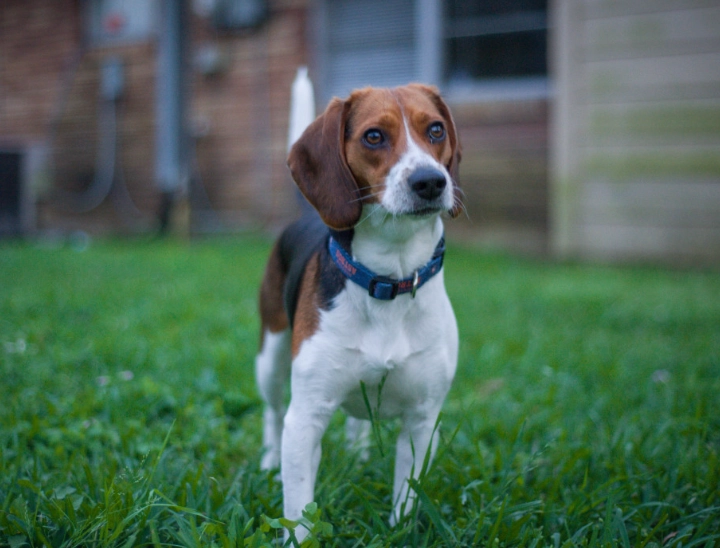
Training a Beagle: The Food-Driven Approach
Daily Care & Health Considerations

Estimated Annual Cost of Beagle Ownership
Low-End Estimate
High-End Estimate
Quality Food & Treats
$400
$700
Routine Vet Care (check-ups, vaccines)
$300
$500
Preventatives (Flea/Tick/Heartworm)
$200
$400
Pet Insurance (optional but recommended)
$400
$800
Toys, Beds, Leashes, etc.
$200
$500
Total (Excluding initial purchase)
$1,500+
$2,900+

Your Beagle Questions, Answered
Is a Beagle a Good Family Dog? The Ultimate Guide
Comment