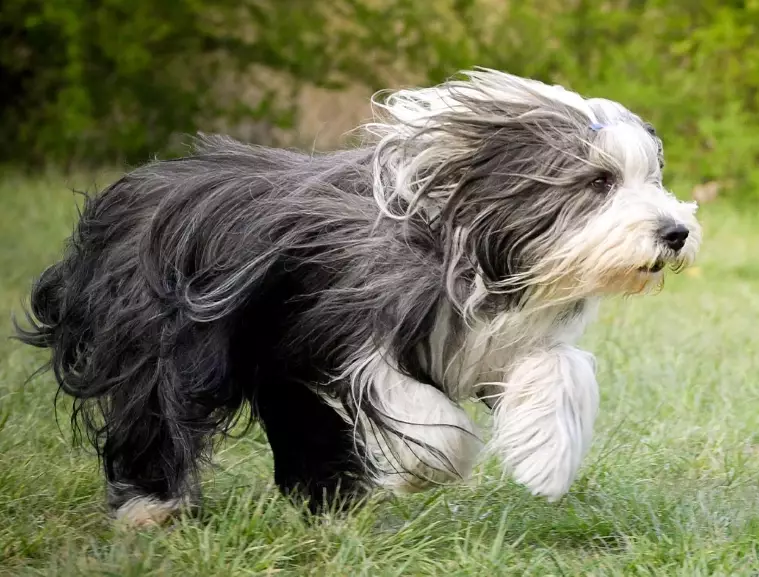
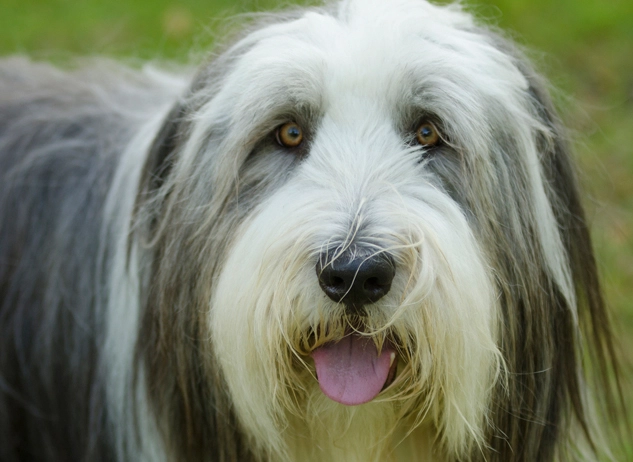
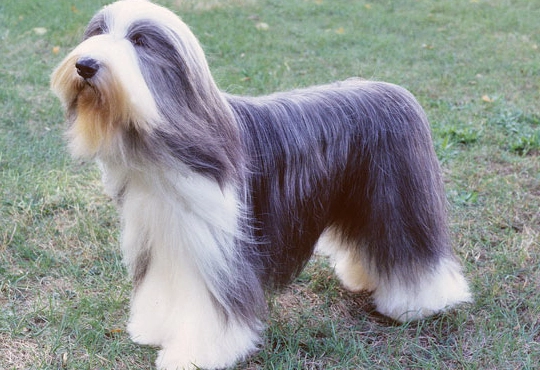
Let's cut to the chase. If you're here, you've probably found a tumbleweed of Bearded Collie hair rolling across your floor, or you're considering getting a Beardie and have heard the whispers about their coat. The truth is, Bearded Collies shed a moderate to heavy amount, but calling them "non-shedding" or "hypoallergenic" is a fantasy that does new owners a disservice. Their beautiful, shaggy double coat has a job to do, and that job involves releasing hair. The good news? With the right knowledge and tools, managing it is completely doable. I've lived with Beardies for over a decade, and I've learned that the battle isn't against the shedding itself, but against misinformation and poor technique. First, understand what you're dealing with. A Bearded Collie has a double coat. This isn't just a fancy term; it's a functional system. The undercoat is soft, dense, and woolly. Its primary role is insulation—keeping your dog warm in winter and cool in summer. This is the stuff that comes out in handfuls during seasonal changes. The topcoat (or guard hairs) is longer, harsher, and water-resistant. It protects the skin and undercoat from dirt and moisture. Here's the non-consensus part many breed sites gloss over: that shaggy, "unkempt" look everyone loves? It's actually a sign of a healthy, untouched topcoat. Excessive scissoring or clipping can permanently damage the texture of the guard hairs, making them less effective and sometimes causing the undercoat to become impacted and shed more erratically. I learned this the hard way with my first Beardie, Finn. A well-meaning groomer gave him a "puppy cut," and his coat never fully regained its proper harsh texture. Bearded Collie shedding isn't constant at the same intensity year-round. It's cyclical and heavily influenced by daylight and temperature changes. You'll typically experience two major "coat blows" or shedding seasons. The Spring Shed: Usually between March and May. Your Beardie is shedding the thick winter undercoat to prepare for warmer weather. This is often the more dramatic of the two. You'll be pulling out fluffy, greyish tufts that seem endless. The Fall Shed: Around September to November. They're shedding the lighter summer undercoat and growing in the denser winter one. The hair might seem slightly less voluminous than the spring blowout, but it's just as important to manage. Indoor Life Note: Dogs living primarily indoors with artificial light and controlled temperatures may have less predictable or more constant shedding cycles. Their bodies get confused by the lack of natural seasonal cues. Between these big blows, there's a baseline level of shedding. Old hairs reach the end of their growth cycle and fall out. This is normal, and regular grooming catches most of it before it hits your sofa. Using the wrong tool is like trying to mow your lawn with scissors. Here’s the breakdown of what you need, based on a decade of trial, error, and finally, success. Forget bargain-bin brushes. A cheap, poorly made slicker brush will snag and pull, making your dog hate grooming. Start with a good quality undercoat rake and a comb; you can add others later. Consistency beats marathon grooming sessions every month. Here's a realistic routine for a pet owner, not a professional show handler. This is your foundation. Do this on a weekend morning. Put on an audiobook or podcast. Start with a thorough line brushing. Part the coat down the middle of the back and work outwards, section by section. Lift the topcoat with one hand and use the undercoat rake or slicker brush underneath. Work from the skin out, not just over the surface. Finish by combing every section with your greyhound comb. Pay special attention to high-friction areas: behind the ears, under the collar, armpits, and behind the hind legs. These are mat magnets. During heavy seasonal shedding, a quick once-over with the undercoat rake in the evening can capture a surprising amount of hair before it becomes airborne. Focus on one area per day—the torso on Monday, legs on Tuesday, etc. Bathing is not just for smell. A good deshedding shampoo and conditioner (I like ones with oatmeal or coconut) hydrate the skin and loosen the dead undercoat. The real magic happens after. Towel dry, then use the high-velocity dryer on a cool or warm setting. As you blow against the lay of the coat, you'll see clouds of undercoat flying out. Brush as you dry. This one session can remove more hair than a week of dry brushing. Nutrition supports skin and coat health, but it won't stop a double-coated dog from shedding its undercoat. That's a biological process. However, a poor diet can lead to dry, flaky skin and a brittle, poor-quality coat that may shed more than necessary. Look for a high-quality dog food with named animal proteins (chicken, salmon) as the first ingredients. Omega-3 and Omega-6 fatty acids are crucial. I add a pump of salmon oil to my Beardie's dinner, and within a month, I noticed her coat was softer and had a healthier sheen. The shedding volume didn't decrease, but the individual hairs seemed stronger. Always ensure fresh water is available. Dehydration shows up quickly in the skin and coat. I've made most of these, so learn from my errors. Shaving the Coat: This is the biggest mistake. Shaving a double coat ruins its insulation and sun protection, can lead to skin issues, and doesn't reduce shedding—the short hairs are just pricklier and harder to clean up. The coat may also grow back patchy and altered. Only Surface Brushing: Just brushing the top layer pushes loose undercoat down against the skin, leading to mats and impaction. You must get to the skin. Neglecting the Underbelly and Legs: It's easy to focus on the easy-to-reach back. Mats love to form in the softer hair on the belly and behind the legs. Using Conditioner Incorrectly: If you use a heavy conditioner and don't rinse it out thoroughly, it can leave a residue that actually attracts dirt and causes mats to form faster.Quick Navigation
The Truth About Bearded Collie Shedding and Coat Type
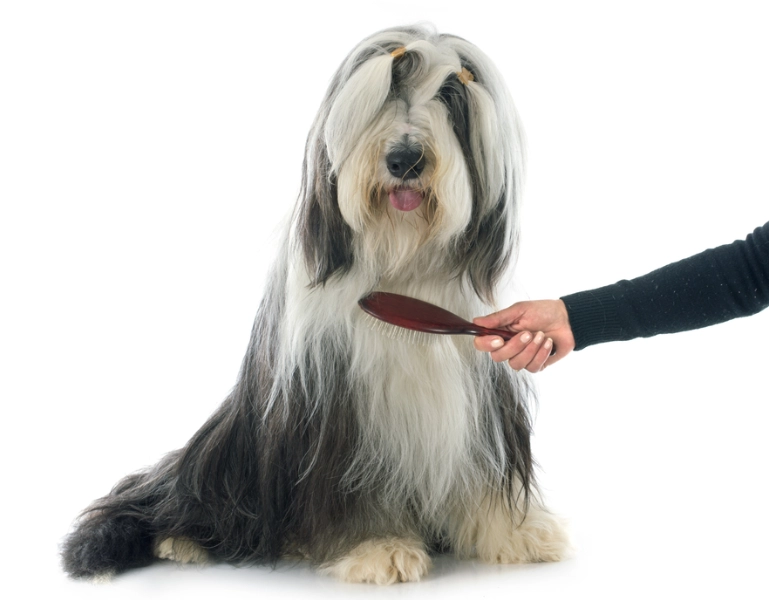
When the Fur Really Flies: Understanding Seasonal Patterns
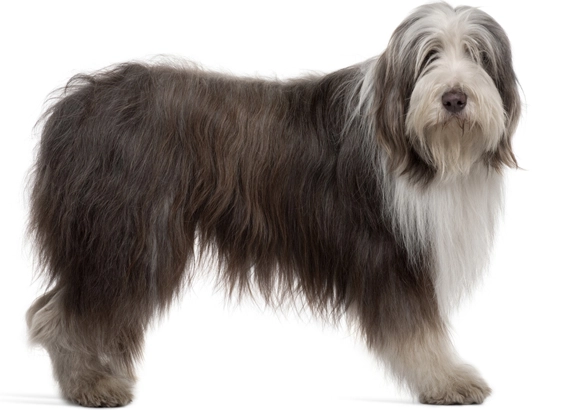
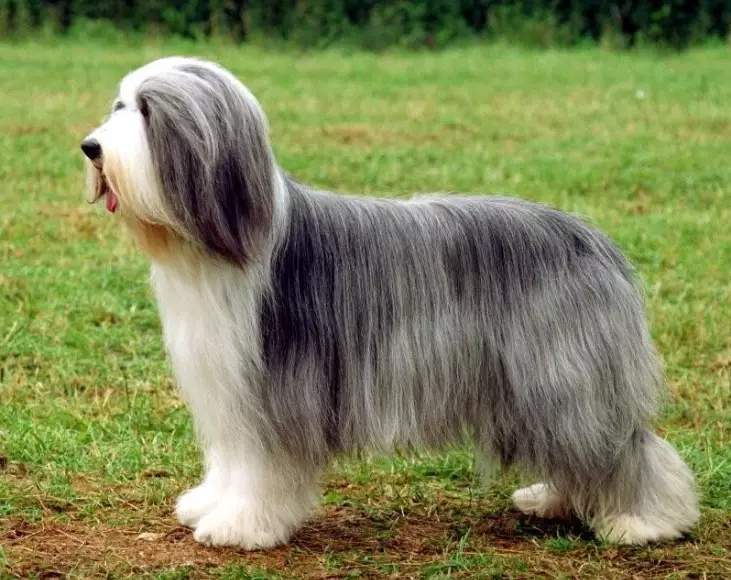
Your Anti-Shedding Arsenal: Tools That Actually Work
Tool
Primary Use
How Often & Tips
Undercoat Rake
Removing loose undercoat during seasonal blows. Gets deep without hurting skin.
Daily during heavy sheds. Use in sections, gently lifting the topcoat first. The Chris Christensen brand is worth the investment.
Slicker Brush
Detangling and removing smaller mats, catching surface-level loose hair.
2-3 times a week. Use a gentle touch to avoid "brush burn" on the skin. Look for pins with rounded ends.
Metal Greyhound Comb
The final check. If it doesn't glide smoothly to the skin, there's a tangle or packed undercoat you missed.
Every grooming session. Comb after brushing. This is your quality control tool.
De-shedding Tool (e.g., Furminator)
Controversial pick. Can be effective for undercoat but MUST be used with extreme caution.
Sparingly, only during heavy sheds. Never use more than once a week, and avoid the same spot repeatedly, as it can cut healthy topcoat.
High-Velocity Dryer
The game-changer. Blows out loose, dead undercoat like magic after a bath.
After every bath. Even just using it on a dry coat (cool setting) weekly can loosen hair. It's loud but transformative.
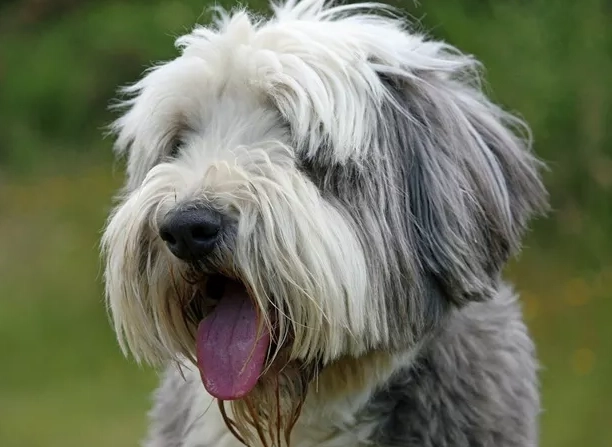
Building a Shedding Management Routine That Sticks
The Weekly Session (30-45 minutes)
The Daily Touch-Up (5 minutes)
The Bath & Blowout (Every 4-6 Weeks)
Can Diet Reduce Shedding? A Realistic Look
Common Mistakes That Make Shedding Worse
Your Bearded Collie Shedding Questions, Answered
My Bearded Collie puppy isn't shedding much. Is this normal?
Completely normal. Puppies have a soft, single coat. They won't start growing their adult double coat and experiencing real seasonal shedding until they are between 8 to 14 months old. Enjoy the relative hair-free period while it lasts—it's the calm before the fluffy storm.
Why is my Beardie shedding excessively in clumps all year round?
Constant heavy clumping is a red flag. First, rule out medical issues with your vet. Allergies (food or environmental), hormonal imbalances (like thyroid problems), parasitic infestations (mites, fleas), or skin infections can all cause abnormal shedding. Stress is another big, often overlooked, factor. A major routine change, a new pet, or anxiety can trigger a shed.
What's the best vacuum for Bearded Collie hair?
You need a vacuum with strong suction and a brush roll designed for pet hair that won't constantly clog. Canister vacuums or uprights with a sealed HEPA system are top choices. Brands like Miele, Sebo, or Shark's pet-specific models are popular among Beardie owners. A robot vacuum (like a Roomba) for daily maintenance between big cleans is a lifesaver for keeping tumbleweeds at bay.
Are there any "low-shedding" lines of Bearded Collies?
No reputable breeder breeds for "low-shedding" Bearded Collies. The double coat is a breed standard characteristic essential for their original working function. Anyone advertising this is likely not prioritizing breed health and should be avoided.
How can I tell the difference between normal shedding and a skin problem?
Look beyond the hair. Normal shedding hair comes out easily, often in tufts of undercoat, and the skin underneath looks pink and healthy. Signs of a problem include: patchy hair loss, redness or inflammation of the skin, excessive scratching or licking, a foul odor, the presence of scabs or bumps, or hair that breaks off easily rather than releasing from the follicle. If you see any of these, schedule a vet visit.
Comment