Let's cut to the chase. You've seen the pictures—those long ears, droopy eyes, and a body that seems to hug the earth. The Basset Hound looks like a walking, snoring embodiment of melancholy. But if you think their temperament matches that perpetually worried expression, you're in for a surprise. I've lived with Bassets for over a decade, and the gap between their look and their personality is one of the breed's greatest charms (and occasional frustrations). Their core temperament is a fascinating, sometimes contradictory mix of gentle affection, single-minded determination, and serene laziness. It's not for everyone, but for the right home, it's pure magic. Forget generic labels. To understand a Basset Hound's temperament, you need to break it down. It's not just "calm" or "stubborn." It's a specific recipe. This is the foundation. Basset Hounds are remarkably sweet-natured and even-tempered. They rarely show aggression. Their mission is to be near you, preferably touching you. They'll follow you from room to room just to flop down at your feet. This isn't high-energy Velcro dog behavior; it's a calm, persistent companionship. They're happiest as part of the pack, whether that's humans, other dogs, or even cats. Here's where new owners get tripped up. That "stubbornness" isn't defiance. It's an overwhelming genetic programming. According to the American Kennel Club, Bassets are scent hounds, bred to follow a trail for miles independently. When that nose hits the ground, their brain tunes out everything else—including your calls. It's not that they won't listen; it's that they can't hear you over the symphony of smells. Thinking they're just being disobedient is the first mistake most people make. A crucial tip most miss: You can't train the nose out of them. The goal isn't to stop the sniffing; it's to manage it. Always use a leash or a fully secured yard. A fenced area isn't a suggestion; it's a non-negotiable requirement for safety. Indoors, they are champions of relaxation. An adult Basset is content with a couple of short, meandering walks and then hours of serene lounging. They have a surprisingly low energy level for a dog their size. Don't expect a jogging partner. Do expect a superb nap buddy who appreciates a good sofa. But here's the twist: they have bursts of playful, almost puppy-like energy, often in short, goofy zoomies around the living room. It doesn't last long, but it's a reminder of their hound spirit. They don't bark much, but oh, do they communicate. The Basset Hound's voice is legendary—a deep, resonant bay (often described as a "baroo") that carries. They use it when excited, when they smell something intriguing, or sometimes just to hear their own magnificent voice. If you have close neighbors in an apartment, this is a serious consideration. It's not constant yapping, but when it happens, everyone knows. Bassets are generally friendly with strangers and other dogs. They're not guard dogs. However, they can be a bit reserved or dignified upon first meeting, more likely to give a dignified sniff than an exuberant greeting. Once they decide you're okay, you're in. This is a top search for a reason. The short answer is often yes, but with critical context. Their gentle, tolerant nature makes them excellent companions for children who understand how to interact respectfully with dogs. They can handle clumsy petting better than a skittish toy breed. However, their long back and heavy bone structure make them susceptible to injury. A child trying to ride a Basset or a toddler falling on them can cause serious harm. Supervision is non-negotiable. Teach kids to pet gently, not to pull on those irresistible ears, and to give the dog space when it's sleeping or eating. A Basset's food motivation is high, and while not typically food-aggressive, it's best to avoid testing those limits. With other pets, they usually excel. Their pack-oriented temperament means they often enjoy the company of other dogs. Their low prey drive (for a hound) means they can frequently coexist peacefully with cats, especially if raised together. The main issue? Their scent drive might lead them to relentlessly follow and annoy a cat that doesn't want to play. The biggest mistake I see: People get a Basset puppy because they're "great with kids," then don't teach the kids how to behave. The dog's tolerance is a gift, not an excuse for poor manners. Set both the child and the dog up for success with clear rules. Let's reframe this. You're not training a Border Collie. You're negotiating with a furry, scent-obsessed diplomat who values treats and comfort above all else. Forget punishment-based methods. They shut down. Positive reinforcement is the only path. High-value treats (think cheese, chicken, not just kibble) are your currency. Keep sessions short, fun, and end on a success. Priority #1: Leash Manners. Given their pulling power and nose, a loose-leash walking skill is more important than a perfect "sit." Use a front-clip harness to gently discourage pulling without strain on their neck. Priority #2: Reliable Recall. This is the holy grail and the hardest. Never call them for something negative (like a bath or nail trim). Practice in a boring, enclosed space with amazing rewards. In the real world, assume recall will fail if a scent is involved. Management (leash, fence) is your safety net. Housebreaking can take longer than other breeds. Be patient, consistent, and never punish accidents. They learn well from routine. One trick that works wonders? Use their love of food for puzzle toys and snuffle mats. It engages their brain and nose in a positive way, tiring them out mentally. Their temperament directly shapes their care needs. Don't just fall for the face. Ask yourself: If you answered yes, you might just be ready for one of the most charming, loving, and character-filled companions out there. They're not the easiest dog, but for those who understand them, they are among the best.What You'll Discover in This Guide
The 5 Core Personality Traits That Define a Basset
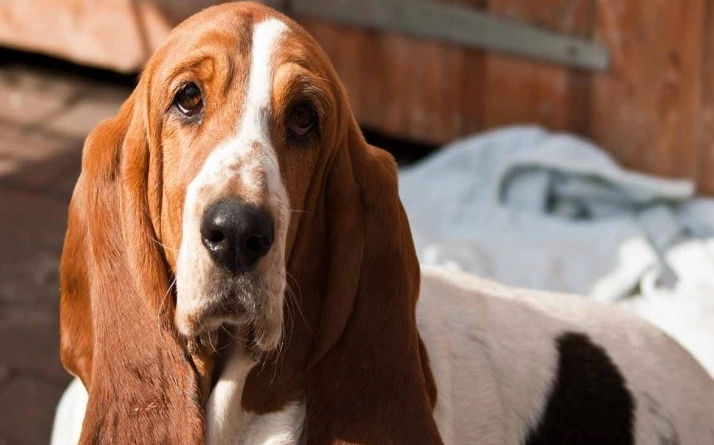
1. The Gentle Glue
2. The Nose-Driven Philosopher (a.k.a., The Stubborn Streak)
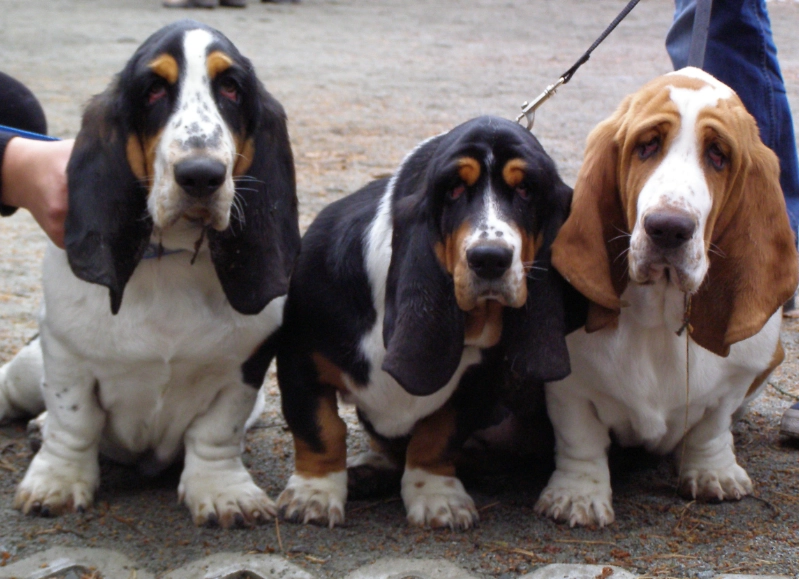
3. The Calm Couch Connoisseur
4. The Vocal Communicator
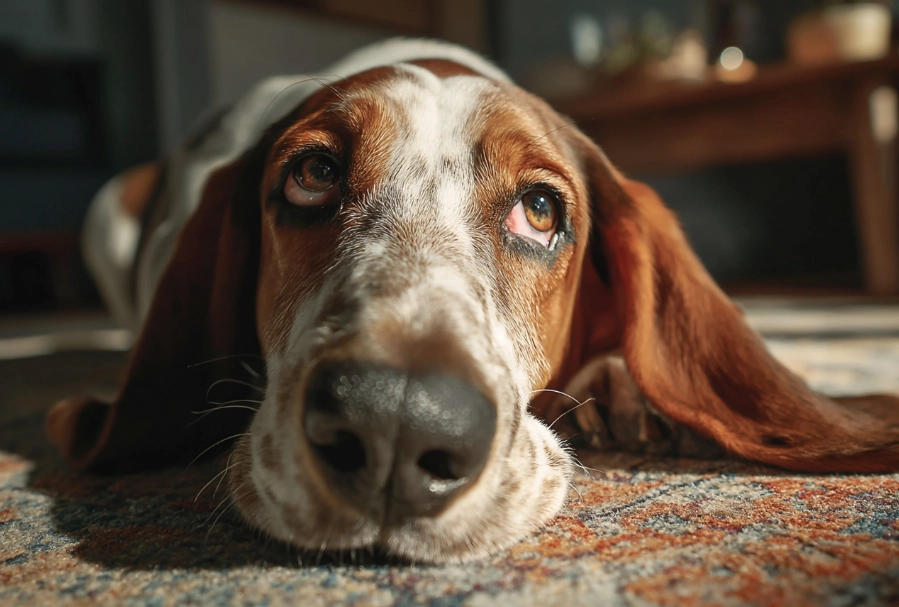
5. The Friendly, Sometimes Aloof, Ambassador
Trait
What It Looks Like in Real Life
Common Misunderstanding
Gentle & Affectionate
Leaning against your legs, sighing contentedly, seeking physical contact.
Being "needy" or anxious. It's usually just contentment.
Nose-Driven ("Stubborn")
Ignoring recall on a walk when a squirrel trail is found; digging at a fence line where a rabbit passed.
Being deliberately disobedient. It's instinct overriding training.
Calm & Low-Energy
Sleeping 14+ hours a day, happy with short sniff walks.
Being lazy or unhealthy. It's their normal metabolic rate.
Vocal
Baying at the mail carrier, "talking" back when you ask a question.
Excessive barking. It's specific, communicative baying.
Friendly but Dignified
Accepting pets from strangers calmly, not jumping up.
Being cold or uninterested. They show love quietly.
Are Basset Hounds Good with Kids and Other Pets?
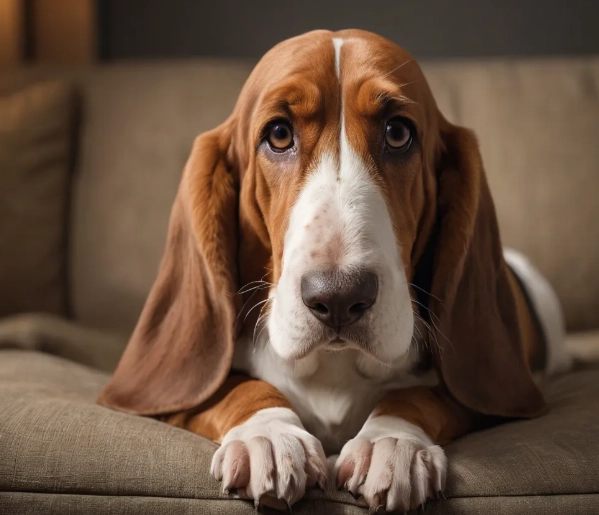
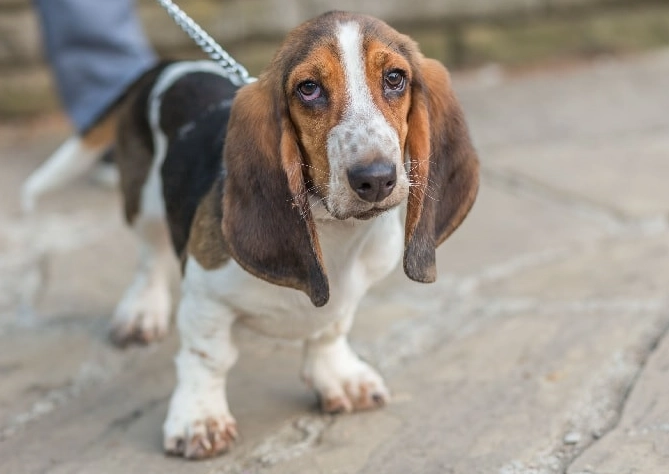
How to Train a Stubborn Basset Hound?

Daily Life with a Basset: The Nitty-Gritty
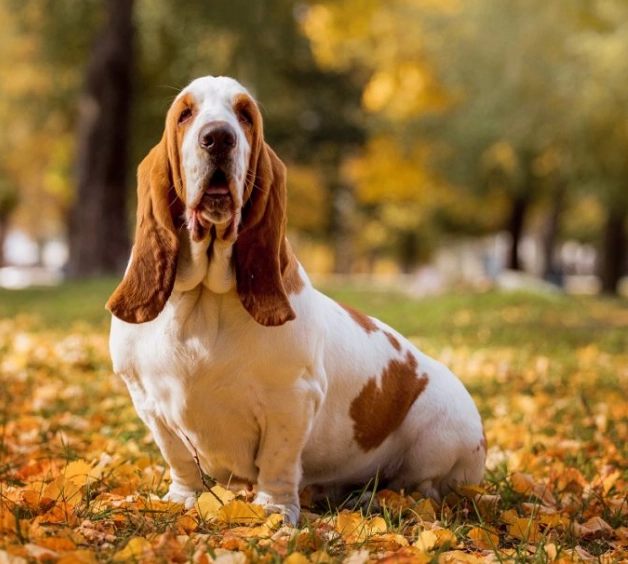
Is a Basset Hound the Right Dog For You? A Final Checklist
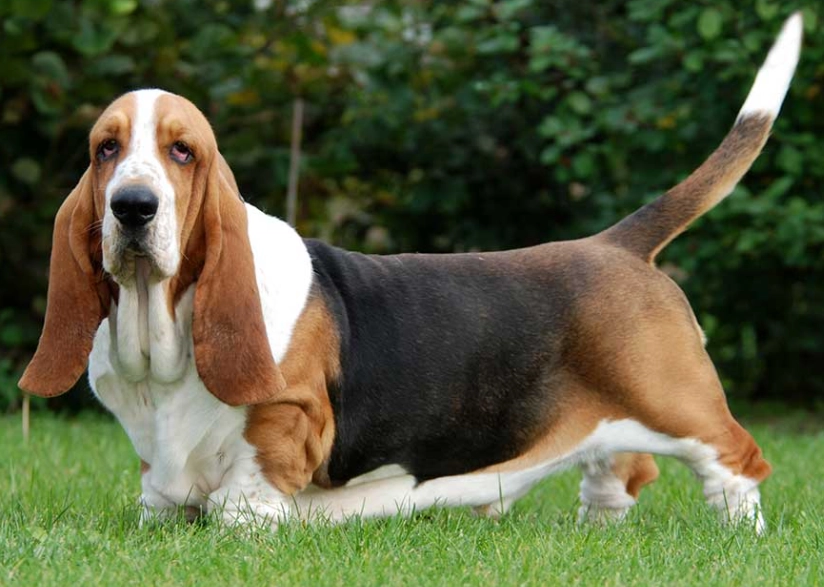
My Basset Hound won't come when called during walks. What can I do?
First, stop calling if you know you can't enforce it—you're teaching them to ignore you. Go back to basics in a distraction-free zone like your living room. Use a long leash (15-30 ft) in a safe, open area like a empty tennis court. Let them wander, then call cheerfully and reel them in gently with the leash while offering a jackpot reward (multiple pieces of chicken). The leash prevents the choice to ignore you. Gradually increase distractions. Understand that in a truly scent-rich environment, recall may always be a gamble. Your primary tool is prevention: a secure harness and leash.
Are male or female Basset Hounds calmer?
Individual personality matters far more than sex. I've had laid-back males and energetic females, and vice-versa. The stereotypes don't hold much water with Bassets. Focus more on the specific dog's energy level and the breeder's assessment of their temperament. A good breeder will match you with a puppy whose disposition suits your lifestyle, regardless of gender.
My Basset follows me everywhere, even to the bathroom. Is this separation anxiety?
Probably not. This is classic Basset Hound pack behavior. They are bred to work and live in a group. Following you is a sign of bonding and contentment. True separation anxiety involves destructive behavior, excessive vocalization, or house-soiling when you're actually gone. If they just like to be in the same room, that's just being a Basset. You can encourage independence by giving them a fantastic chew or puzzle toy in another room while you're home, creating positive associations with being alone for short periods.
Why does my Basset Hound howl when I leave the house?
This could be boredom, a protest, or mild anxiety. Bassets are vocal and use their voice to express emotion. To address it, make your departures low-key (no big goodbye scenes) and create a positive routine. Give them a special, long-lasting treat (like a frozen Kong stuffed with peanut butter) that they only get when you leave. This creates a "good thing" association with your departure. Also, ensure they've had a good sniff walk beforehand to be mentally tired. If the howling is intense and paired with destruction, consult a vet or behaviorist to rule out full-blown separation anxiety.
Comment