So, you've got a Basset Hound, but yours looks a bit… different. Those soulful eyes and long ears are there, but the coat? It's softer, longer, maybe even a bit wavy. You're not seeing things. While the classic image is of a short, smooth-haired dog, some Bassets are genuinely fluffy. My friend's dog, Barnaby, was one. He looked like a teddy bear crossed with a floor mop, and he taught me more about niche dog care than any book could. This isn't about a "rare breed"—it's about understanding the genetics and, more importantly, the real, daily commitment a fluffy coat demands. Let's cut past the generic advice and talk about what it's actually like.
Your Quick Guide to Fluffy Bassets
What Makes a Basset Hound Fluffy?
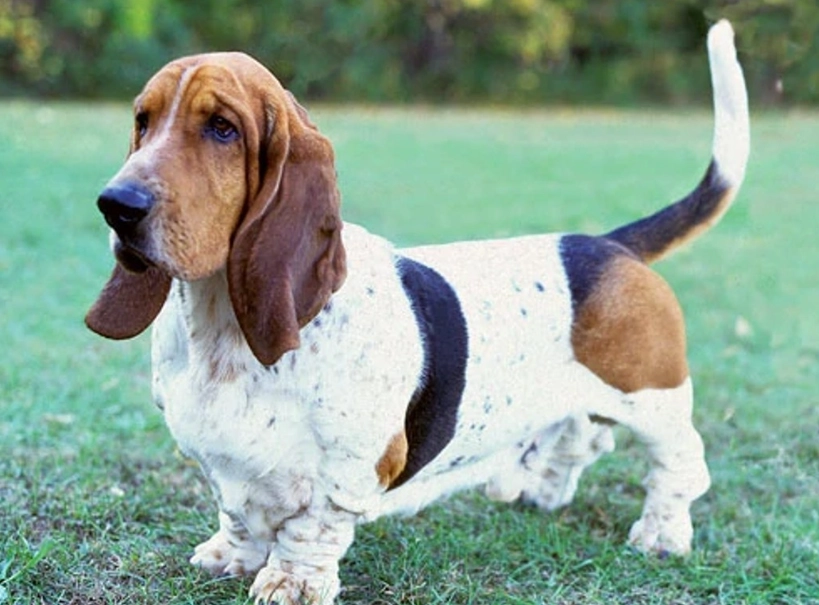
First, let's demystify this. The American Kennel Club breed standard describes the Basset Hound coat as "hard, smooth and short." So where does the fluff come from? It's almost always a recessive gene. Both parents must carry it for a puppy to express the longer, softer coat. This isn't a designer trend; it's a natural, if less common, variation. Sometimes it's just a puppy coat that stays a bit longer into adulthood. Other times, you might have a mix—perhaps a Basset crossed with a longer-haired breed like a Cocker Spaniel (creating what some call a "Bocker").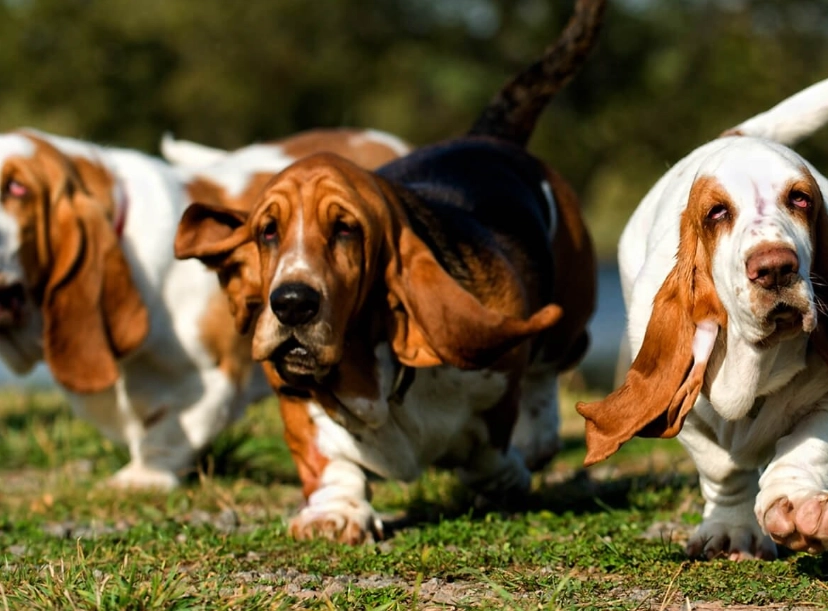
The key difference is maintenance. A standard Basset's coat is famously low-maintenance. A fluffy Basset's coat is not. It mats. It traps everything from burrs to last night's dinner drool. It requires a proactive approach, not a reactive one.
Pro Tip: Don't get hung up on labels like "long-haired." Focus on the coat you have. Is it over an inch long? Does it have a soft, dense undercoat? If yes, you're in the fluffy care category, regardless of pedigree.
The Non-Negotiable Daily Care Routine
This is where most owners slip up. They treat their fluffy Basset like a standard one, and problems snowball. Here’s the daily checklist that became second nature with Barnaby.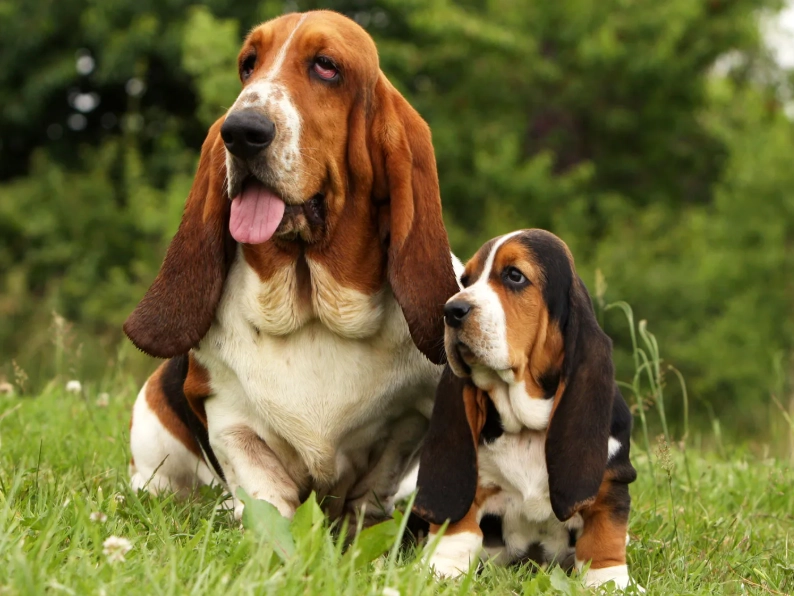
1. The Ear Check & Wipe (Non-Negotiable)
All Bassets have ear issues. Fluffy ones? It's worse. The hair inside the ear canal can be thicker, restricting airflow. After every walk, lift those velvety ears. Look for redness, smell for a yeasty odor. Use a vet-approved ear cleaner on a cotton pad, not a Q-tip. Just wipe the parts you can see. I made the mistake of neglecting this for two busy days once. The resulting ear infection cost me $300 and two weeks of medicated drops.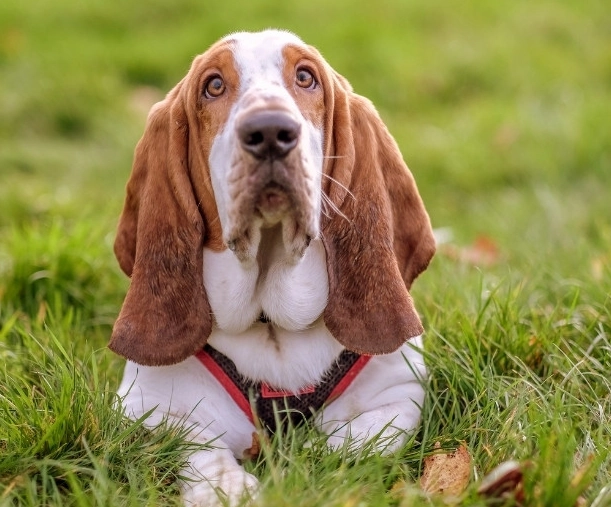
2. The Paw & Leg Feathering Patrol
The long hair on the backs of their legs and between their toes is a magnet for mud, ice balls, and grass seeds. After outdoor time, run your fingers through it. Feel for mats starting to form. Keep this hair trimmed shorter than the rest of the body—it's functional, not just decorative.
3. The Wrinkle & Lip Fold Cleaning
Drool plus deep skin folds plus fluffy facial hair is a bacterial party waiting to happen. Use a soft, damp cloth to gently dry the folds around the mouth and nose daily. A dab of cornstarch can help keep the area dry, but avoid powders with zinc oxide.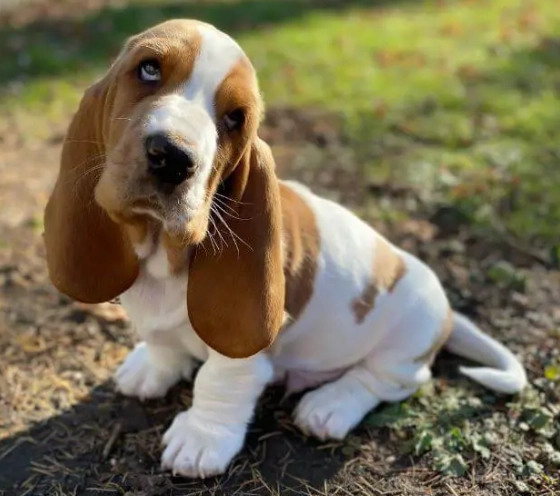
Grooming Deep Dive: Tools & Techniques
Forget the all-in-one slicker brush. You need a toolkit.
| Tool | Purpose | Frequency |
|---|---|---|
| Undercoat Rake | To reach through the topcoat and remove the dense, shed undercoat before it mats. | 2-3 times per week |
| Pin Brush | For general brushing, distributing natural oils, and finishing. Gentle on the skin. | Daily to every other day |
| Mat Splitter/Comb | NOT scissors. For carefully working apart small mats before they become pelted. | As needed during brushing |
| De-shedding Tool | Like an undercoat rake but more aggressive for seasonal sheds. Use gently. | During heavy shed seasons |
| Electric Clippers | For sanitary trims (belly, rear), paw pads, and keeping leg feathering manageable. | Every 4-6 weeks |
Bathing should be done every 4-6 weeks with a gentle, oatmeal-based shampoo. The real secret is the pre-bath brush. Never bathe a matted coat—it will tighten the mats into impossible knots. Rinse thoroughly, as leftover shampoo in that dense coat is a major skin irritant. Dry completely with a high-velocity dryer on a cool setting. Air-drying a fluffy Basset invites moisture-loving skin fungus.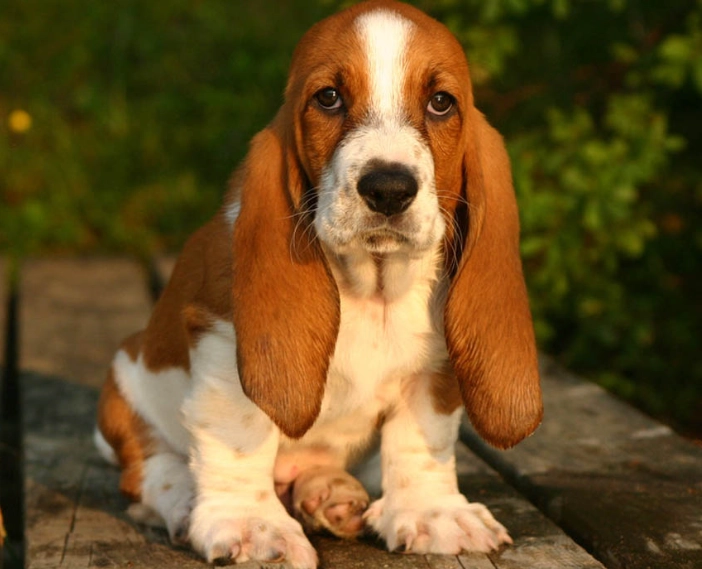
Health Risks Magnified by the Fluff
Every Basset health concern is amplified by a long coat. You're not just managing the condition; you're managing it through the fur.
Interdigital Cysts: Those painful lumps between the toes are harder to spot and keep clean with hair in the way. You'll likely need to keep the hair between the pads shaved short year-round.
Obesity: It's easier to miss weight gain when it's hidden under a floofy coat. You must rely on the hand test. Run your hands along their sides. You should easily feel the ribs without pressing. If you have to search for them, it's diet time.
Hot Spots (Acute Moist Dermatitis): These weeping sores can spread under the coat with terrifying speed. A damp spot you brush over one day can be a palm-sized raw patch the next. Prevention is key: absolute coat dryness after wet weather or swimming, and immediate vet attention at the first sign of licking or redness.
Regular vet checks are crucial. A good vet will understand the extra layer of complexity a fluffy coat adds to diagnosing skin and joint issues.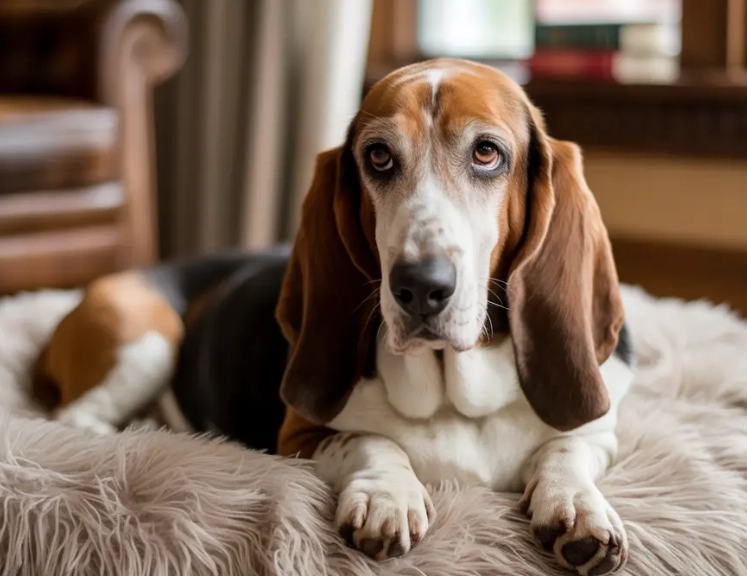
Finding and Choosing a Fluffy Basset Hound
If you're seeking one out, proceed with extreme caution.
- Reputable Breeders: An ethical Basset Hound breeder focusing on health and temperament may occasionally have a fluffy puppy in a litter due to recessive genes. They should be upfront about it, explain the care differences, and price it the same as its littermates. If they're marketing "rare long-haired Bassets" at a premium price, red flag.
- Rescue & Shelters: This is where many fluffy Bassets end up. Their grooming needs overwhelmed a previous owner. Adopting an adult lets you see the full coat and any existing skin conditions. Organizations like Basset Hound Rescue often have mixes and unique-coat dogs.
- The Reality Check: Ask yourself: Can I commit 20-30 minutes of grooming every other day, without fail? Can I budget for professional grooming every 6-8 weeks? If the answer isn't a firm yes, a standard-coated Basset is a far more suitable—and ultimately happier—choice for your lifestyle.
Your Fluffy Basset Questions Answered
Living with a fluffy Basset Hound is a unique journey. It's more work, there's no sugarcoating that. But for those willing to put in the time, the reward is an incredibly soft, expressive dog with all the charming stubbornness and loyalty of the breed, wrapped in a cuddlier package. It's not for everyone, but if it's for you, you'll never want another kind of dog.
Reader Comments