You've seen the photos – those soulful eyes, those long velvety ears, that comically serious expression. Basset Hound puppies have a way of wiggling straight into your heart. But behind that adorable, wrinkly facade is a complex little hound with specific needs that many first-time owners aren't prepared for. I learned this the hard way with my first Basset, Winston, over a decade ago. This guide isn't just a rehash of breed standards; it's the manual I wish I'd had, packed with the nitty-gritty details that actually matter when you bring one of these charming, stubborn, and utterly lovable pups home.
What's Inside This Guide
- Finding Your Basset Hound Puppy: More Than Just a Pretty Face
- What to Expect from Your Basset Hound Puppy
- Setting Up Your Home for a Low-Rider Puppy
- Basset Hound Puppy Health Care: The Non-Negotiables
- How to Train Your Basset Hound Puppy (Yes, It's Possible)
- Your Basset Hound Puppy Questions, Answered
Finding Your Basset Hound Puppy: More Than Just a Pretty Face
Let's be brutally honest: the cute factor is a powerful draw. But where you get your puppy sets the stage for everything that follows. You'll see prices ranging from $800 to over $2500. The low end often signals a red flag.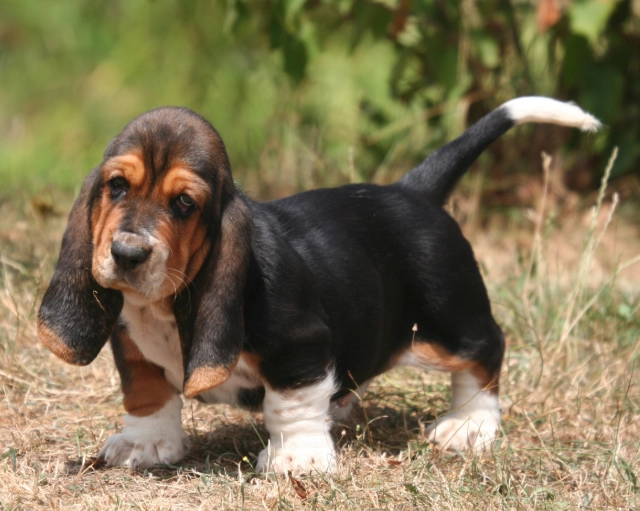
The backyard breeder trap: They'll show you the puppies in a cozy setting, maybe even let you meet the "mom" (who might just be a rented dog). The paperwork is vague. They prioritize "rare" colors like blue or red (which aren't standard and can be linked to skin issues) and can't provide detailed health clearances for the parents beyond a basic vet check. This is where future heartache and vet bills are born.
A responsible breeder, like those affiliated with the American Kennel Club or the Basset Hound Club of America, operates differently. They'll grill *you* with questions. They'll proudly show you OFA (Orthopedic Foundation for Animals) certifications for the parents' hips, elbows, and eyes, and likely tests for Thrombopathia, a bleeding disorder in the breed. They'll discuss the lineage, temperament, and have a contract that includes a health guarantee and a clause requiring you to return the dog to them if you can't keep it, ever.
Rescue is a noble path. Basset Hound rescues are common because people underestimate the breed. You might find a young dog past the puppy-chewing phase but with all the Basset personality. The process involves an application, home check, and an adoption fee (typically $300-$500) that covers vetting.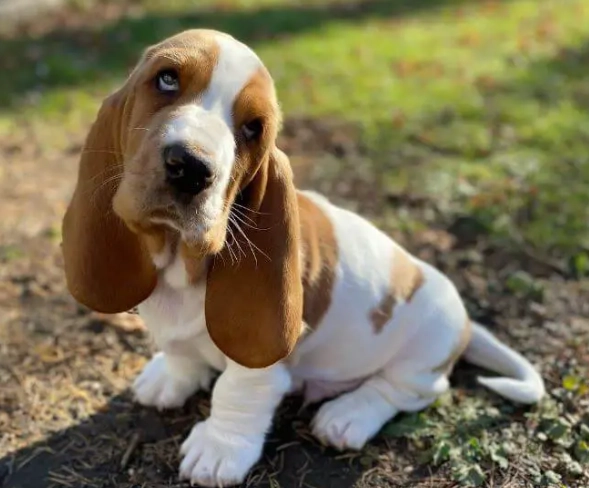
What to Expect from Your Basset Hound Puppy
Forget the cartoon image of a lazy dog. A Basset puppy is a scent hound engine in a low-slung chassis. Their world is led by their nose, which is millions of times more sensitive than yours.
Here's a reality check on the first few months:
| Age | Key Traits & Challenges | Owner Focus |
|---|---|---|
| 8-12 Weeks | Extreme curiosity, mouthing/nipping, beginning of stubborn streak. Sleeps a lot but has bursts of energy. | Safe exploration, bite inhibition training, starting potty training routine. Everything is new and scary. |
| 3-6 Months | Teething peaks (chewing EVERYTHING). Selective hearing develops. Growth spurts make them clumsy. | Providing approved chew toys, reinforcing basic commands with high-value treats, protecting your furniture legs. |
| 6-12 Months | "Adolescent" defiance. Stronger scent drive. May test boundaries. Energy levels still significant. | Consistency is king. Leash training becomes critical. Mental stimulation (snuffle mats, food puzzles) is as important as physical walks. |
Their personality is a mix of gentle clown and determined investigator. They can be hilariously dramatic when they don't get their way (the famous Basset sigh and side-eye). They are pack dogs and will suffer from separation anxiety if left alone too much, too soon.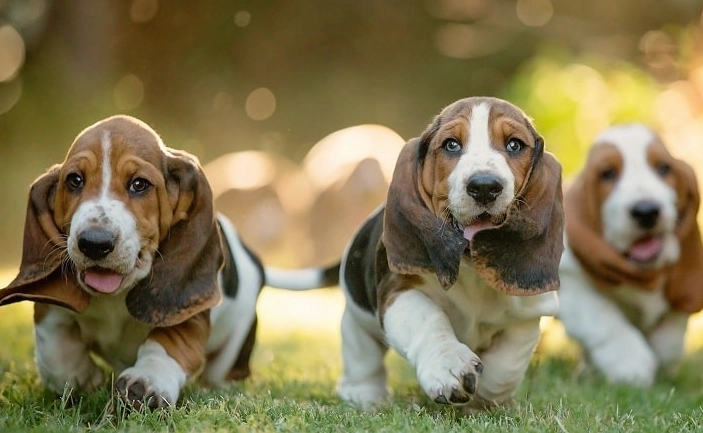
Setting Up Your Home for a Low-Rider Puppy
Think like a toddler, but one that's longer than it is tall. Puppy-proofing takes on a new dimension.
- Floor-level hazards: Electrical cords, small objects (coins, hair ties), cleaning supplies under sinks. They can reach countertops with their nose but not their eyes, so things can be knocked off easily.
- The stair debate: Many vets recommend limiting stair use until they are at least a year old to protect developing joints. A baby gate is essential. Carrying a growing Basset up and down gets old fast, so plan your living space accordingly.
- Food and water bowls: Use a raised feeder. It's not a luxury; it promotes better posture and reduces air intake, which helps with their notorious gas and potential bloat risk. A mat underneath catches the slobber waterfall that follows every drink.
- Bedding: Invest in a high-quality, orthopedic bed from the start. Their heavy bone structure needs support, and joint issues like elbow dysplasia are a concern.
Basset Hound Puppy Health Care: The Non-Negotiables
Routine vet care is just the start. Basset Hounds have anatomical quirks that demand proactive attention.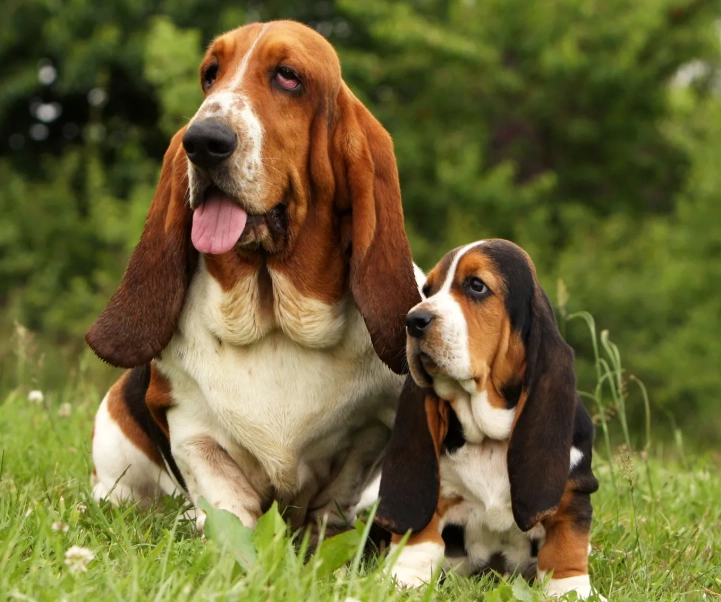
Ears: The #1 Maintenance Task
Those magnificent ears trap moisture, dirt, and yeast. A weekly ear cleaning with a vet-recommended solution is non-negotiable. The mistake I see? People just wipe the outer flap. You need to gently fill the canal, massage the base, and let them shake it out, then wipe the accessible parts. Signs of infection include head shaking, scratching, and a foul, sweet odor.
Eyes & Skin
The droopy lower eyelids (ectropion) can lead to exposure and irritation. Keep the area clean and dry. The deep skin wrinkles, especially around the face and neck, need regular wiping with a damp cloth and thorough drying to prevent painful fold dermatitis (skin fold pyoderma). A dab of cornstarch can help keep folds dry.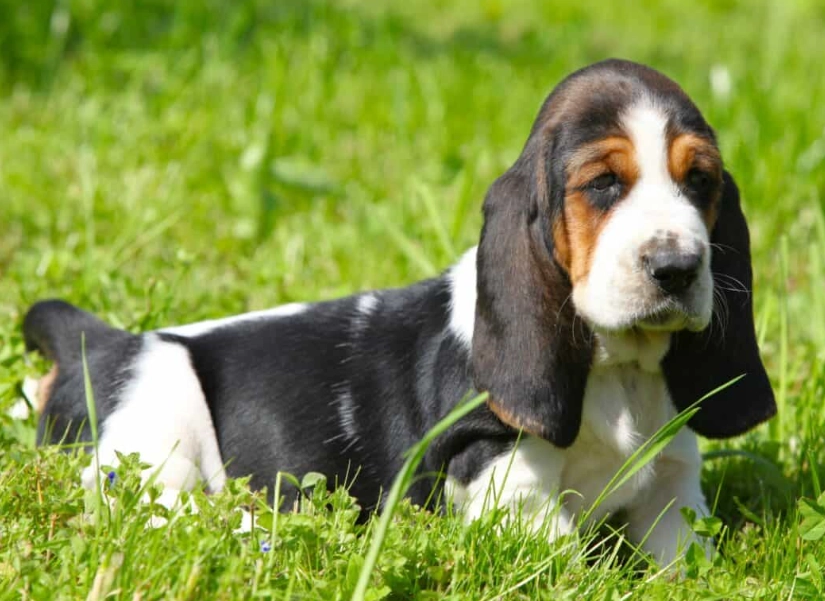
Weight Management from Day One
This is critical. An overweight Basset is a recipe for crippling back and joint problems. Follow your vet's feeding guide, but use your hands. You should always be able to easily feel their ribs under a thin layer of fat. Ignore the pleading eyes. Their body condition is more important than any temporary disappointment.
Pro Tip on Food: Discuss with your vet, but many experienced owners find that a diet formulated for large breed puppies, which controls calcium and phosphorus for slower bone growth, can be beneficial for Bassets despite their shorter stature, due to their dense, heavy bone structure.
How to Train Your Basset Hound Puppy (Yes, It's Possible)
Training a Basset is less about obedience and more about clever negotiation. They are intelligent but independent. The key is to make yourself more interesting than the fascinating smell on the ground.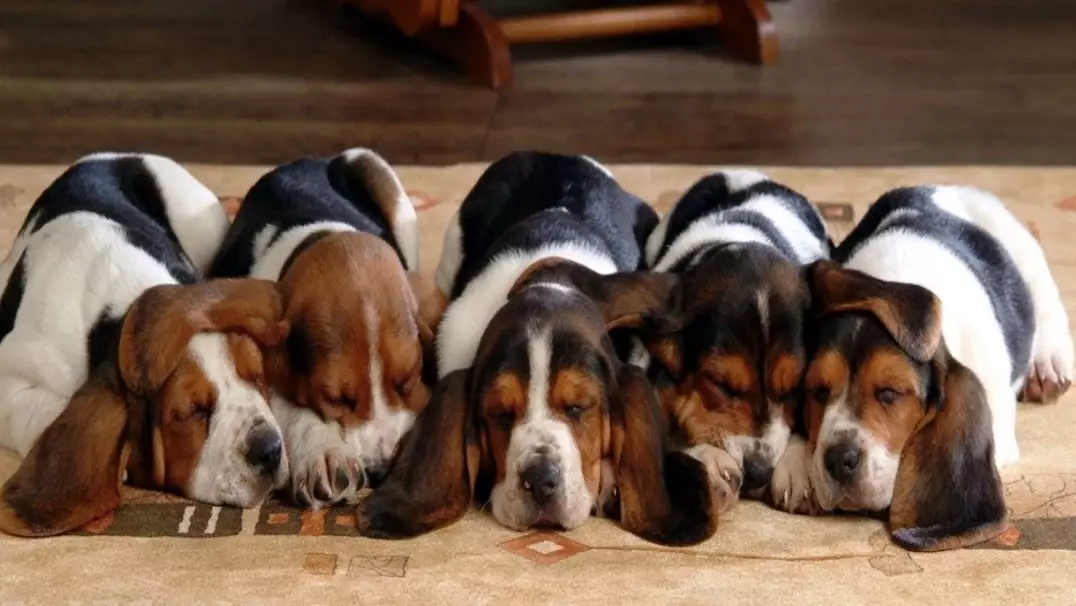
Recall (Come): This is your most important command and the hardest. Never punish a puppy for coming to you, even if it took five minutes. Start in a boring, enclosed space. Use a long line (30 ft leash) for safety in open areas. Their nose will override your voice, so manage your expectations and your environment.
Leash Walking: Forget the "heel." Aim for "loose leash" walking. A front-clip harness is a game-changer—it gives you steering control without choking. When they pull, stop walking. Move in another direction. Reward when the leash is slack. It's a marathon, not a sprint.
Housebreaking: They are notoriously slow to housebreak. Take them out:
- Immediately after waking up.
- 15 minutes after eating or drinking.
- After any play session.
- Every 1-2 hours otherwise.
Use a consistent phrase and throw a party when they succeed outdoors. Crate training is your best friend here.
The Crate: Make it a cozy den, not a prison. Feed meals in it. Give special chews in it. Never use it for punishment. A properly crate-trained Basset puppy sees it as their safe space and will help immensely with preventing accidents and destructive chewing when unsupervised.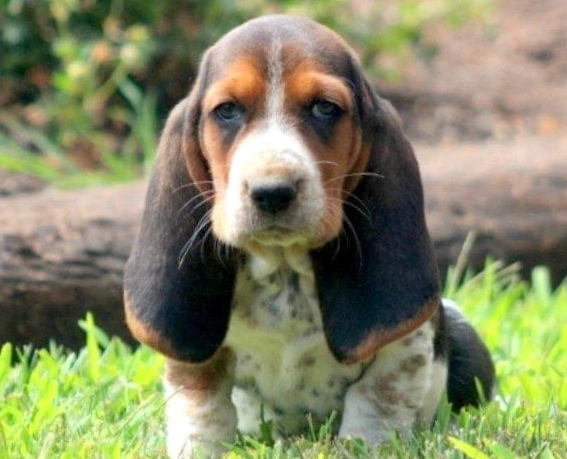
Reader Comments