If you're searching for the four types of Basset Hounds, you might be a bit confused. Here's the straight answer right up front: there's really only one officially recognized breed—the American Basset Hound. The term "types" usually refers to the main color and marking variations (tri-color, red & white, lemon & white) and sometimes includes the broader, heavier European-style dogs. So, the four commonly discussed categories are: the standard American show/companion type, the European working type, and the two main non-standard color patterns. Let's untangle this, so you can confidently identify any Basset you meet.
In This Guide
Understanding the 4 Basset Hound Types
First, let's clear the air. The American Kennel Club (AKC) and other major registries recognize one Basset Hound breed with a single breed standard. The idea of "types" comes from fanciers and breeders observing clear physical and stylistic differences, primarily driven by breeding goals.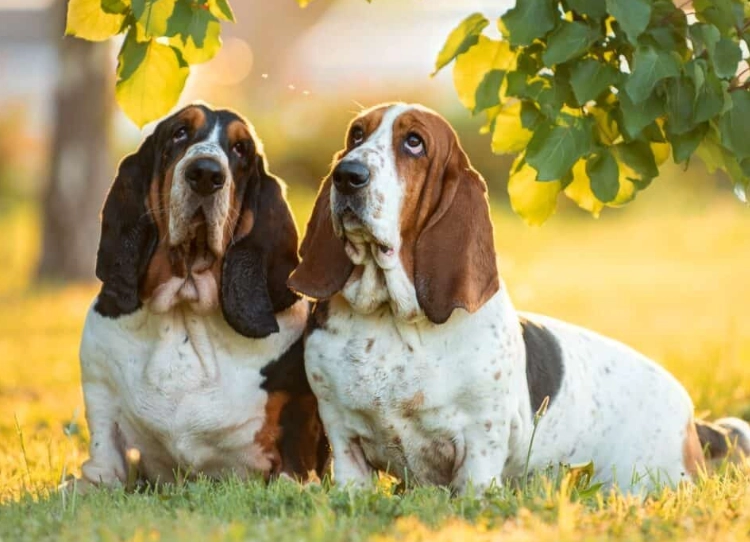
In the show ring in the US, you see a very specific look. Across the pond, especially in France (the breed's origin), the dogs often look more substantial. Then there's the color conversation—some stunning coats aren't allowed in the show ring but are genetically pure Basset. So when we talk types, we're talking about these practical groupings:
- The American Show/Companion Basset (AKC Standard)
- The European/Working-Type Basset (Often heavier, bred for field work)
- The Lemon & White Basset Hound (A specific, pale color variant)
- The Red & White Basset Hound (A rich, non-tri-color pattern)
The tri-color (black, white, and brown) is the most common and "standard" pattern, so it's not listed as a separate "type" here—it's the baseline.
The American Basset Hound (AKC Standard Type)
This is the Basset Hound you know from movies, TV, and most pet homes in North America. Bred primarily for companionship and conformation shows, this type emphasizes the classic, exaggerated silhouette.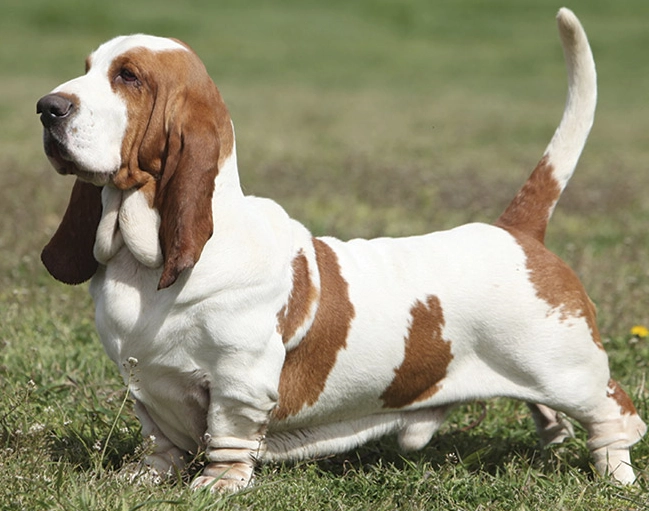
Physical Characteristics
Think of long, low, and balanced. The AKC standard calls for a dog not exceeding 14 inches at the shoulder. The front legs are short, powerfully crooked, with massive, wrinkled paws. The head is large but in proportion, with a pronounced dome and those iconic, velvety ears that should nearly reach the end of the nose if drawn forward. The skin is loose and elastic, forming noticeable dewlaps and wrinkles. The expression is gentle, serious, and slightly mournful.
Temperament and Care
This is the quintessential couch potato—with a nose that can suddenly activate like a radar dish. They are friendly, patient with children, and get along with other dogs. But that easygoing nature is a double-edged sword. They are notoriously stubborn. Training requires patience, high-value treats, and a good sense of humor. You don't command a Basset; you negotiate with one.
Care is straightforward but specific. Those ears need weekly cleaning to prevent infections. The loose skin, especially around the face and neck folds, should be kept dry and clean. They are food-motivated and gain weight easily, which puts immense strain on their long spine and short legs. A lean Basset is a healthy Basset.
The European-Style Basset Hound
Sometimes called the "European Basset," this isn't a separate breed but a style often seen in dogs from working or original European bloodlines. I've seen imports and dogs from breeders who prioritize field performance, and the difference is immediately apparent.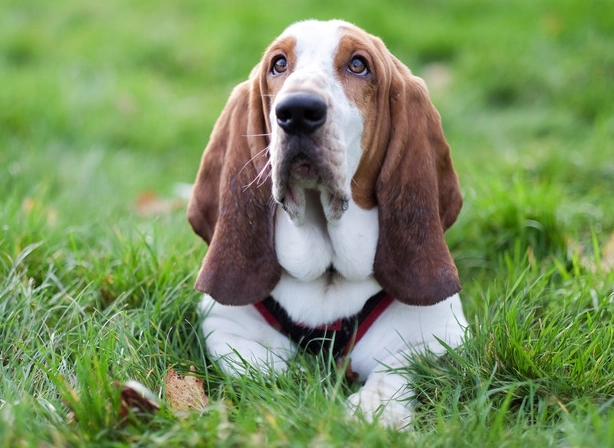
How to Spot the Difference
These dogs are often more substantial. They might stand a tad taller or, more noticeably, be significantly heavier-boned and have more muscle mass. The head can be larger and blockier. The looseness of the skin is sometimes less exaggerated than in the American show lines. They look like they could follow a scent trail through brambles all day—because their ancestors often did.
There's a common misconception that all European Bassets are "Artois-type" or "Normand-type." In reality, these are historical terms. Modern European Bassets, particularly in France, are still bred under the FCI standard, which allows for a bit more size and substance than the AKC standard.
Purpose and Temperament
This type retains a stronger hunting instinct. Their energy drive can be higher, and they may be more independent-minded. They are still wonderful companions, but prospective owners should be prepared for a dog that might be more vocal on scent and more determined to follow its nose. They are not necessarily more active, but they can be more intense when their hunting switch is flipped.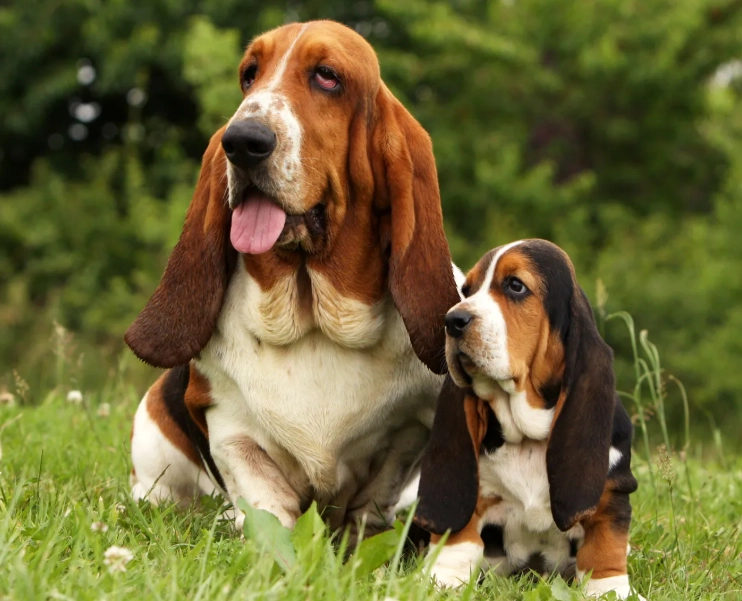
| Feature | American (AKC) Basset Hound | European-Style Basset Hound |
|---|---|---|
| Primary Focus | Conformation Shows, Companionship | Field Work, Hunting Heritage |
| Build | Exaggerated, low, balanced silhouette | More substantial, heavier bone, muscular |
| Size | Strictly under 15 inches (AKC Standard) | May approach or slightly exceed 15 inches |
| Skin & Wrinkles | Profuse, elastic skin; pronounced dewlap | Often slightly tighter skin, less exaggeration |
| Temperament Note | Placid, stubborn, highly food-motivated | Stronger hunting instinct, can be more independent |
Rare & Non-Standard Color Variants
Now for the pretty stuff. The AKC breed standard lists "any recognized hound color" as acceptable, but in practice, tri-color is the norm in the show ring. Two other beautiful, genetically pure patterns exist and are often sought after by pet owners.
Lemon & White Basset Hounds
This is not a yellow lab color. True lemon is a pale, creamy off-white to a light tan shade, always with white. The nose should be dark, not liver-colored. Puppies are often born mostly white, and the lemon patches darken slightly as they age. It's a recessive gene, making it less common. They have the same lovely temperament, but I'll admit, there's something extra charming about their softer hue. Sunburn can be a concern on their lightly pigmented skin, so sunscreen for dogs is a smart summer accessory.
Red & White Basset Hounds
This is a rich, mahogany, or chestnut red paired with white. It's a stunning, clean-looking combination. Like the lemon, it lacks the black "saddle" of the tri-color. The richness of the red can vary. Some dogs have a deep, almost Irish Setter red, while others are a lighter tan-red. They are not "more energetic" because of their color, despite old wives' tales.
A crucial point: Color has no bearing on health or temperament. A lemon & white Basset from a reputable breeder is just as healthy as a tri-color from the same breeder. The issue arises with "rare color" breeders who might prioritize color over health testing, which is a major red flag.
Health Considerations by Type
All Bassets, regardless of type or color, share common breed health concerns. However, the emphasis can shift slightly.
American (Show-Type): The extreme conformation can predispose them to certain issues. The very short, crooked legs and long back make them prone to intervertebral disc disease (IVDD). Keeping them at a lean weight is non-negotiable. Their deep chest also puts them at risk for bloat (GDV). Those magnificent ears are breeding grounds for yeast and bacteria, leading to chronic otitis externa if not maintained.
European-Style: While still at risk for IVDD and bloat, their more moderate build might slightly reduce the spinal stress. However, breeders focused on field performance must still test for common issues like thrombopathia (a platelet disorder) and hip dysplasia. Don't assume a "working" dog is automatically healthier; responsible health screening is key everywhere.
The biggest health factor is always the breeder. A good breeder tests for pancreatitis, eye conditions, and the aforementioned issues, regardless of whether they produce show dogs, field dogs, lemons, or tri-colors.
Choosing the Right Basset Hound for You
So, which of the four types is for you? It depends less on looks and more on lifestyle.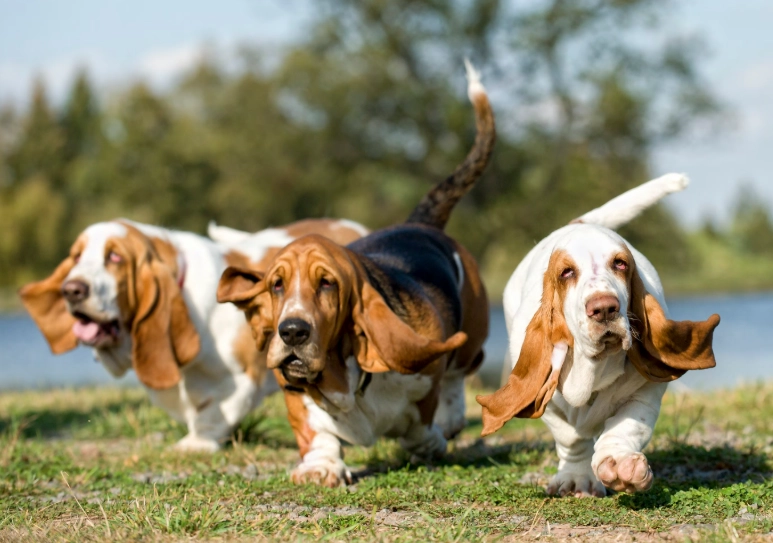
Choose the American show/companion type if you want the classic, wrinkly couch companion. You're prepared for meticulous ear and fold care, strict weight management, and you value that predictable, placid pet temperament.
Consider a European-style line if you're active and interested in scent work, barn hunt, or just want a dog with a stronger off-switch for its nose. Be ready for potentially more stubborn independence.
Choose a lemon & white or red & white because you love the color, but only if you find an ethical breeder who health tests first and breeds color second. Never buy from a website that advertises "rare colors" as their main selling point.
Visit breeders, meet their dogs—both parents if possible. See the environment. A good breeder will ask you more questions than you ask them.
Reader Comments