Jump Straight to What Matters
- The Basset Hound Temperament: Cuddlers or Not?
- How Basset Hounds Show Affection (It's Not Always Obvious)
- Practical Tips for Cuddling with Your Basset Hound
- Health Considerations When Cuddling Basset Hounds
- Common Myths About Basset Hounds and Affection
- FAQ: Your Cuddling Questions Answered by Experts
Let's cut to the chase: yes, most basset hounds do like to cuddle, but not in the way a golden retriever might. They're selective, stubborn, and have their own rules. I've owned bassets for over a decade, and my current dog, Barney, will hog the sofa for hours but only if he's in the mood. If you're wondering whether your basset will be a snuggle buddy, the answer is usually yes—with some important caveats. This article dives deep into their affectionate nature, backed by experience and research from sources like the American Kennel Club (AKC).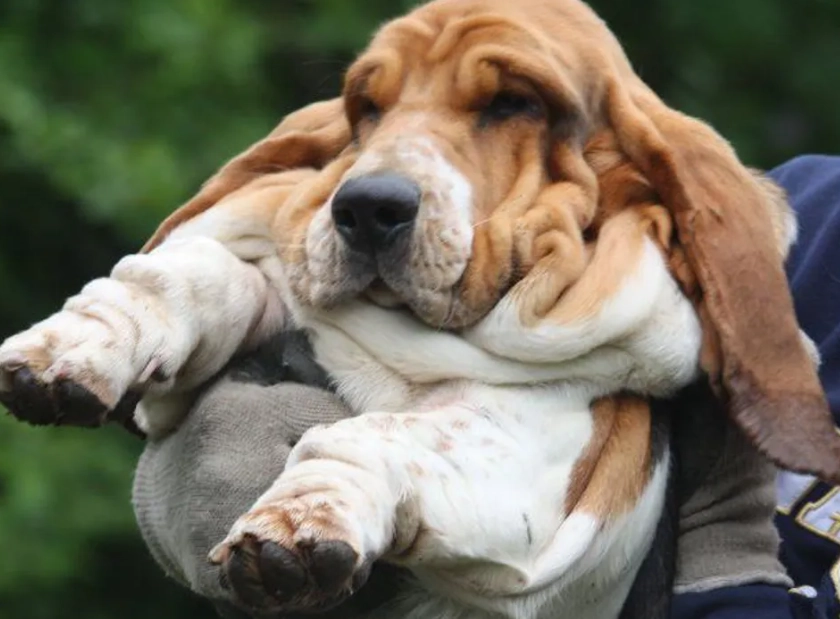
The Basset Hound Temperament: Are They Natural Cuddlers?
Basset hounds were bred for hunting, specifically trailing small game like rabbits. That means they're persistent, independent thinkers. But don't let that fool you—they're also pack animals who crave companionship. According to the AKC breed standard, bassets are "pleasant, devoted, and mild-mannered." In plain English, they're laid-back dogs who enjoy human company, but on their own terms.
Origins and Breeding Purpose
Their hunting background explains a lot. Bassets work slowly and methodically, which translates to a calm demeanor at home. They're not high-energy dogs begging for constant play. Instead, they prefer lounging around, making them prime candidates for couch cuddles. I've seen Barney spend whole afternoons snoozing at my feet, only moving for food or a bathroom break.
Personality Traits: Stubborn but Sweet
Here's where many owners get tripped up. Bassets are famously stubborn. If they don't want to cuddle, you can't force them. They might give you that classic sad-eyed look and walk away. But when they do choose to snuggle, it's genuine. They show affection through proximity—lying next to you, leaning against your legs, or resting their head on your lap. It's subtle, not in-your-face.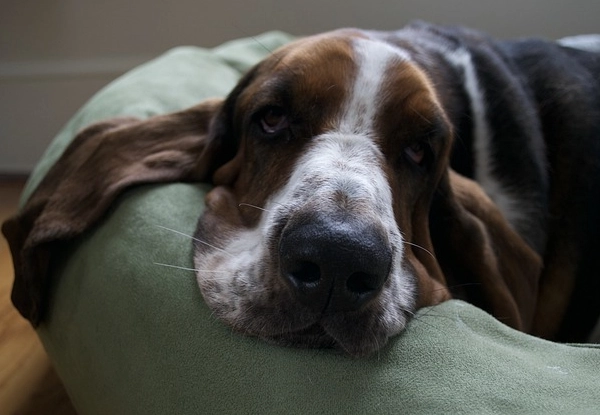
Key Takeaway: Basset hounds are affectionate but selective. They cuddle when they feel safe and comfortable, not on command. This isn't a flaw; it's part of their charm.
How Basset Hounds Show Affection (It's Not Always Obvious)
If you're expecting tail-wagging leaps into your arms, you'll be disappointed. Bassets express love in quieter ways. Watch for these signs:
- Leaning: They'll lean their weight against you, almost pushing you over. It's a trust gesture.
- Following you around: Not aggressively, but they like to be in the same room. My basset will trail me from the kitchen to the living room, then plop down nearby.
- Soft eye contact: Those droopy eyes might look sad, but when they gaze at you calmly, it's a sign of bonding.
- Snoring next to you: Seriously, if they fall asleep close by, they're comfortable. Bassets are vocal sleepers—their snores mean they're relaxed.
Cuddling vs. Independent Time
Bassets need balance. They might cuddle for an hour, then wander off to their bed. It doesn't mean they're upset; they just value alone time. This is a common misconception. New owners often think, "He left, so he doesn't love me." Not true. Respect their space, and they'll come back for more affection later.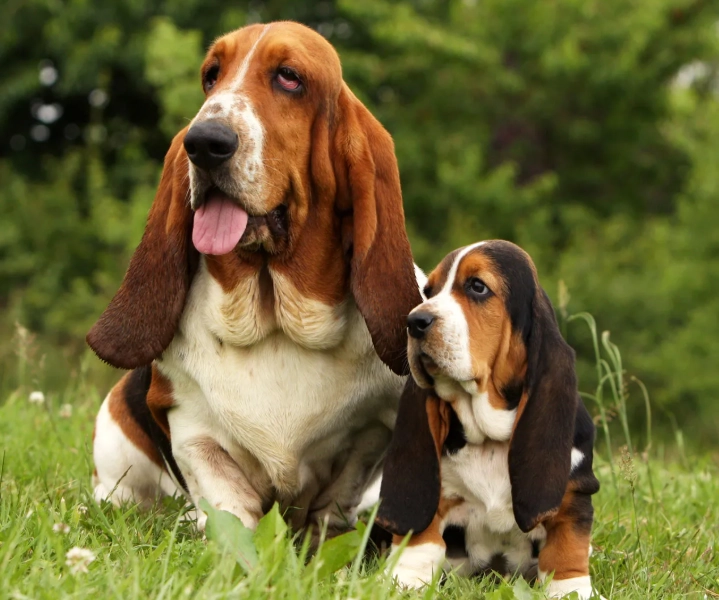
Practical Tips for Cuddling with Your Basset Hound
Want to encourage more snuggle sessions? Here's how, based on trial and error with multiple bassets.
Creating a Comfortable Environment
Bassets are sensitive to comfort. They hate hard floors or cramped spaces. Invest in a soft couch or a dog bed nearby. Keep the room at a moderate temperature—they overheat easily due to their dense coat. I learned this the hard way when Barney refused to cuddle in summer until I cranked up the AC.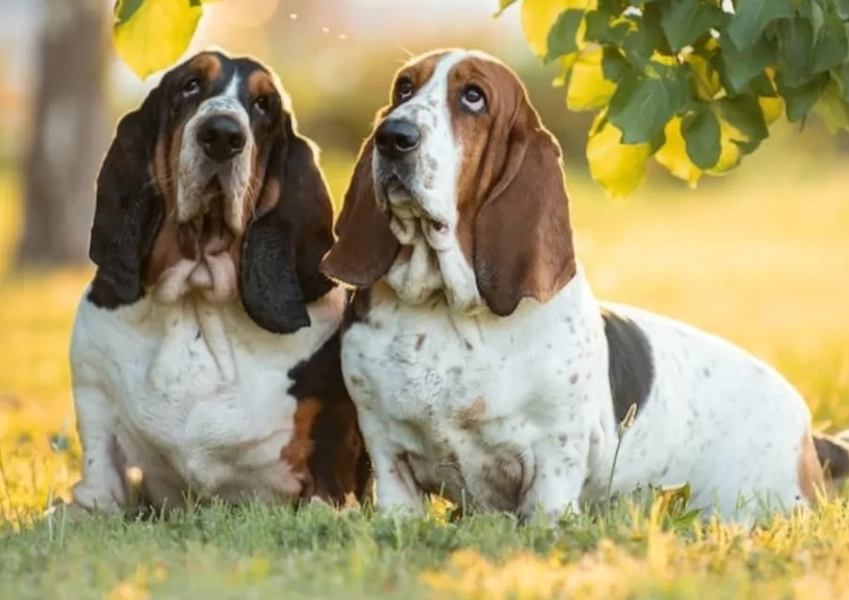
Respecting Their Boundaries
Never force cuddles. Start by sitting calmly and inviting them up. Use treats sparingly; you don't want them associating affection only with food. Instead, try gentle petting on their favorite spots: behind the ears or along the back. If they sigh and settle in, you're golden. If they get up, let it go.
Timing matters. Bassets are most cuddly after meals or walks, when they're tired. Mornings can be hit or miss—some are groggy, others energetic. Observe your dog's rhythm.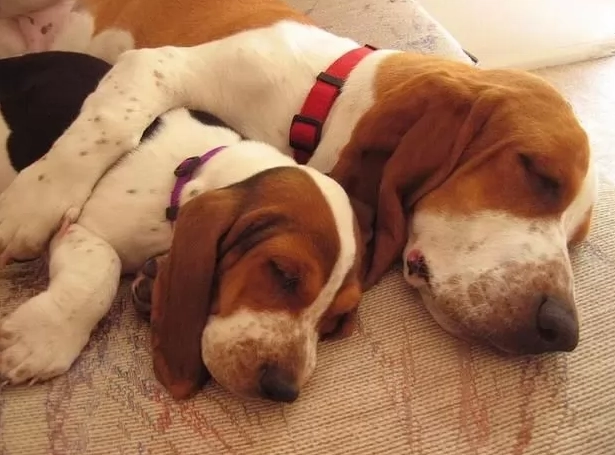
Health Considerations When Cuddling Basset Hounds
This is crucial and often overlooked. Bassets are prone to joint issues like hip dysplasia and elbow dysplasia, thanks to their long, heavy bodies. Cuddling in awkward positions can hurt them.
Joint Issues and Cuddling Positions
Avoid putting pressure on their back or legs. Let them choose how to lie. If they're on the couch, ensure they have enough room to stretch out. I made the mistake of squeezing Barney too tight once, and he yelped—a reminder to be gentle. Regular vet check-ups are essential; the Orthopedic Foundation for Animals (OFA) provides resources on managing joint health in dogs.
Overheating Risks
Their thick skin and coat make them prone to overheating. During cuddles, watch for panting or restlessness. If they seem hot, give them space. Always provide fresh water nearby. In warmer climates, limit cuddle time to cooler parts of the day.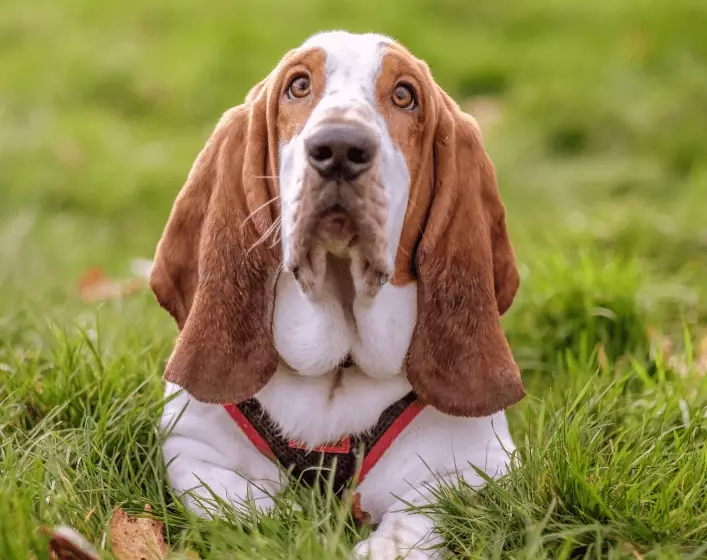
Common Myths About Basset Hounds and Affection
Let's bust some myths I've heard over the years.
"Basset Hounds Are Lazy and Don't Care"
False. They're not lazy; they're conserving energy. Bassets can be playful and engaged, but they pick their moments. Their affection is deep but understated. If they follow you around or guard the house, that's love.
"They Only Cuddle for Food"
Another myth. While bassets are food-motivated (who isn't?), they cuddle for warmth and security. Barney will cuddle even when he's not hungry—he just likes the company. Don't reduce their affection to mere opportunism.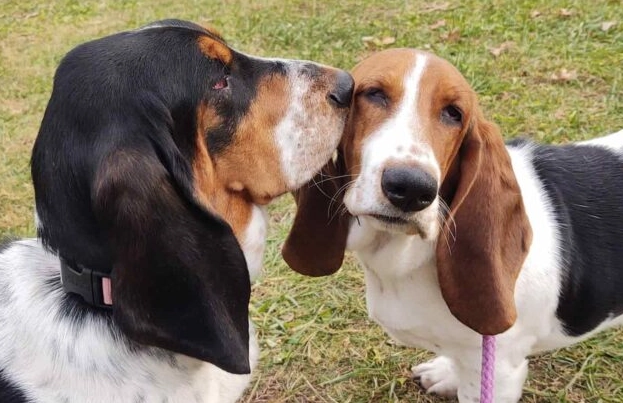
FAQ: Your Cuddling Questions Answered by Experts
Wrapping up, basset hounds are affectionate companions who enjoy cuddling on their own terms. They're not the most demonstrative dogs, but their loyalty runs deep. Pay attention to their health, respect their boundaries, and you'll have a snuggle buddy for life. Share your basset cuddle stories in the comments—I'd love to hear how your dog shows love.
Reader Comments