That distinctive, pear-shaped head. The arched top, the tuck under the eyes, the almost Roman-nose profile. If you own a Bedlington Terrier, you've probably spent time admiring its unique skull structure. But here's something most breed guides gloss over: the Bedlington terrier skull isn't just about looks. It's a blueprint for the breed's identity, a potential map for health concerns, and the reason why grooming one is an art form, not a chore. Getting this wrong can lead to a dog that looks nothing like the standard, or worse, masks underlying health issues. Let's strip away the fluffy exterior and look at the bones of the matter.
What's Inside?
Breaking Down the Bedlington Skull Anatomy
Forget "lamb-like" for a second. That's the end result of the haircut, not the starting point. The official breed standard from the UK Kennel Club and the American Kennel Club is very specific. The skull needs to be narrow, but deep and rounded. The stop (that dip between the eyes) should be minimal—barely there. The unique part is the continuously arched line from the stop, over the crown, to the occiput (the back of the skull). No flat spots allowed.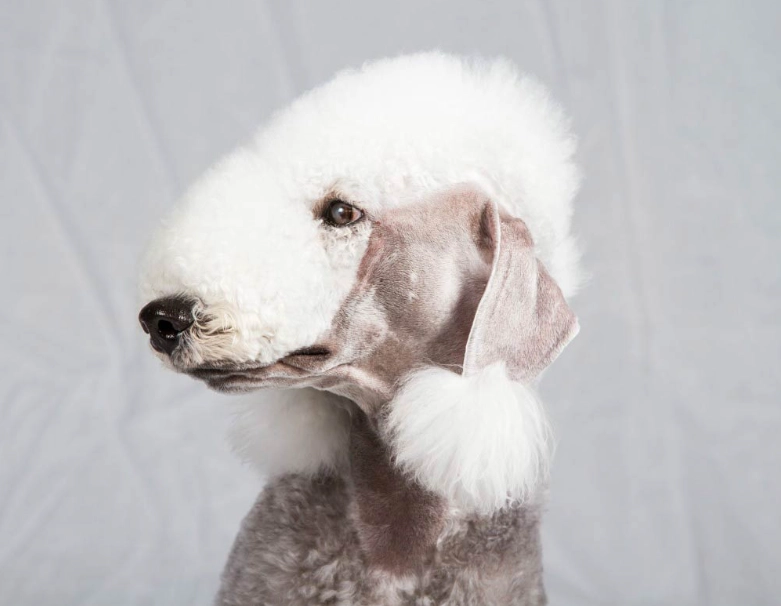
The muzzle is the other half of the equation. It needs to be well-filled up under the eye, tapering to the nose. The jaw is powerful, with a level or scissors bite. The whole package should look balanced and elegant, not wedge-shaped like a Whippet or blocky like a Staffordshire.
I've judged local terrier shows, and the most frequent fault I see in pet-quality Bedlingtons (and sometimes even show lines) is a skull that's too broad between the ears, or a muzzle that's snippy (too fine and weak). It changes the whole expression from keen and intelligent to just... odd.
The Key Measurements & Proportions
It's not just about shape, but proportion. The ideal length from occiput to stop should be roughly equal to the length from stop to nose. When this balance is off, the head looks either too heavy in the back or too long in the face. The width of the skull at its widest point (usually just above the ears) should be less than half its length. This narrowness is crucial for that characteristic streamlined look.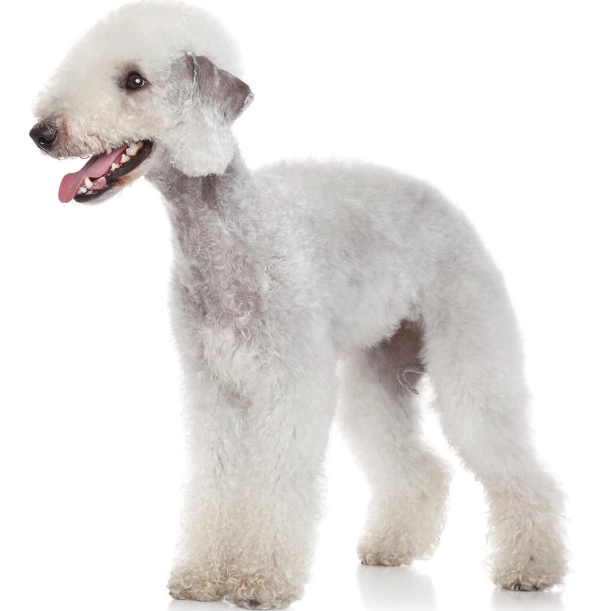
The Skull-Health Connection You Can't Ignore
This is where it gets serious. The Bedlington terrier skull itself isn't unhealthy. But the breed carries a infamous genetic mutation that affects an organ near the skull: the liver. It's called Copper Toxicosis (specifically, COMMD1 deficiency).
Now, you might ask, what does liver disease have to do with the skull? Directly, nothing. Indirectly, everything. A responsible breeder prioritizing health will be testing all breeding stock for this gene. The focus on producing dogs with correct, beautiful skulls should never come at the expense of health testing. A puppy with a perfect head shape but from untested parents is a massive gamble.
Other health issues more loosely connected to the head region include:
- Dental Issues: A narrow jaw can sometimes lead to crowding, making dental hygiene non-negotiable.
- Eye Conditions: Like many purebreds, they can be prone to certain inherited eye diseases. The shape of the eye socket and surrounding bone can influence tear drainage and susceptibility to injury.
- Patellar Luxation: While a knee issue, it's another common genetic check a good breeder does. It's part of the same health-first package.
| Health Screening | What It Checks For | Why It Matters for Every Owner |
|---|---|---|
| DNA Test for Copper Toxicosis | Identifies if the dog is Clear, Carrier, or Affected by the COMMD1 gene. | Affected dogs require lifelong management (special diet, monitoring) to avoid fatal liver failure. Knowing the status informs care from day one. |
| Annual Eye Exam by a Veterinary Ophthalmologist | Rules out progressive retinal atrophy (PRA), cataracts, and other issues. | Early detection can manage or slow progression, preserving quality of life and vision. |
| Patella Evaluation | Checks for looseness in the kneecap. | Even mild luxation can cause arthritis later. Knowing helps manage exercise and weight. |
The Bedlington Terrier Club of America maintains excellent resources on these mandatory health tests. Any breeder not openly discussing these results should raise a red flag.
How Skull Shape Dictates Grooming
Ah, grooming. This is the practical, hands-on part where the skull meets the scissors. The classic Bedlington trim is designed to accentuate the skull shape, not create it from scratch.
Here’s a mistake I made with my first Bedlington: I clipped the top of the head too short, trying to force a curve that wasn't in the bone. The result was a pinched, nervous-looking head instead of a proud arch. The correct method is to let the coat be slightly longer over the crown, following the natural curve of the skull, and then blend it down the sides.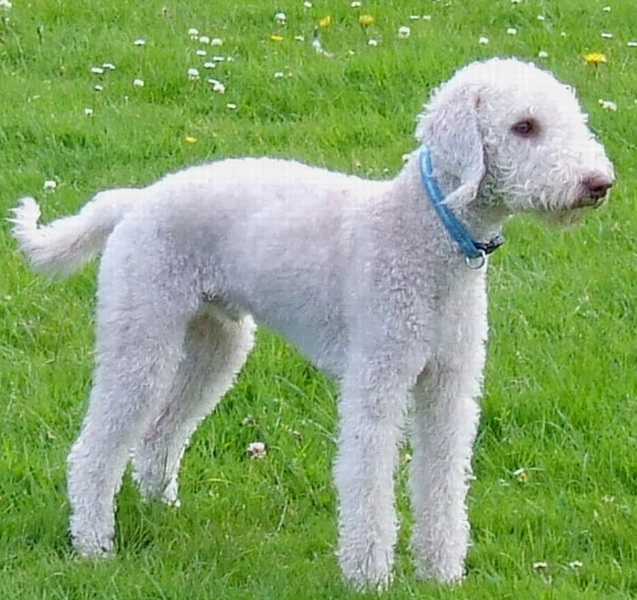
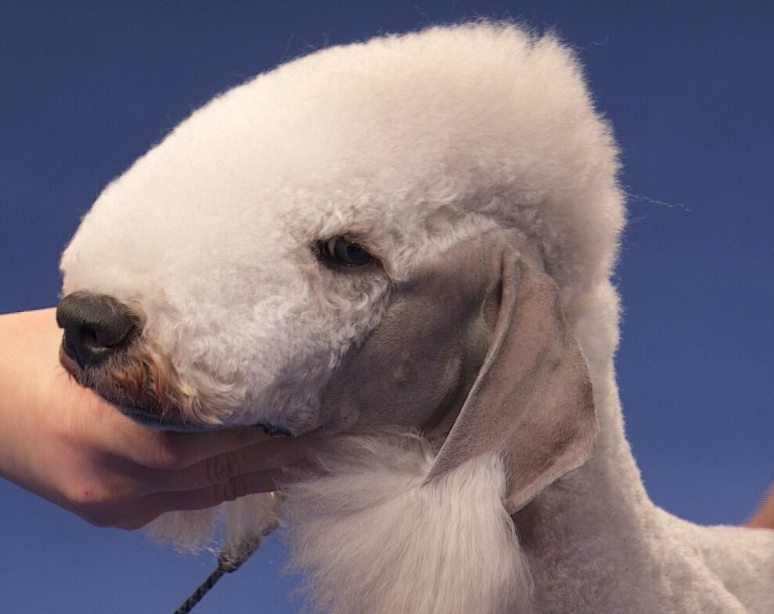
The tuck-up under the eyes is another critical area. The skull should have a noticeable indentation here. The grooming trim reveals this by keeping the hair very short on the cheek, making the muzzle appear to spring cleanly from the skull. If the skull lacks this tuck, the face can look blunt and unrefined no matter how skilled the groomer.
Pro Tip: Before a full haircut, run your hands over your dog's clean, dry skull. Feel for the arch, the occiput, the cheekbones. That's your roadmap. The scissors just remove the wool that's hiding the sculpture.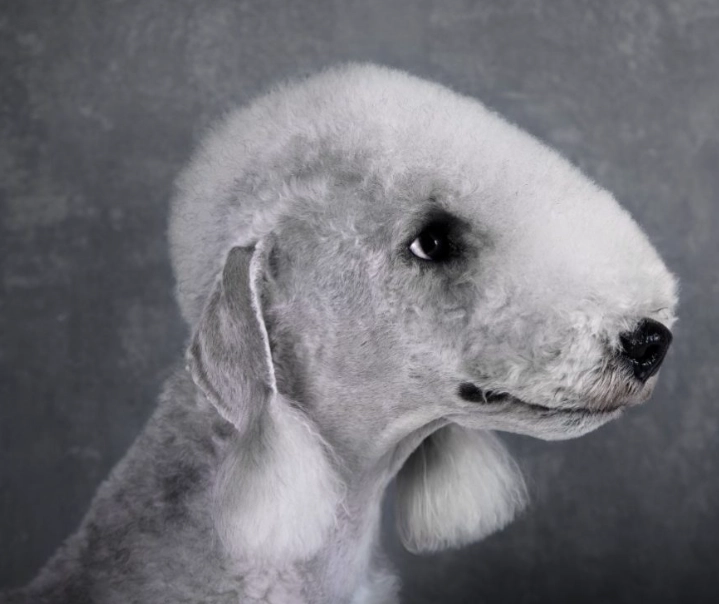
Questions to Ask Your Breeder About Skull & Health
When you're looking at a litter of adorable, fuzzy puppies, it's hard to see skull structure. That's why you talk to the breeder. Go beyond "Are they healthy?". Be specific.
- "Can you show me the OFA/PennHIP or other clearances for the sire and dam's patellas?"
- "What were the copper toxicosis DNA test results for both parents? Can I see the certificates?"
- "Do you have recent eye exam certificates from a veterinary ophthalmologist?"
- "In your lines, what head type do you tend to produce? Can I see pictures of previous litters as adults?"
A passionate, reputable breeder will have this information at their fingertips and be eager to share it. They'll also be able to point out the puppies in the litter that have the nicer head pieces, even at a young age.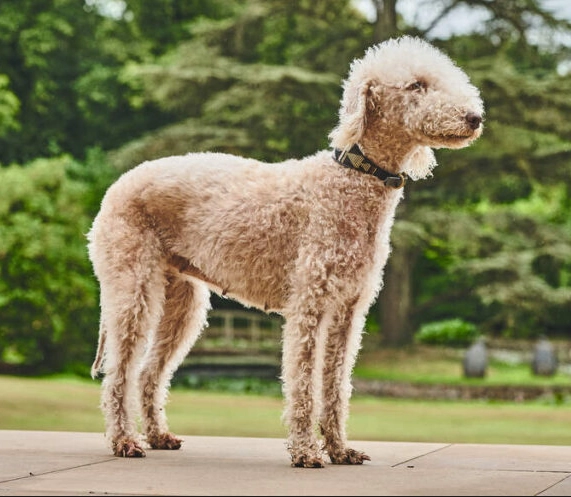
Reader Comments