Let's cut to the chase. If you're picturing a low-maintenance dog that you can just feed and walk, a Bedlington Terrier will be a shock to your system. But if you're prepared for a specific kind of partnership—one that involves regular hands-on care—they're not impossibly difficult. The answer isn't a simple yes or no. It's a "yes, but..." followed by a detailed explanation of what that maintenance actually looks like. Their unique, lamb-like coat is the headline act, but their exercise needs, health considerations, and terrier temperament are the supporting cast that determines whether you'll find them demanding or delightfully engaging.
What You'll Learn in This Guide
The Real Deal on That Lamb-Like Coat
This is where the "high maintenance" label primarily comes from, and for good reason. A Bedlington's coat is a mix of hard and soft hair that grows continuously and curls tightly. It doesn't shed much, which is great for allergies, but it acts more like human hair or poodle fur—it grows and can mat if neglected.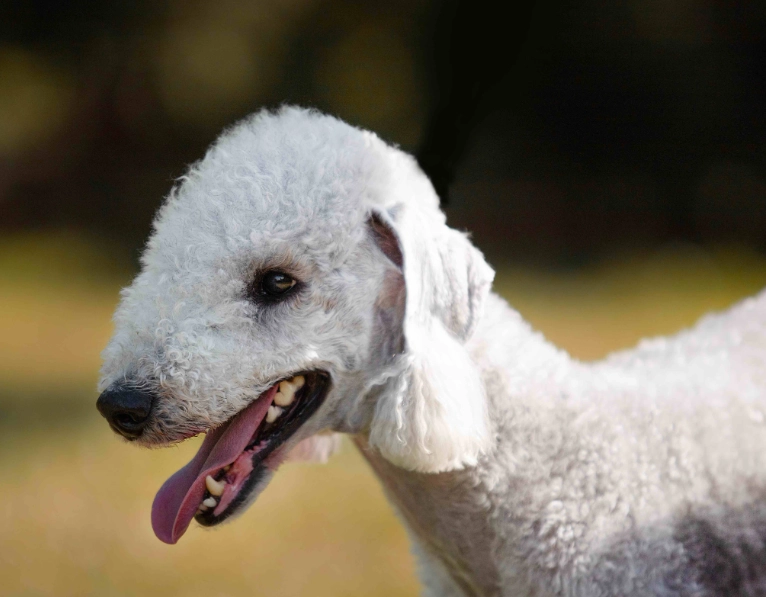
Most owners get this wrong: they think it's just about occasional clipping. The foundation is weekly, thorough brushing. I'm talking a 20-30 minute session with a slicker brush and a metal comb, working all the way down to the skin. Miss a week or two, and you'll find mats starting close to the skin, especially in the armpits, behind the ears, and on the belly. Removing those is painful for the dog and a nightmare for you.
The Professional Grooming Schedule (And Cost)
Even with perfect home brushing, they need professional clipping every 4 to 8 weeks to maintain their distinctive shape. You can't just use any clipper; it requires skill. A full groom—bath, dry, clip, nails, ears—typically costs between $70 and $120+, depending on your location and the groomer's experience with the breed. Over a year, that's a significant line item. Some owners learn to do it themselves, but the learning curve is steep, and the initial investment in quality clippers, blades, and grooming tables is hefty.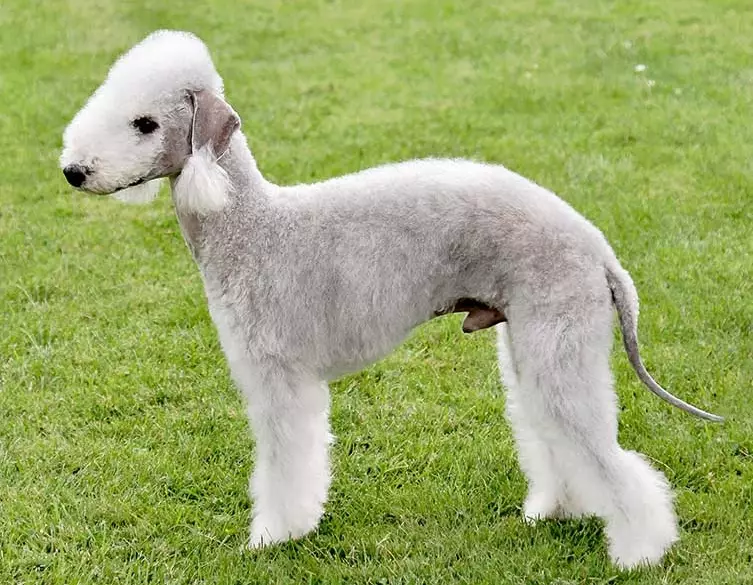
A subtle mistake I see: People bath their Bedlington too often with the wrong shampoo. Their coat can get dry and brittle. Use a gentle, moisturizing shampoo meant for curly coats, and bathe only when necessary (every 4-6 weeks unless they roll in something awful). Over-bathing strips the natural oils and makes the coat harder to manage.
Then there's the color. Puppies are often born dark and lighten to a lovely blue, liver, or sandy color. But saliva stains (from licking), tear stains, and environmental factors can cause the fur on the face, feet, and underside to turn a rusty brown. Managing this involves regular wiping with a damp cloth and sometimes using specific products—another small but consistent task.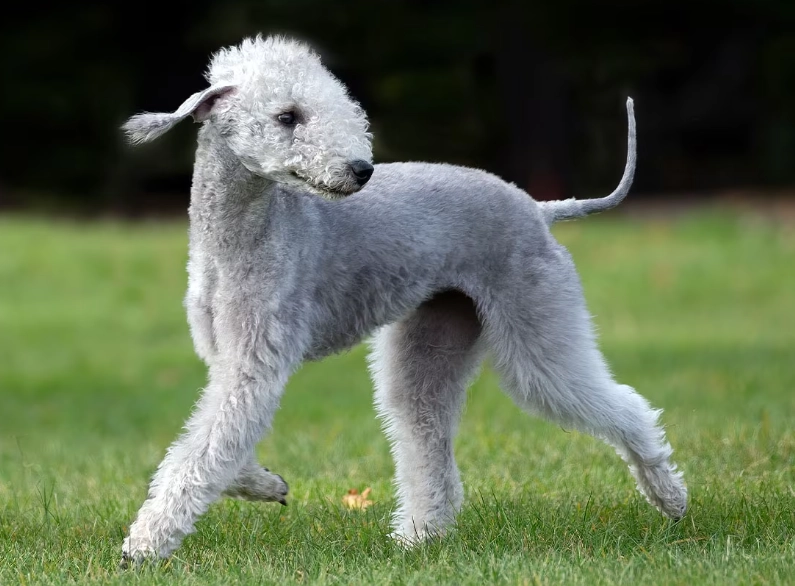
More Than a Walk: Exercise & Mental Needs
Here's the second pillar of maintenance. A Bedlington is a terrier, bred to hunt vermin. They have a surprising turn of speed (they were called "the gypsy's racehorse") and a deep-seated need to work their brains and bodies.
A leisurely stroll around the block won't cut it. They need at least 45-60 minutes of active exercise daily. This should be a mix of brisk walking, running in a secure area, and structured play. They excel at dog sports like agility, flyball, and earthdog trials, which are fantastic outlets. Without this, their pent-up energy will morph into nuisance barking, digging, or obsessive behaviors.
Their prey drive is intense. Squirrels, rabbits, cats, even small dogs can trigger a lightning-fast chase instinct. This means recall training is non-negotiable and must be rock-solid before you ever consider off-leash time in an unsecured area. Even then, many owners never fully trust it. A secure, high fence (they can jump) is a must for any yard.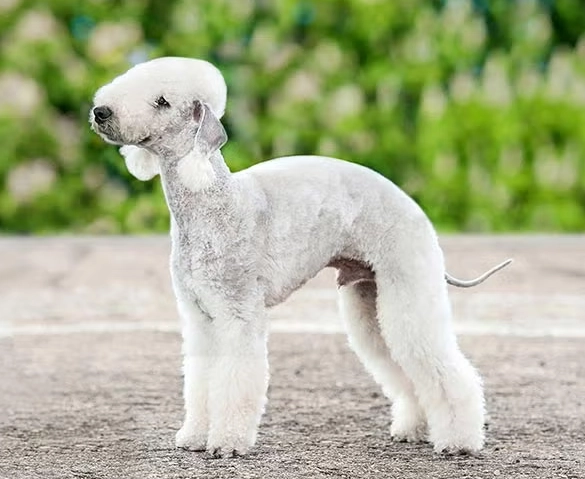
Health Watch: What to Budget For
Maintenance isn't just about daily chores; it's about long-term health vigilance. Bedlingtons are generally healthy, but they have a few breed-specific concerns that require proactive care and budgeting.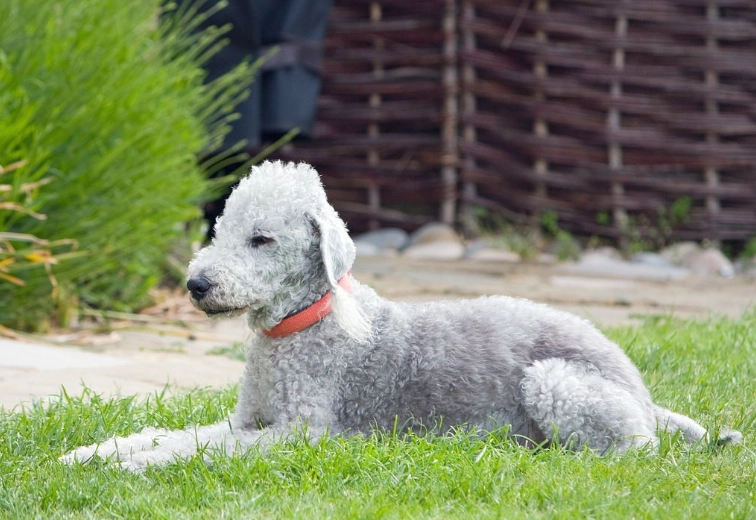
The big one is Copper Toxicosis (CT), a genetic disorder where copper accumulates in the liver, causing damage and potential failure. Reputable breeders test their breeding stock, and you should only get a puppy from parents who are genetically clear. Even with clear parents, many vets recommend monitoring liver enzymes throughout the dog's life. According to the Orthopedic Foundation for Animals (OFA), responsible screening is crucial for the breed's future.
Other issues to be aware of include:
- Patellar Luxation (trick knee).
- Eye problems like retinal dysplasia.
- Kidney issues (Renal Cortical Hypoplasia).
This means choosing a breeder who does all the recommended health screenings (not just a vet check) is your first and most important maintenance task. It also means budgeting for pet insurance or a savings fund, as specialized care for these conditions can be expensive.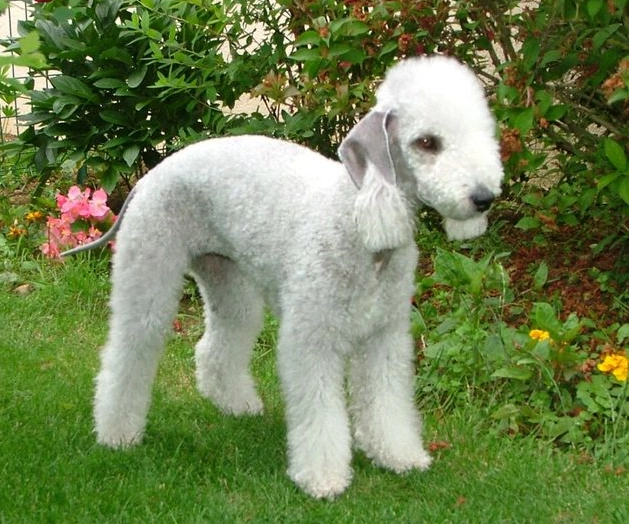
Is a Bedlington Right for Your Home?
So, are they high maintenance? Let's reframe it. They are specialized. Their needs are specific and non-negotiable. If those needs align with your lifestyle, the care feels rewarding, not burdensome.
They thrive with:
- Owners who enjoy grooming or are willing to commit to regular professional appointments.
- Active individuals or families who want a jogging or hiking partner.
- People interested in training and dog sports.
- Households without small furry pets (rodents, rabbits).
- Owners who value a deep, interactive bond with a clever, sensitive dog.
They struggle in:
- Sedentary homes.
- With owners who are rarely home (they bond closely and can develop separation anxiety).
- Where the yard is not securely fenced.
- Where consistency and patience in training are lacking.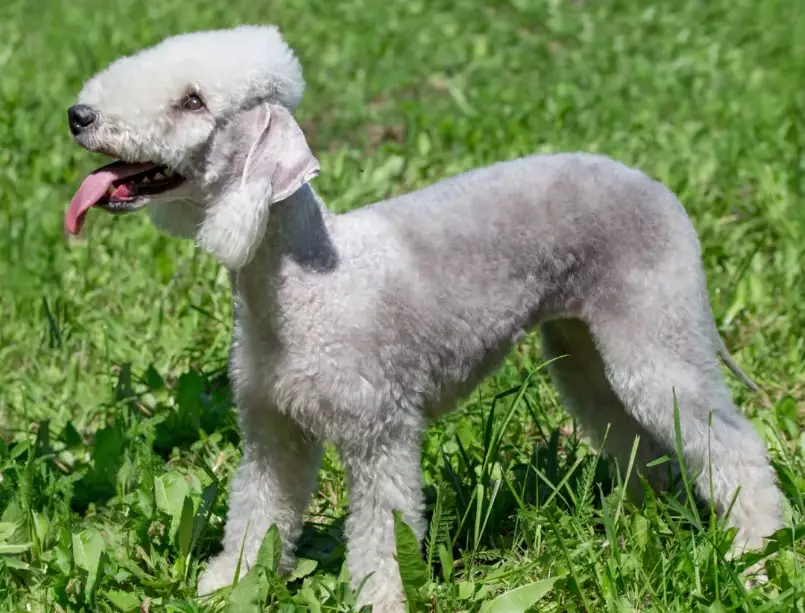
Reader Comments