Let's cut to the chase. You're here because you're drawn to the Beauceron—a majestic, intelligent, and sometimes intimidating French herding dog. Maybe you saw one at a show, or a friend owns one. But bringing home a Beauceron puppy isn't like getting a Labrador. These dogs demand more. I've raised Beaucerons for over a decade, and I've seen too many puppies end up in shelters because owners weren't prepared. This guide will walk you through the real deal, from finding a pup to navigating those tricky adolescent months.
What You'll Find Inside
What Makes a Beauceron Unique?
Beaucerons, also known as Berger de Beauce, are large, muscular dogs originally bred for herding sheep in France. They're often confused with Dobermans, but that's a superficial comparison. Beaucerons have double dewclaws on their hind legs—a breed standard—and a calm, observant demeanor. According to the American Kennel Club, they rank 124th in popularity, which means they're rare but gaining attention.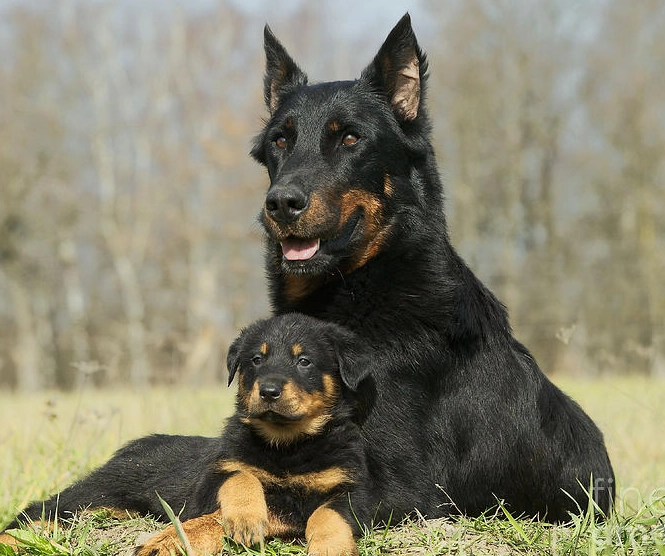
I remember my first Beauceron, Hugo. He was a rescue at 18 months, already showing signs of anxiety from lack of socialization. That experience taught me that these dogs aren't for everyone. They're incredibly loyal but need a job. Without mental stimulation, they'll invent their own, like rearranging your furniture.
Key traits:
- Size: Males stand 25.5 to 27.5 inches tall, females 24 to 26.5 inches. Weight ranges from 70 to 110 pounds.
- Energy Level: High. They need at least 90 minutes of exercise daily, not just a walk around the block.
- Temperament: Confident, protective, and sensitive. They bond deeply with one person but can be aloof with strangers.
Here's something most blogs don't mention: Beaucerons have a "soft" temperament. They don't respond well to harsh training. Yell at one, and it might shut down for days. Positive reinforcement is non-negotiable.
How to Choose a Beauceron Puppy
Finding a reputable breeder is the most critical step. Avoid pet stores or online listings with prices that seem too good to be true. A healthy Beauceron puppy from a responsible breeder typically costs between $1,500 and $3,000. Yes, it's steep, but it covers health testing and proper care.
I made the mistake early on of buying from a breeder who didn't do hip evaluations. The puppy developed dysplasia at two years. Now, I only recommend breeders who test for hips, elbows, and eyes, and provide documentation from the Orthopedic Foundation for Animals (OFA).
When you visit a litter, look for these signs:
- Puppies are clean, active, and curious, not hiding or overly aggressive.
- The mother is present and healthy—temperament often comes from her.
- The breeder asks you questions about your lifestyle, not just your wallet.
Ask to see the parents' health clearances. If the breeder hesitates, walk away. A good resource is the National Beauceron Club of America, which maintains a list of ethical breeders.
Puppy Selection: Temperament Testing
Don't just pick the cutest one. Do a simple temperament test. Gently roll the puppy on its back and hold it for a few seconds. A confident puppy will struggle but then relax. One that panics or bites hard might be more challenging. I learned this from a seasoned breeder—it's saved me from mismatches multiple times.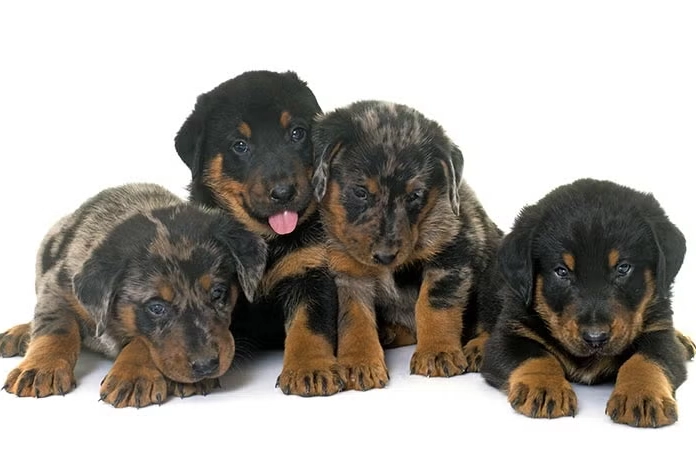
The First Week: Setting Up for Success
Bringing your puppy home is exciting, but it's also stressful for them. Plan ahead. Here's a checklist I use:
- Puppy-proofing: Beaucerons are chewers. Remove electrical cords, secure trash cans, and block off stairs.
- Supplies: Get a large crate (42-inch), durable toys (Kong toys work well), high-quality puppy food for large breeds, and a sturdy leash.
- Schedule: Establish a routine for feeding, potty breaks, and naps. Puppies need to go out every 2 hours.
The first night, expect whining. I put the crate next to my bed and draped a blanket over it to create a den-like feel. It helps, but some crying is inevitable. Resist the urge to cuddle them all night—it sets a bad precedent.
Socialization starts now, but go slow. Introduce them to household sounds like the vacuum cleaner, but avoid overwhelming them with too many people or dogs in the first week.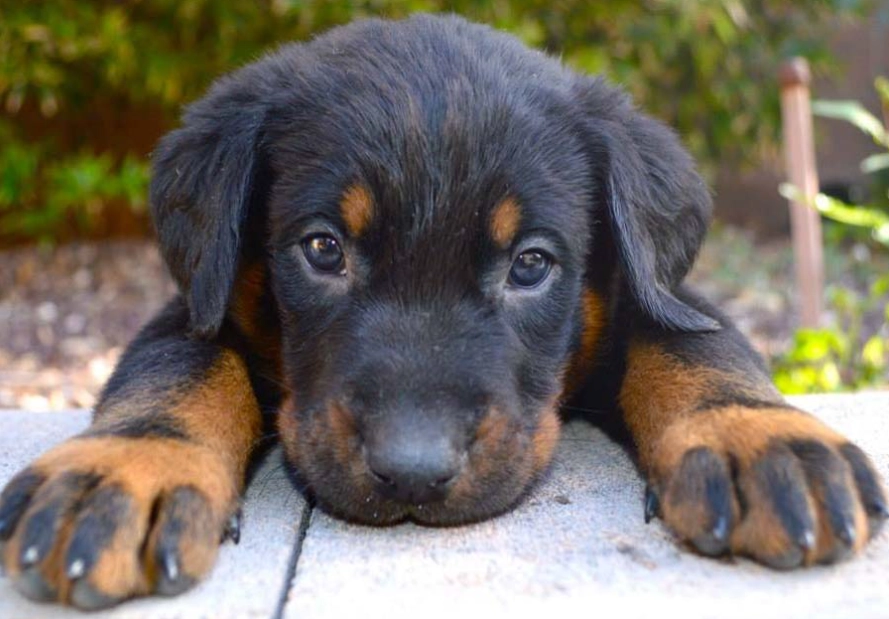
Training Your Beauceron Puppy
Training a Beauceron is a marathon, not a sprint. They're smart but independent. Start with basic commands like sit, stay, and come. Use treats they love—I find chicken pieces work better than store-bought treats.
The biggest mistake I see? Owners skip leash training. Beaucerons are powerful. If they pull as puppies, it'll be a nightmare as adults. Use a front-clip harness from day one. Practice in short sessions, 5-10 minutes, multiple times a day.
Obedience classes are a must. Look for a trainer experienced with herding breeds. Group classes help with socialization too. I enrolled Hugo in a puppy class at 12 weeks, and it made a world of difference in his confidence.
| Training Milestone | Age Range | Tips |
|---|---|---|
| House Training | 8-16 weeks | Take them out after every meal and nap. Praise heavily for success. |
| Basic Commands | 10-20 weeks | Keep sessions fun. Use clicker training for precision. |
| Leash Walking | 12-24 weeks | Start indoors with minimal distractions. Reward loose leash walking. |
| Socialization | 8-16 weeks | Expose to different surfaces, sounds, and people in a positive way. |
Recall is critical. Beaucerons have a strong prey drive. Practice in a fenced area with high-value rewards. Never punish them for coming back, even if it takes a while.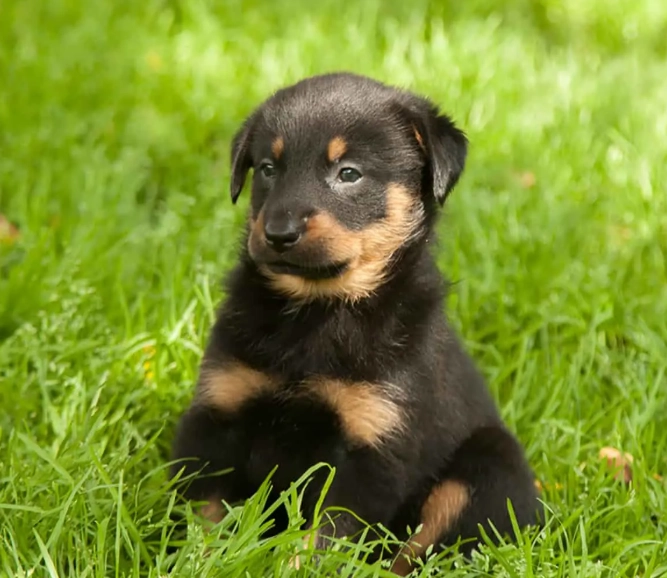
Health and Care Essentials
Beaucerons are generally healthy, but they're prone to certain conditions. Hip dysplasia is the big one. Feed a large-breed puppy food that controls growth rate—rapid growth can exacerbate joint issues. I use brands recommended by veterinarians, like Royal Canin or Hill's Science Diet.
Vaccinations and deworming follow your vet's schedule. Typically, puppies need shots at 8, 12, and 16 weeks. Don't skip these.
Grooming is straightforward. Their short coat needs weekly brushing to reduce shedding. Nail trimming should start early to get them used to it. Those double dewclaws require special attention—trim them regularly to prevent ingrowth.
Here's a health overview based on my experience and data from the Beauceron Club of America:
- Common Issues: Hip dysplasia, bloat (gastric torsion), and eye problems like progressive retinal atrophy.
- Prevention: Feed multiple small meals to reduce bloat risk, avoid strenuous exercise after eating, and schedule annual vet check-ups.
- Life Expectancy: 10-12 years, with proper care.
I lost a dog to bloat once. It was traumatic. Now, I always keep a first-aid kit and know the signs: restlessness, drooling, and a swollen abdomen. If you see these, get to a vet immediately.
Common Challenges and Solutions
Every breed has its quirks. With Beaucerons, the top challenges are boredom, stubbornness, and protectiveness.
Boredom leads to destructive behavior. Provide puzzle toys and rotate them to keep things interesting. I use a treat-dispensing ball during mealtime—it turns eating into a game.
Stubbornness peaks during adolescence, around 6-18 months. They might ignore commands they've known for months. Stay consistent. Don't give up. Sometimes, taking a break and trying a different approach works.
Protectiveness can become aggression if not managed. Socialize them to various people and environments. Invite friends over regularly. Teach a "place" command where they go to a mat when guests arrive.
Another subtle issue: sensitivity to noise. Beaucerons can be jumpy around loud sounds. Desensitize them by playing recordings of thunderstorms at low volume, gradually increasing it while rewarding calm behavior.
Your Top Questions Answered
Raising a Beauceron puppy is a commitment, but it's incredibly rewarding. They're not just pets; they're partners. Take it slow, be patient, and enjoy the journey. If you hit a rough patch, reach out to breed clubs or experienced owners—we've all been there.
Reader Comments