You've seen a picture of a Beauceron. That striking, powerful build, the intelligent gaze, the sleek black and tan coat. Maybe you met one at a dog show. The question hits you: how rare is a Beauceron, really? The short answer is, very. In the United States, they are consistently one of the least common breeds registered with the American Kennel Club (AKC). But that simple fact opens a door to a more interesting story about what "rare" actually means for a dog breed, and more importantly, for you as a potential owner. This isn't just about low numbers; it's about history, purpose, and the real-world implications of bringing a scarce breed into your life.
What's Inside?
Rarity in Numbers: The Hard Data
Let's get specific. Talking about rarity without numbers is just a feeling. According to the AKC's registration statistics, the Beauceron typically ranks in the 130s to 140s out of nearly 200 recognized breeds. In a recent year, they ranked 138th. For perspective, that puts them far behind the ubiquitous Labrador Retriever (consistently #1) and even behind other breeds often considered uncommon, like the Norwegian Lundehund or the Chinook.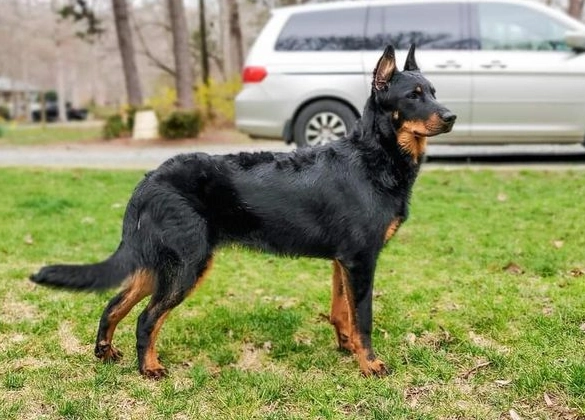
Here's a snapshot comparing annual AKC registration numbers (approximate averages) to illustrate the gap:
| Breed | Typical Annual AKC Registrations | Relative Commonness |
|---|---|---|
| Labrador Retriever | Over 50,000 | Extremely Common |
| French Bulldog | Over 40,000 | Extremely Common |
| Border Collie | Around 3,000 - 4,000 | Moderately Popular |
| Beauceron | ~150 - 300 | Very Rare |
| Azawakh | ~50 - 100 | Extremely Rare |
Seeing that number—maybe a few hundred new puppies registered nationally per year—drives the point home. You are statistically far more likely to encounter dozens of Goldendoodles at your local park than ever see a single Beauceron. This scarcity isn't a marketing gimmick; it's a demographic reality.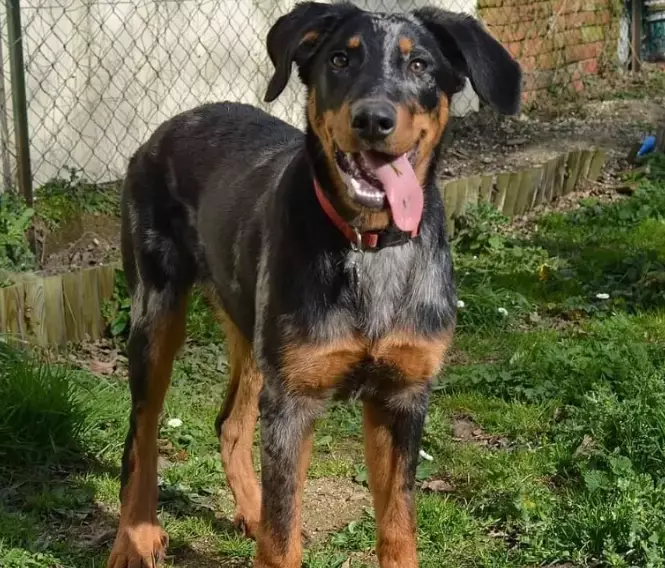
A crucial note: AKC numbers only tell part of the story. They don't include dogs registered with other organizations like the United Kennel Club (UKC), or unregistered dogs. However, the trend holds true across the board. The Beauceron Club of America, the official AKC parent club, maintains a small, tight-knit community of breeders. The pool is simply small.
Why Are Beaucerons So Rare? The Three Main Reasons
The low numbers aren't an accident. They're the result of the breed's history, design, and modern dog culture.
1. A Working Dog Through and Through
The Beauceron is an ancient French herding and guarding breed, developed to think independently and work livestock over vast farmland. This created a specific type of dog: incredibly smart, physically tough, and with a strong protective drive. These are not traits that translate seamlessly to a sedentary suburban lifestyle. As one long-time breeder told me, "They weren't designed to be couch ornaments. A bored Beauceron is a creative Beauceron, and you might not like their creativity." The breed's very purpose acts as a natural filter against mass popularity.
2. The "Double Dewclaw" and Preservationist Mentality
Beaucerons are required to have double dewclaws on their hind legs—a unique breed hallmark. More importantly, the breeding community, particularly in the breed's homeland and among serious fanciers elsewhere, has traditionally been protectionist. The focus has been on preserving working ability, temperament, and health, not on producing high volumes of puppies for the pet market. This ethical stance deliberately limits supply. It's a feature, not a bug, of the breed's culture.
3. They Fly Under the Pop Culture Radar
Think of the breeds that have exploded in popularity recently. French Bulldogs, Dachshunds, Australian Shepherds—they're in movies, Instagram feeds, and celebrity arms. The Beauceron has had no such moment. They aren't featured in major family films, and their imposing, serious appearance doesn't fit the "cute and compact" trend that dominates pet influencer culture. This lack of exposure keeps them in a niche.
What Does This Rarity Mean for Ownership?
So you're intrigued by this rare breed. What now? The scarcity directly impacts your journey in several concrete ways.
The Waitlist is Real (and That's a Good Thing). Don't expect to find a litter of Beauceron puppies available next month. Responsible breeders often have waitlists that are one to two years long. You'll be interviewed thoroughly. They'll ask about your experience with dogs, your lifestyle, your training philosophy, and your plans for their puppy. This process can feel intense, but it's the primary mechanism that protects these rare dogs from ending up in unsuitable homes. A breeder with immediate availability should be a massive red flag.
Cost Reflects Scarcity and Care. A Beauceron puppy from a reputable breeder who does full health testing (hips, elbows, eyes, cardiac) typically costs between $2,500 and $3,500. Sometimes more. This price isn't just about rarity; it funds the exhaustive health screenings, the careful selection of breeding stock, and the early puppy care that responsible breeders provide. It's an investment in a dog bred for health and temperament, not just appearance.
You Become an Ambassador. When you own a Beauceron, you will be stopped. Constantly. "What kind of dog is that?" "Is that a Doberman mix?" You'll need patience to explain the breed. More importantly, your dog's behavior in public reflects on the entire, small community. A poorly trained, reactive Beauceron reinforces stereotypes about large, rare dogs. A well-mannered one becomes a positive walking advertisement.
The Support Network is Small but Mighty. You won't find a Beauceron meet-up in every city. But the community that exists is incredibly knowledgeable and supportive. The Beauceron Club of America website is an essential resource. Online forums, while smaller than those for popular breeds, are filled with owners who have deep, specific experience. When you have a question about a quirky behavior or a health concern, you're tapping into a concentrated pool of expertise.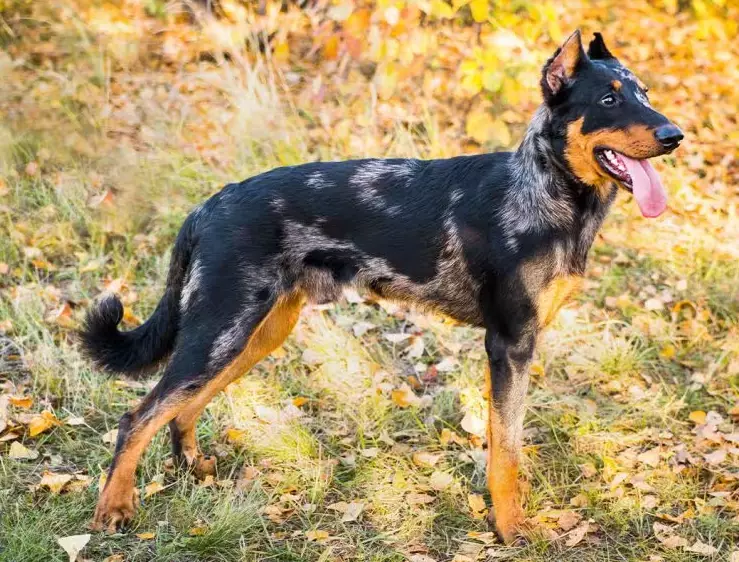
The Real-World Guide to Finding a Beauceron
If you've weighed everything and are committed, here's your actionable plan. This is the process I went through, and where many hopeful owners get tripped up.
Step 1: Start with the Parent Club. Go directly to the Beauceron Club of America website. Their breeder referral list is the only legitimate starting point. These breeders agree to a code of ethics. Ignore platforms like Craigslist, Nextdoor, or general puppy-finder sites. Ads for Beaucerons there are almost certainly from backyard breeders or scams capitalizing on the breed's rarity.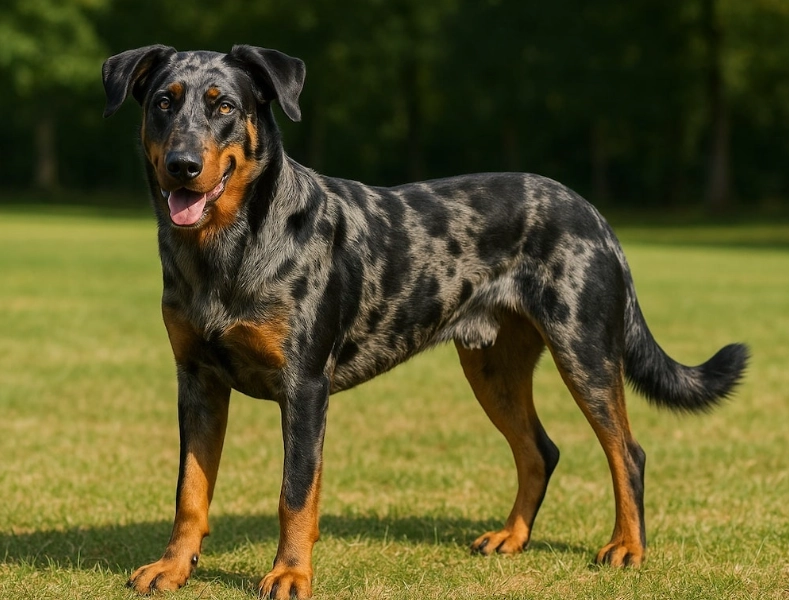
Step 2: Prepare for an Interview, Not a Transaction. When you contact a breeder, introduce yourself properly. Talk about why you're interested in the breed specifically, not just in "getting a dog." Mention your research. Be honest about your experience. Good breeders are looking for lifelong homes, not just a quick sale. They may even discourage you if they feel your lifestyle isn't a match—see that as a sign of their integrity.
Step 3: Verify Health Testing. This is non-negotiable. Ask for the Orthopedic Foundation for Animals (OFA) numbers for the sire and dam's hip and elbow evaluations, and eye exam results from the Canine Eye Registration Foundation (CERF). A responsible breeder will share these openly. If they say "the vet said they're healthy" or "the parents are fine," walk away. This is the most common mistake new enthusiasts make, accepting vague assurances instead of hard data.
Step 4: Consider an Adult or Rescue. While rare, adult Beaucerons sometimes need rehoming through the breed club's rescue network. These are often dogs whose first home didn't work out, not necessarily "problem" dogs. Adopting an adult can be a wonderful way to skip the puppy phase and offer a home to a dog in need, while still entering the breed community. The requirements are just as stringent, but the path is different.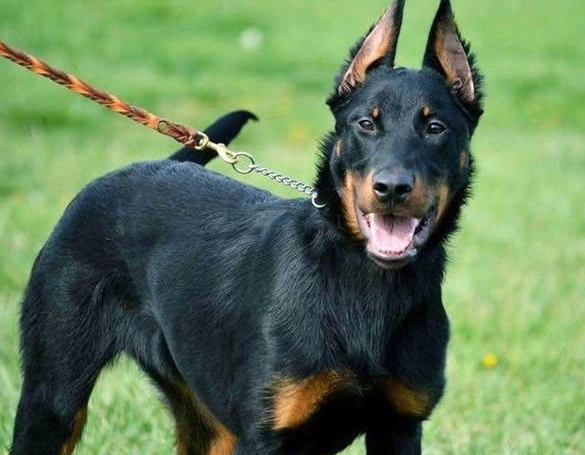
Your Beauceron Rarity Questions Answered
Rarely. Their intelligence, energy, and strong will require an owner who understands canine psychology and is confident in consistent training. A first-time owner can succeed, but they must be prepared to invest heavily in education—for themselves, not just the dog. I often recommend they first get experience with a more forgiving breed from a local shelter to build foundational skills.
Not automatically. Rarity can be a double-edged sword. A small gene pool, if not managed carefully, can concentrate genetic issues. This is why health testing from reputable breeders is absolutely critical. The advantage of a rare breed with a dedicated club is that serious breeders often share health data more transparently to improve the breed as a whole, unlike some high-volume popular breed breeders.
This is almost certainly a bad deal. In the world of rare breeds, immediate availability at a discount is the biggest warning sign. It typically means the breeder is skipping health clearances, not carefully screening homes, or may not even have purebred Beaucerons. The high cost and long wait with an ethical breeder are the real prices of getting a sound, stable dog. The "bargain" often comes with hidden costs in vet bills and behavioral challenges.
It's a different kind of rare. Tibetan Mastiffs had a fleeting moment of extreme luxury popularity (with astronomical prices), which has since crashed. Their rarity now is somewhat artificial. The Lundehund is rare due to a genetic bottleneck and very specific physical traits. The Beauceron's rarity is more organic and consistent—rooted in its working dog demands and a community that has resisted commodification. It's a stable, purposeful scarcity.
They may see a slight uptick as herding and protection sports gain traction, but a Labrador-like boom is highly unlikely. The breed's characteristics are too specific and demanding for the average pet home. The parent club's commitment to preservation over promotion is a strong buffer against fad popularity. I expect they'll remain a niche breed for dedicated owners, which is ultimately better for the dogs themselves.
Reader Comments