Let's cut to the chase. If you're looking at a Bavarian Mountain Hound and your biggest worry is a non-stop barking neighbor complaint machine, you can breathe a partial sigh of relief. They are not the yappiest dogs on the block. But—and this is a crucial but—they are scent hounds bred for a specific job in the mountains. Their vocalizations are purposeful, not random. So, do Bavarian Mountain Hounds bark a lot? The nuanced answer is: they bark with intent. Understanding that intent is the key to managing it and deciding if this breed is your perfect match.
I've spent years around working breeds and scent hounds, and the biggest mistake people make is expecting a dog bred for independent tracking to have the silent, obedient demeanor of a retriever. It just doesn't work that way.
Quick Navigation: What You'll Learn
The Barking Profile: Not a Nuisance Barker
Compared to terriers or some toy breeds known for alert barking at every leaf blowing by, the Bavarian Mountain Hound is relatively reserved. They were developed in Germany to track wounded game over rough terrain for hunters. Silence was often an asset to avoid spooking game before the hunter arrived. This means they aren't prone to excessive barking without cause.
However, "cause" is defined by their genetics. Their voice is a tool. The Fédération Cynologique Internationale (FCI) breed standard describes them as having a "powerful, not too high-pitched voice." It's a deep, resonant bark or bay used for communication. Think of it less like constant chatter and more like a deliberate walkie-talkie update.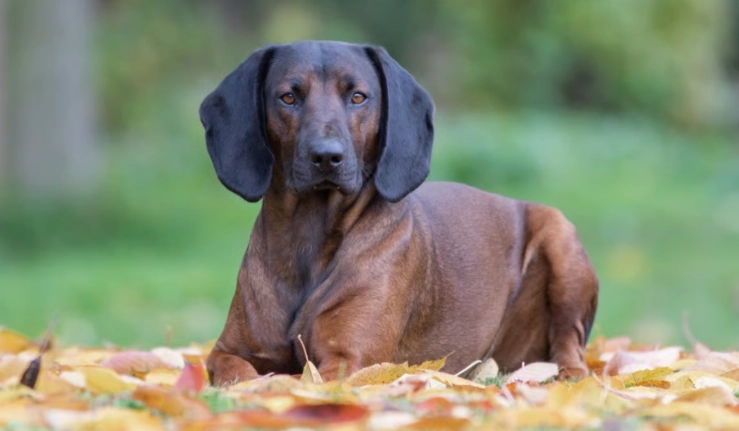
Key Takeaway: A silent Bavarian Mountain Hound is unusual and might indicate a health or temperament issue. Expect some vocal communication. The goal isn't total silence, but appropriate communication.
Understanding the Bavarian Mountain Hound's Barking Instincts
To manage the barking, you need to know why it happens. It's rarely "just because."
1. The Tracking Bay
This is in their DNA. When they catch an interesting scent—whether it's a squirrel in the yard, a deer trail on a hike, or even a intriguing smell in your kitchen—their instinct is to follow it. They may emit a distinctive baying sound while on the trail. This is hardwired. Trying to eliminate this completely is like asking a fish not to swim. The focus should be on when and where it's appropriate.
2. The Alert Bark
They are loyal and attached to their family, making them decent watchdogs. An alert bark for a stranger at the door or an unusual nighttime sound is common. It's usually a few deep, sharp barks to notify you, not a frenzied 10-minute episode. This is often manageable with training.
3. Vocalization from Boredom or Frustration
This is the most common problematic barking for pet Bavarians. This breed has high stamina and a busy mind. If left alone for too long without physical and mental exercise, they will invent their own jobs. Barking out the window, barking at shadows, or barking just to release pent-up energy becomes their self-assigned task. This is where owners often get into trouble, mislabeling it as a "barky breed" when it's actually a symptom of an unmet need.
Common Triggers for Bavarian Mountain Hound Barking
Let's get specific. Here’s a breakdown of what typically sets them off, from most to least likely.
| Trigger | Type of Bark | Likelihood & Notes |
|---|---|---|
| Boredom / Lack of Exercise | Repetitive, often at nothing specific. | HIGH. The #1 cause of excessive barking in this breed. A tired Bavarian is a quiet(er) Bavarian. |
| Interesting Scents | Bay, howl, or focused barking. | HIGH. Especially in outdoor, unfenced areas. It's their primary instinct. |
| Strangers at the Door | Alert bark (deep, short bursts). | MODERATE to HIGH. They are watchful. Early training is key to control duration. |
| Separation Anxiety | Distressed howling/barking when alone. | MODERATE. They bond closely. Poor alone-time training can lead to this. |
| Play & Excitement | Short, high-pitched "play barks." | MODERATE. Some individuals are more vocal in play than others. |
| Other Dogs Barking | Joined-in barking. | LOW to MODERATE. Less likely to join a neighborhood barking chain than some breeds, but not immune. |
Practical Steps to Manage Your Bavarian's Barking
Management is a three-legged stool: exercise, mental work, and targeted training. Skip one leg, and it wobbles.
Leg 1: Physical & Mental Exercise (Non-Negotiable)
Aim for at least 90-120 minutes of activity daily. This isn't just a walk around the block. Combine long hikes, jogging, or vigorous play sessions with scent work. Hide treats in the yard, use snuffle mats, or practice nosework. A mentally exhausted hound is a content hound with less energy to fuel barking.
Leg 2: Environmental Management
Don't set them up to fail. If they bark at passersby through the window, use opaque window film or manage access to that room. When you leave, provide a stuffed Kong or a puzzle toy, not a view of the street. White noise or calm music can mask outside triggers.
Leg 3: Training & Communication
For alert barking, I prefer teaching an "Enough" or "Thank you" cue over trying to stop the first bark. You want to acknowledge they've alerted you, then give them a clear signal that the job is done. When they stop, reward heavily. For demand barking (for food, attention), the only answer is complete and consistent ignoring until they are quiet, then rewarding the silence.
One subtle error I see: owners yell "Quiet!" while the dog is barking. The dog just hears you joining in with your own loud vocalization. Wait for a nanosecond of silence—even if you have to create it by startling them with a door knock sound—then mark and reward that silence.
Is a Bavarian Mountain Hound Right for Your Lifestyle?
This isn't a breed for everyone, and barking is just one facet. Let's be brutally honest.
Probably NOT a good fit if: You live in a small apartment with no yard, work long hours away from home, desire a perfectly quiet dog, or get frustrated by stubborn, independent streaks. They need a job and space.
Could be a great fit if: You're an active person or family (hikers, runners, outdoorsy types), have a securely fenced yard, understand and appreciate scent hound nature, and are committed to consistent, patient training. They are incredibly loyal, sensitive, and bond deeply with their people in the right environment.
Your Top Questions on Bavarian Mountain Hound Barking

Reader Comments