You see the pictures. A massive, tricolored dog with a kind face, lying calmly with children or pulling a cart through a meadow. The Bernese Mountain Dog's reputation as the ultimate "gentle giant" is everywhere. But after living with and training several over fifteen years, I can tell you that label, while true, is just the cover of a much more complex book. Their temperament is a beautiful, sometimes frustrating, mix of deep loyalty, stubborn independence, and a calmness that can suddenly switch to puppy-like goofiness. If you're considering bringing one of these Swiss beauties into your home, understanding the real Bernese Mountain Dog personality—the good, the messy, and the heartbreaking—is the most important step you'll take.
What's Inside This Guide
The Core Bernese Mountain Dog Personality
Let's break down the components. The American Kennel Club describes them as "good-natured and calm," and that's a solid foundation. But it's the combination and intensity of these traits that define the breed.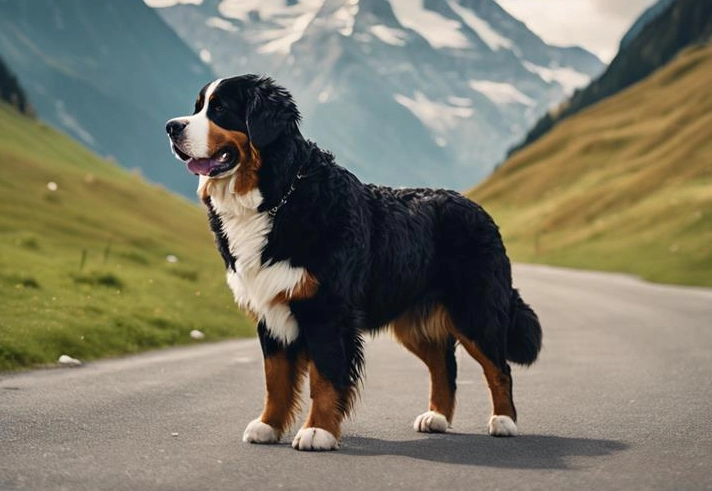
Loyalty and Attachment isn't strong enough. They form a bond so deep it borders on velcro-dog syndrome. My first Berner, Magnus, would follow me from room to room just to sigh and plop down at my feet. This isn't just affection; it's a deep-seated need to be part of the pack's activity. Leave them alone for long periods, and that calm demeanor can crack, leading to anxiety and destructive chewing.
Their Gentle and Patient nature with children is legendary and mostly deserved. They seem to possess an innate understanding of their own size and a preternatural patience with little humans. I've seen a toddler use a sleeping Berner as a pillow, and the dog just opened one eye and went back to sleep. However, this gentleness is not universal. It's directed at their family. Their reserved and watchful side comes out with strangers. They're rarely aggressive, but they won't be the dog gleefully jumping on your guests. They'll assess, maybe accept a pat, then return to their family's side.
Here's where people get tripped up: Intelligence vs. Stubbornness. Berners are smart. They can learn commands quickly. But they were bred to make independent decisions while driving cattle in the Alps. This means they have a strong "What's in it for me?" filter. Ask them to sit when they're bored? Sure. Ask them to come inside from a snowstorm when they're in their element? Be prepared for a look that says, "You go on ahead. I'll be in later."
Their energy is moderate and calm indoors. They are not hyperactive border collies. A couple of good walks and some playtime, and they are content to be majestic rugs for the rest of the day. This calmness makes them excellent for suburban or even quieter city living, provided their exercise needs are met.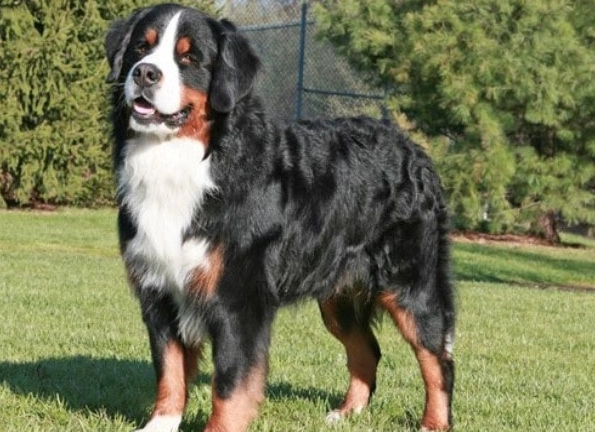
| Trait | What It Looks Like | Common Misunderstanding |
|---|---|---|
| Loyalty | Follows you everywhere, prefers to be in the same room. | Often mistaken for neediness; it's more about pack cohesion. |
| Gentleness | Soft mouth, careful movements around small children and pets. | Does NOT mean they are pushovers; they have clear boundaries. |
| Calm Demeanor | Low activity level inside the house, happy to lounge. | People think they are lazy. They are conserving energy. |
| Stubborn Streak | "Selective hearing" when distracted or if the request seems pointless. | Labeled as "dumb" by frustrated owners. It's independent thinking. |
| Watchfulness | Alerts to strangers or odd noises with a low bark, then observes. | Not guard dogs. They are alarm systems that deter by presence, not action. |
Living with a Berner: The Good and The Not-So-Good
The Wonderful Parts
Family Integration: When properly socialized, they are the heart of the family. They thrive on routine and being included in daily life, whether it's watching kids play soccer or lying in the kitchen while you cook.
Emotional Sensitivity: They are remarkably attuned to human emotions. A bad day at work often resulted in Magnus resting his heavy head on my lap, offering silent comfort. They are therapy dogs in giant, furry suits.
Fun-Loving & Goofy Side: Don't let the calm fool you. They have a hilarious, clumsy puppy side that can last for years. The "Bernese Lean"—where they just lean their full weight against you—and their playful "woo-woo" talking are constant sources of joy.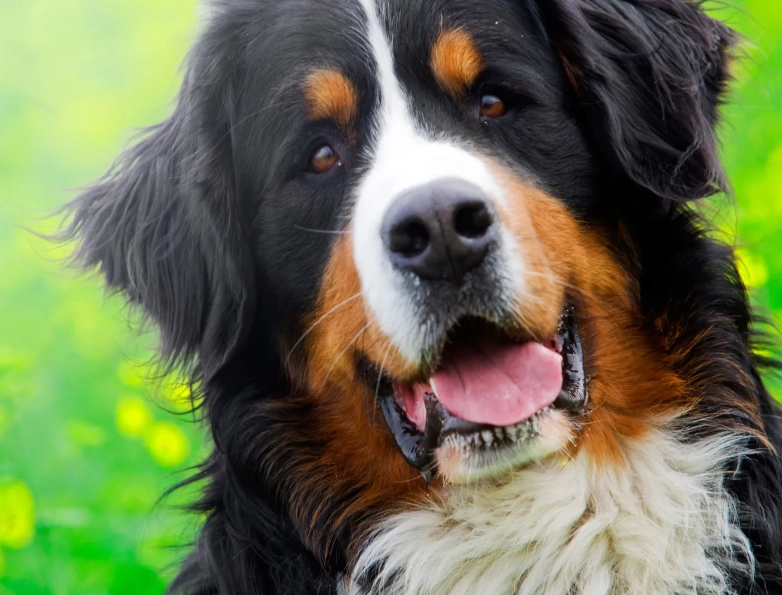
The Real Challenges (The Stuff Breeders Don't Always Highlight)
The Drool and Shedding: This is a major, daily reality. The drool isn't constant, but it appears after drinking, eating, or when excited. You will find "Bernese glitter" (hair) on every surface, in every season, with bi-annual coat blows that fill vacuum cleaners. If you're a neat freak, this breed will break you.
The Size and Strength: That gentle giant is still 100+ pounds of muscle. An excited puppy or even a calm adult turning quickly can clear a coffee table with its tail. Walking a strong, distracted Berner requires skill and a good harness.
The Short Lifespan and Health Worries: This is the shadow over everything. The average lifespan is 7-10 years. Knowing you have such a short time with a dog you bond with so deeply affects your entire experience. Conditions like hip dysplasia and cancer (particularly histiocytic sarcoma) are prevalent. This isn't just a health footnote; it's a core part of the breed's reality that directly impacts your emotional journey as an owner.
Training a Bernese Mountain Dog: Patience is Everything
Forget dominance-based training. It doesn't work and will damage your relationship. Their temperament responds to positive reinforcement, consistency, and patience.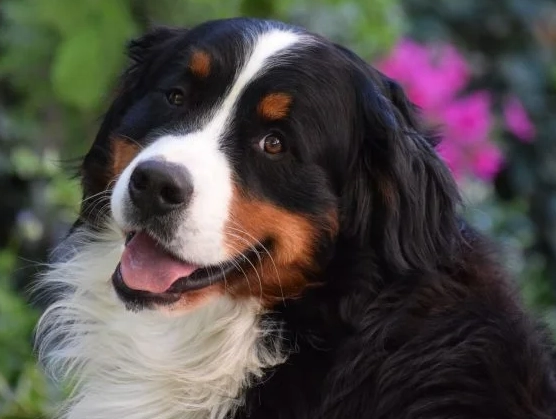
Start Early: Socialization isn't optional. Expose the puppy positively to different people, dogs, sounds, and surfaces before 16 weeks. A well-socialized Berner is a confident, calm adult. A poorly socialized one can become fearful and anxious, which is dangerous in a large dog.
Focus on Impulse Control: This is more critical than "sit" or "shake." Teach "wait" at doors, "leave it" with food on the floor, and a solid "settle" on a mat. These exercises directly manage their size and strength in daily life.
Leash Manners are Non-Negotiable: You cannot have a 110-pound dog pulling you down the street. Use a front-clip harness from day one. Make walking next to you more rewarding than pulling toward a smell. This takes months of consistent work.
Embrace Their Strengths: They excel at activities that use their brain and strength gently. Cart-pulling, nose work, and basic obedience rally are fantastic. It taps into their breeding and builds a powerful bond.
The biggest mistake I see? Owners giving up on training after adolescence because "he's so calm in the house." That stubborn, independent streak will resurface if not consistently managed throughout their life.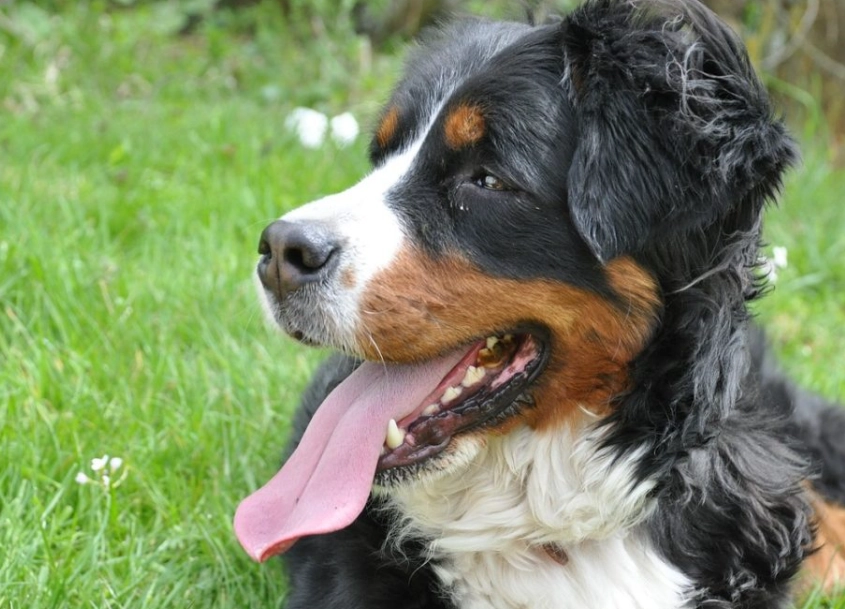
How Health Shapes Their Temperament
You cannot separate Bernese Mountain Dog temperament from their health. A dog in pain from undiagnosed hip or elbow dysplasia may become withdrawn, irritable, or reluctant to play. The lethargy of cancer can be mistaken for their natural calmness. As an owner, you must be a detective. A sudden change in temperament—increased clinginess, growling when touched in a specific spot, loss of interest in walks—is often the first sign of a health problem. Choosing a breeder who does all the recommended health testing (OFA hips/elbows, cardiac, DNA for degenerative myelopathy) from the Berner-Garde Foundation or similar databases isn't just about longevity; it's about ensuring the stable, good-natured temperament you're signing up for.
Is a Bernese Mountain Dog Right For You?
Let's be brutally honest. A Bernese Mountain Dog is NOT for everyone.
You might be a good fit if: You have a stable home environment, are prepared for significant grooming and cleaning, have a securely fenced yard, value a close companion over a highly obedient sport dog, and are emotionally prepared for the likelihood of major health issues and a shorter lifespan.
You should reconsider if: You want a low-shedding dog, need a dog that can be left alone for 9+ hours daily, are on a tight budget (food, vet care, and potential surgeries are expensive), live in a very hot climate without constant AC, or are seeking your first dog. Their challenges are best handled by someone with some dog experience.
Consider the commitment not in years, but in daily reality: hair, drool, giant meals, costly vet bills, and a profound emotional bond that will leave a giant-sized hole when they're gone. The joy is equally giant, but it comes with a price.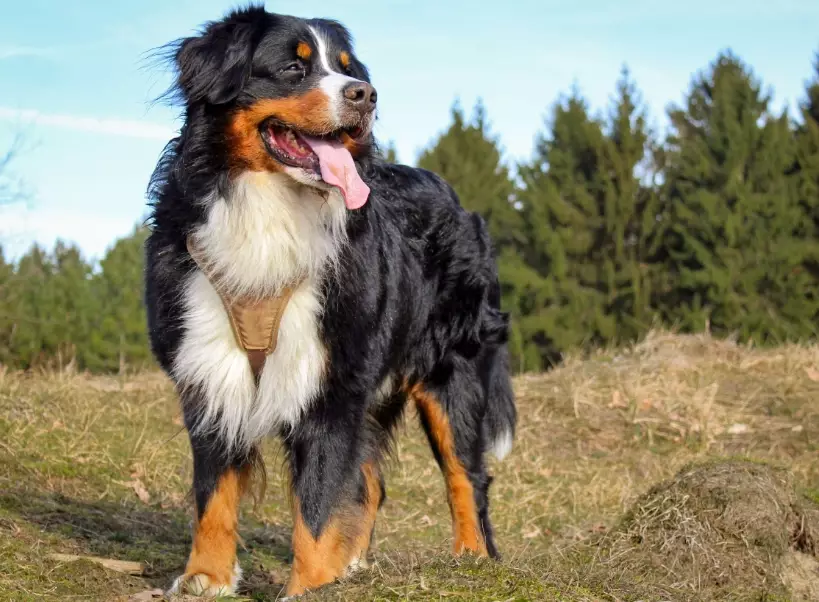
Reader Comments