You're at a dog park, or maybe scrolling through Instagram. You see Labradors, Golden Retrievers, French Bulldogs. Then, once in a blue moon, you spot one. A Borzoi. That impossibly elegant, long-nosed, silky-coated creature that looks like it stepped out of a Renaissance painting. And you think, "Wow, I never see those. Why are Borzois so rare?"
It's not your imagination. According to the American Kennel Club's registration statistics, Borzois consistently rank well outside the top 100 most popular breeds. In 2023, they were 103rd. For comparison, French Bulldogs were number one. The gap is massive. Their rarity isn't an accident or a marketing failure. It's the result of a perfect storm of history, biology, economics, and a deliberate choice by the people who know them best.
What You'll Discover in This Guide
A Legacy Tied to Nobility and Revolution
To understand the Borzoi's present, you have to look at its past. This isn't a breed that evolved on farms or in common households. The Borzoi, or Russian Wolfhound, was the ultimate status symbol of the Russian aristocracy, particularly the Tsars. They weren't pets; they were living art and highly specialized hunting equipment, used in massive, elaborate hunts to course wolves.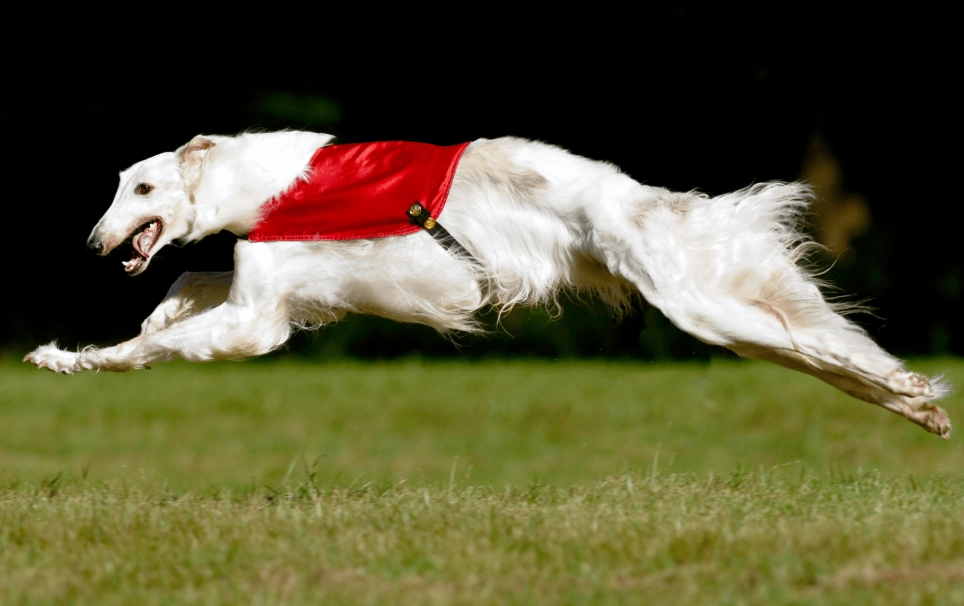
The 1917 Russian Revolution was a catastrophe for the breed. The aristocracy that created and sustained them was wiped out. Many dogs were killed, and the breeding programs collapsed overnight. The few Borzois that made it out of Russia formed the incredibly narrow genetic foundation for all modern Western Borzois. The breed started from the brink of extinction. That bottleneck effect is still felt in genetics today.
Their history created an aura of exclusivity that never really faded. Unlike retrievers bred to work alongside everyone, the Borzoi's story is one of palaces and vast estates. That image, while romantic, doesn't naturally translate to suburban living.
The Three-Layer Challenge of Breeding Borzois
Let's say you're an experienced dog breeder and you want to help a rare breed. You look into Borzois. You'll quickly hit a wall of challenges that most popular breeds don't have.
1. A Shallow Gene Pool and Health Hurdles
That post-revolution bottleneck means genetic diversity is low. Responsible breeders spend a small fortune on health testing—for things like cardiac issues, thyroid problems, and a higher-than-average risk of bloat (GDV). A single litter requires thousands of dollars in pre-breeding vet work alone. If you're a backyard breeder looking to make a quick buck, you skip this. But ethical Borzoi breeders won't. This limits the number of people even qualified to breed them.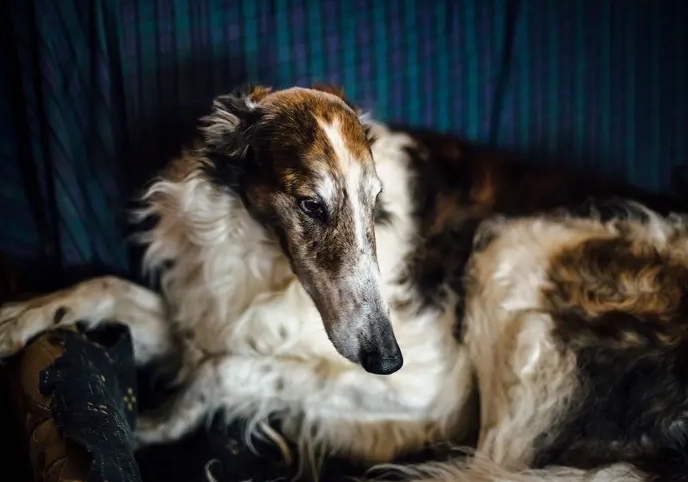
2. The Physical and Financial Scale
Borzois are giant, athletic sighthounds. A pregnant dam needs immense space. The puppies are born large and grow at an alarming rate. Feeding a litter of 6-8 giant breed puppies to weaning age costs a fortune in high-quality food. You need space for them to run and develop properly without injuring themselves. This isn't a Chihuahua operation you can run in a spare room.
3. The Guardian Mentality of Breeders
This is the human factor. Talk to any established Borzoi breeder, and you'll find they are not salespeople. They are guardians. They interview potential buyers with the intensity of a CIA background check. Many have waiting lists years long. They will refuse a sale if they feel your home, lifestyle, or understanding isn't a perfect match. I know a breeder who turned down a sale because the potential owner's fence was only 5 feet tall, not 6. This extreme selectivity drastically controls the number of puppies entering homes each year.
The Real Cost of Borzoi Ownership: More Than Money
Let's talk numbers. When people ask "why are Borzois so rare," they often don't grasp the sheer, ongoing investment. It's a barrier that naturally limits ownership.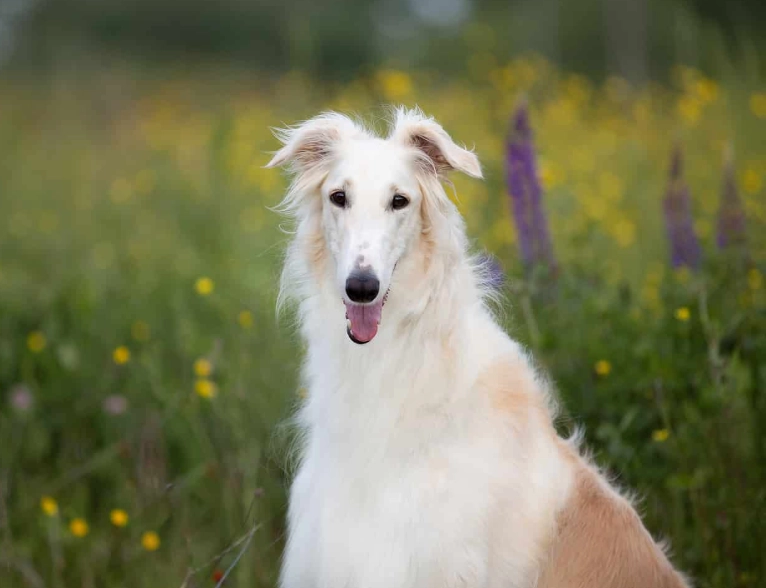
| Cost Category | Initial Outlay (Puppy) | Ongoing/Annual Considerations |
|---|---|---|
| Acquisition | $2,500 - $4,500+ from a reputable breeder. Rescue adoption fees are lower ($300-$800) but Borzois in rescue are rare. | N/A |
| Essential Gear | Extra-large crate ($150), tall/high-quality fence ($2,000+), specialty martingale collars & leads ($100), giant dog beds ($100+ each). | Replacement of torn beds, chewed leads. |
| Food & Nutrition | High-quality large/giant breed puppy formula. | $100 - $150+ per month for premium adult food. |
| Veterinary Care | Initial puppy shots, microchipping, spay/neuter (often delayed in giants). | Higher cost for medications (dosed by weight), potential for breed-specific issues (bloat prevention, cardiac monitoring). Pet insurance is highly recommended ($70-$120/month). |
| Grooming | Professional intro grooming. | Weekly brushing at home to prevent mats. Professional grooming every 6-8 weeks ($80-$120 per session). |
| Training & Socialization | Puppy classes essential for a large, independent breed. | Potential need for specialized sighthound or recall training. |
See the pattern? It's not just the puppy price. It's the scale of everything that follows. A fence isn't optional; it's a life-saving necessity. Food bills are for a 70-100 pound athlete. Even a simple antibiotic costs double what it would for a smaller dog. This financial reality automatically filters out casual or unprepared owners.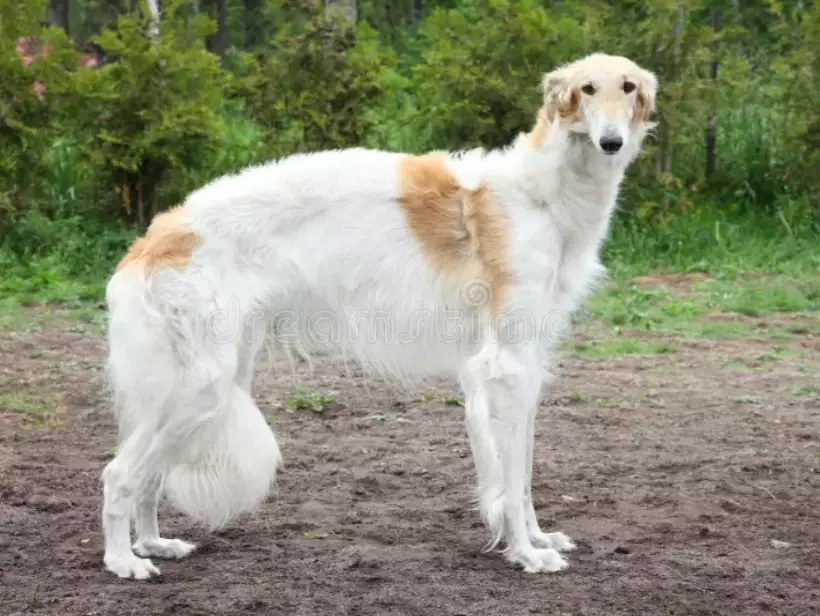
The "Cat-Dog" Temperament: A Mismatch for Modern Life?
Here's where many online descriptions fail potential owners. They call Borzois "gentle" and "quiet," which is true. But they gloss over the nuances that make them a terrible fit for a typical, active dog-owner lifestyle.
Borzois are often described as "cat-like." They are profoundly independent. They don't live to please you. They might choose to cuddle on the couch for an hour, then get up and go lie in another room, indifferent to your calls. They are not Golden Retrievers. This independence can be misinterpreted as aloofness or stubbornness.
Their exercise needs are a paradox. They are sprinters, not marathon runners. They need a safe, enclosed area to run flat-out for a few minutes a day. A leashed walk around the block does nothing for their sighthound soul. But after that sprint? They are champion couch potatoes for 20 hours. If you want a jogging buddy or a dog that plays fetch for hours, look elsewhere.
Their prey drive is legendary and not negotiable. If it runs, they must chase it. This means squirrels, cats, rabbits, and small dogs are viewed as prey. That beautiful, tall fence isn't just for containment; it's for the safety of every small creature in the neighborhood. You can never, ever trust a Borzoi off-leash in an unsecured area. This level of management is a daily commitment many aren't prepared for.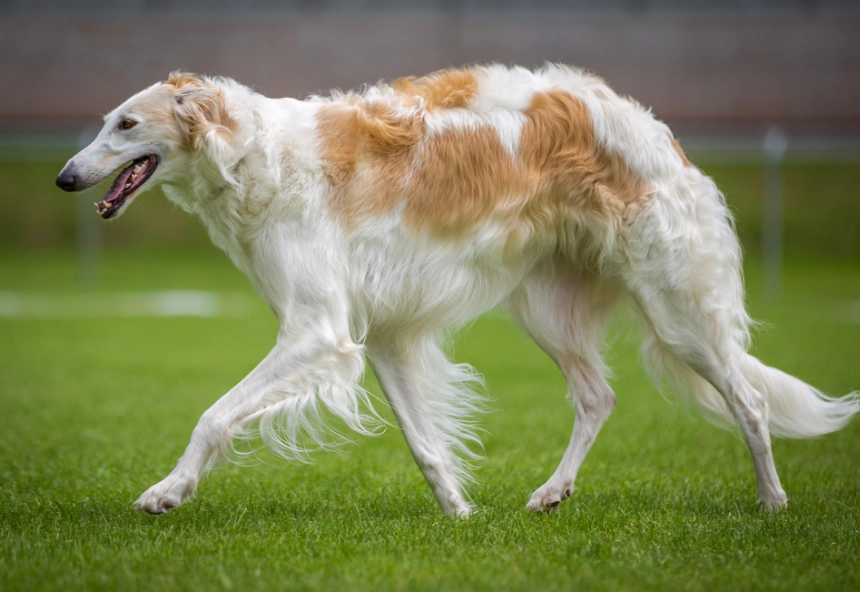
Ethics, Scarcity, and the Breeder's Dilemma
The ethics of breeding a rare, challenging breed create a self-perpetuating cycle of scarcity. Good breeders produce maybe one litter a year, if that. They do it to improve the breed or continue a specific line, not to meet market demand. They often keep one or two puppies from a litter for their own breeding program.
This creates a market where demand far outpaces ethical supply. It's what drives the high prices and the long waitlists. It also, unfortunately, creates an opening for unethical actors. Every so often, a Borzoi will appear in a movie or get celebrity attention. Unscrupulous breeders might try to cash in, producing poorly-bred puppies with health and temperament problems. These dogs often end up in rescue, giving the breed a bad reputation it doesn't deserve, which further complicates the picture for ethical preservationists.
The rescue path for a Borzoi is not a simple alternative. National rescues like the National Borzoi Rescue Foundation do fantastic work, but dogs come into their care infrequently and are often placed quickly with experienced sighthound homes. You can't just decide you want a Borzoi rescue next week; you have to apply, be vetted, and wait, often for months or years.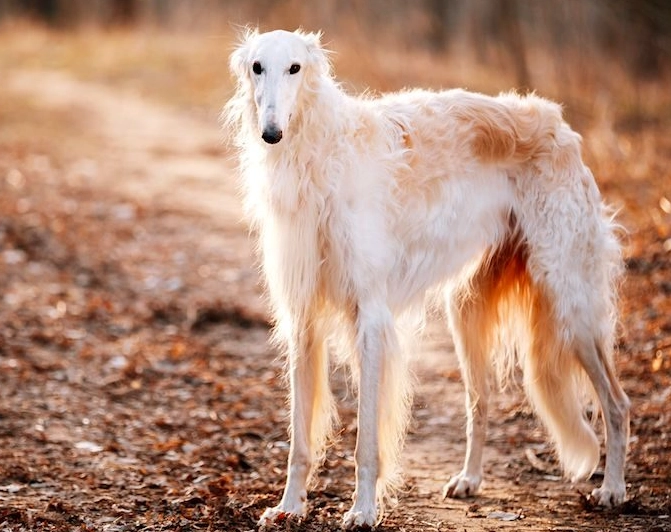
Your Borzoi Questions, Answered by Experience
So, why are Borzois so rare? It's a tapestry woven from threads of tragic history, biological challenge, significant cost, a temperament that doesn't fit the mold, and the fierce, protective ethics of the people who love them most. Their rarity is a feature, not a bug. It's a protective mechanism that, while frustrating for the smitten admirer, ensures that most Borzois who are born end up in homes that truly understand the privilege and responsibility of living with a living piece of history. They are not for everyone, and perhaps, that's exactly how it should be.
Reader Comments