Let's be honest, you probably saw a picture of a Briard puppy. That adorable, shaggy face, the intelligent eyes peeking out from a curtain of hair. It's an image that can make even the most disciplined dog lover start browsing breeders. I've been there. But before you fall completely under their spell, you need to know what you're signing up for. A Briard puppy isn't just a cute accessory; it's a commitment to a highly intelligent, deeply loyal, and surprisingly demanding large herding breed. This guide isn't about selling you on the dream. It's about giving you the real, unfiltered picture—the joys, the challenges, and the daily realities—so you can decide if this "heart wrapped in fur" is the right fit for your life.
In This Briard Puppy Guide
- Briard Puppy 101: Breed Snapshot
- Briard Puppy Temperament and Personality
- Bringing Your Briard Puppy Home: The First 48 Hours
- Feeding Your Growing Briard Puppy
- Training Your Briard Puppy: It's All About Leadership
- How to Groom a Briard Puppy: A Step-by-Step Guide
- Briard Puppy Health: What to Watch For
- Your Briard Puppy Questions, Answered
Briard Puppy 101: Breed Snapshot
Originating from France, the Briard was bred to be an independent guardian and herder of sheep. That history is written into every fiber of your puppy. They're large dogs. A male can stand 24-27 inches at the shoulder and weigh up to 100 pounds. That fluff isn't just for show; it's a double coat designed to protect them from the elements, which means it requires consistent care.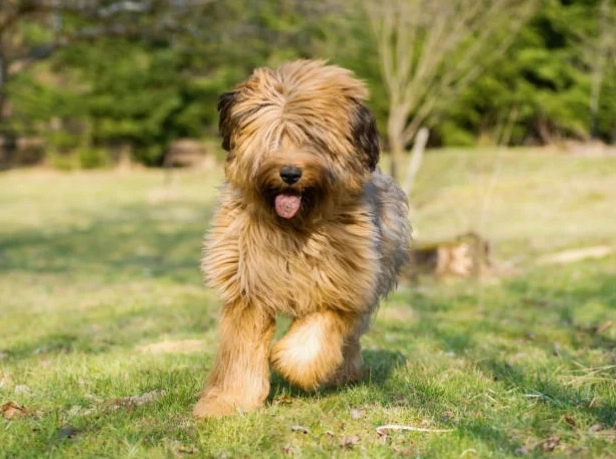
| Aspect | Details for a Briard Puppy |
|---|---|
| Size Category | Large Breed |
| Adult Weight | 70-100 lbs (32-45 kg) |
| Coat Type | Long, double coat (harsh outer, fine undercoat) |
| Exercise Needs | High (60+ minutes of active exercise daily) |
| Trainability | Highly intelligent but can be independent/stubborn |
| Good with Families? | Excellent with children they are raised with (protective) |
One thing most breed guides gloss over is the pacing of their growth. They grow fast in the first 8 months, but their joints and bones are still soft. Over-exercising a young Briard puppy on hard surfaces is one of the biggest mistakes new owners make, often leading to joint issues later. More on that in the health section.
Briard Puppy Temperament and Personality
Describing a Briard as "loyal" is an understatement. They form an intense, singular bond with their family. This isn't a dog that will happily greet every stranger at the door. They are reserved, watchful, and have a strong protective instinct. With their family, especially children, they are gentle giants, often positioning themselves between kids and perceived danger.
Their herding heritage means they are thinkers. They were bred to make decisions without human guidance. In your living room, this translates to a puppy that questions your commands. "Sit? Why should I? What's in it for me?" This intelligence requires mental stimulation just as much as physical exercise. A bored Briard is a destructive Briard.
The "Shadow" Tendency
Be prepared for a shadow. Your Briard puppy will want to be where you are, always. Bathroom, kitchen, home office—you'll have an audience. This isn't clinginess in a needy way; it's their default setting as a guardian. It's endearing, but you need to teach them to be okay alone in short bursts from day one to prevent severe separation anxiety.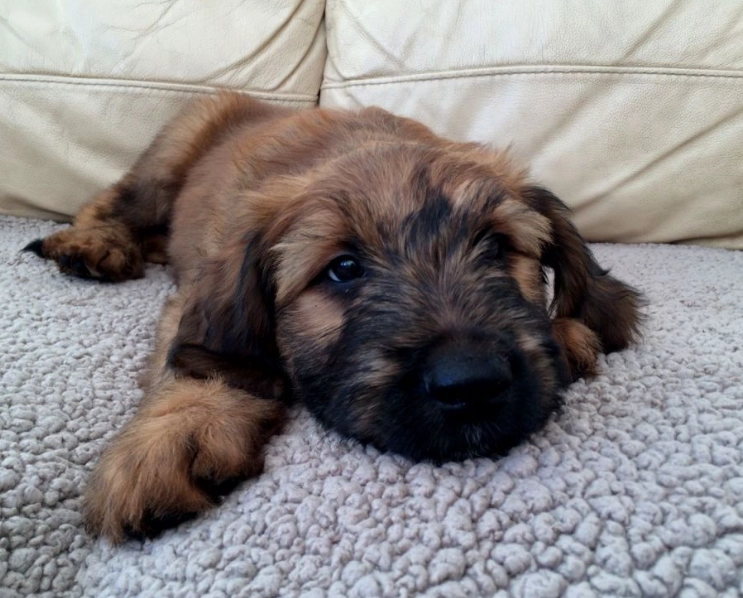
Bringing Your Briard Puppy Home: The First 48 Hours
This is where practicality kicks in. You've chosen a breeder (hopefully one who does health testing, which the American Kennel Club emphasizes), and pickup day arrives.
Your shopping list should go beyond a bed and bowl.
- A Sturdy Crate: Size 42-inch or larger. It's their safe den and your tool for housebreaking and managing chaos.
- Grooming Tools Now: Don't wait. Get a slicker brush, a metal comb, and dog-safe detangling spray. Start handling their paws and face immediately.
- Chew Variety Pack: Kongs, frozen carrots, bully sticks. Their jaws are powerful and they need appropriate outlets.
- Baby Gates: To section off parts of your home and control their environment.
The first night is often the hardest. They miss their littermates. A hot water bottle wrapped in a towel and a ticking clock near the crate can mimic the warmth and heartbeat of the litter. Expect some crying. Consistency and calm reassurance are key.
Feeding Your Growing Briard Puppy
Large breed puppies have specific nutritional needs. Their food must have the correct calcium-to-phosphorus ratio to support steady, not rapid, bone growth. Look for formulas labeled specifically for "Large Breed Puppies." Brands like Purina Pro Plan, Royal Canin, and Hill's Science Diet have veterinarian-developed options.
Expert Tip: Many vets and experienced Briard owners recommend keeping a puppy on large-breed puppy food until they are 18-24 months old, longer than the typical 12 months for smaller breeds. Their skeletal system matures slowly. Always consult your vet for a personalized plan.
Free-feeding (leaving food out all day) is a bad idea. It can lead to obesity and bloat risk. Stick to 2-3 measured meals per day, and have your puppy rest calmly for at least an hour after eating.
Training Your Briard Puppy: It's All About Leadership
Forget harsh corrections. Briards are sensitive and remember everything. Positive reinforcement—using treats, praise, and play—is the only effective method. They work with you, not for you.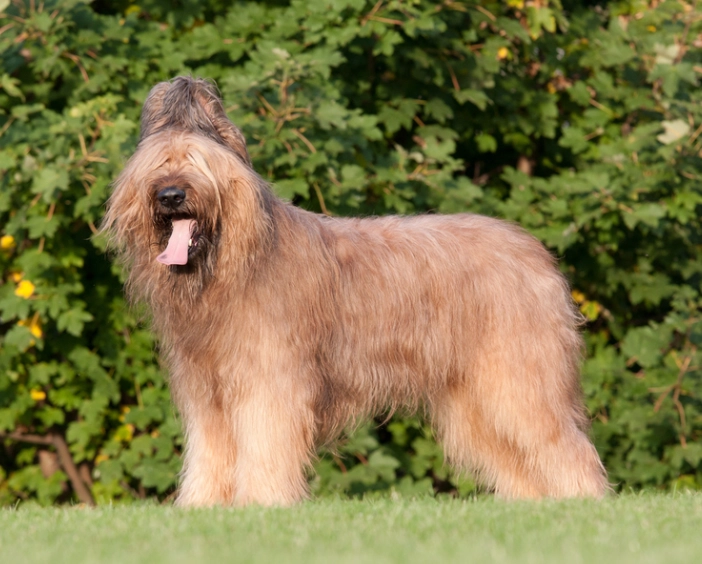
Three non-negotiable training focuses for a Briard puppy:
- Leash Manners: A 70-pound dog that pulls is unmanageable. Start "heel" training in low-distraction environments with high-value treats (boiled chicken works wonders).
- Reliable Recall: Their herding instinct can make them chase squirrels, bikes, kids. A rock-solid recall is a safety necessity. Practice in fenced areas first.
- Socialization, Not Just Exposure: This is critical. It's not about letting them meet every dog. It's about positive exposure to diverse people, sounds, surfaces, and situations (vacuums, umbrellas, hats) before 16 weeks. The goal is a confident, neutral dog, not necessarily a social butterfly.
How to Groom a Briard Puppy: A Step-by-Step Guide
This is the make-or-break commitment. If you hate grooming, reconsider the breed. Matting is painful, causes skin infections, and requires shaving. Start young and make it positive.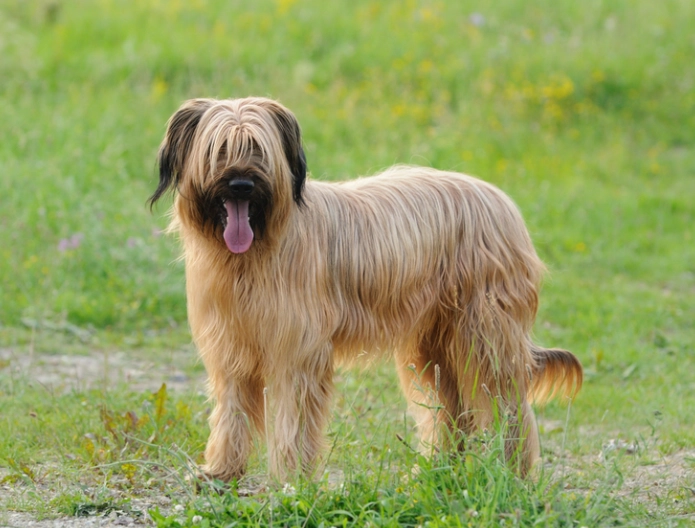
Weekly Grooming Session (45-60 minutes):
- Spray & Separate: Mist the coat lightly with a detangler. Use your fingers to separate any small tangles.
- Brush Out: Use a slicker brush in sections, starting from the skin out. Lift the hair and brush the undercoat. Never brush dry, matted hair from the top down—it tightens the mat.
- Comb Through: Follow with a long-toothed metal comb. It should glide through to the skin without snagging. Any snag is a potential mat starting.
- Face and Feet: Keep hair around eyes trimmed for visibility. Check between paw pads for debris and trim hair to prevent slipping.
- Ears: Check weekly. Their floppy ears trap moisture. Clean with a vet-recommended solution to prevent infections.
Many owners opt for a professional groomer every 6-8 weeks for a bath, thorough dry, and trim. It's worth the investment.
Briard Puppy Health: What to Watch For
Reputable breeders screen for genetic conditions. You should get documentation. Key health screenings for Briards, as outlined by the Briard Club of America, include hip and elbow evaluations and eye exams by a veterinary ophthalmologist.
Common health considerations include:
- Hip Dysplasia: A malformation of the hip joint. Maintain a healthy weight and avoid forced running/jumping during growth.
- Bloat (GDV): A life-threatening stomach torsion. Feed multiple small meals, use slow-feed bowls, and enforce rest after eating. Know the symptoms: restless, pacing, unproductive vomiting, distended abdomen. This is an immediate emergency.
- Progressive Retinal Atrophy (PRA): A degenerative eye disease. Ensure your breeder tests for it.
Establish a relationship with a vet experienced with large breeds. Keep up with vaccinations and parasite prevention.
Reader Comments