So you're curious about the Briard Poodle mix. Maybe you saw a photo of a shaggy, intelligent-looking dog and wondered what it's like to actually own one. I've been around dogs, particularly working and herding breeds, for over a decade, and I can tell you this hybrid is not your average doodle. It's a fascinating blend of two highly intelligent, purpose-driven breeds. This guide isn't just a rehash of breed standards; it's a deep dive into the reality of living with a Briard Poodle cross, covering the joys, the challenges, and the significant commitments most articles gloss over.
What’s Inside This Guide
- What Exactly is a Briard Poodle Mix?
- The Real Briard Poodle Mix Temperament
- How Big Do They Get? Size & Appearance
- How Much Exercise Does a Briard Poodle Mix Need?
- The Grooming Reality: It’s a Big Deal
- Health Concerns You Need to Know
- Are Briard Poodle Mixes Good Family Dogs?
- Your Questions Answered
What Exactly is a Briard Poodle Mix?
The Briard Poodle mix, sometimes informally called a "Briardoodle" or "Bri-Poo," is a cross between a Briard and a Poodle (usually a Standard Poodle). It's not a recognized breed by major kennel clubs like the AKC, but a designer hybrid. The goal is often to combine the Poodle's low-shedding, hypoallergenic coat with the Briard's loyalty and protective instincts.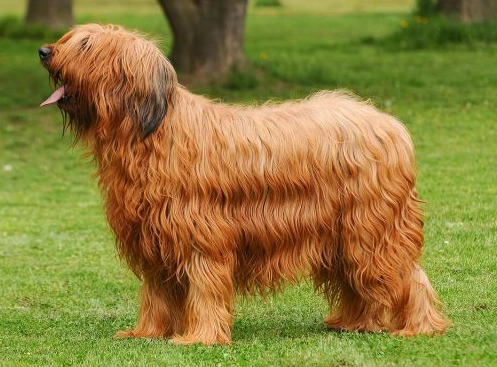
But here’s the thing many breeders won't emphasize: you're mixing two very different coat types and working-dog mentalities. The Briard is a French herding dog with a long, double coat that sheds. The Poodle has a dense, curly, single-layer coat that grows continuously. The offspring can inherit any combination of these traits, making predictability a real issue.
Key Takeaway: Don't assume a "Briardoodle" will automatically be low-shedding. Some first-generation mixes shed moderately like a Briard, while others have a tighter, Poodle-like curl. If a non-shedding coat is non-negotiable for you, this mix is a gamble.
The Real Briard Poodle Mix Temperament
This is where things get interesting. Both parent breeds are exceptionally smart. The Poodle is renowned for its trainability and eagerness to please. The Briard is an independent thinker, bred to make decisions while herding sheep without constant human direction.
Your Briard Poodle mix will likely be brilliant. But that intelligence needs a job. Without proper mental stimulation, these dogs will invent their own work, which usually means redecorating your house or developing obsessive behaviors.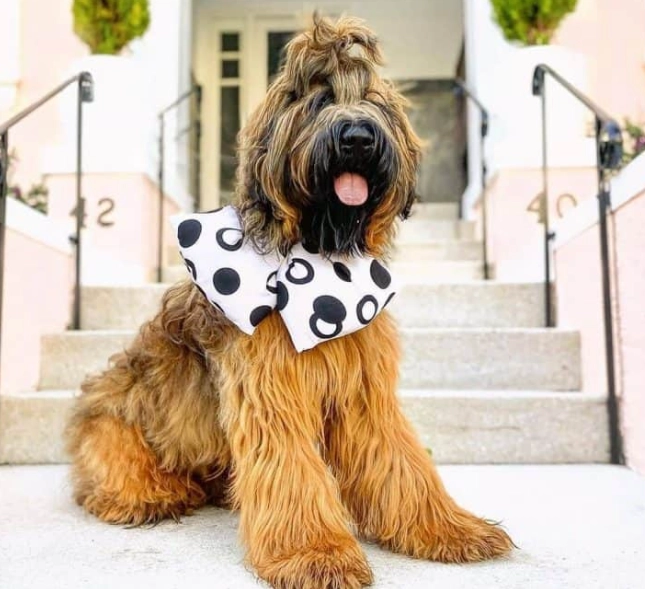
They often inherit a strong protective streak from the Briard side. This isn't always aggressive; it's more a deep sense of vigilance and a desire to keep their family safe. Early and extensive socialization is not optional—it's critical. They need to meet hundreds of different people, dogs, sights, and sounds in a positive way during their first year to prevent wariness from turning into reactivity.
One subtle mistake I see: owners focus solely on obedience training and neglect confidence-building. A nervous Briard Poodle mix is harder to manage than a stubborn one. Activities like nose work, trick training, and exploring new, safe environments build a resilient and well-adjusted dog.
How Big Do They Get? Size & Appearance
Since both the Briard and Standard Poodle are large dogs, you can expect a substantial animal. There's no official standard, but here’s a realistic range based on typical parent sizes:
| Trait | Briard | Standard Poodle | Briard Poodle Mix (Likely Range) |
|---|---|---|---|
| Height | 22-27 inches | Over 15 inches (usually 18-24) | 20-26 inches at the shoulder |
| Weight | 70-100 lbs | 40-70 lbs | 55-85 lbs |
| Coat Type | Long, double, wavy/coarse | Dense, curly, single-layer | Highly variable: wavy, curly, or shaggy |
| Coat Colors | Black, gray, tawny | Many solids (black, white, apricot, etc.) | Any combination: black, gray, cream, parti-color |
Their appearance is a wild card. I've seen some that look like oversized, shaggy Poodles, and others that resemble a Briard with a slightly softer face. Most have a sturdy, athletic build reflecting their working heritage.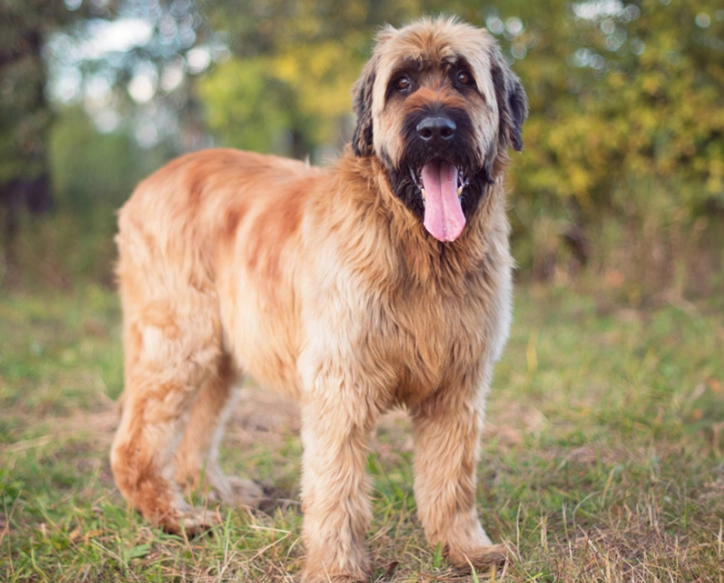
How Much Exercise Does a Briard Poodle Mix Need?
A lot. We're talking 60-90 minutes of dedicated activity daily, split between physical and mental exercise. A walk around the block won't cut it.
Physical Exercise Ideas
Long, brisk hikes are perfect. They love having a purpose, so activities like jogging, bikejoring (with proper gear and training), or fetch in a large, secure area are excellent. Dog sports like agility or rally obedience can be a fantastic outlet.
Mental Exercise Is Non-Negotiable
This is what separates a content dog from a destructive one. Food puzzles, snuffle mats, and training sessions that teach new tricks are daily essentials. Hide-and-seek with toys or treats engages their problem-solving skills. I recommend rotating toys to keep things novel.
Think of a typical day: a 45-minute morning walk with some training drills, a frozen Kong or puzzle toy while you're at work, and an evening session of fetch followed by 15 minutes of learning a new trick or playing a scent game. That's the level of engagement we're aiming for.
The Grooming Reality: It’s a Big Deal
This is the biggest commitment and often the most underestimated. Whether the coat leans Briard or Poodle, it requires serious upkeep.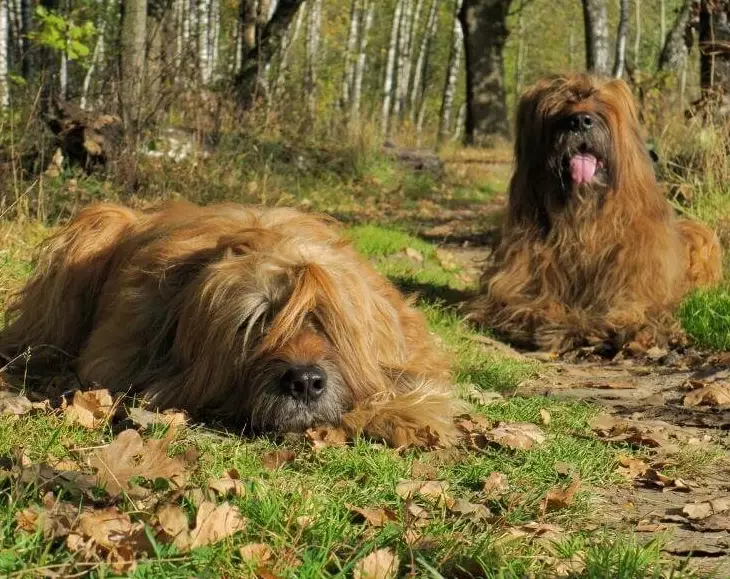
If the coat is more Poodle-like (curly): It will grow continuously and mat incredibly easily. You're looking at professional grooming every 4-6 weeks, costing $80-$120+ per session, and daily brushing at home with a slicker brush and metal comb to prevent mats, especially behind the ears, under the legs, and around the collar.
If the coat is more Briard-like (long and wavy): It will shed and still mat. It requires thorough brushing several times a week to prevent the undercoat from felting against the skin—a painful condition that can lead to skin infections.
Ear care is critical. Floppy ears and dense hair create a warm, moist environment perfect for yeast and bacteria. Weekly cleaning with a vet-approved ear cleaner is a must. Nails need trimming every 2-3 weeks, and teeth should be brushed regularly.
I knew an owner, Sarah, who adopted a Briard Poodle mix without realizing the grooming needs. Within three months, the dog had severe mats close to the skin, requiring a full shave-down at the vet under sedation—a stressful and expensive lesson.
Health Concerns You Need to Know
Hybrid vigor can be a benefit, but responsible breeding is key. Reputable breeders test their parent dogs for breed-specific conditions. You should ask for these health clearances.
Common issues to be aware of:
- Hip Dysplasia: Common in many large breeds. Ask for Orthopedic Foundation for Animals (OFA) or PennHIP scores from the parents.
- Bloat (Gastric Dilatation-Volvulus): A life-threatening emergency. Feed multiple small meals, avoid vigorous exercise around mealtimes, and know the symptoms.
- Progressive Retinal Atrophy (PRA) & Cataracts: Both breeds can be prone to eye issues. The Canine Eye Registration Foundation (CERF) exams are important.
- Skin Allergies: Poodles can be prone to them, and skin issues can pop up in mixes.
A good resource for understanding these conditions is the Orthopedic Foundation for Animals website and your own veterinarian.
Are Briard Poodle Mixes Good Family Dogs?
They can be wonderful, loyal family members, but with major caveats.
They are typically devoted and protective of their children. However, their size and herding instincts mean they might try to "herd" running, screaming kids by nudging or bumping them. Supervision with young children is essential.
They often do best in homes with older children or teenagers who can participate in their training and exercise. They thrive on being included as part of the family's daily activities, not left alone in the yard for hours.
Their suitability for apartment living is low. They need space and are vocal—Briards are known for a deep, alert bark, and Poodles can be too. They are better suited for homes with secure yards.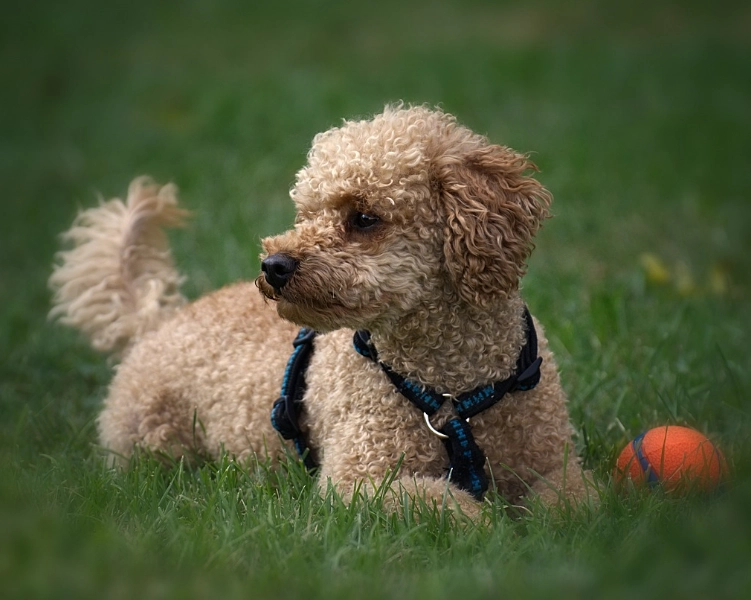
Your Questions Answered
Generally, no. This mix combines two highly intelligent, energetic, and strong-willed breeds. First-time owners often underestimate the time, consistency, and knowledge required for training, socialization, and grooming. The independent thinking of the Briard side can be challenging for someone unfamiliar with reading dog behavior. An owner without experience might struggle to provide the structured leadership and mental enrichment this dog craves, leading to frustration on both sides.
Overcoming their independent problem-solving. They don't just blindly obey; they assess if your command makes sense. If you ask for a "sit" in a distracting environment, they might pause to evaluate the situation first. The key is to make yourself more interesting and rewarding than the distraction. Use high-value treats (like chicken or cheese), keep training sessions short and fun, and never rely on repetitive drills. They get bored fast. Focus on building a partnership where they want to work with you, not just for you.
It's an uphill battle and not ideal. While sufficient exercise is crucial, the adaptation isn't just about physical space. These dogs are alert and vocal. They will bark at hallway noises, people outside the window, and other apartment commotion, which can become a nuisance. Their size also makes maneuvering in tight spaces awkward. If you are in an apartment, you must be fanatical about providing off-site physical exertion (multiple long walks, trips to a dog park or field) and impeccable training to manage barking. A ground-floor unit with direct access to a patio or quick outdoor path is almost a necessity.
Avoid anyone who advertises "hypoallergenic" or "teacup" mixes as a guarantee. A responsible breeder will: 1) Prioritize health, showing you OFA, CERF, and other genetic test results for both parent dogs. 2) Be deeply knowledgeable about both parent breeds, discussing their temperaments and potential challenges openly. 3) Raise puppies in their home with early neurological stimulation and socialization. 4) Ask you as many questions as you ask them, ensuring their puppies go to suitable homes. 5) Have a contract that includes a health guarantee and requires you to return the dog to them if you can't keep it. Be prepared to be on a waitlist.
There is no truly hypoallergenic dog. Allergens come from dander (skin flakes), saliva, and urine, not just hair. While a mix that inherits the Poodle's non-shedding coat may produce less airborne dander, it doesn't eliminate allergens. Someone with severe allergies should spend time with an adult Briard Poodle mix before committing. Remember, the mix could inherit the Briard's shedding coat, which would likely trigger more allergies. Don't take a breeder's "hypoallergenic" claim at face value.
Reader Comments