That mottled, speckled, almost blue-black coat is the Bluetick Coonhound's calling card. It's not just a color; it's a functional camouflage for night hunting and a complex genetic tapestry. But if you think "bluetick" just means a blue dog with black spots, you're missing the whole picture. I've seen plenty of folks mistake a heavily ticked Black and Tan for a Bluetick, or worry when their puppy's "blue" hasn't come in yet. Let's cut through the confusion. This isn't a list of superficial facts. We're diving into the official standards, the fascinating science behind the patterns, the real-world care that coat demands, and the subtle details that separate a good Bluetick color from a great one.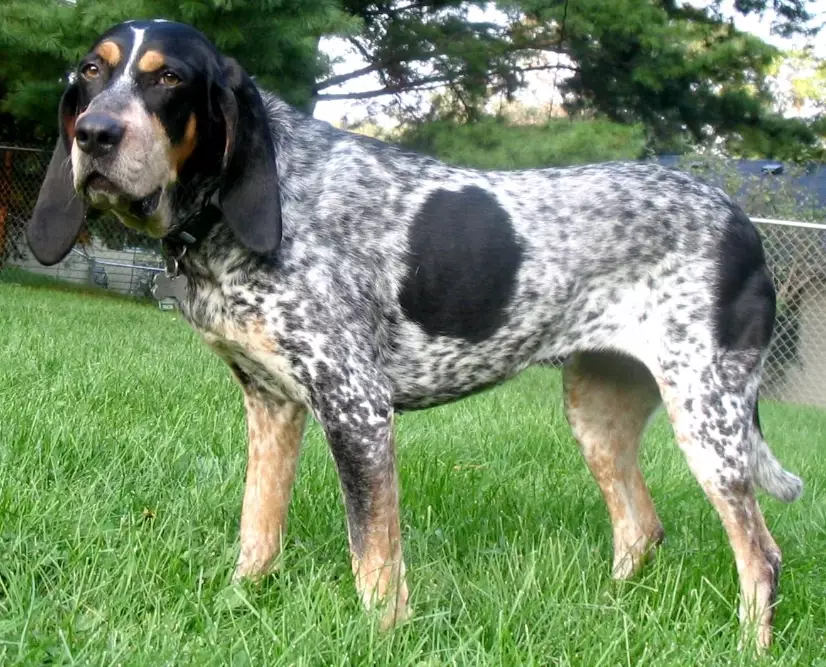
Quick Navigation: What's Inside
What Are the Official Bluetick Coonhound Colors?
According to the American Kennel Club (AKC) breed standard, the base color is a dark blue, appearing as a heavily mottled or ticked background. This isn't a solid blue like a Russian Blue cat. It's created by black spots and streaks on a white background, which from a distance blends to that characteristic slate blue. The key components are:
| Color Component | Description & Placement |
|---|---|
| Dark Blue Ticking | The primary body color. A mixture of black spots on white hair, denser on the back, sides, and ears. |
| Black Saddle | A solid black patch covering the back and sides, often broken by blue ticking. A full, unbroken saddle is preferred. |
| Tan Points | Specific, rich tan markings above the eyes, on the cheeks, chest, below the tail, and on the lower legs. Not orange or cream. |
| White Markings | Can appear on the chest, blaze on the face, and feet. Excessive white is frowned upon. |
Here's where new owners get tripped up. The ticking (small, isolated spots) is different from roaning (a even mix of colored and white hairs creating a frosty effect). Blueticks have ticking. Some hounds have roaning, but it's not the classic look. Also, the "blue" should dominate. I've seen dogs where the black saddle is so dominant it overpowers the blue, making them look more like a Black and Tan with sprinkles. That's a fault.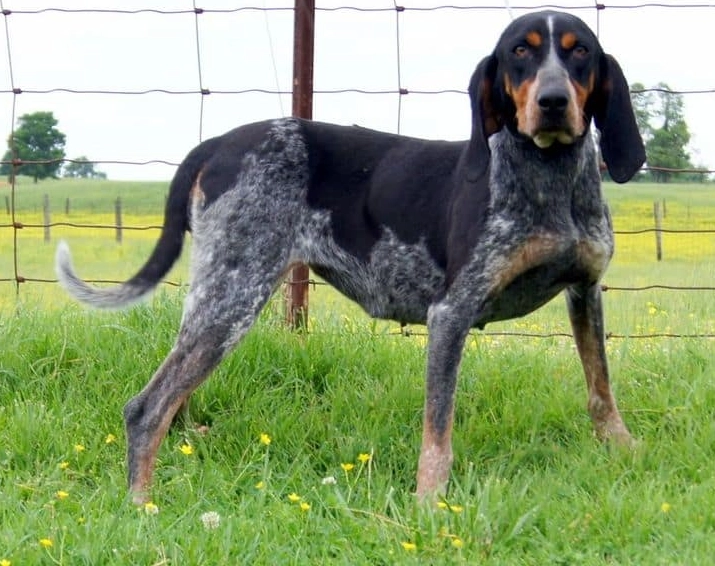
Common Variations and "Faults"
Not every Bluetick is a textbook example. You'll see variations. Heavy ticking, light ticking, a big black saddle, a smaller one. Some have almost no tan, which is a more serious fault. The one variation that causes genuine concern is the presence of merle patterning. Merle (a mottled patchwork of dark and light areas) is not a natural color in the Bluetick Coonhound gene pool. If you see a "merle Bluetick," it's almost certainly a mixed breed or the result of irresponsible breeding introducing a foreign gene, which can be linked to health issues like deafness and blindness.
How Bluetick Coonhound Colors Are Genetically Determined
This is where it gets cool. That iconic coat isn't random. It's controlled by a series of genes working together. The base is a black-and-tan pattern (like a Doberman or Rottweiler). On top of that, the ticking gene (often associated with the gene *T*) takes the solid black and tan areas and "punches" little spots of color into the white areas of the coat. The density of ticking is influenced by other modifiers.
Think of a puppy. They're born mostly white with maybe some black patches. The ticking develops over the first few weeks and months. A common worry: "My Bluetick puppy isn't blue yet!" Patience. The color fills in gradually, like a photograph developing. By four to six months, you'll have a good idea of the final pattern, but it can continue to darken and intensify until they're about two years old.
Grooming and Care for the Bluetick Coonhound Coat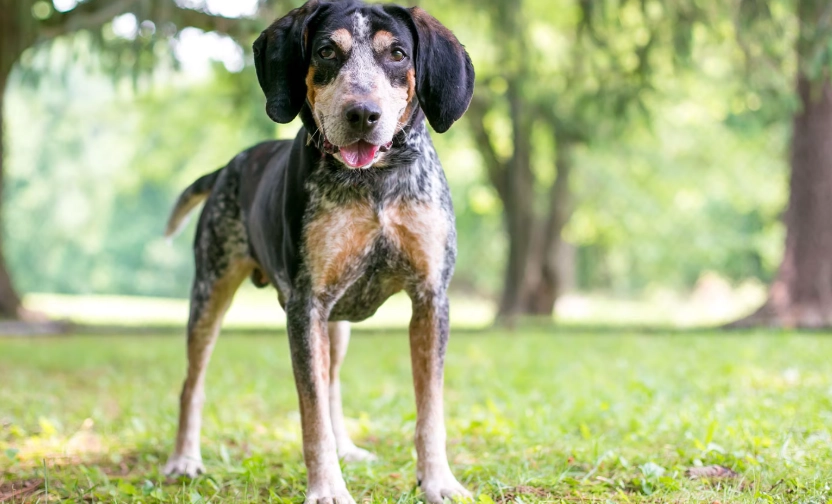
Let's be practical. That short, glossy coat is low-maintenance in one sense, but it sheds. Oh, does it shed. It's not seasonal; it's a constant, fine drizzle of white and black hairs. Forget wearing black clothes. Here’s the real-world maintenance routine that actually works, not the fluffy advice you see everywhere.
The Essential Grooming Toolkit
A rubber curry brush (like a Kong ZoomGroom) is your best friend. It grabs the loose undercoat without irritating the skin. Use it weekly, or even daily during heavy shed periods. Follow up with a fine-toothed grooming mitt or a silicone brush to catch what the curry left behind. Bathing? Every 6-8 weeks is plenty. Over-bathing strips their natural oils and can make the skin itchy. Use a gentle, oatmeal-based shampoo.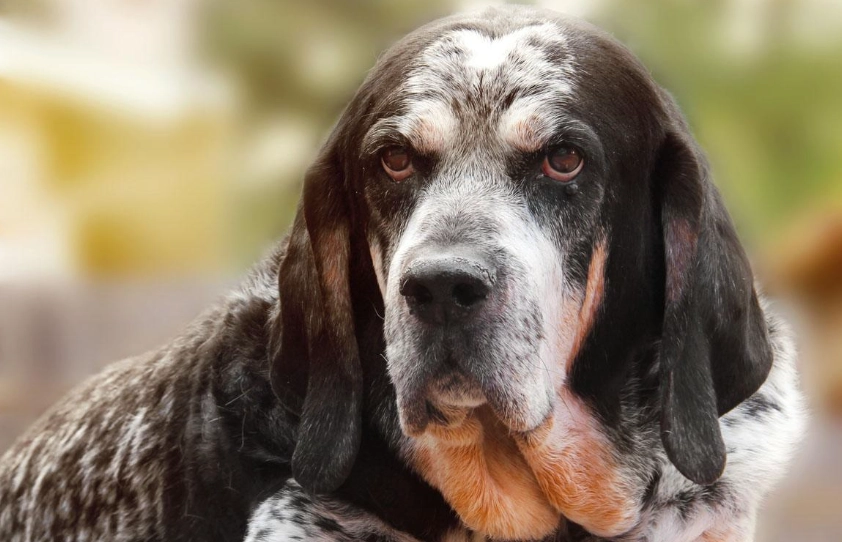
The biggest mistake I see? People ignoring the ears. Those long, floppy ears are prone to infection. Check and gently clean them weekly with a vet-approved ear cleaner. Moisture and wax get trapped in there, and that dark, warm ear leather is a paradise for bacteria and yeast.
Color in the Bluetick Coonhound Breed Standard
Why does color matter so much for a working dog? For the Bluetick, it's part of its breed identity and history. The AKC standard states color clearly: "Preferred color is a dark blue, thickly mottled body, spotted by various shaped black spots on back, ears and sides." You can read the full, detailed description on the American Kennel Club's Bluetick Coonhound page.
In the show ring, correct color and pattern are important. A judge will look for that clear contrast between the blue ticking, the black saddle, and the rich tan points. Dogs with excessive white, insufficient ticking, or incorrect tan (like cream or wheaten) will be penalized. However—and this is crucial—color is never more important than structure, movement, and temperament. A perfectly colored dog with poor shoulders or a shy disposition will not win. The best breeders prioritize health and ability first, color second.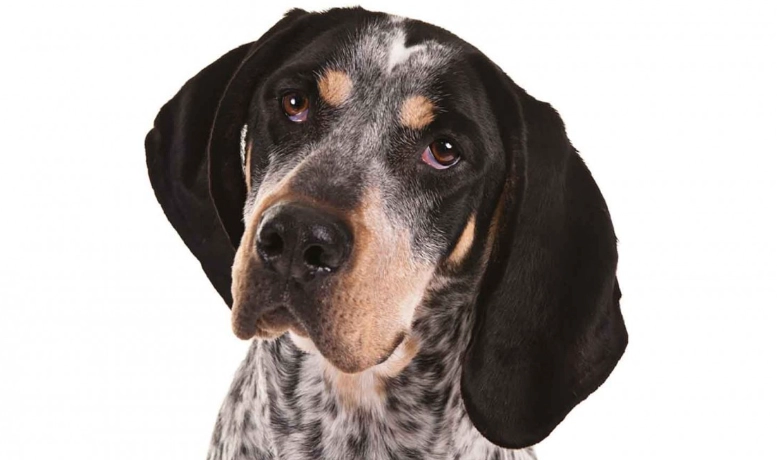
Reader Comments