Let's cut to the chase: a Bluetick Coonhound is a large, substantial dog. If you're picturing a lapdog, you're in the wrong aisle. But "large" can mean different things. Is it a gentle giant that sprawls across your couch, or a muscular athlete that needs a job? Understanding the Bluetick Coonhound size isn't just about height and weight numbers on a chart. It's about how that physical package translates to space in your car, wear on your joints during walks, the cost of food, and the reality of sharing your home with a powerful, scent-driven hound. Getting this right is the difference between a perfect fit and a stressful mismatch.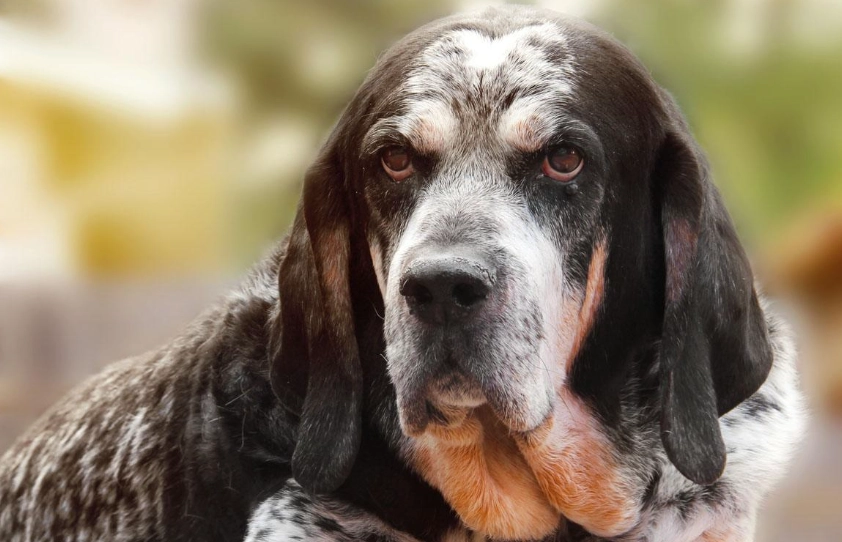
What's Inside This Guide
Bluetick Coonhound Size: The Numbers Explained
The official breed standard from the American Kennel Club (AKC) gives us the blueprint. But remember, these are guidelines for show dogs. Pet Bluetick Coonhounds often fall within a slightly broader, more practical range.
| Gender | Height (at the shoulder) | Weight |
|---|---|---|
| Male Bluetick Coonhound | 22 to 27 inches (56-69 cm) | 55 to 80 pounds (25-36 kg) |
| Female Bluetick Coonhound | 21 to 25 inches (53-64 cm) | 45 to 65 pounds (20-29 kg) |
See that weight range? A 25-pound spread for males is huge. That's because "size" in a working hound includes more than just scale weight. It's about bone density, muscle mass, and overall frame. A lean, hard-muscled coonhound from a working line might hit 70 pounds and look fit. A pet-line dog with a heavier build and less muscle tone could be the same weight but appear stocky, even borderline overweight.
Here's a nuance most generic articles miss: you must assess a Bluetick by body condition, not just the number on the scale. You should be able to feel—but not sharply see—their ribs. They should have a discernible waist when viewed from above. A "skinny" 75-pound male with visible ribs is underweight, while a "solid" 65-pound female with no waist is overweight. The scale alone won't tell you that story.
What "Large and Muscular" Really Looks Like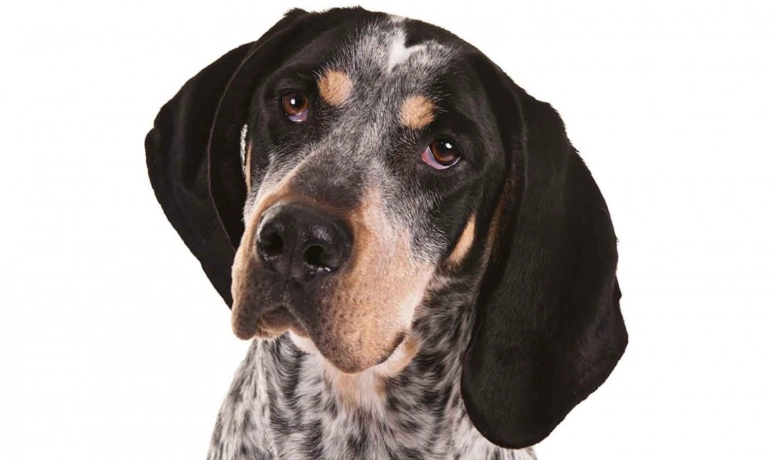
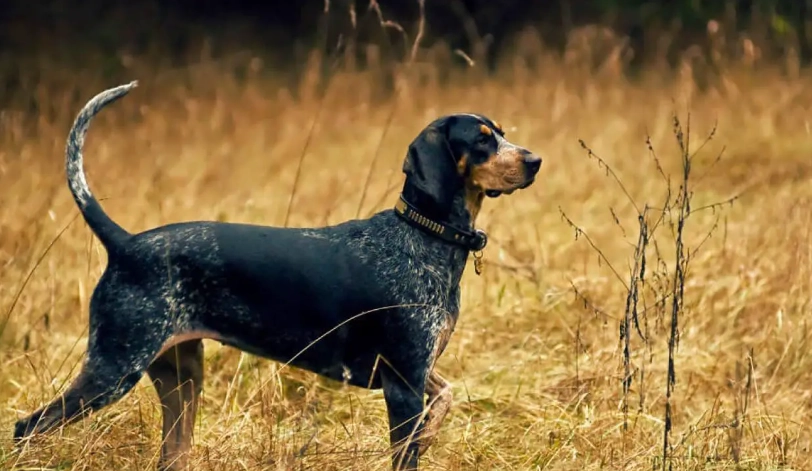
Forget fluffy. Think athletic. A Bluetick has a deep chest to house powerful lungs for trailing, strong shoulders, and sturdy legs. Their build is more linebacker than marathon runner—powerful and enduring rather than sleek and ultra-fast. This structure is why they can crash through underbrush for hours but might not be the first pick for agility competitions requiring tight turns.
How Their Size Impacts Your Daily Life
This is where rubber meets the road. Knowing a Bluetick is large is one thing; living with it is another.
Space Needs: They are not apartment dogs by design. Can you make it work? Possibly, with multiple strenuous, long walks or runs every single day. But their ideal is a home with a securely fenced yard. Not a tiny patio, but a yard where they can safely sniff, explore, and burn mental energy. Indoors, they are prone to the "Bluetick sprawl"—occupying the entire couch, hallway, or the cool spot on the kitchen floor. You will rearrange furniture.
Exercise Non-Negotiables: A 20-minute walk around the block is a warm-up, not exercise. We're talking 60-90 minutes of vigorous activity daily. This isn't optional for a dog of this size and energy; it's preventative medicine for joints and behavior. A bored, under-exercised large hound will find its own fun, like redecorating your living room with couch stuffing.
Grooming & Drool: Their short coat is easy, but their size makes it a bigger job. Bathing a 70-pound, reluctant hound is a workout. And those large jowls? They hold water and slobber, which will be flung onto your walls, windows, and occasionally your face with a simple head shake.
Travel & Logistics: Can they fit in your car? My friend's Bluetick, Duke, could only ride comfortably in the hatchback of her SUV; the back seat of her sedan was a cramped joke. Factor in the cost of a large crate, extra-large dog beds (which they destroy quickly), and significantly higher food bills. Premium food for a large, active breed adds up.
How to Manage a Bluetick Coonhound's Size for Optimal Health?
Large breeds have specific health considerations. Managing their size proactively is key to a long, active life.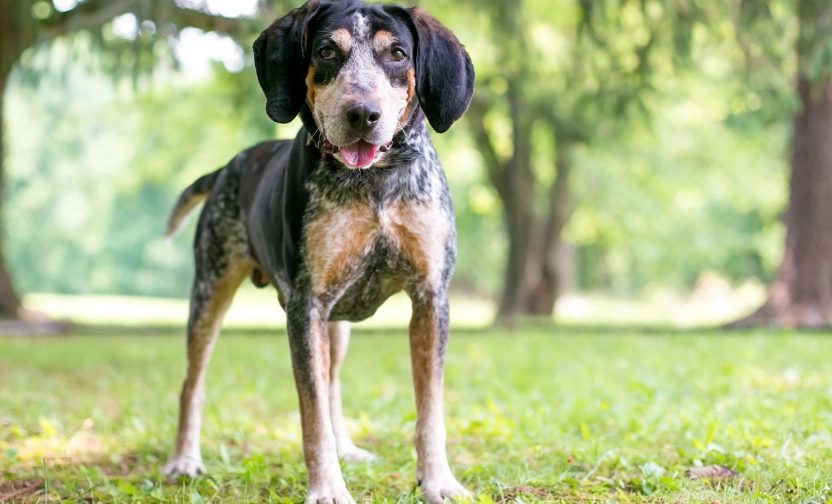
Growth Stages: From Puppy to Adult
Bluetick Coonhounds grow quickly in the first 8-10 months, but their bones and joints mature slowly. They are not fully physically mature until 18-24 months. Pushing growth with high-calorie puppy food designed for small breeds is a mistake. You want slow, steady growth.
| Growth Stage | Approximate Age | Size & Care Focus |
|---|---|---|
| Rapid Growth | 8 weeks - 8 months | Height increases rapidly. Use a large-breed puppy food to control calcium/calorie levels. Avoid forced running on hard surfaces. |
| Filling Out | 8 months - 18 months | Height stabilizes, muscle and chest fill in. Transition to adult food based on body condition, not age. Mental training is crucial as they test boundaries. |
| Physical Maturity | 18 months - 2.5 years | Reaches full adult weight and muscle mass. Can handle full workload and exercise regimen. Joint supplements can be considered proactively. |
Joint Health and Weight Vigilance
Hip and elbow dysplasia are concerns in many large breeds. Keeping your Bluetick at a lean, healthy weight is the single most impactful thing you can do to reduce stress on their joints. According to the Association for Pet Obesity Prevention (APOP), even a few extra pounds on a large frame significantly increase arthritis risk.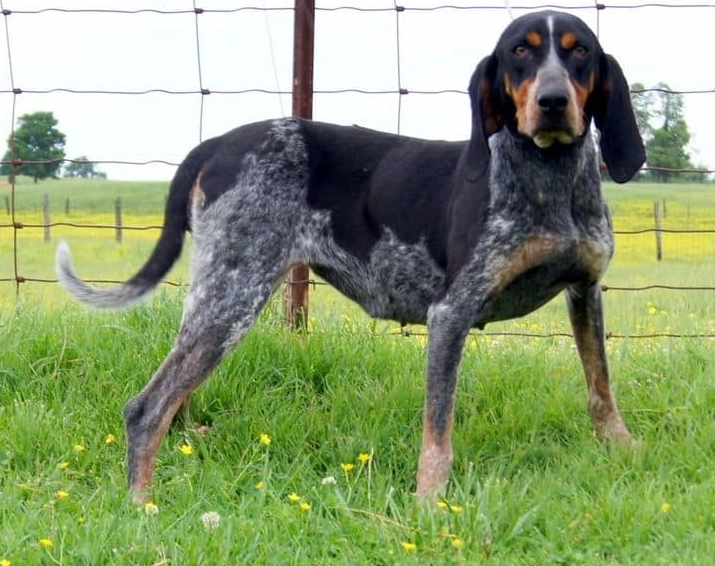
I learned this the hard way with my first hound, Sam. He was "just" 8 pounds over his ideal weight—barely noticeable to me. But the vet pointed out his lack of a waist. After a careful diet, he moved more freely and seemed years younger. That extra weight was like him carrying a heavy backpack all day, every day.
The Bloat Risk
Their deep chest makes them susceptible to Gastric Dilatation-Volvulus (GDV), or bloat. This is a life-threatening emergency. Prevention tactics for a large dog like this include:
- Feeding two or three smaller meals a day instead of one large one.
- Using a slow-feed bowl to prevent gulping air.
- Avoiding vigorous exercise for at least an hour before and after meals.
- Knowing the location and phone number of your nearest 24-hour emergency vet.
Bluetick Coonhound Size vs. Other Large Breeds
To give you a mental picture, here’s how they stack up:
- Vs. Labrador Retriever: Similar height, but a Bluetick is often leaner and more rangy. Labs tend to have a stockier, more compact build and can easily become heavier.
- Vs. German Shepherd: German Shepherds are often taller and carry more weight in their hindquarters. Blueticks are more balanced front-to-back with that distinctive hound build.
- Vs. English Foxhound (a close cousin): Very similar in size and build, as they share ancestry. Distinctions are more about coat color and subtle head shape.
The takeaway? A Bluetick Coonhound is a true large breed dog, but not the absolute largest. Their size is combined with a specific, purpose-built athleticism.vvv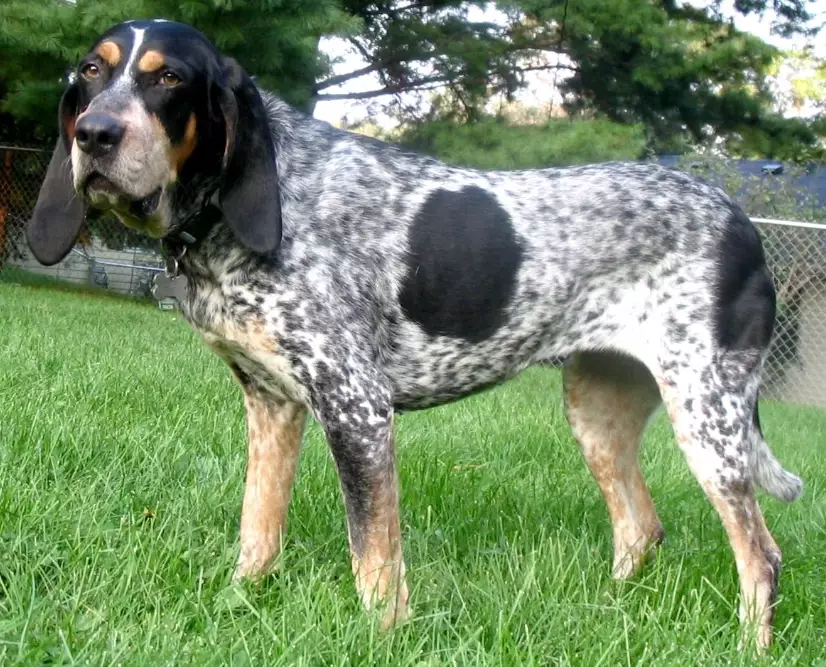
Your Bluetick Coonhound Size Questions, Answered
Is a Bluetick Coonhound too big for an apartment?
It's a major challenge, not an impossibility. Success hinges entirely on your commitment to providing 90+ minutes of dedicated, tiring exercise outside the apartment daily. This means rain or shine. Without that, their size and energy will feel oppressive in a small space, leading to destructive behavior and frustration for both of you. A house with a yard is a significantly better fit.
My Bluetick seems skinny but weighs a lot. Is that normal?
Absolutely normal and a sign of good condition in a working-line dog. Dense muscle weighs more than fat. Use the "hands-on" test: can you easily feel ribs with a slight fat covering, and see a waist from above? If yes, the number on the scale is just that—a number. Your vet's assessment of body condition score (BCS) is far more valuable than the weight alone.
 At what age is a Bluetick Coonhound fully grown?
They reach their full height by 12-15 months, but they continue to "fill out," gaining muscle mass and chest depth, until they are about 2 to 2.5 years old. Don't switch to a lower-activity adult food or reduce exercise based on height alone; wait until their physique has fully matured around that 2-year mark.
How much should I feed my growing Bluetick Coonhound puppy?
Follow the guidelines on a large-breed specific puppy food bag, but use them as a starting point. Adjust based on your puppy's body condition. You want a puppy that is lean and growing slowly, not roly-poly. Overfeeding to promote fast growth is one of the worst things you can do for their long-term joint health. Regular vet check-ins for weight assessment are crucial.
Are male or female Blueticks significantly different in size?
As the table shows, males are generally taller and heavier. However, the temperament difference is often more pronounced than the size difference. Males can be more overtly confident and persistent, while females can be slightly more independent. Choose based on the personality that fits your lifestyle, not just the potential for a few extra inches or pounds, as individual variation within the sex is wide.
Reader Comments