Let's cut to the chase. You're probably here because you saw a picture of a stunning, jet-black dog with floppy ears and an eager expression, labeled as a Boykin Spaniel. And your first thought was, "Wait, I thought they were only brown?" You're not wrong to be confused. The classic image of a Boykin Spaniel is a solid, rich liver or chocolate brown. But that deep, uniform black coat? It's real, it's breathtaking, and it comes with a whole set of considerations that go far beyond color. As someone who's lived with and trained spaniels for over a decade, I can tell you that choosing a dog based solely on coat color is like buying a car for the paint job. The real magic—and the real work—lies underneath.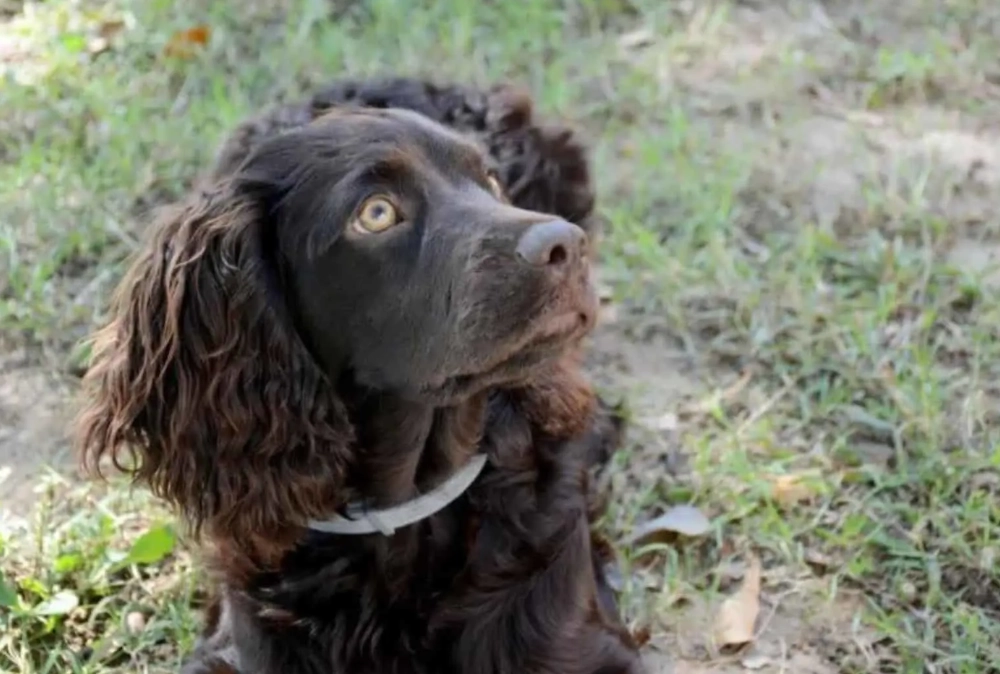
Your Quick Guide to the Black Boykin Spaniel
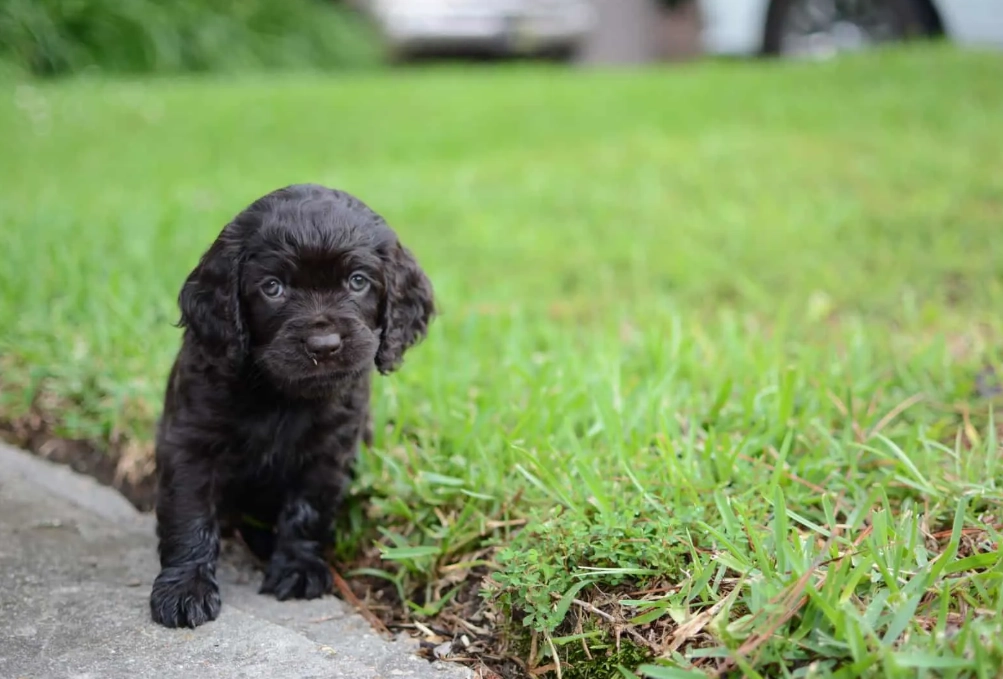
The Truth About the Black Coat Color in Boykins
First, the official word. According to the American Kennel Club (AKC) breed standard and the Boykin Spaniel Society, the only acceptable colors are solid liver, brown, or dark chocolate. A small white spot on the chest is allowed. Black is not an approved color within the breed standard for show dogs.
So, does that mean black Boykins are "defective" or unhealthy? Absolutely not. It simply means they carry a recessive gene for black coat color. Think of it like having blue eyes in a family where everyone else has brown. It's a genetic variation. These dogs are 100% purebred Boykin Spaniels; they just have a coat color outside the desired show ring palette. For a pet owner or hunting companion, this makes zero functional difference. In fact, many hunters I've spoken to appreciate the darker coat for its camouflage in certain environments.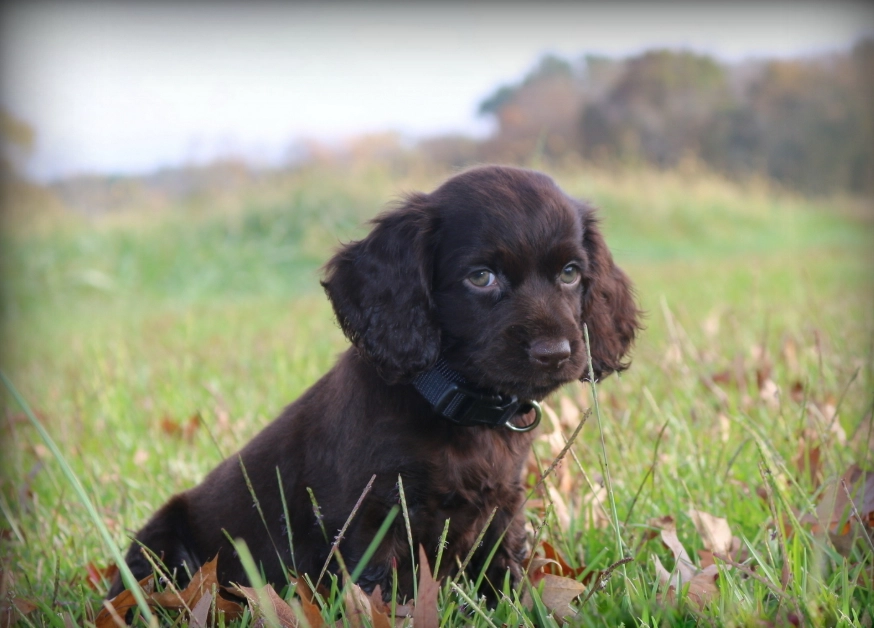
Key Takeaway: A black Boykin Spaniel is a purebred Boykin with a non-standard coat color. It doesn't affect their hunting drive, intelligence, or loving nature. It just means you won't be entering them in conformation shows.
Grooming a Black Boykin Spaniel: The Real Deal
Here's where that beautiful black coat demands a little extra attention. It's not harder, just different. A common mistake I see is owners treating the grooming of a black-coated sporting dog the same as a light-colored one.
The biggest issue? Visibility. Scratches, dry skin flakes (dandruff), and even early signs of certain skin conditions are much harder to spot against a black background. You have to get hands-on.
A Practical Grooming Routine for the Black Coat
Forget the complicated schedules. Here's what I do weekly with my own dogs:
- Hands-On Check: Before the brush even comes out, run your hands all over your dog. Feel for any bumps, scabs, or patches of dry skin. Look closely at the skin by parting the hair, especially around the ears, armpits, and belly.
- The Right Brush Combo: A slicker brush is your best friend for removing loose undercoat. Follow up with a wide-toothed comb to prevent mats, paying special attention to the feathering behind the ears and legs. Mats are sneaky on dark coats.
- Bathing for Shine, Not Stripping: Black coats can look dull if you use harsh shampoos. Use a gentle, moisturizing dog shampoo. A conditioner made for dark coats can enhance that deep, glossy black shine. Rinse, rinse, and rinse again—soap residue is the enemy of shine.
- The Summer Sun Factor: This is rarely talked about. A black coat absorbs more heat. On blazing summer days, your black Boykin will overheat faster than a liver-colored one. Adjust your exercise times to early morning or late evening, and always, always provide shade and water.
Personality & Energy: It's Not Just Color
Don't for a second think the black coat comes with a different personality. The core of the Boykin is the same: a boundless, joyful, and driven dog. They were bred in South Carolina to be the perfect turkey-retrieving, boat-riding hunting companion. That means they have energy to spare.
The most frequent complaint I hear from new Boykin owners isn't about color—it's about being unprepared for the mental stimulation required. A tired Boykin is a good Boykin, but you can't just tire the body. You have to tire the brain.
Here’s a sample day for my Boykin, Duke (who is liver, but his black cousins need the same):
- Morning (45 mins): Not just a walk. A sniffari. I let him lead, explore, and process scents. Mental work.
- Mid-Day (20 mins): Training session. A new trick, or reinforcing old ones with high-value treats. We work on impulse control exercises like "leave it" with his favorite ball.
- Evening (60+ mins): This is the big one. Fetch in water (his favorite), a long hike, or advanced retrieving drills. Pure physical exertion.
Without this, any Boykin—black, brown, or polka-dotted—will find their own fun. And you won't like their ideas.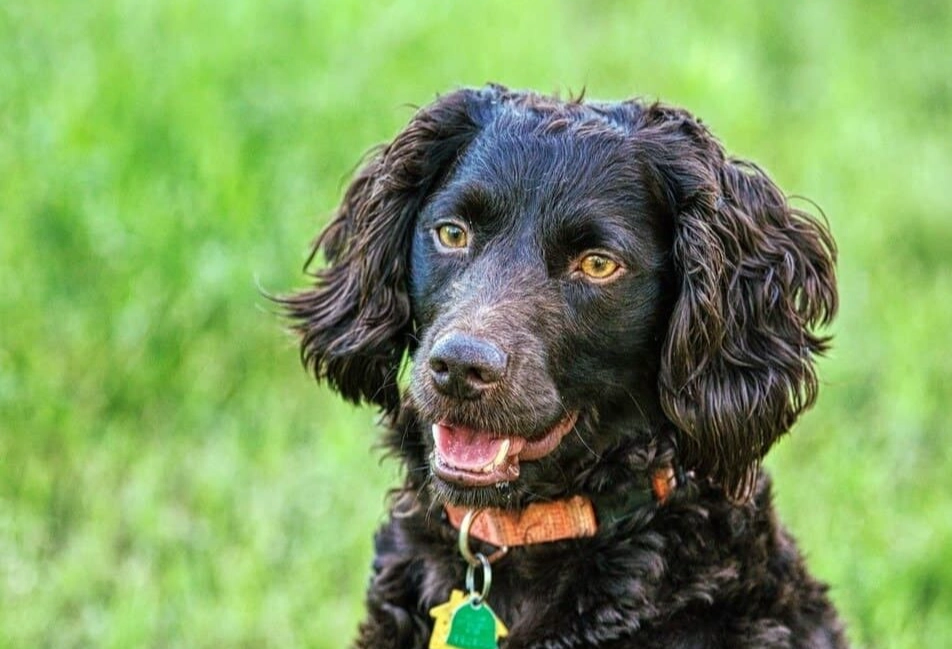
Health Considerations for the Black Boykin
Their health profile is identical to standard-colored Boykins. Reputable breeders test for the same conditions regardless of coat color. The Boykin Spaniel Society maintains a list of recommended health screenings. The big ones to ask any breeder about are:
- Hip Dysplasia: Common in many medium-sized breeds. Ask for OFA or PennHIP certification.
- Exercise Induced Collapse (EIC): A genetic condition specific to retrieving breeds. A simple DNA test can identify carriers.
- Cardiac Issues: Annual vet checks should include listening for heart murmurs.
- Eye Conditions: Annual CERF (ophthalmologist) exams are recommended.
The one potential indirect link to a black coat? Skin Health. Some anecdotal evidence from groomers and owners suggests black-coated dogs can be slightly more prone to certain skin allergies or dryness. It's not proven, but it means you should be extra vigilant with diet (high-quality food with good fats) and grooming, as mentioned earlier.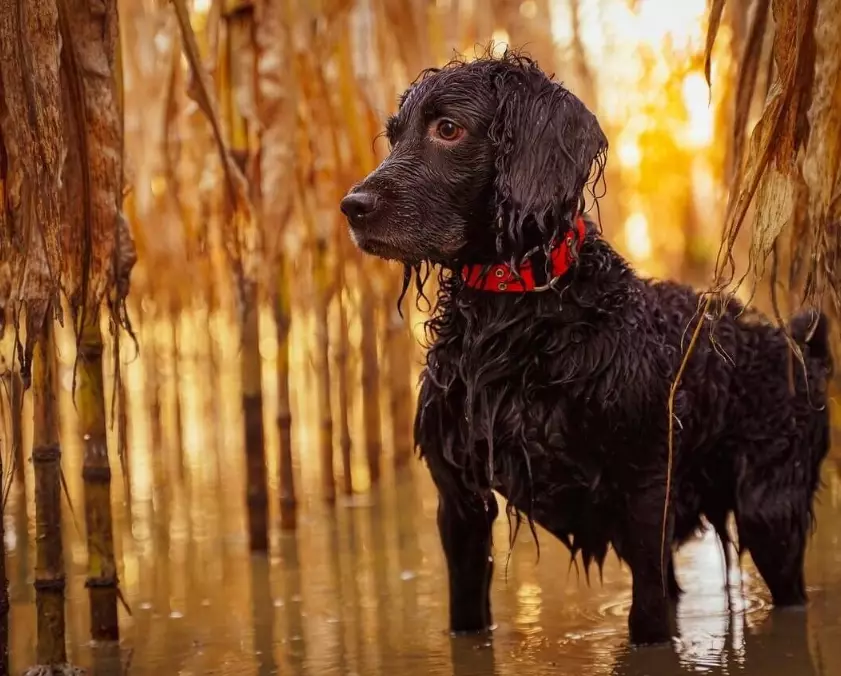
Finding a Reputable Black Boykin Spaniel Breeder
This is the most critical step. Because the black color is non-standard, you must be extra cautious to avoid backyard breeders or puppy mills trying to cash in on a "rare" color.
A good breeder's priority is health and temperament, not color. Here’s what a responsible breeder will do:
- They will openly discuss the genetics of the black coat and explain that it's a disqualification in the show ring.
- They will show you health clearances for both parent dogs (hips, eyes, EIC, cardiac).
- They will invite you to meet the puppy's parents and see their living conditions.
- They will ask you as many questions as you ask them. They want to know about your lifestyle, yard, experience with dogs, and plans for their puppy.
- They will have a contract that includes a health guarantee and a clause requiring you to return the dog to them if you can't keep it, ever.
If a breeder advertises "rare black Boykins" as their main selling point, charges a premium for the color, or can't provide health clearances, walk away. You're likely supporting unethical breeding.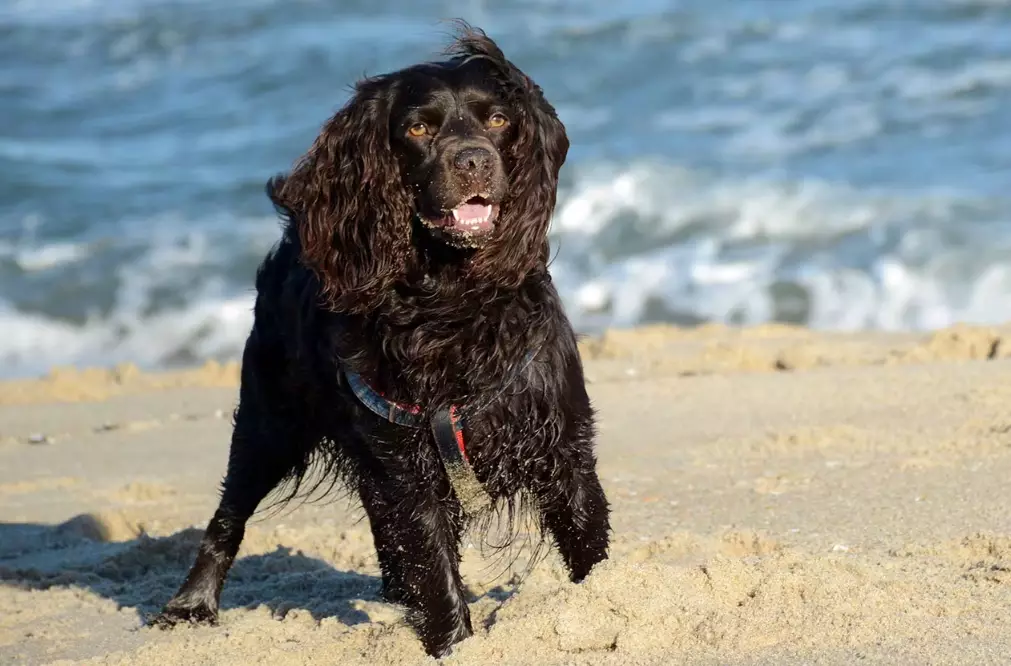
Your Black Boykin Spaniel Questions Answered
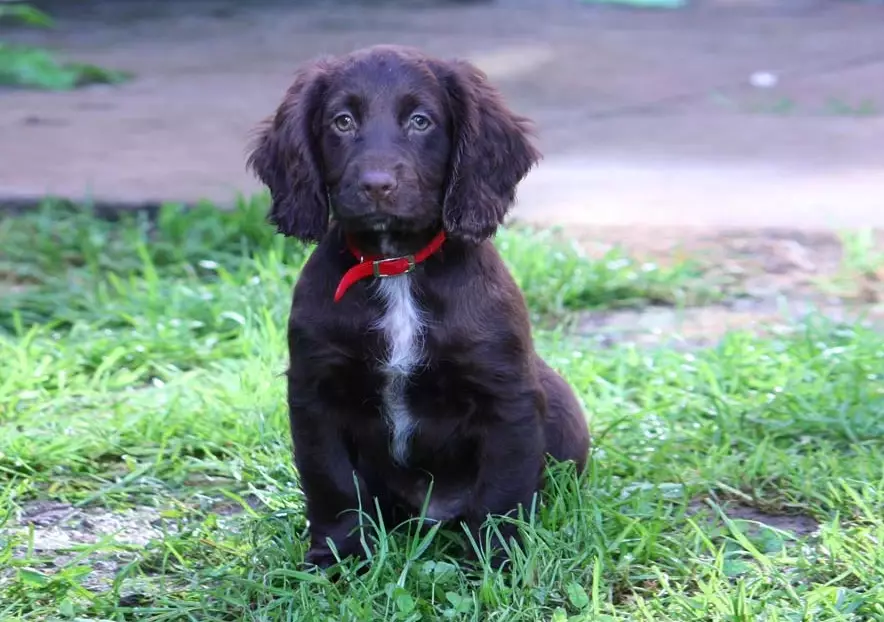 My black Boykin's coat looks reddish or brown in the sun. Is that normal?
Reader Comments