Let's cut to the chase. The Canaan dog isn't your average, eager-to-please golden retriever. If you're picturing a dog that lives for your praise and follows every command with a wag, you're looking at the wrong breed. I've spent over a decade working with primitive and spitz-type dogs, and the Canaan consistently stands out as one of the most misunderstood. Their temperament isn't a flaw—it's a masterpiece of ancient survival programming. It's brilliant, challenging, and absolutely not for everyone.
This isn't a dog you "own" in the traditional sense. You form a partnership, a treaty of mutual respect. Get it right, and you have the most loyal, intuitive, and capable guardian imaginable. Get it wrong, and you'll be dealing with a stressed, aloof, and vocal animal that feels like a stranger in your own home.
What You'll Find Inside
- The Ancient Blueprint: Survival Instincts in a Modern World
- The Core Canaan Dog Personality: A Balanced Duality
- Is a Canaan Dog the Right Fit for Your Family?
- Training and Socialization: The Non-Negotiable Foundation
- Managing the Canaan Dog Bark: From Nuisance to Communication
- Health and Lifespan: The Temperament Connection
- Your Canaan Dog Temperament Questions Answered
The Ancient Blueprint: Survival Instincts in a Modern World
To understand the Canaan dog's behavior, you have to forget everything you know about dogs bred for specific tasks like retrieving or herding. The Canaan is a pariah dog, a landrace breed that evolved naturally in the Middle East. Their job for millennia was simply to survive. This shapes everything.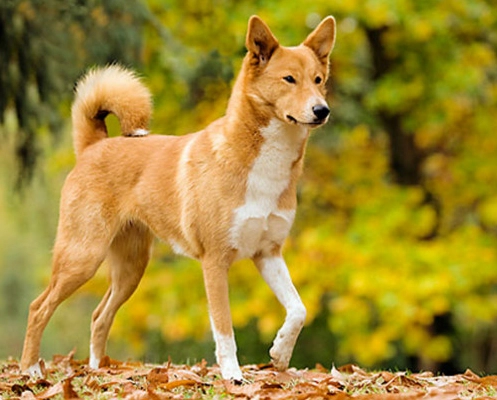
Independent Problem-Solving: A lost Canaan in the desert couldn't wait for human direction. They had to assess threats, find food, and make decisions. Today, that means they think for themselves. They'll obey a command if they see the point. If not, they'll give you a look that clearly says, "Why?" This isn't stubbornness; it's intelligence with a purpose.
High Environmental Awareness: Every rustle in the bushes, every new scent on the wind, is logged and analyzed. They are perpetual sentries. In a suburban backyard, this translates to intense alertness. The mail carrier, a squirrel two yards over, a plastic bag tumbling down the street—it's all worthy of a detailed report.
Resource Management: Survival meant guarding valuable resources—food, water, a safe sleeping spot. Modern Canaans often retain this. They might be possessive over toys, food bowls, or even their favorite human or couch. This isn't "aggression" out of the blue; it's a deeply ingrained instinct that must be gently managed from puppyhood.
A Key Insight: Many new owners mistake this independence for a lack of bonding. Nothing could be further from the truth. The Canaan bonds profoundly, but on their terms. Their loyalty is earned through consistency and respect, not through constant coddling or bribery with treats.
The Core Canaan Dog Personality: A Balanced Duality
Describing the Canaan dog temperament requires holding two seemingly opposite truths at once. They are not a dog of extremes, but of context.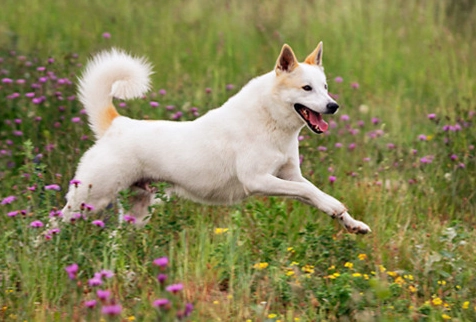
| Trait | Manifestation with Family | Manifestation with Strangers/The Outside World |
|---|---|---|
| Affection | Deeply loyal, forms a strong, quiet attachment. May follow you from room to room. Enjoys calm petting, but often on their own initiative. Not typically a "lap dog." | Aloof, reserved, and observant. Will not seek attention from guests. A polite indifference is the best you can hope for initially. |
| Protectiveness | A vigilant guardian of home and family. Acts as a living alarm system. Protection is usually through alerting and positioning themselves between a threat and their people. | Suspicious of new people and animals entering their territory. Early, positive socialization is critical to prevent over-protectiveness. |
| Energy & Play | Moderate energy needs. Enjoys brisk walks, games of chase, and puzzle toys. Has bursts of playful "zoomies" but is generally calm indoors. | Prey drive can be high. Unlikely to engage in playful wrestling with unknown dogs. May see small, fast-moving animals (cats, squirrels) as prey. |
| Vocalization | Uses a range of sounds to communicate—whines, grumbles, "talking." Alert barks to notify you of anything unusual. | The famous "Canaan Dog Bark"—a sharp, repetitive, loud alarm bark triggered by perceived intrusions. This is their primary job. |
See the pattern? They possess a sharp duality: soft and vigilant, affectionate and independent, playful and serious. The switch flips based on the situation. A well-bred, well-socialized Canaan should be stable and predictable in this duality. A nervous or poorly-bred one can tip into being skittish or overly sharp.
Is a Canaan Dog the Right Fit for Your Family?
This is the million-dollar question. Based on years of talking to successful and unsuccessful owners, here's the honest breakdown.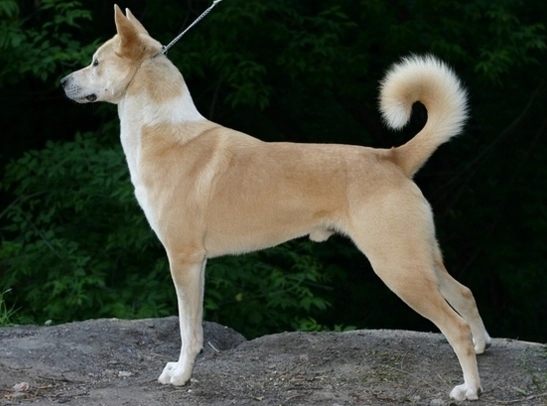
The Ideal Canaan Home Looks Like This:
- Experienced Owners: You've had dogs before, preferably independent breeds. You understand that leadership is about calm confidence, not dominance or yelling.
- Predictable, Quiet Environment: A home with a secure, fenced yard is almost non-negotiable. Apartments can work, but only with an owner committed to massive amounts of mental stimulation and controlled outdoor time.
- No Small, Fast Pets: If you have cats, they must be dog-savvy and the Canaan must be raised with them from puppyhood. Rabbits, guinea pigs, or pet birds are a firm no.
- Older Children: They do best with respectful, calm children who understand dog body language. They are not crash-test dummies for toddlers.
- An Appreciation for Quiet Bonding: You don't need constant slobbery kisses. You find joy in the quiet companionship of a watchful, dignified animal by your side.
Think Twice If: You're a first-time dog owner. You want a dog to take to busy outdoor cafes or dog parks. You have a chaotic, loud household with lots of coming and going. You are gone for 9+ hours a day. You are sensitive to barking. In these scenarios, a Canaan will likely be stressed, and you will be frustrated.
Training and Socialization: The Non-Negotiable Foundation
Training a Canaan is less about drilling commands and more about building a framework of communication and trust. Forget force. It backfires spectacularly.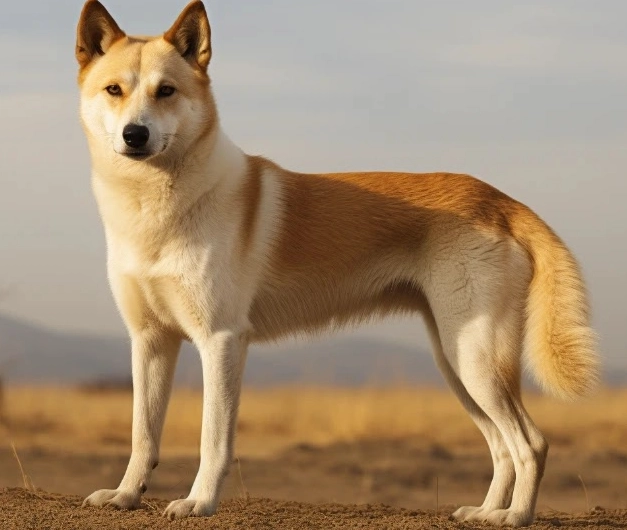
How to Train a Canaan Dog: The Mindset Shift
Use high-value rewards (real meat, cheese), but make them unpredictable. The moment they think they can predict the treat, their interest in obeying wanes. Keep training sessions short, fun, and puzzle-like. "Find it" games, nose work, and agility foundations are gold.
The biggest mistake I see? Owners trying to socialize by flooding.
Taking a young, sensitive Canaan puppy to a crowded Saturday farmer's market is a recipe for creating a fearful, reactive adult. Their socialization window is critical and narrow. It's about quality, not quantity.
Critical Socialization Windows and Goals
From 8 to 16 weeks, your goal isn't to make them love everyone. It's to teach them that the world is not scary. Controlled exposures. Let them observe children playing from 50 feet away. Have one calm friend come over, ignore the puppy, and toss treats on the floor. Pair every new sight and sound (vacuum, doorbell, skateboards) with something positive.
Managing the Canaan Dog Bark: From Nuisance to Communication
Yes, they bark. It's in their job description. The goal isn't to eliminate it—that's like buying a sheepdog and telling it not to herd. The goal is to manage and contextualize it.
Your Canaan barks to alert you: "Human, potential threat at 3 o'clock!" The worst thing you can do is yell "Quiet!" This either confirms there is a threat ("My human is barking too!") or punishes them for doing their job.
Try this instead: When they alert bark, calmly go to them, look in the direction they're indicating, and say a calm, clear cue like "Thank you" or "Got it." Then ask for an incompatible behavior, like a "Sit" or "Go to your mat." Reward the compliance. You've acknowledged the communication, given them a job (sitting), and ended the barking cycle on your terms. It takes consistency, but it works.
Health and Lifespan: The Temperament Connection
As a generally healthy breed with a lifespan of 12-15 years, their sound genetics contribute to temperament stability. However, pain or discomfort from common issues like hip dysplasia or autoimmune conditions (which they can be prone to) can directly impact behavior, making a normally aloof dog irritable or a vigilant dog reactive.
Regular vet check-ups are part of responsible temperament management. A sudden change in behavior is often the first sign of a medical problem.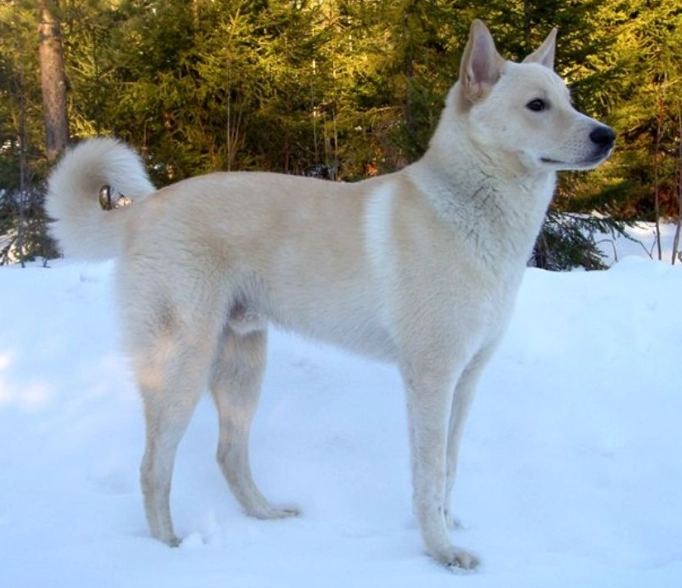
Your Canaan Dog Temperament Questions Answered
Completely normal, and one of the top frustrations for owners coming from biddable breeds. Their independent nature and high environmental drive kick into high gear outdoors. This is why a secure, fenced area is mandatory for off-leash play. For walks, use a long-line leash (15-30 feet) in safe areas to give them exploration freedom while maintaining control. Practice high-value recalls in low-distraction environments first, and never punish them for coming back, even if it took five minutes. Building a reliable recall is a years-long project with a Canaan.
The typical dog park is a Canaan's nightmare—chaotic, unpredictable, and full of socially inept dogs. Canaans often prefer the company of a few known, calm canine friends. Dog-on-dog aggression isn't breed-standard, but dog selectivity is very common. They communicate clearly and expect other dogs to respect their boundaries. A dog that invades their space rudely may be told off with a snap or growl, which can be misinterpreted as aggression. Structured playdates with known dogs are a far better bet than the free-for-all of a dog park.
The "one-person dog" label is an oversimplification. They typically have a primary attachment figure—the person who does most of the training, feeding, and structured activities. However, they form strong bonds with the entire immediate family unit. The key is that each relationship is individual. They may see one person as the leader for walks, another as the best couch-snuggling partner, and kids as part of their pack to observe and gently guard. Everyone in the household should participate in care and positive training to foster their own connection.
Reader Comments