You see the numbers: 19 to 24 inches tall, 35 to 55 pounds. That's the Canaan Dog size on paper. But what does that actually mean for your life? As someone who's spent years around this unique breed, I can tell you those figures only scratch the surface. Their size is a direct blueprint for their behavior, health needs, and whether they'll thrive in your home. It's not just about fitting on your couch—it's about matching an ancient, independent spirit with a modern lifestyle. Let's move past the basic stats and talk about what Canaan Dog dimensions really involve.
What You'll Learn in This Guide
The Official Size Breakdown: Height & Weight
The breed standard, set by organizations like the American Kennel Club (AKC) and the Fédération Cynologique Internationale (FCI), provides the framework. But within that framework, there's significant variation based on sex and lineage.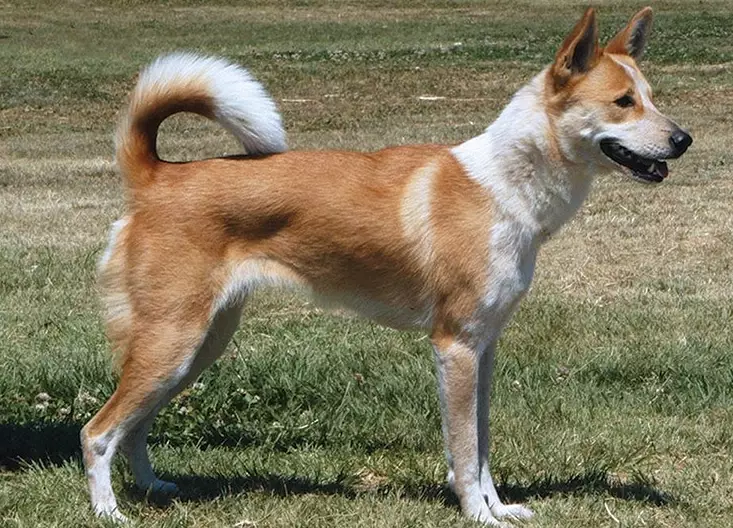
Canaan Dog Size & Weight Ranges
This table summarizes the key metrics. Notice the overlap, but also the clear average difference between males and females.
| Metric | Male Canaan Dog | Female Canaan Dog | Notes |
|---|---|---|---|
| Height at Withers | 20 to 24 inches (51-61 cm) | 19 to 23 inches (48-58 cm) | Measured from ground to top of shoulder blade. |
| Weight Range | 45 to 55 pounds (20-25 kg) | 35 to 45 pounds (16-20 kg) | Weight must be proportionate to height. |
| General Build | Square profile (length equals height). Lean, athletic, never bulky or coarse. | A "moderate" dog with surprising agility. | |
A common mistake is calling them a "small" dog. They are firmly in the medium-sized dog category. Think more along the lines of a compact Border Collie or a leaner Siberian Husky, not a large Corgi. Their square build means they aren't long-bodied, which is a plus for spinal health. The "never bulky" part of the standard is crucial. I've seen well-meaning owners overfeed, thinking a heavier dog is healthier. A fat Canaan loses its defining athletic silhouette and gains a host of problems.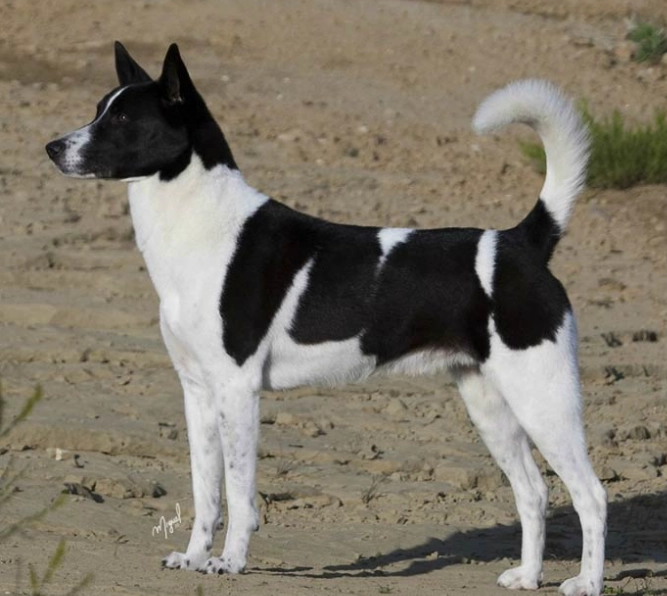
What "Moderate" and "Square" Really Mean
These aren't just fancy show terms. A moderate build means no extreme features. Their legs aren't stubby or gangly; their muzzle isn't extremely short or long. This balanced structure is a product of natural selection in the harsh Negev Desert—it's efficient for endurance and heat dissipation.
The square profile (body length from chest to buttocks roughly equal to height) gives them a stable, balanced center of gravity. This is why they're so nimble and can turn on a dime. It's not a dog built for raw pulling power, but for alert, quick movement.
How Size Directly Impacts Canaan Dog Health
The Canaan's size is a double-edged sword for health. Their medium build avoids the severe joint issues of giant breeds and the tracheal problems of some tiny breeds. But they have their own set of considerations.
The main concern is maintaining a lean weight. Even an extra 5 pounds on a 40-pound frame is a significant 12.5% increase. This puts undue stress on joints, particularly the hips and elbows. While hip dysplasia is less prevalent than in some breeds, it does occur. A lean Canaan is your first and best defense. You should always be able to easily feel their ribs under a thin layer of muscle, not see them.
Their deep chest, while part of their elegant look, also means they are susceptible to bloat (Gastric Dilatation-Volvulus). This is a life-threatening emergency where the stomach twists. It's more common in deep-chested breeds. Precautions include feeding two or three smaller meals a day instead of one large one, avoiding vigorous exercise right before and after eating, and using a slow-feed bowl if they gulp food.
Here's a subtle point most guides miss: their paw size. Canaan Dogs have compact, well-arched feet—"cat feet." This is great for traction on sand and rock. But it also means they have less natural shock absorption than a dog with larger, more padded feet. On hard surfaces like concrete or asphalt, this can translate to more impact on their joints over years. It's another reason to keep them lean and to prioritize walks on grass or dirt trails when possible.
Matching Canaan Dog Size to Your Lifestyle
This is where the rubber meets the road. Is a Canaan Dog right for your home?
Apartment Living with a Canaan Dog
Their physical size suggests maybe. A 45-pound dog can do okay in an apartment. But their energy level and mental needs scream caution. They are not couch potatoes. A bored Canaan in a small space will find its own entertainment, which usually means destructive chewing or relentless barking. Success depends entirely on your commitment to providing intense daily mental and physical exercise. A 30-minute walk won't cut it. They need running, hiking, or advanced training sessions to tire their brains. A securely fenced yard, even a small one, is a massive asset.
The Ideal Home Environment
The Canaan Dog thrives in a home where their size and intelligence are assets. They are phenomenal hiking and jogging partners for medium-distance adventures. Their alertness makes them excellent watchdogs—they will absolutely let you know about any unusual sight or sound. This also means they can be vocal, which is something to consider with neighbors.
Their independence, a trait honed over centuries, means they don't have the clingy "velcro" neediness of some breeds. They'll often choose to be in the same room with you, but on their own terms, maybe lying by the door or at a vantage point. Don't expect a 50-pound lap dog that craves constant cuddles. They show affection more through loyalty and watchfulness.
Care Tips Tailored to Their Build
Caring for a Canaan Dog means respecting the design principles of their size.
Feeding: High-quality food formulated for active, medium-sized breeds is key. Portion control is non-negotiable. Use a measuring cup, and adjust based on activity level and body condition score, not just the bag's guidelines. I recommend consulting the body condition charts from the World Small Animal Veterinary Association (WSAVA) as a reference.
Exercise: Think quality over just quantity. They excel at activities that engage their body and mind: agility (they're naturals), nose work, advanced obedience, or long hikes on varied terrain. A simple game of fetch in the yard is good, but pairing it with training commands turns it into a brain workout.
Grooming: Their double coat is medium in length. The size of the dog makes grooming manageable at home. Weekly brushing is usually sufficient to control shedding, though they "blow" their undercoat heavily twice a year. During those periods, daily brushing is a must. Their compact size means bath time is less of a logistical nightmare than with a giant breed.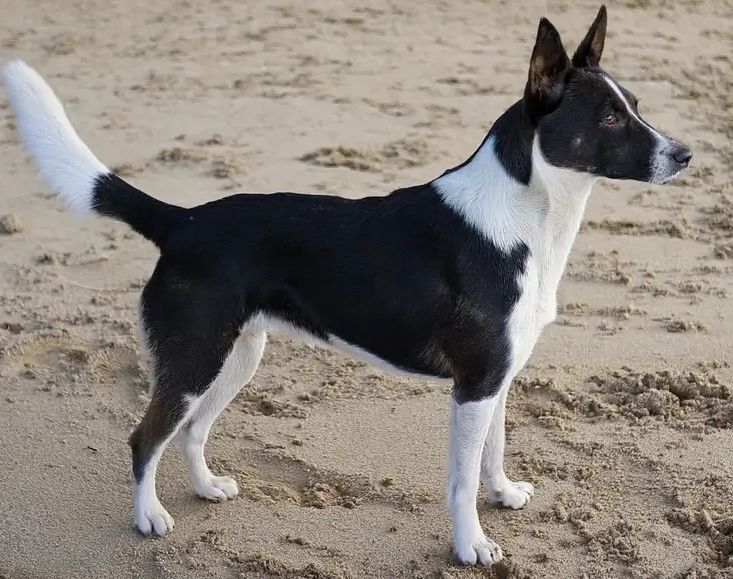
Your Top Canaan Dog Size Questions Answered
Understanding Canaan Dog size is about connecting the dots between a tape measure, a historical survival blueprint, and your daily routine. It's a medium package containing a vast, ancient spirit. Respecting their physical dimensions—keeping them lean, active, and mentally engaged—is the key to unlocking a healthy, balanced life with one of dogdom's most fascinating primitive breeds. Their size isn't a limitation; it's the perfect vessel for their unique character.
Reader Comments