If you've ever seen a Canaan Dog with a sharp, clean black and white coat, you know it's a striking look. It's not just a color pattern; it's a hallmark of one of the world's most ancient and resilient dog breeds. This isn't your average family pet. The Canaan Dog is a primitive breed, meaning its instincts are dialed up to eleven. That beautiful black and white coat is a functional part of a dog built for survival in the harsh Negev Desert. Owning one is a unique experience, rewarding but filled with challenges most dog owners never face. Let's get past the pretty pictures and talk about what living with a black and white Canaan Dog is really like.
What's Inside?
The Canaan Dog: An Ancient Breed with a Modern Coat
The Canaan Dog's story starts thousands of years ago in the Middle East. They weren't bred in kennels for looks; they evolved as pariah dogs, surviving on the fringes of human society. This history is key to understanding everything about them, including that iconic black and white pattern. According to the American Kennel Club (AKC), the breed standard allows for a solid color with or without white trim, or a white base color with patches. The black and white combination, especially a crisp, symmetrical pattern, is particularly eye-catching and highly sought after.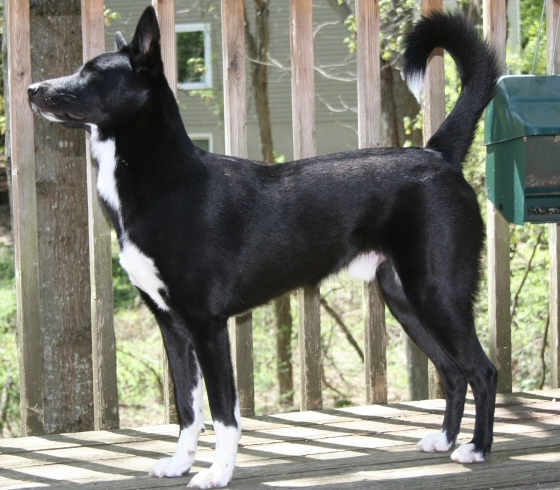
Their double coat is a masterpiece of natural engineering. A harsh, straight outer coat lies over a soft, dense undercoat. This combination provides insulation from both desert heat and cold nights. The black and white isn't just for show. In their native environment, the contrasting colors could have provided some camouflage among rocks and shadows. More practically, the coat is dirt-resistant and designed to shed seasonally in massive clumps—a fact every potential owner needs to be ready for.
The Genetics Behind the Black and White Canaan Dog
That perfect piebald or Irish spotted pattern (think of the classic border collie markings) isn't a guarantee. Canaan Dog coat color genetics are less predictable than in heavily line-bred modern breeds. Two solid black Canaan Dogs can produce puppies with white markings if they carry the recessive piebald gene. This means breeders aiming for that specific black and white look have to carefully study pedigrees, not just parent colors.
A common misconception is that a "more white" means a less purebred dog. That's not accurate according to the breed standard. The amount and placement of white are variable. You might see a dog that's mostly black with a white chest, feet, and tail tip, or one that's predominantly white with large black patches. The key is that the pigment (black) should be rich and solid, not faded or brindled, and the white should be clear.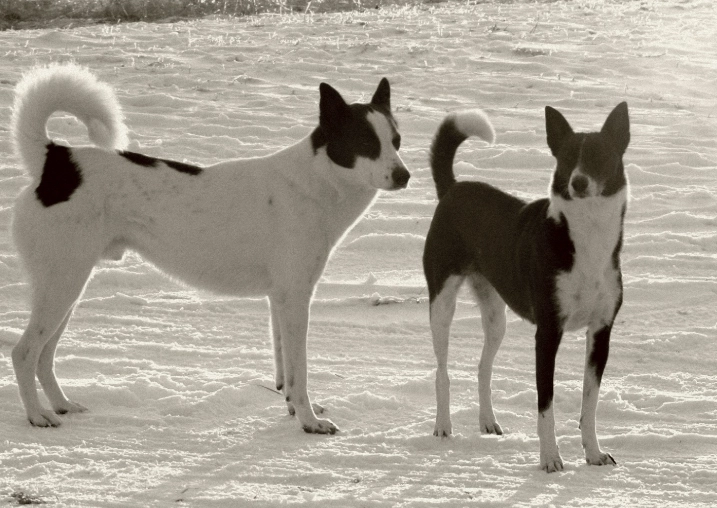
My take: After years around the breed, I've noticed the black on a high-quality coat has an almost bluish sheen in certain light, while the white has a bright, clean appearance. A dull, brownish-black or off-white coat can sometimes indicate poorer nutrition or underlying health issues, not just genetics.
Caring for a Black and White Canaan Dog Coat
Here's the good news: that gorgeous coat is relatively low-maintenance structurally. But "low-maintenance" doesn't mean no maintenance. It means the type of care is different. You won't be doing weekly haircuts, but you will be managing a prodigious shedder.
The primary tool is not a fancy clipper, but a high-quality undercoat rake and a sturdy slicker brush. During the biannual "blow" of the undercoat (usually in spring and fall), you'll need to brush near-daily to prevent mats and keep tufts of fur from taking over your house. Outside of shedding season, a weekly brush-through is sufficient to distribute skin oils and remove debris.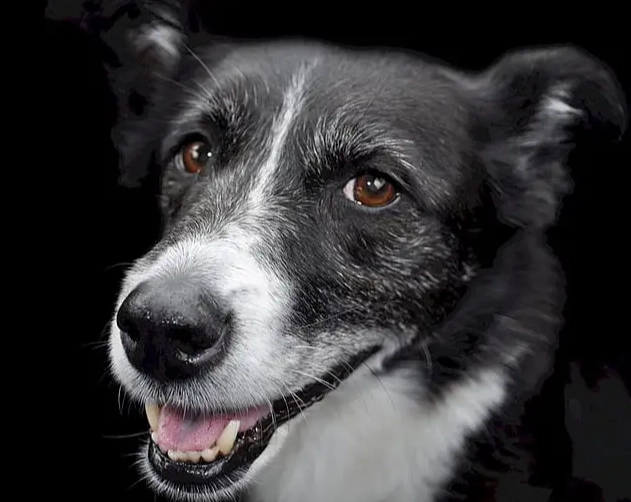
Essential Grooming Tools and Routine
Don't skimp on tools. A cheap brush will snap on their dense coat. Get a long-toothed undercoat rake (like the ones made for Huskies) to pull out the soft undercoat without hurting the topcoat. A firm slicker brush follows to catch any remaining loose hair and smooth everything down.
Bathing should be infrequent—only every 2-3 months or when truly dirty. Over-bathing strips the essential oils that make their coat weather-resistant. Use a gentle, moisturizing dog shampoo. A pro tip for keeping the white parts bright: use a blue or purple-tinted shampoo formulated for white coats on only the white areas during the bath to counteract any yellowing. Rinse thoroughly.
Pay special attention to the ears, nails, and teeth. Their erect ears are less prone to infection than floppy ears but still need a weekly check and gentle wipe. Dental care is non-negotiable for long-term health.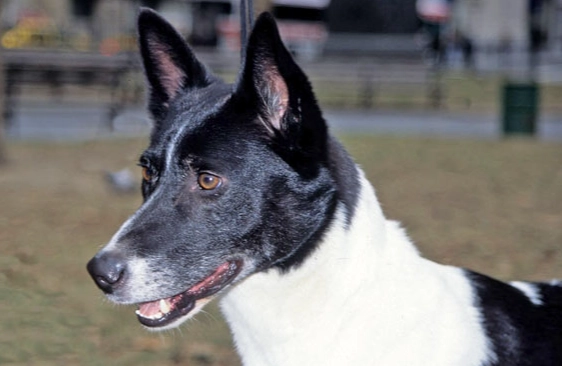
Living with a Canaan Dog: Beyond the Coat
This is where the real work begins. Your Canaan Dog's personality is defined by centuries of survival. They are intensely loyal to their family but reserved and aloof with strangers. They are not golden retrievers. They won't greet every guest with a wagging tail; more likely, they'll position themselves between you and the newcomer, watching intently.
Training a Canaan Dog requires a paradigm shift. They are problem-solvers, not eager-to-please robots. Traditional repetitive training bores them and they'll simply disengage. The key is to make training a game of intelligence. Use puzzle toys, hide-and-seek for treats, and short, varied sessions. They respond best to positive reinforcement that respects their independence. Harsh corrections will destroy trust and make them shut down or become defensive.
Their prey drive is high. A squirrel, cat, or even a small dog running can trigger a deep-seated chase instinct. A securely fenced yard (6 feet tall, with dig-proof barriers) is mandatory. They are renowned escape artists. Recall training is critical but must be built on an incredibly strong bond and high-value rewards. Never trust a Canaan Dog off-leash in an unsecured area.
On the health front, they are generally robust, a benefit of their natural development. However, responsible breeders screen for certain conditions.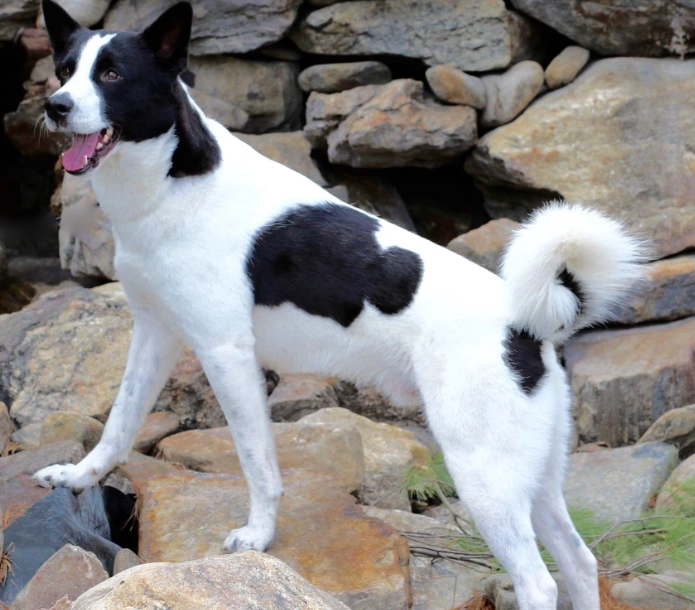
| Health Concern | Description | Recommended Screening |
|---|---|---|
| Hip Dysplasia | Malformation of the hip joint. | OFA or PennHIP X-rays |
| Elbow Dysplasia | Similar issue in the elbow joints. | OFA X-rays |
| Progressive Retinal Atrophy (PRA) | Degenerative eye disease leading to blindness. | Annual CERF or OFA eye exams |
| Hypothyroidism | Underactive thyroid gland, affecting metabolism. | Thyroid panel blood test |
Their exercise needs are moderate but mental. A long walk is good, but a walk where they get to sniff and explore is better. They excel at dog sports like agility, nosework, and rally, which engage their minds and bodies.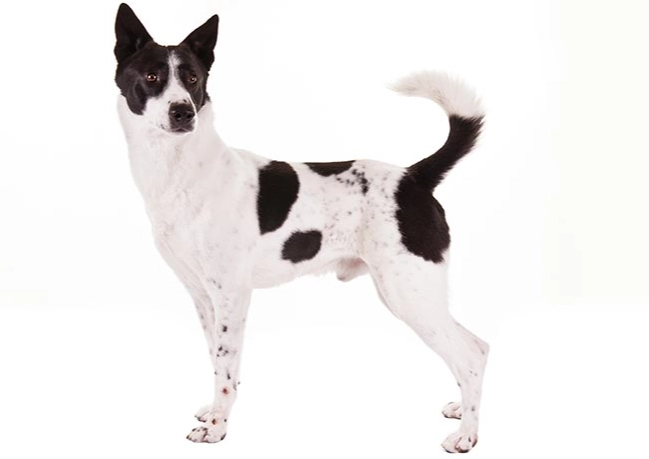
Reader Comments