You see them everywhere online – the fluffy butts, the smiling faces, the iconic silhouette. But nearly every single one of those viral corgi memes and Instagram accounts features a Pembroke Welsh Corgi. Ask someone about the Cardigan Welsh Corgi, the older, rarer cousin, and you’ll often get a blank stare. It’s not your imagination. Cardigans are genuinely rare. Finding one isn't like picking a Labrador from a local shelter; it's a quest that requires patience, research, and a significant investment. The reasons are a tangled mix of history, biology, and modern-day economics.
Let's cut to the chase. Cardigans are rare because a series of historical events nearly wiped them out, their dedicated breeding community is small and cautious, litter sizes are tiny, and the spotlight has been stolen by their tailless relatives for decades. Owning one is a different ballgame altogether.
What’s Inside This Guide
The Historical Roots: How Cardigans Almost Vanished
To understand the scarcity, you have to go back. Way back. The Cardigan is one of the oldest herding breeds in the British Isles, with roots tracing over 3,000 years to Celtic tribes. They were all-purpose farm dogs in the rugged county of Cardiganshire, Wales.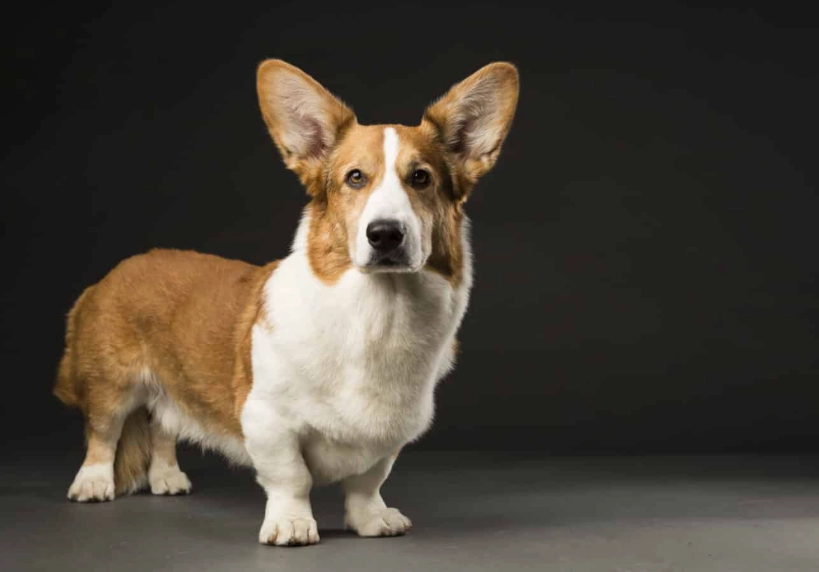
Their decline started with the Enclosure Acts in the UK. When common grazing lands were fenced off, the need for versatile cattle-driving dogs plummeted. Many Cardigans were simply let go or crossbred. By the early 20th century, their numbers were critically low.
Here’s a key moment most summaries miss: World War II. This was a near-extinction event for many British dog breeds, and Cardigans were hit brutally. Food rationing meant people couldn't keep pets. Breeding programs collapsed. According to historical accounts from the Cardigan Welsh Corgi Club of America, the breed was saved by a literal handful of dedicated fanciers who pooled their remaining dogs. The genetic bottleneck from that period still echoes today.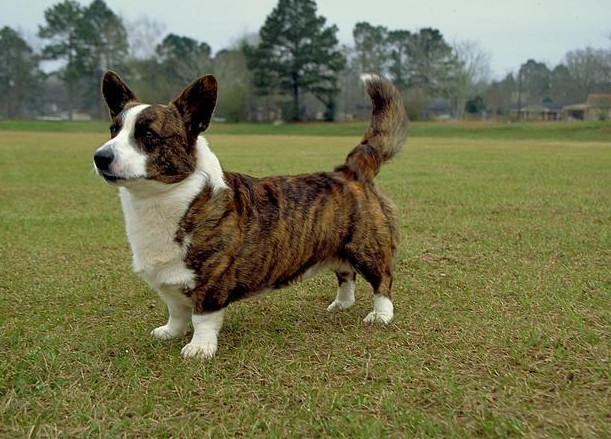
Then came the final blow: popularity.
In 1934, the Pembroke and Cardigan were recognized as separate breeds by the UK Kennel Club. But the Pembroke, championed by the Royal Family (especially Queen Elizabeth II), soared to global fame. The Cardigan, with its different build, longer tail, and less "fairy tale" look, was left in the shadows. The public forgot one of the two corgis even existed.
A Quick Side-by-Side: It’s not just the tail. Cardigans are larger-boned, have rounded ears, and come in more color patterns (including merle, which Pembrokes don’t have). This isn't a minor variation; they are as different as a German Shepherd and a Belgian Malinois.
The Modern Breeding Bottleneck
Today, the numbers tell the story. The American Kennel Club (AKC) registration statistics are a reliable barometer. In a typical year, the Pembroke Welsh Corgi ranks in the top 15 most popular breeds, with tens of thousands of registrations.
The Cardigan? It consistently ranks between 65th and 75th. We're talking about a few hundred to a thousand registrations annually across the entire United States. This scarcity isn't an accident; it's engineered by the very structure of the Cardigan community.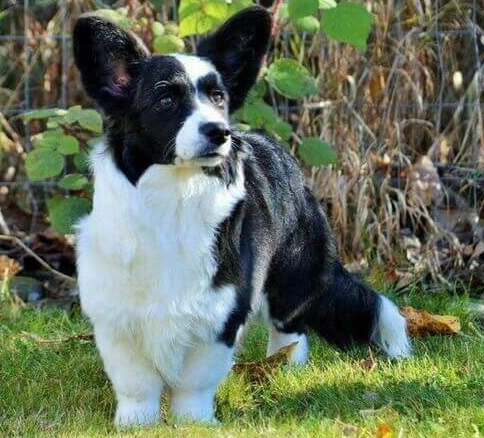
A Small, Passionate, and Cautious Community
Cardigan breeders aren't mass producers. They are often hobbyists or small-scale preservationists. The network is tight-knit. They know each other, they track bloodlines meticulously, and they are fiercely protective of the breed's health and temperament. Getting a puppy from a reputable breeder often feels like applying for an exclusive club. They will interview you as much as you interview them.
The Tiny Litter Problem
This is a huge, practical factor everyone overlooks. Cardigans have notoriously small litters. The average is around 4 to 6 puppies. Compare that to breeds like Labrador Retrievers, where 8-10 is common. When a breeder plans one or two litters a year, they might only produce 8-10 puppies total. A waiting list can easily absorb that for years.
I remember talking to a breeder in Oregon who had a litter of three. Three. All were spoken for before they were born by people who had waited over two years.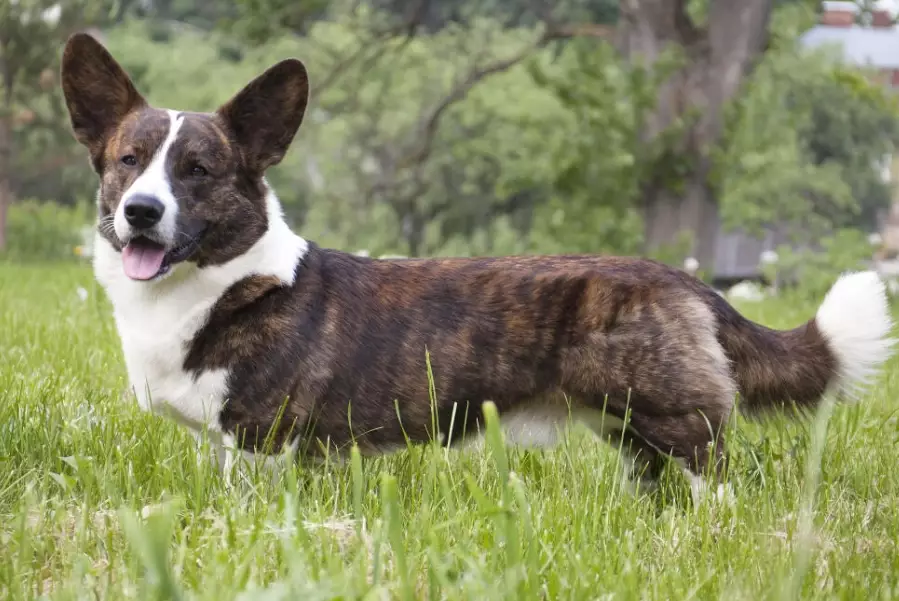
Health, Genetics, and the Burden of Responsible Breeding
Reputable Cardigan breeders take their job deadly seriously, partly because the breed has some known genetic concerns. This slows everything down.
Progressive Retinal Atrophy (PRA) and Degenerative Myelopathy (DM) are two major screening priorities. Before breeding, responsible breeders will have their dogs' eyes certified annually by a veterinary ophthalmologist and do genetic testing for DM and other conditions. This costs money and time.
Then there's the merle gene. It's beautiful but comes with responsibility. Breeding two merle Cardigans together results in a high probability of deaf, blind, or otherwise disabled "double merle" puppies. Ethical breeders avoid this at all costs, which further limits breeding pair combinations.
The goal isn't to pump out puppies. It's to produce maybe one or two potential show or breeding prospects in a litter that can carry on healthy lines, with the rest going to pet homes. This preservation mindset is the antithesis of high-volume production.
Market Dynamics: Demand, Price, and Perception
Low supply meets... relatively low demand. The general public wants "a corgi." They see the Queen's dog. They don't know to ask for a Cardigan. This creates a weird market.
Because they are rare and expensive to breed responsibly, Cardigan puppies from ethical breeders have a high price tag. You're looking at $1,800 to $3,500+, depending on lineage, location, and breeder. For that price, most casual dog seekers will buy a popular breed they can find easily.
This table breaks down the key differences that feed into their rarity:
| Factor | Pembroke Welsh Corgi | Cardigan Welsh Corgi | Impact on Rarity |
|---|---|---|---|
| Public Awareness | Extremely High (Royal association, social media) | Low to Moderate | Low demand for Cardigans despite high "corgi" interest. |
| Annual AKC Registrations | ~20,000-25,000 (Top 15 breed) | ~600-1,000 (Rank ~70th) | Direct measure of vastly different population sizes. |
| Typical Litter Size | 6-8 puppies | 4-6 puppies | Fewer Cardigan puppies born per litter. |
| Breeder Community | Large, includes some high-volume breeders | Small, tight-knit, preservation-focused | Limited source of ethically bred puppies. |
| Average Price (Reputable Breeder) | $1,500 - $2,800 | $1,800 - $3,500+ | Higher cost can deter casual buyers, reinforcing niche status. |
The Reality of Cardigan Ownership: It’s Not Just a Different Look
Thinking of seeking one out? Their rarity translates into a specific ownership experience. They are not just "Pembrokes with tails."
Cardigans are often described as more reserved, thoughtful, and even-keeled than the typically exuberant Pembroke. They can be wary of strangers, a trait from their guarding heritage. They are incredibly smart and need a job or consistent mental stimulation, or they’ll invent their own (usually destructive) games.
The financial reality is also heavier. That high purchase price is just the start. You’re committing to a dog from a limited gene pool, so investing in good health insurance is wise. Their long, low backs require you to be vigilant about weight management and jumping on/off furniture to prevent spinal issues.
You’re not just getting a pet; you’re becoming a steward of a rare breed. People will stop and ask you, "What kind of dog is that?" You'll become an ambassador, explaining the difference between the two corgis for the thousandth time.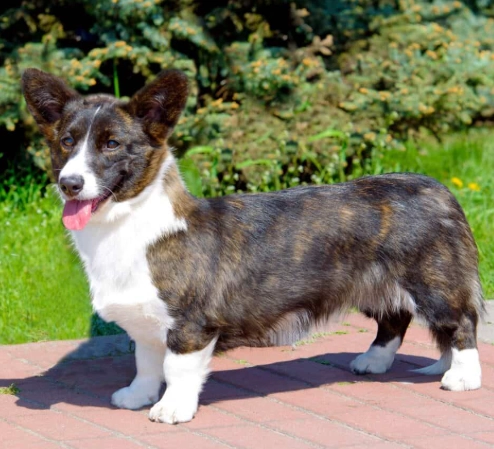
How to Actually Find a Cardigan Welsh Corgi
If you're still determined, here’s the playbook. Forget pet stores and sketchy online listings. Those are almost certainly scams or puppy mills producing unhealthy dogs.
- Start with the Parent Club: The Cardigan Welsh Corgi Club of America (CWCCA) website is your bible. Their breeder referral list is the gold standard. These breeders adhere to a strict code of ethics.
- Prepare for Scrutiny: Expect a detailed application. Be ready to answer why you want a Cardigan specifically, about your home, your experience, and your plans for training and exercise.
- Get on a Waitlist: You will likely wait 6 months to 2 years. Use this time to research, meet Cardigans at dog shows, and prepare your home.
- Consider Rescue: It’s rare, but it happens. Connect with the Cardigan Welsh Corgi National Rescue Trust. Adopting an adult can be a wonderful way to own the breed.
I made the mistake of contacting a few breeders with a generic "I want a corgi puppy" email early on. I got polite but firm replies directing me to their website to fill out an application first. They weren’t being rude; they were filtering for serious, informed interest.
Your Cardigan Corgi Questions, Answered
Is a Cardigan Corgi a good choice for a first-time dog owner?
They can be, but with major caveats. Their intelligence and potential stubbornness require an owner committed to positive, consistent training. Their herding instincts might mean nipping at heels, which a novice owner needs to know how to redirect. If you're a dedicated first-timer who does your homework, joins training classes, and provides structure, it's possible. But an easier-going breed might be a less frustrating introduction to dog ownership.
How can I tell if a Cardigan breeder is reputable or a puppy mill?
Red flags are easy to spot if you know them. A reputable breeder will: 1) Ask you more questions than you ask them. 2) Show you health testing certifications (OFA/PennHIP for hips, eye certifications, genetic test results). 3) Have you visit their home to meet the mother dog. 4) Never have multiple litters available at once. 5) Be involved in showing, herding, or dog sports with their dogs. If a website has puppies "ready to ship now" or accepts payment via wire transfer only, run.
Are Cardigans healthier than Pembrokes because they are rarer?
Not necessarily. Rarity doesn't equal health. In fact, a small gene pool can concentrate harmful recessive genes if not managed carefully. The key is responsible breeding practices, not rarity itself. A well-bred Cardigan from health-tested lines and a well-bred Pembroke from similar lines can both be very healthy. The problem with popular breeds is the proliferation of irresponsible breeders chasing demand, not the breed itself. Cardigans largely avoid that due to their niche status.
What's the typical lifespan of a Cardigan Welsh Corgi?
You can expect a well-cared-for Cardigan to live between 12 and 15 years. Their longevity is one of their great traits. This long commitment is another reason breeders are so selective—they want their puppies in homes for life.
I see "Cardigan Corgi" puppies for sale online for $800. Is this a good deal?
Absolutely not. This is the biggest warning sign. A price significantly below the market rate ($1,800+) means the breeder is cutting corners. They are almost certainly not doing the expensive health testing, not socializing the puppies properly, and likely breeding dogs with poor genetics or in poor conditions. That "savings" will be spent many times over on veterinary bills and behavioral remediation, if the dog is even a purebred Cardigan. It's a scam or a mill.
Reader Comments