If you've landed here searching for where the Anatolian Shepherd ranks on some canine IQ list, I've got news for you. You're asking the wrong question. I've worked with livestock guardian breeds for over a decade, and the moment you try to measure an Anatolian's mind with the same stick you'd use for a Border Collie, you've already misunderstood them completely. Their intelligence isn't about fetching the most toys or learning the fanciest tricks. It's a deep, silent, and fiercely independent working intelligence forged over millennia on the Anatolian plateau. Let's cut through the noise of misleading rankings and talk about what really makes this dog smart.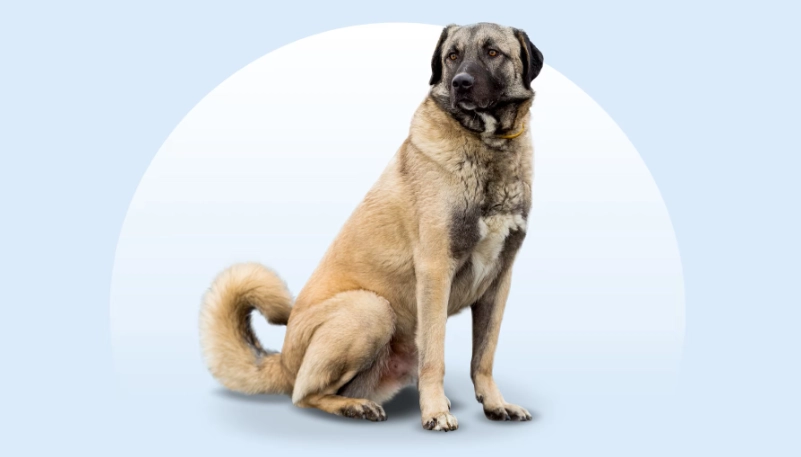
Quick Navigation: What You'll Discover
The Big Misconception About Dog Intelligence Rankings
Most popular intelligence rankings, like Stanley Coren's often-cited work, heavily favor obedient intelligence or adaptive intelligence. They reward dogs that quickly obey new commands, solve puzzles for a treat, or mimic human actions. A Border Collie aces these tests. An Anatolian Shepherd fails them, not because it's dumb, but because it sees no point.
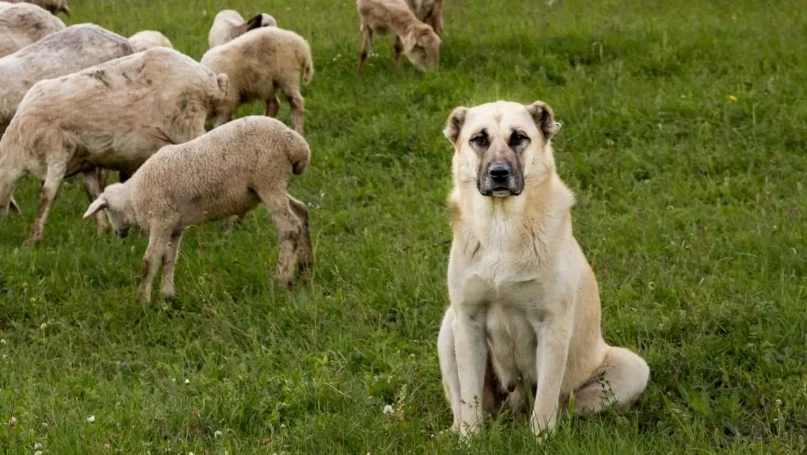
Think about it. For centuries, this dog's job was to guard flocks alone on vast, empty landscapes. No human around for miles to give commands. Its "test" was a wolf lurking in the shadows at 3 AM. Success wasn't sitting pretty or solving a puzzle box; it was making a split-second, independent judgment: assess the threat, decide to confront or deter, and protect the flock without being drawn into a fatal chase. That requires a different kind of smart.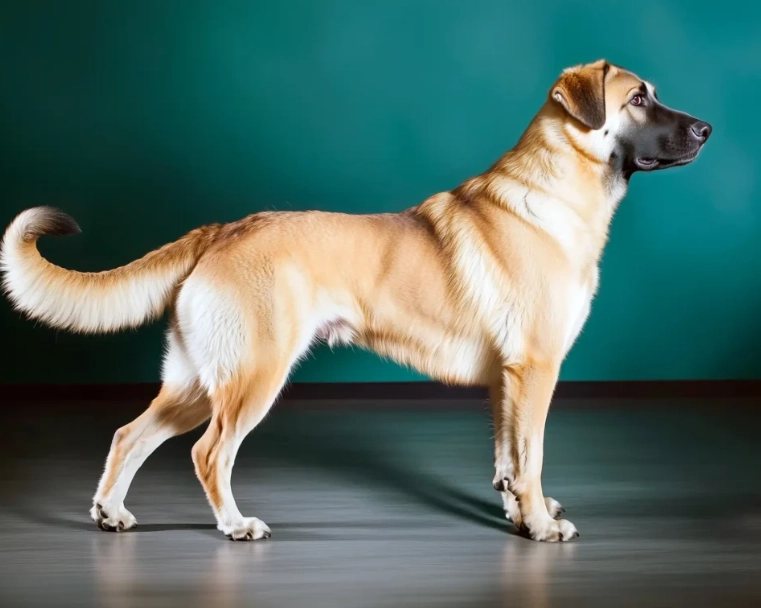
Key Insight: Labeling Anatolian Shepherds as "low intelligence" based on obedience trials is like calling a brilliant astrophysicist "bad at math" because they can't do quick long division in their head. The scale is wrong.
How to Measure a Working Dog's Real Intelligence
Forget the silly party tricks. To gauge an Anatolian's true cognitive abilities, look for these signs of working dog intelligence:
Independent Problem-Solving: Can they figure out how to open a gate latch you thought was secure? (Mine did, repeatedly). It's frustrating, but it showcases a mind that analyzes mechanisms and seeks solutions without your input.
Situational Assessment & Judgment: Do they differentiate between the mail carrier (a routine, non-threat) and a stranger lingering oddly at the property line at night? A good Anatolian does. They don't bark at everything; they bark with purpose, based on a constant, silent assessment of their environment.
Resource Management & Patience: Guarding is 95% vigilance and 5% action. The intelligence lies in the sustained, patient watchfulness, conserving energy for the critical moment. They can lie still for hours, perfectly aware of every moving leaf.
Loyalty and Protective Decision-Making: Their decision to place themselves between a threat and their family (or flock) isn't blind aggression. It's a calculated risk assessment rooted in deep loyalty. They understand their role as a protector.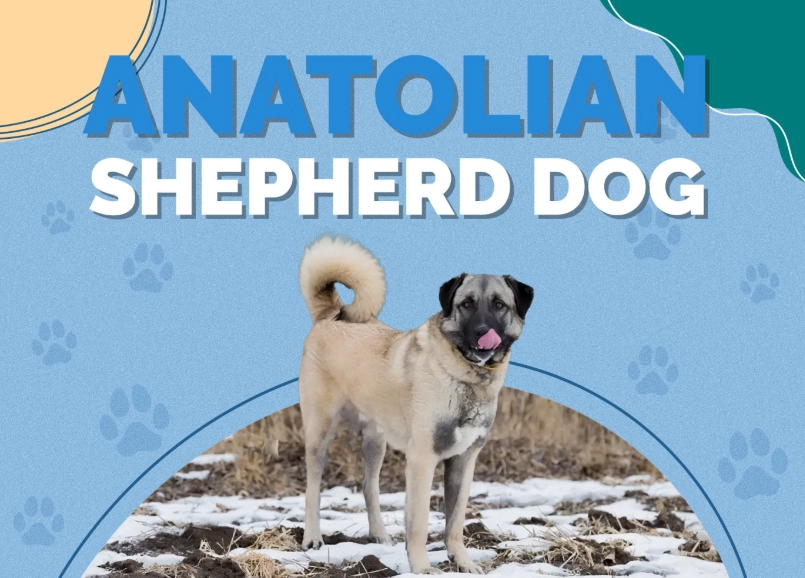
Where Would They Rank on a "Practical Intelligence" List?
If we made a chart based on the traits that actually matter for their historical purpose, it would look nothing like the standard lists.
| Intelligence Trait | Anatolian Shepherd Proficiency | Why It Matters |
|---|---|---|
| Independent Judgment | Exceptional | Must make life-or-death decisions without human guidance. |
| Environmental Awareness | Exceptional | Constant 360-degree monitoring of territory is the core job. |
| Problem-Solving (Practical) | High | Overcoming barriers to access threats or protected subjects. |
| Obedience to Novel Commands | Moderate to Low | Was never a job requirement; they were bred for autonomy. |
| Trick Learning Speed | Low | Seen as irrelevant to their core purpose. |
See the disconnect? Judging them on the last two rows is pointless.
Training the Anatolian Shepherd Mind (The Right Way)
This is where most new owners fail, calling the dog "stubborn" or "dumb." You can't force an Anatolian. You must convince them. Their intelligence demands respect and a collaborative approach.
Forget Compulsion, Embrace Motivation: Yanking on a leash or using harsh corrections will make them shut down. They'll deem you unreasonable and ignore you. Instead, find what motivates them. For some, it's a high-value food reward (cheese, liver). For others, it's praise or access to something they want, like getting to go patrol the yard.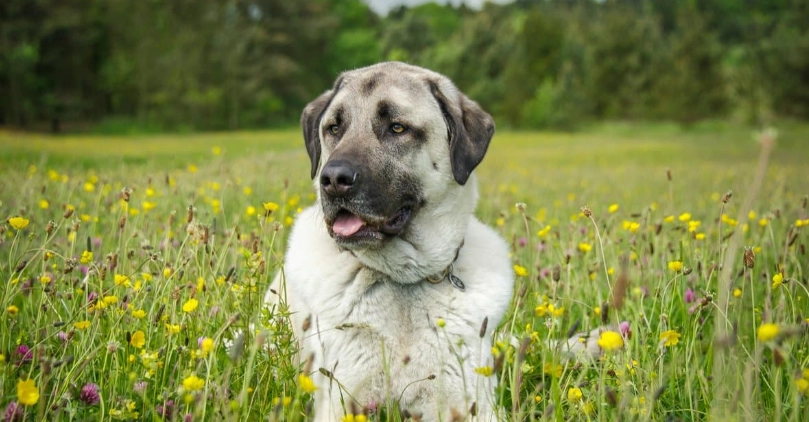
Start Early and Socialize Wisely: Socialization isn't about making them love everyone. It's about teaching them, during puppyhood, what is normal and non-threatening. Controlled exposure to different people, sights, and sounds helps their intelligent minds build an accurate database of "safe" stimuli, so they can better identify what's truly "unsafe." The American Kennel Club (AKC) has excellent resources on puppy socialization that are vital for a guardian breed.
Channel Their Intelligence into Jobs: Give them legitimate work. "Patrol" the yard with you on leash. Teach a solid "place" command on a mat where they can observe the room. Hide treats for them to find with their nose. These activities engage their assessment and problem-solving skills in a way you control.
The biggest mistake I see? People trying to train the independence out of them. You'll lose. Work with that independent mind. Frame commands as partnerships. "Let's walk together" works better than "Heel!"
Living with a Supremely Smart Guardian
Their intelligence directly shapes your daily life. It's not just about training sessions.
Space is Non-Negotiable: An intelligent mind bred for patrolling thousands of acres will go stir-crazy in an apartment. It's not just physical exercise they need, but mental territory to surveil and manage. A securely fenced yard (6-foot minimum, they can climb) is almost mandatory. Without it, their intelligence turns inward, leading to anxiety, digging, and excessive barking.
They Make Rules: Your Anatolian will decide house rules. They might decide no one runs inside (herding instinct). They might position themselves at the top of the stairs to oversee both floors. You can manage this, but you'll rarely eliminate it. It's their intelligent management of the space.
Barking is a Report: That deep, alert bark is them telling you, "I've assessed a potential anomaly at sector three." Yelling at them to be quiet is like yelling at a security monitor for beeping. Instead, acknowledge. "Thank you, I see it." Then, if it's a normal thing (like a neighbor getting home), ask for a quiet "settle." This respects their intelligence and teaches them when to stand down.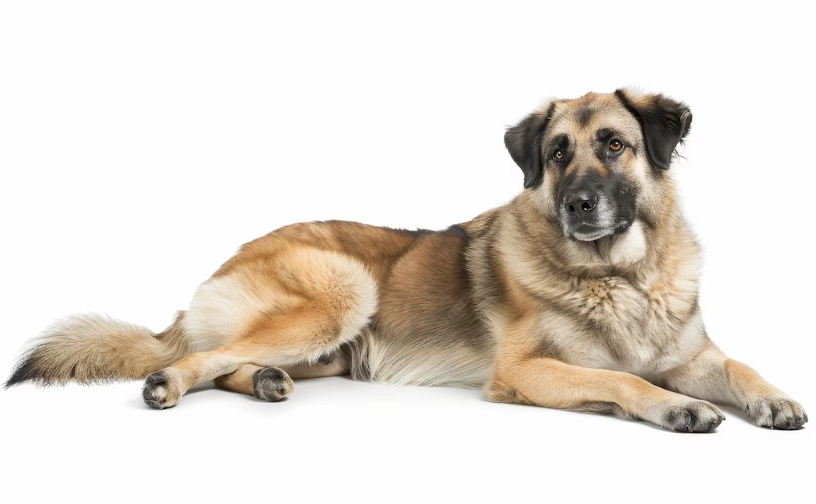
Health & Longevity: Keeping a Smart Dog Sharp
A healthy dog is a mentally engaged dog. Anatolians are generally robust, but their size brings specific concerns. A dull, aching joint or poor vision can dampen that brilliant, watchful mind.
Hip and Elbow Dysplasia: This is the big one for large breeds. It's a genetic developmental condition. Always ask breeders for proof of health screenings from the Orthopedic Foundation for Animals (OFA) or PennHIP. A good breeder will openly share these results.
Entropion: A eyelid condition that can cause irritation and impair vision. Crucial for a dog that relies on visual assessment.
Bloat (GDV): A life-threatening stomach torsion. Feed multiple smaller meals, avoid vigorous exercise around meals, and know the symptoms.
Investing in good nutrition, maintaining a healthy weight to spare their joints, and regular vet check-ups are how you preserve the physical vessel of that remarkable guardian intelligence for its full 11-13 year lifespan.
Your Top Questions, Honestly Answered
 Can an Anatolian Shepherd be a good family dog in a suburban home?
Reader Comments