Quick Navigation
- Official Breed Standards and Weight Ranges
- The Puppy Growth Journey: Month by Month in kg
- How to Accurately Assess Your Dog's Weight and Condition
- Managing and Maintaining a Healthy Weight
- Health Issues Linked to Incorrect Weight
- Your Miniature Bull Terrier Weight kg Questions Answered
- Final Thoughts: It's a Marathon, Not a Sprint
Let's talk about Miniature Bull Terrier weight in kg. It's one of those things every owner thinks about, but reliable information can be surprisingly hard to pin down. You'll see numbers thrown around on forums, but how do you know what's right for your dog? I remember when I first brought my Mini Bull Terrier home, I was constantly worried—was he too skinny? Was he growing too fast? The vet charts only told part of the story.
This isn't just about hitting a number on a scale. A healthy Miniature Bull Terrier weight in kg is a cornerstone of their overall wellbeing. Get it wrong, and you're looking at potential joint problems, breathing issues, or a dog that just doesn't have the energy for their famously clownish personality. We're going to break it all down, from that wiggly puppy phase right through to their sturdy adult years.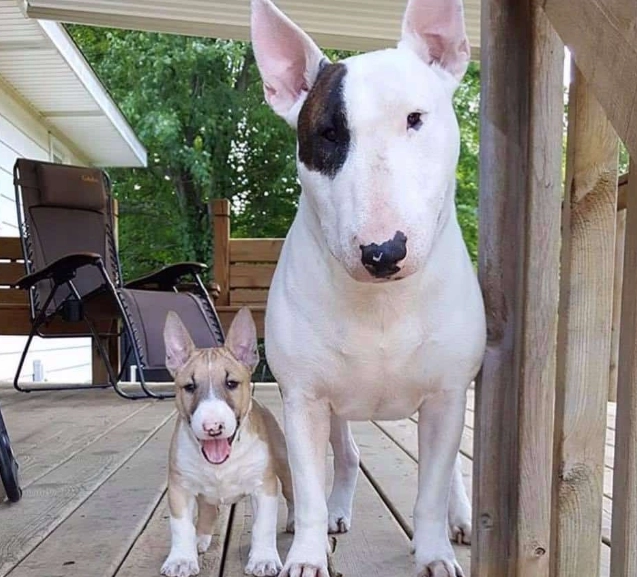
Official Breed Standards and Weight Ranges
Breed clubs give us a framework, but they're not the final word for every pet. The primary standard, like the one from the The Kennel Club (UK), focuses more on height and proportion than a strict weight. They state there's no specified weight, but the dog must appear balanced and powerful for its size. The American Kennel Club (AKC) echoes this, emphasizing that the dog should be square and substantial.
This is where owners get confused. "Substantial" doesn't mean fat. It means solid, dense, and well-muscled. You can have a 14 kg dog that's lean and ripped, and a 12 kg dog that's soft and overweight. The scale is just one tool.
Here’s a more practical breakdown of what you might expect, based on common observations from vets and breeders:
| Category | Typical Weight Range (kg) | Typical Weight Range (lbs) | Key Characteristics |
|---|---|---|---|
| Small-Framed Female | 9 - 12 kg | 20 - 26 lbs | Often finer-boned, but should still feel solid. |
| Average Female / Small Male | 11 - 14 kg | 24 - 31 lbs | The most common range for well-proportioned pets. |
| Larger-Framed Male | 13 - 16 kg | 29 - 35 lbs | Broad chest, muscular build. Can appear heavier than they are. |
Notice I didn't label anything as "ideal." That's because the ideal Miniature Bull Terrier weight in kg is the one where your dog is fit, not fat. You should be able to easily feel (but not see) their ribs with a light touch, and they should have a visible waist when viewed from above.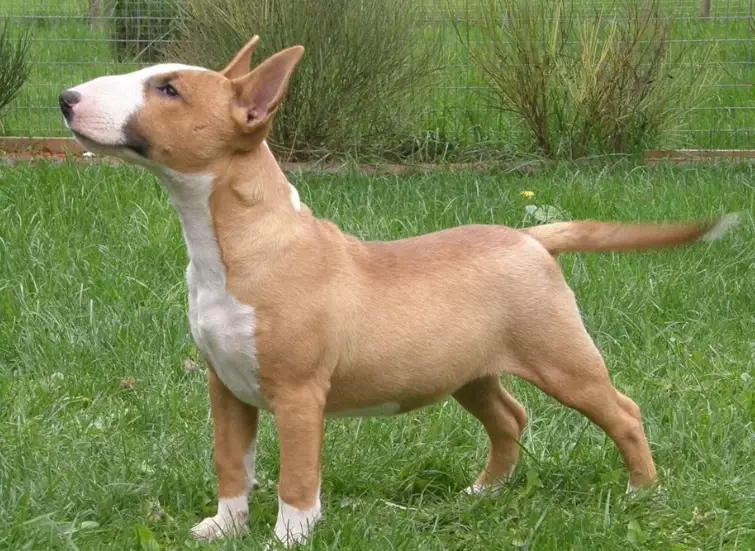
The Puppy Growth Journey: Month by Month in kg
Puppy growth isn't linear. They have spurts. They have pauses. It's easy to panic if you're just looking at a weekly Miniature Bull Terrier weight kg chart.
My own dog seemed to grow legs overnight. One week he was a potato, the next he was all awkward angles. Here's a rough guide, but please, use it as a guide, not a gospel. Your puppy's vet is the best person to assess their growth curve.
Early Months (2 - 6 Months)
This is the fastest growth phase. They're packing on muscle and bone. You might see weight gains of 0.5 kg to 1 kg per week early on, slowing as they approach 6 months. By 6 months, many Mini Bulls are already at about 60-70% of their expected adult Miniature Bull Terrier weight in kg. They'll look a bit lanky and uncoordinated—totally normal.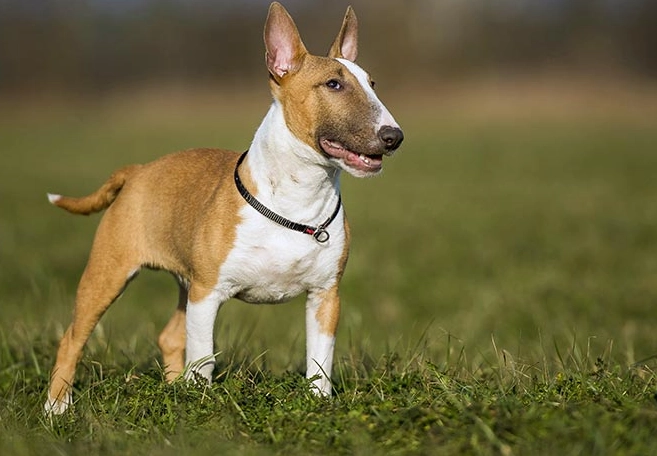
Adolescent Fill-Out (6 - 12 Months)
Growth in height slows down, but they start to fill out. This is where the chest deepens and muscle develops. The weight gain is less about skeleton and more about substance. This is a critical time to monitor diet closely. It's tempting to keep feeding for growth, but you can easily start the path to obesity here. Switch from puppy to adult food on your vet's advice, usually between 9-12 months.
Young Adult (12 - 18 Months)
Most Miniature Bull Terriers reach their full adult height by 12-14 months, but may continue to subtly fill out and gain muscle until 18 months or even 2 years. The weight should stabilize. This is when you establish their maintenance calorie needs.
How to Accurately Assess Your Dog's Weight and Condition
Forget just trusting the scale. You need a multi-sense check. I call it the "Look, Feel, and Profile" method.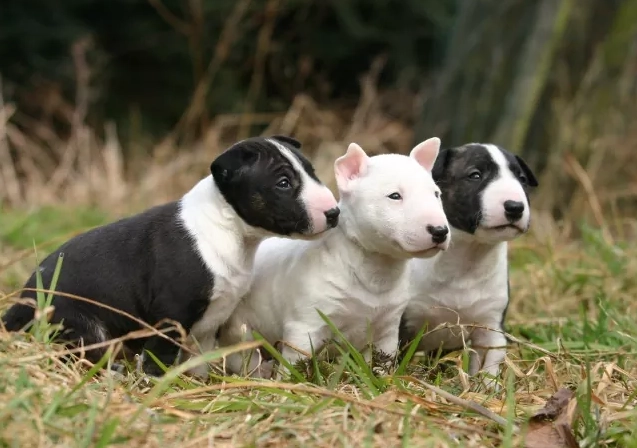
- The Look Test (From Above & Side): Stand over your dog. You should see a clear waist behind the ribs—an hourglass shape. From the side, the abdomen should tuck up from the bottom of the ribcage toward the hind legs. No sagging belly.
- The Feel Test (The Rib Check): This is the gold standard. Run your hands over their sides. You should be able to feel individual ribs with a slight covering of fat, like the back of your hand. If you have to press to feel ribs, there's too much fat. If the ribs are sharply visible, they're too thin.
- The Profile Test (Visual Lines): A fit Mini Bull Terrier has a defined chest and a neck that's distinct from the shoulders. No rolls of fat at the base of the tail or over the withers.
Do this every couple of weeks. Keep a simple log: date, weight in kg, and a note like "ribs easy to feel" or "waist less visible." It helps spot trends.
Managing and Maintaining a Healthy Weight
Miniature Bull Terriers are food-motivated. They're prone to obesity because they'll eat what you give them and then beg for more with those irresistible egg-shaped heads. Managing their Miniature Bull Terrier weight in kg is 80% diet, 20% exercise.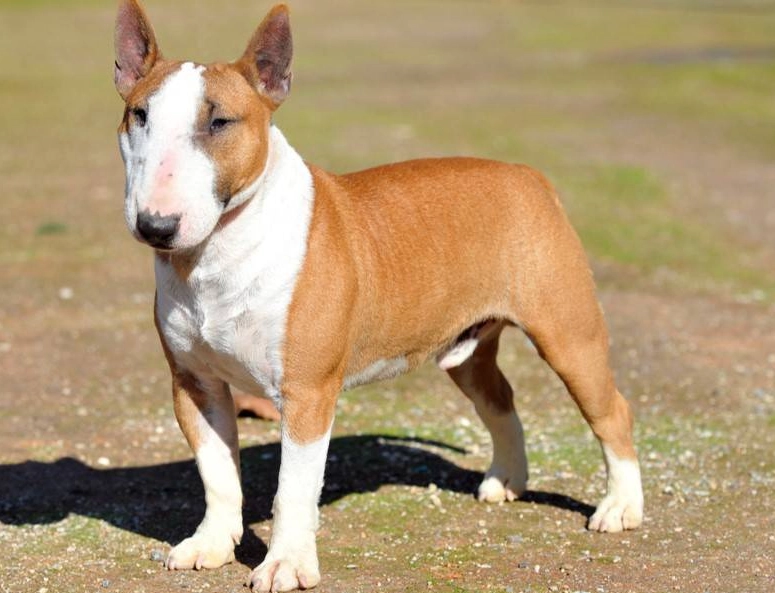
Diet: It's Not Just About Quantity
Measure their food. Every time. Use a proper measuring cup, not a coffee mug. Follow the guidelines on the food bag as a starting point, but adjust based on your dog's activity level and the body condition score we just talked about.
Treats are the silent saboteur. That little training treat, the crust of your toast, the leftover scrap—it all adds up. A good rule is treats should make up no more than 10% of their daily calories. Consider using part of their daily kibble allowance as training treats.
Choose a high-quality food appropriate for their life stage. For adults, a food with a good protein-to-fat ratio is key. Resources from the World Small Animal Veterinary Association (WSAVA) offer great guidelines on selecting pet food.
Exercise: Building Muscle, Not Just Burning Calories
Exercise for a Mini Bull Terrier isn't just about burning off the food. It's about building and maintaining lean muscle mass, which is metabolically active and helps keep weight off naturally.
- Daily Walks: Two good walks a day, with opportunities to sniff (mental exercise tires them out too).
- Play Sessions: Tug-of-war, fetch with a ball, flirt pole work. These build explosive power and muscle.
- Mental Work: Puzzle feeders, training sessions, nosework. A mentally tired dog is less likely to pester for food out of boredom.
Be careful with intense exercise, especially in hot weather. Their short noses can make them overheat.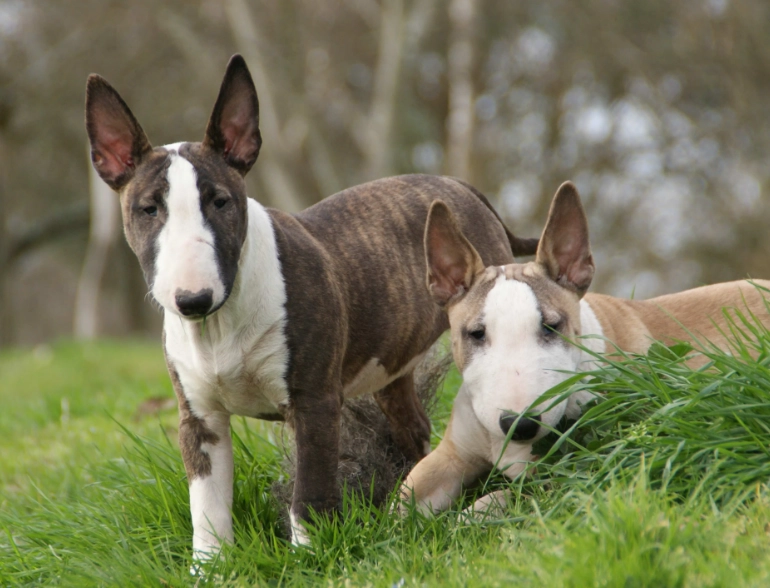
Health Issues Linked to Incorrect Weight
This is the serious part. Letting your Miniature Bull Terrier's weight creep up isn't just an aesthetic issue.
From Excess Weight (Over the ideal Miniature Bull Terrier weight kg range):
- Joint Stress & Arthritis: Extra pounds put constant pressure on hips, knees, and spine. This breed can be prone to patellar luxation, and obesity makes it much worse.
- Cardiovascular and Respiratory Strain: The heart and lungs have to work harder. Combined with their already compact airway, obesity can significantly worsen breathing.
- Diabetes Risk: Overweight dogs are at a higher risk of developing diabetes mellitus.
- Reduced Lifespan and Quality of Life: Studies consistently show that lean dogs live longer, healthier lives. They play more, hurt less, and are happier.
From Being Underweight:
While less common, it happens, especially with picky eaters or dogs with underlying issues.
- Weakened Immune System: Lack of nutrients compromises their ability to fight illness.
- Poor Muscle Development: They lack the strength and endurance the breed is known for.
- Dull Coat and Low Energy: A clear sign something is off.
If you're struggling with your dog's weight, your first stop should always be the vet. They can rule out medical causes like thyroid problems (hypothyroidism) which can cause weight gain, or other conditions that might cause weight loss.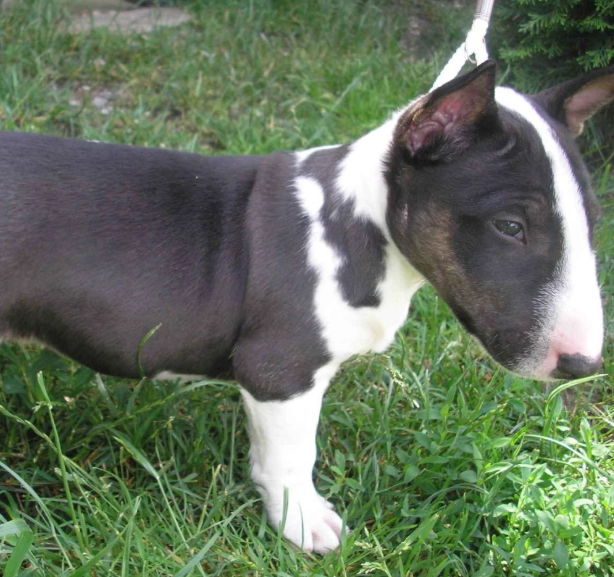
Your Miniature Bull Terrier Weight kg Questions Answered
Final Thoughts: It's a Marathon, Not a Sprint
Keeping your Miniature Bull Terrier at a healthy weight in kg is one of the most important things you'll do for them. It's not about vanity. It's about giving them the foundation for a long, agile, and pain-free life full of the zoomies and antics they're famous for.
It requires consistent attention—measuring food, saying no to those pleading eyes (it's hard, I know!), and keeping them active. But the payoff is huge. A fit dog is a joyful dog. They'll have fewer vet bills, more energy for adventures, and you'll get to enjoy their unique character for more years.
Don't get obsessed with the scale number alone. Use your eyes, use your hands. When in doubt, talk to your vet. They've seen hundreds of dogs and can give you the objective assessment you might miss when looking at your own beloved pet every day.
Start today. Do that rib check. Look at them from above. It's the first step in a long and healthy journey together.
Reader Comments