Quick Guide
Let's cut to the chase. You're here because you've seen the pictures. That magnificent, lion-like mane, the gentle eyes, the sheer, impressive size of a Leonberger. It's easy to fall in love with the look. But what's it really like to live with one? What's ticking inside that big, beautiful head? The Leonberger temperament is the whole ball game when it comes to deciding if this breed is for you. It's not just about having a big dog; it's about inviting a specific, powerful personality into your home.
I remember the first time I spent a weekend with a friend's Leo, named Atlas. I was prepared for the size, the drool, the hair. What I wasn't prepared for was the quiet, observant intelligence. He didn't just follow us around; he seemed to be participating in the weekend, judging the best napping spots, offering a giant paw during emotional movie scenes. It was less like pet-sitting and more like hosting a very large, very furry, and incredibly polite guest. That experience got me hooked on understanding what makes them tick.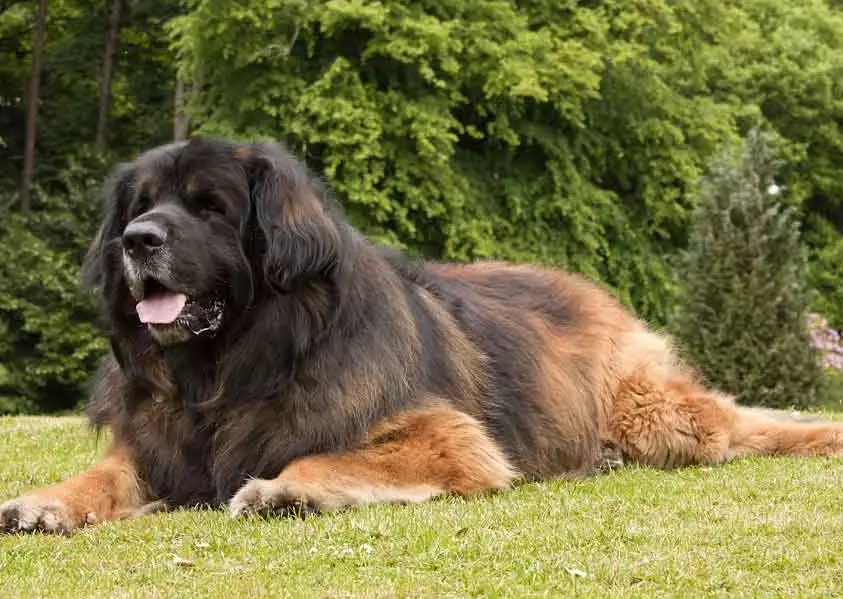
The Core of the Leonberger Temperament: If you had to sum it up in a few words, you'd say calm, confident, loyal, and family-oriented. The breed standard from the American Kennel Club (AKC) describes them as "the dog of the gentleman," known for a serene, self-assured nature. But that's just the glossy brochure description. The real-life Leonberger temperament is a fascinating, multi-layered thing.
Breaking Down the Leonberger Personality: More Than Just a Gentle Giant
Calling them "Gentle Giants" is accurate, but it's also a bit of a shortcut. It can make you think they're just big, lazy, friendly lumps. And while they can be champion loungers, their temperament is far more nuanced. Let's peel back the layers.
The Family Glue: Loyalty and Bonding
This is where the Leonberger temperament truly shines. They are not aloof or independent workers. They are connectors. A Leo doesn't just live with you; it integrates into the family unit. They have an almost uncanny sense for family dynamics and often position themselves as a gentle, watchful guardian over children. I've heard breeders say a Leo will often put themselves physically between a child and a stranger, not aggressively, but just as a calm, living barrier. Their loyalty is profound but not smothering. They want to be with you, in the same room, part of the action, even if that action is you reading a book and them sighing contentedly at your feet.
This deep bonding has a flip side, though. The Leonberger temperament is not suited to long periods of isolation. Leaving a Leo alone in a yard all day or crated for 9 hours while you work is a recipe for a bored, anxious, and potentially destructive (and very large) dog. They thrive on companionship.
Intelligence and Trainability: A Willing Partner, Not a Robot
Here's a common misconception: because they're big and sometimes stubborn-looking, people think they're dumb or hard to train. Nothing could be further from the truth. The Leonberger is highly intelligent. The key to their trainability lies in their temperament. They are sensitive and respond very poorly to harsh corrections or heavy-handed methods. Yelling at a Leo will shut them down. They'll look at you with those soulful eyes like you've just broken their heart.
Successful training with a Leonberger is all about partnership, patience, and positive reinforcement. They want to please, but they also want to understand why. They have a mind of their own. You might ask for a "sit," and they'll give you a look that says, "I hear you, and I know how, but is there a good reason for it right now? I'm quite comfortable." This isn't defiance in a malicious way; it's a confident, thoughtful personality. Food motivation and calm, consistent leadership work wonders. The Leonberger Club of America emphasizes early socialization and gentle, ongoing obedience as crucial for managing a dog of this size, regardless of how sweet its base temperament is.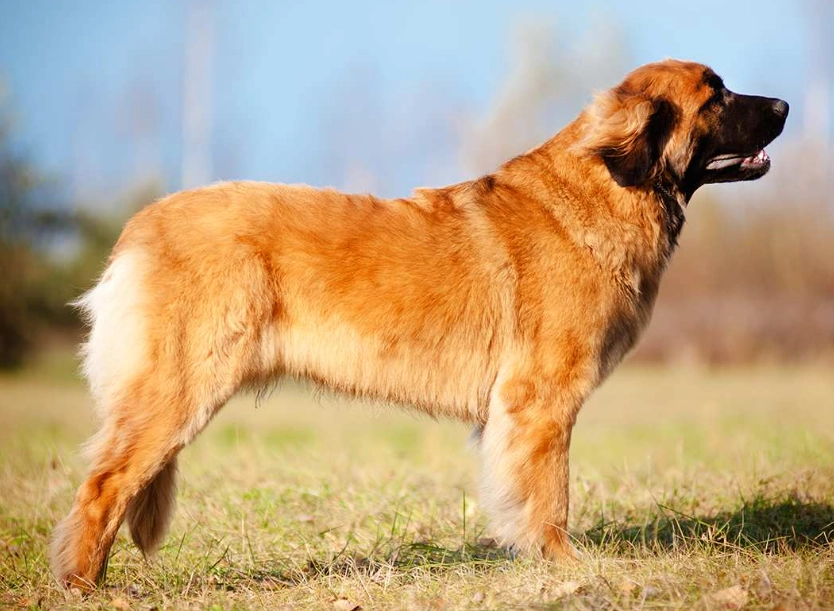
My friend with Atlas spent months on "recall" because, as a puppy, Atlas decided chasing leaves was more fun than coming when called. It wasn't stubbornness; it was a puppy making a fun choice. Consistency and high-value treats (cheese was the winner) eventually made him rock-solid. The point is, you need patience.
The Calm Confidence: Not a Hyper Breed
One of the most appealing aspects of the Leonberger temperament for many people, especially those in suburbs or with a more relaxed lifestyle, is their generally calm indoor demeanor. They are not typically hyperactive, yappy, or constantly underfoot with nervous energy. An adult Leo in a well-exercised home is often the picture of serenity—a majestic rug that occasionally moves to a new sunbeam.
This calmness, however, is not innate laziness. It's a balance. They do need regular, moderate exercise to maintain physical and mental health and to preserve that calm temperament. A long walk, a good swim (most Leos love water—it's in their history as water rescue dogs), or a play session in a secure yard is essential. Without it, that calm can turn into restlessness or weight gain, which is a serious health concern for giant breeds.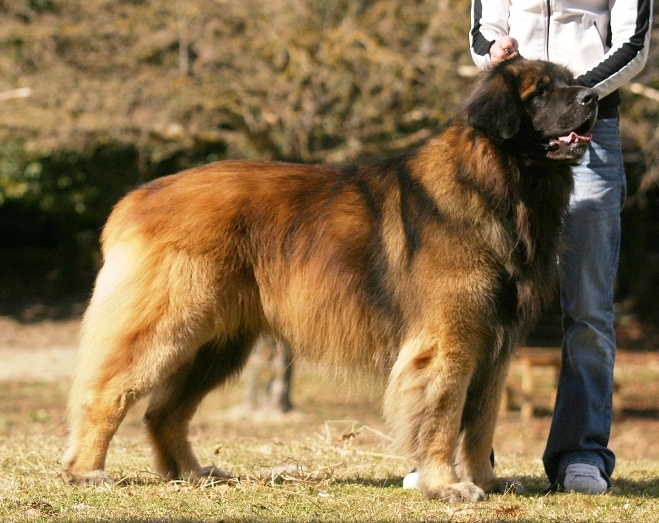
A Reality Check: The Less Glamorous Side
It would be dishonest to only paint a perfect picture. The Leonberger temperament has challenges tied directly to their virtues.
- The Size Factor: Their gentle nature is wonderful until an 130-pound dog decides your lap is the best seat in the house, or gets spooked and pulls on the leash. Their temperament may be gentle, but physics is physics. You must be physically capable of handling them.
- Drool and Shedding: This isn't a temperament flaw, but it's a daily reality that tests your temperament! They are messy. You will have "Leonberger glitter" (hair) on everything, and long strands of drool can decorate your walls and ceilings after a big drink. If you're a neat freak, reconsider.
- Potential for Same-Sex Aggression: This is noted in many breed resources. While not universally true, some Leos, particularly males, may not tolerate other dogs of the same sex. Early socialization is critical, but some level of dog-selectivity can be part of the package.
- Sensitivity: Their sensitivity means they absorb household stress. Arguments, tension, or chaos in the home can genuinely upset them. They do best in a stable, peaceful environment.
Is a Leonberger Temperament Right for YOUR Family?
This is the million-dollar question. Let's move beyond "they're good with kids" and get specific. A good fit isn't just about love; it's about lifestyle compatibility.
A Leonberger Might Be Perfect If You...
- Have a home with space (they don't need a mansion, but cramped apartments are tough).
- Want a dog that is an integral, bonding part of the family, not a backyard accessory.
- Have a generally calm, stable household rhythm.
- Are committed to thorough socialization and lifelong, positive-reinforcement training.
- Can handle the financial responsibility of a giant breed (food, vet care, medications are all XXL).
- Don't mind (or have embraced) a life of hair and slobber.
Think Twice About a Leonberger If You...
- Are gone for long, regular hours every day.
- Want an ultra-high-energy hiking or running partner (they enjoy outings but aren't endurance athletes).
- Prefer a low-maintenance dog in terms of grooming and cleanliness.
- Are a first-time dog owner hesitant about training a powerful animal (not impossible, but a steep learning curve).
- Are looking for a fierce guard dog. Their protective instinct is more about presence and alerting than aggression.
See, the Leonberger temperament is a package deal. You can't have the profound loyalty without the need for companionship. You can't have the calm confidence without providing the structure and exercise that maintains it.
Leonberger Temperament Through Life Stages: Puppy to Senior
Their personality evolves, and knowing what to expect can save you a lot of frustration.
| Life Stage | Temperament Highlights | Key Owner Focus |
|---|---|---|
| Puppy (8 wks - 6 mos) | Clumsy, curious, mouthy, high cuddle-drive. They are fast learners but have short attention spans. The foundation of the adult Leonberger temperament is being set now. | Socialization, socialization, socialization! Positive exposure to people, sounds, surfaces, other (healthy, vaccinated) dogs. Bite inhibition training. Begin gentle house manners. Patience with chewing. |
| Adolescent (6 mos - 2-3 yrs) | This is the "teenage" phase. They are big, goofy, and can test boundaries. Confidence may waver. The sweet puppy might become momentarily aloof or stubborn. This is NORMAL. | Consistent, positive training. Do not let their size intimidate you into lax rules. Maintain socialization. Provide appropriate mental and physical exercise. This phase tests your patience but is crucial. |
| Adult (3 - 8 yrs) | The classic Leonberger temperament emerges in full: calm, confident, watchful, deeply bonded. This is the "golden years" where all your early work pays off. | Enjoy your companion! Maintain routine exercise and mental stimulation to prevent boredom. Continue reinforcing training as a bonding activity. Monitor for signs of aging. |
| Senior (8+ yrs) | Even more mellow, if possible. May be less tolerant of boisterous activity. Sleeps more. The loyal, gentle core remains strong, but physical limitations appear. | Prioritize comfort. Provide orthopedic bedding, easy access to outdoors, and adjust exercise to gentle walks. Regular vet checks. Their sensitivity means they need extra patience and comfort. |
The adolescent phase is where many people panic. You have a dog that looks mostly grown but still acts like a puppy, and its strength is immense. Stay the course. The wonderful adult Leonberger temperament is on the other side.
Answering Your Burning Questions About Leonberger Temperament
Let's tackle some specific things people search for when trying to understand this breed's personality.

The Bottom Line: The Leonberger temperament is one of the breed's greatest assets—a beautiful blend of nobility and gentleness. But it's not a low-maintenance personality. It demands time, engagement, patience, and a whole lot of love (and lint rollers). It's a commitment to living with a giant, sensitive soul who will reward you with a loyalty and companionship that is truly larger than life.
If, after all this, you're still dreaming of that lion-like face greeting you at the door, your next step is crucial. Don't just find any breeder. Seek out those who are members of the national club, who health-test their dogs extensively (hip/elbow dysplasia, heart issues are concerns), and who can talk in detail about the temperaments of their breeding lines. Meet their adult dogs. See the Leonberger temperament in action. It's the only way to know for sure if your heart and your home are ready for this remarkable breed.
Because in the end, you're not just getting a dog with a great Leonberger temperament. You're gaining a quiet, furry shadow, a gentle guardian, and a friend who will leave paw prints not just on your floors, but on your heart.
Reader Comments