Quick Guide
So you're thinking about bringing one of these gentle giants into your life, or maybe you already have. The first question that pops into any responsible owner's mind is, inevitably, how long do they actually live? It's a heavy question, but an important one. The Neapolitan Mastiff lifespan isn't just a number you look up and forget. It's a starting point for a much bigger conversation about health, care, and what you're signing up for when you welcome a 150-pound bundle of wrinkles and loyalty into your home.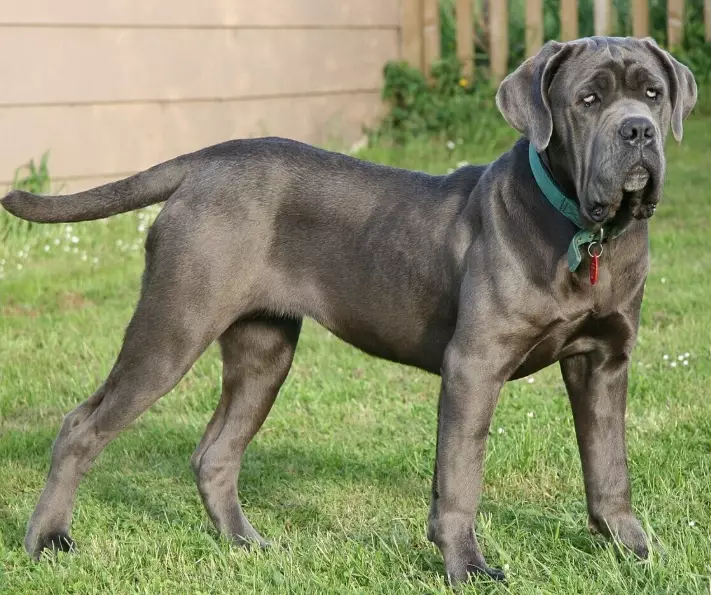
Let's cut to the chase. Most sources, including the American Kennel Club (AKC), will tell you the average is around 7 to 9 years. Sometimes you see 8 to 10. It's a range, not a promise. And honestly, seeing that number can be a gut punch if you're used to smaller dogs living well into their teens. But understanding why that's the range, and more importantly, what you can do to aim for the upper end of it (or even beyond), is where your focus should be.
The Core Truth: The typical Neapolitan Mastiff lifespan is shorter than many breeds due to their immense size. Giant breeds simply age faster. Their bodies work harder, and that metabolic pace takes a toll over time. It's a biological reality, not a failing of the breed.
What Really Influences a Neapolitan Mastiff's Lifespan?
It's never just one thing. Think of it like a recipe where several ingredients determine the final outcome. Some you can control, others you can only manage.
The Big One: Genetics and Breeding
This is the foundation. A puppy from health-tested, long-lived parents has a significantly better shot at a long Neapolitan Mastiff lifespan than one from a puppy mill or backyard breeder. It's non-negotiable. Responsible breeders screen for the major issues that cut lives short. They aren't just selling you a dog; they're giving you a genetic head start.
What should a good breeder test for? Things like hip and elbow dysplasia (more on that later), cardiac exams, and sometimes eye checks. If a breeder brushes off these questions or says their dogs are "vet-checked" (which just means a general checkup), walk away. You're not just buying a puppy; you're investing in a decade of potential heartache or joy.
I've spoken to owners whose dogs came from well-screened lines and lived to 10 or 11. And I've heard the opposite stories, too, where problems emerged at 4 or 5. The difference almost always traces back to those first few weeks of life and the choices the breeder made years before.
The Giant Breed Factor: Size and Structure
You can't talk about a Neapolitan Mastiff's life expectancy without talking about its body. That massive, heavy-boned frame is majestic, but it's also a physiological challenge.
Their hearts have to work harder to pump blood. Their joints bear tremendous weight. Everything is just... more. This accelerated wear and tear is a key reason the lifespan of a Neapolitan Mastiff is what it is. Compare it to smaller breeds in this table, and it becomes painfully clear.
| Breed Size Category | Example Breeds | Typical Average Lifespan | Key Factors |
|---|---|---|---|
| Giant | Neapolitan Mastiff, Great Dane, Irish Wolfhound | 7-10 years | Rapid growth, joint stress, cardiac strain |
| Large | German Shepherd, Labrador Retriever | 10-13 years | Moderate joint issues, some breed-specific ailments |
| Medium/Small | Beagle, Cocker Spaniel, Terriers | 12-16+ years | Fewer structural pressures, but other age-related issues |
See the pattern? It's a sobering trade-off for that imposing presence.
The Usual Suspects: Common Health Issues
Certain health problems are like shadows for this breed. Knowing them isn't about being pessimistic; it's about being prepared and proactive. Catching something early can add years.
- Hip and Elbow Dysplasia: This is probably the number one concern. It's a malformation of the joints that leads to arthritis, pain, and mobility loss. It's partly genetic, partly influenced by diet and growth rate. The pain from severe dysplasia can severely impact quality of life and, indirectly, Neapolitan Mastiff longevity. The Orthopedic Foundation for Animals (OFA) is the gold standard for screening.

I remember a friend's Mastiff, Bruno, who started getting up slowly around age 6. They thought he was just being lazy. By the time they got X-rays, the arthritis was advanced. Pain management helped, but those early years of running and playing were over much sooner than they should have been. It's a common story, and it's why I harp on joint supplements and weight control from day one.
- Gastric Dilatation-Volvulus (GDV or Bloat): This is a deadly emergency. The stomach fills with gas and twists, cutting off blood supply. It can kill a dog in hours. Deep-chested breeds like Neos are high-risk. Knowing the symptoms (restlessness, unproductive retching, distended abdomen) and having your vet's emergency number handy is crucial. Preventative measures include feeding multiple small meals, avoiding exercise around mealtimes, and discussing a prophylactic gastropexy surgery (where the stomach is tacked in place) with your vet.

- Skin Fold Infections (Dermatitis): Those iconic wrinkles are breeding grounds for moisture, yeast, and bacteria. Regular, thorough drying and cleaning of every fold is non-optional hygiene, not just grooming. A neglected skin infection can become systemic and miserable.
- Cardiac Issues: Conditions like cardiomyopathy (weakening of the heart muscle) can occur. Regular vet checkups that include listening to the heart are important.
- Eye Problems: Entropion (eyelids rolling inward) and cherry eye are seen. These are usually surgically correctable but need attention.
Bloat is an emergency. If you even suspect it, do not wait. Call your vet or emergency clinic and get in the car immediately. It's the single most acute threat to a Neapolitan Mastiff's lifespan.
How Can You Potentially Extend Your Neapolitan Mastiff's Life?
Okay, so we've covered the challenges. Now, what's the action plan? How do you fight for every extra year? It's about a mindset of proactive, attentive stewardship.
Proactive Care Checklist: Think of this as your game plan for maximizing your dog's Neapolitan Mastiff lifespan.
- Start Right: Choose a responsible breeder who does full health testing on the sire and dam. See the OFA or other clearances yourself.
- Feed Smart: Work with your vet to determine the ideal weight and calorie intake. Use a large-breed puppy food, then transition to an adult formula that supports joint health. Consider incorporating supplements like fish oil (for anti-inflammatory omega-3s) and glucosamine early, as a preventative.
- Exercise with Care: Establish a routine of consistent, low-impact exercise. Swimming is fantastic if you have access. Avoid the "weekend warrior" pattern of being sedentary all week and then overdoing it on Saturday.
- Be a Hygiene Fanatic: Make wrinkle cleaning and drying a daily ritual. Check ears, clean teeth regularly (dental disease can affect overall health), and keep nails trimmed to ensure proper footing.
- Mental Stimulation Matters: A bored dog is a stressed dog. Use puzzle toys, scent games, and short training sessions to keep their mind active. Mental decline can affect overall well-being too.
- Build a Relationship with a Vet You Trust: Find a vet experienced with giant breeds. They'll understand the specific risks and can help you create a tailored wellness plan, including when to do senior bloodwork to check organ function.
- Consider Preventative Surgery: Have a frank discussion with your vet about a prophylactic gastropexy, often done during spay/neuter. For many owners in high-risk breed circles, this is considered a standard of care, not an extra. The American Veterinary Medical Association (AVMA) provides clear information on GDV that can inform your discussion.
- Listen to Your Dog: You know them best. A slight limp, a change in appetite, less enthusiasm for walks, increased panting—don't ignore these subtle signs. Early intervention is everything.
It sounds like a lot. It is. Owning a Neo is a commitment of time, money, and emotional energy. There's no sugarcoating it. But for the right person, the payoff—the loyalty, the companionship, the sheer presence of them—is worth every bit of effort.
Facing the Reality: The Senior Neapolitan Mastiff
Around age 6 or 7, you'll start noticing changes. They might sleep more, move a bit slower in the morning, be less tolerant of heat or long walks. This is your cue to shift gears from adult maintenance to senior support.
Your vet visits should become more frequent. Diagnostic blood panels become important to monitor kidney, liver, and thyroid function. You'll likely need to adjust their diet to a senior formula. Pain management for arthritis becomes a central topic—there are good pharmaceutical and supplemental options available. Ramps can help them get in and out of the car or onto the bed. You might need to add non-slip rugs to hardwood floors.
The goal for a senior Neo isn't to chase the high-energy days of youth, but to ensure their golden years are comfortable, pain-managed, and dignified. Quality of life becomes the most important metric, more than any number on a calendar.
Answering Your Burning Questions (FAQs)
Let's tackle some of the specific things people search for when they're worried about their big buddy's time.
There are anecdotal reports of individuals reaching 12 or even 13 years, but these are exceptional outliers, not the norm. They usually involve an almost perfect storm of great genetics, impeccable care, and likely a bit of luck. Don't bank on beating the average by four years; instead, focus on consistently good care to aim for the top end of the 7-9 year range.
Not precisely, no. But you can stack the odds in your favor. The single best predictor is the health and longevity of the parents and grandparents. A good breeder should be able to tell you how old the dam and sire are and, ideally, the ages of the previous generations. If the lines are consistently producing healthy dogs that live to 9 or 10, that's a very positive sign for your puppy's potential Neapolitan Mastiff lifespan.
There's no strong, breed-specific data to suggest a significant difference in longevity between sexes. Individual health, genetics, and care will have a far greater impact than gender.
This ties into the concept of "hybrid vigor." Sometimes, mixing gene pools can reduce the incidence of certain inherited disorders. A Neo mixed with another breed *might* have a slightly lower risk of some purebred-specific issues, but it's a gamble. You also lose predictability in size, temperament, and health outcomes. A well-bred purebred from health-tested lines is often a more reliable bet than an unknown mix, even if the mix has the *potential* for hybrid vigor.
First, congratulations! You've done an amazing job. At 10, your dog is a venerable senior. Expect significantly reduced mobility, possible hearing or vision loss, increased sleep, and potentially some cognitive changes (confusion, changes in sleep-wake cycles). Your partnership with your vet is critical now to manage pain, adjust diet for aging kidneys, and monitor quality of life closely. Every good day is a gift at this stage.
The Final Word
Researching the Neapolitan Mastiff lifespan can feel daunting. The numbers are humbling. But this journey isn't really about chasing a specific birthday. It's about understanding the commitment. It's about knowing that you're choosing a breed whose time with you may feel unfairly short, and deciding that the depth of the bond is worth the inevitable heartache.
Your role is to be their advocate, their caretaker, and their comfort. By focusing on prevention, proactive care, and an unwavering commitment to their quality of life, you give them the absolute best shot at not just a long life, but a good one. And in return, they'll fill whatever years they have with a kind of steadfast, quiet devotion that's hard to find anywhere else.
So, yes, the lifespan of a Neapolitan Mastiff is a serious topic. But it's the foundation for a relationship that, while it may not last as long as you'd like, will undoubtedly leave a permanent mark on your life. Make every day count.
Reader Comments