In This Article
So, you've stumbled upon a picture of a Norwegian Buhund. Maybe it was that perfect, smiling spitz face with prick ears and a curly tail that caught your eye. You fall down a rabbit hole, reading about their history as Viking farm dogs, their intelligence, and their cheerful demeanor. And then you hit the wall. You can't seem to find one. Breeder lists are short. Waitlists are long. You type the question into Google: Are Norwegian Buhunds rare?
The short, blunt answer is yes. Absolutely. But that simple "yes" doesn't even begin to scratch the surface. The real story of the Norwegian Buhund's rarity is a tangled web of history, geography, modern dog culture, and pure logistics. It's not just about numbers; it's about why those numbers are what they are, and what it actually means for someone who dreams of sharing their home with one of these charismatic dogs.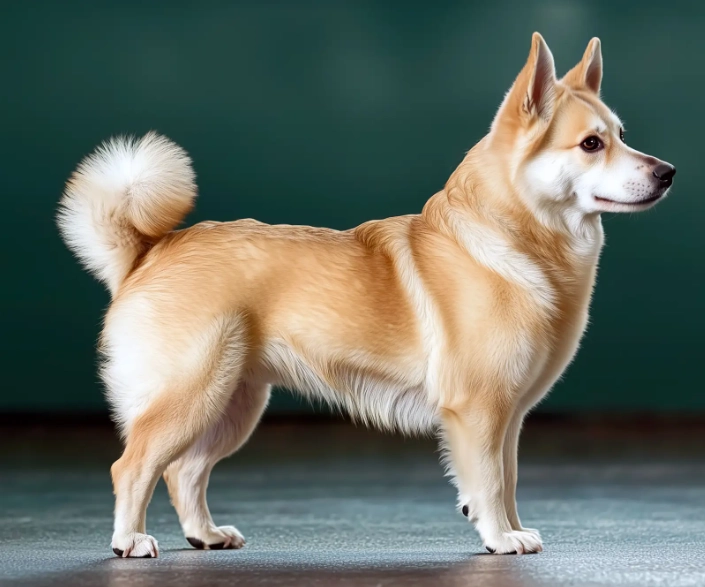
I've been fascinated with spitz breeds for years, and the Buhund's elusive nature always intrigued me. It took me over a year of casual searching just to meet one in person at a dog show. The owner, a lovely woman who'd imported her dog from Norway, confirmed what I suspected: getting a Buhund is a journey, not an errand.
Defining "Rare" in the Dog World
When we say a dog is rare, what do we mean? It's not a scientific term. For some, it means low registration numbers with major kennel clubs. For others, it means you never see them at the dog park. For the Norwegian Buhund, both are true.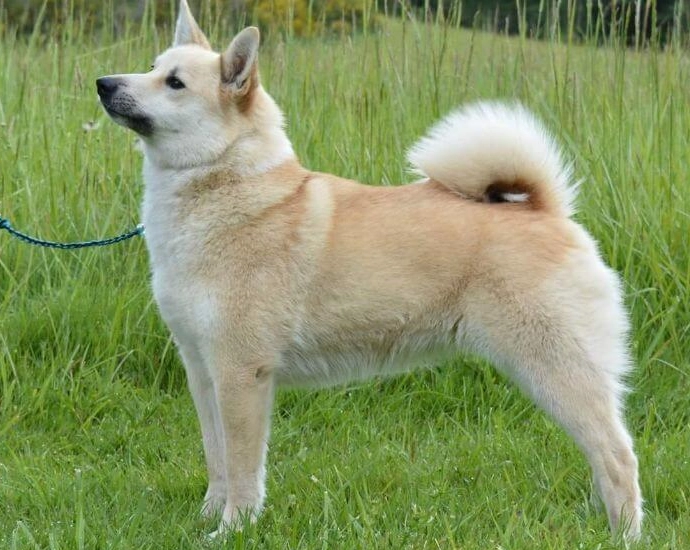
The American Kennel Club (AKC), which is the primary registry for purebred dogs in the United States, ranks breeds by annual registration numbers. Breeds consistently in the bottom third of that list are generally considered rare. The Norwegian Buhund has been hovering around the 150th to 160th spot out of over 200 recognized breeds for years. In concrete terms, the AKC typically registers only a few hundred Buhunds annually across the entire United States. Compare that to the tens of thousands of Golden Retrievers registered each year, and you start to see the scale.
But the AKC is just one piece of the puzzle. To truly understand if Norwegian Buhunds are rare, you have to look globally.
A Snapshot of Global Rarity
The breed's homeland is Norway, and you'd think they'd be everywhere there, right? Not exactly. They're more common there than anywhere else, but they're still far from being a popular choice. The Norwegian Kennel Club (Norsk Kennel Klub) maintains careful records. While they are the national dog, their numbers are managed with a focus on health and preservation, not mass production.
In the United Kingdom, The Kennel Club registers a similarly small number each year. In countries like Australia and Canada, you might find only a handful of active breeders in the entire nation. This global scarcity creates a ripple effect. Limited gene pools mean breeders are very careful about planning litters, which are infrequent to begin with.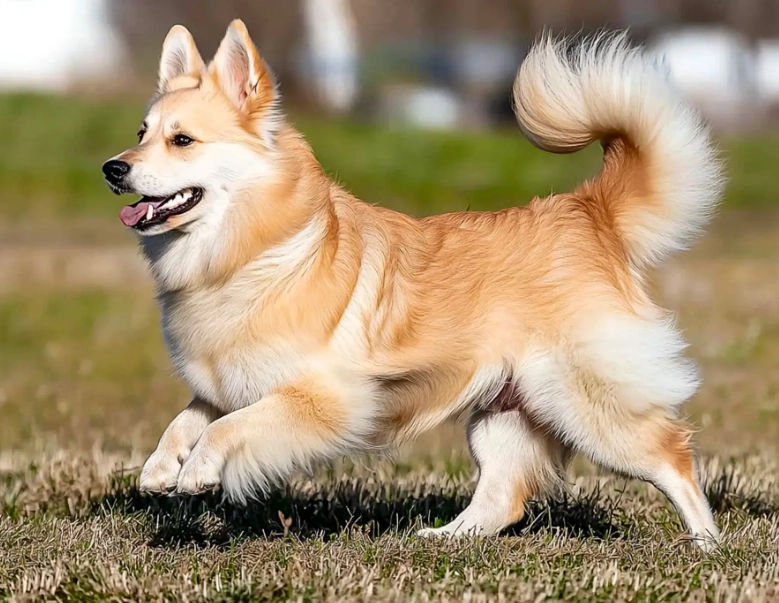
Here’s a rough comparison to illustrate the point. This isn't official census data, but a compilation based on kennel club trends and breeder community estimates, which gives a clearer picture than registration numbers alone.
| Country/Region | Estimated Buhund Population (Approx.) | Comparative Rarity Level | Notes |
|---|---|---|---|
| Norway (Homeland) | ~2,000 - 4,000 | Uncommon | The center of the breed. Most breeders and genetic diversity are here. |
| United States | ~1,000 - 2,000 | Very Rare | Spread thinly across a vast country. A few dedicated breeders. |
| United Kingdom | ~500 - 1,000 | Very Rare | Small but active community. Often relies on imports from Scandinavia. |
| Canada | ~100 - 300 | Extremely Rare | May be fewer than 10 active breeders nationwide. |
| Australia | ~50 - 150 | Extremely Rare | Very small population, subject to strict import quarantine. |
Seeing it laid out like that really hits home, doesn't it? When an entire country might have fewer Buhunds than a single popular breed has puppies born in a month, you're dealing with a different category of dog ownership.
Why Are Norwegian Buhunds So Rare? The Reasons Behind the Scarcity
It's not an accident or a marketing ploy. Several deep-rooted factors converge to keep the Buhund population small.
Historical Bottlenecks and Modern Foundations
The breed almost vanished after World War II. Like many European breeds, the war was devastating. Reconstruction efforts for the breed were led by a small group of dedicated enthusiasts in Norway who tracked down the best remaining farm dogs to rebuild the gene pool. This created a foundational bottleneck. The modern Norwegian Buhund largely descends from a relatively small number of dogs. This careful, preservationist mindset never really left the breed community. Breeders, especially in Scandinavia, prioritize health, temperament, and working ability over producing large numbers of puppies. The official breed club in Norway, the Norsk Buhundklubb, actively promotes responsible breeding with strict guidelines.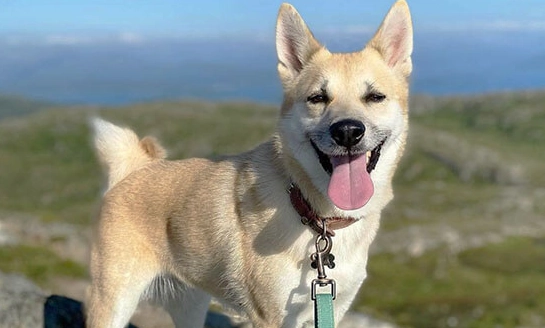
They were farm dogs, meant to herd sheep and guard the homestead. They weren't developed as lapdogs or status symbols. That utilitarian origin means they never had the massive, broad appeal of a companion-focused breed. They remain a bit of a "specialist's dog."
The Practical Challenges of Breeding
Let's talk about the breeder's side. Reputable Buhund breeders are in it for love, not money. A typical litter is small, often 3-5 puppies. Breeders commit to exhaustive health testing (hips, eyes, genetic conditions) which is costly and time-consuming. They screen potential owners just as rigorously. The entire process from breeding to placing puppies can take over a year. The financial return, if any, is minimal after vet bills, quality food, and countless hours of socialization.
Many breeders have other jobs. They might only have one litter every two or three years. This is the absolute opposite of high-volume commercial breeding. It's artisan, small-batch dog breeding. And that inherently limits supply.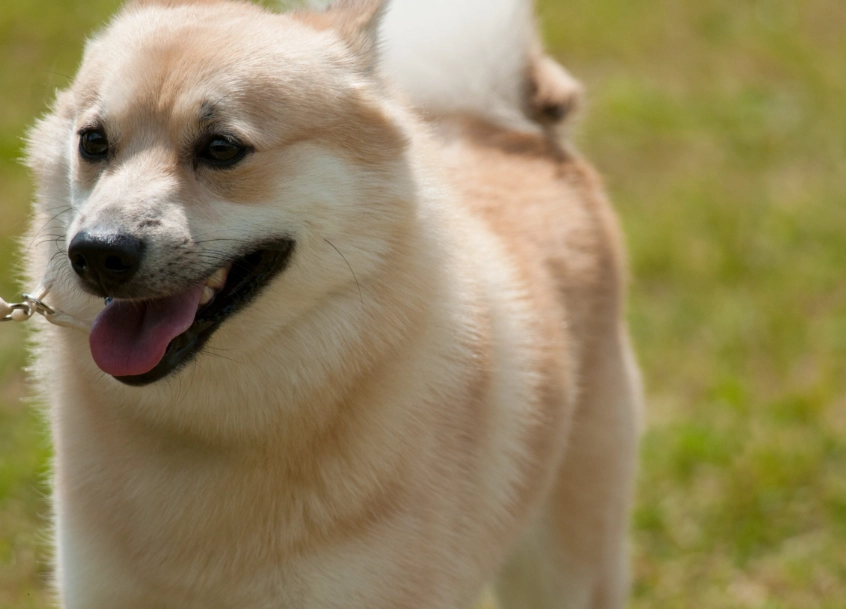
Limited Demand (And That's Okay)
Here's a personal opinion: the breed's personality acts as a natural filter. Buhunds are brilliant, but they're independent thinkers. They're energetic and need a job. They can be vocal (that classic spitz bark). They shed. A lot. This combination isn't for everyone. The people who are drawn to them are usually active, patient, and enjoy a dog with a mind of its own. This self-selecting demand helps keep the population stable and in the hands of owners who understand them. Frankly, I think the breed benefits from this. It prevents them from becoming a fad that later gets dumped in shelters.
So, when you ask are Norwegian Buhunds rare?, part of the answer is that the breed community has, intentionally or not, structured itself in a way that maintains a manageable, healthy population rather than chasing popularity.
What Does This Rarity Mean For You? The Real-World Implications
Okay, so they're rare. What does that actually translate to if you want one? Let's get painfully practical.
The Search: It's a Marathon
Finding a Norwegian Buhund puppy isn't like picking out a new car model. You don't shop; you apply and wait. Your first stop should be the national breed club. In the U.S., that's the Norwegian Buhund Club of America (NBCA). Their breeder referral list is the gold standard. These breeders are vetted and follow a code of ethics.
Expect the process to look something like this:
- Initial Contact: You send an email introducing yourself, your family, your lifestyle, and why you want a Buhund. A generic "I want a puppy" email might get ignored.
- The Interview: A phone or video call. They'll ask about your experience with dogs, your daily routine, your training philosophy, your yard, your plans for exercise and mental stimulation.
- The Waitlist: If you're approved, you go on a waitlist. Current wait times can be 18 months to 3 years. Yes, years. Breeders often plan pairings for specific reasons (improving a health trait, aiming for a certain temperament), and you might be matched with a future litter that hasn't even been conceived yet.
- The Deposit: A small, refundable deposit might secure your spot on a list, but it never guarantees a specific puppy from a specific litter.
- The Match: When puppies are born, the breeder evaluates them. They match puppies to homes based on temperament, not first-come-first-served. Your "pick of the litter" is the puppy the breeder thinks is best for you.
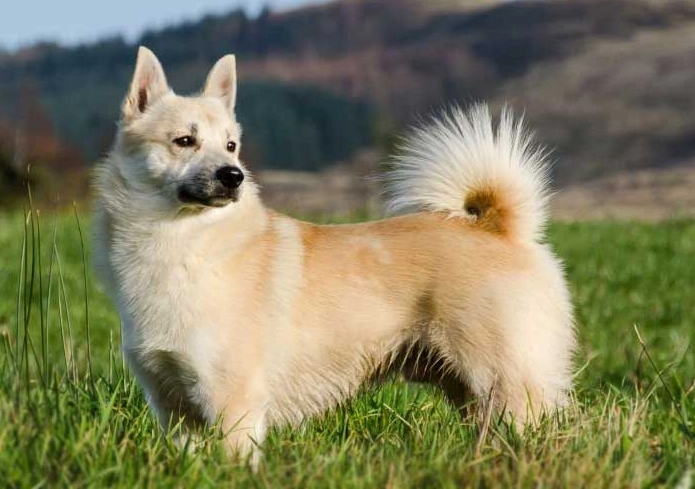
I know someone who waited two and a half years. She said the anticipation was brutal, but when she finally got the call, it felt like she had earned it.
The Cost Factor
Rarity and cost are directly linked. A Norwegian Buhund puppy from a reputable breeder typically costs between $2,500 and $4,000 USD. Sometimes more. This shocks people used to seeing puppies advertised for $800. But break it down: pre-breeding health tests ($1,000+), prenatal care for the dam, vet checks for the litter, dewclaw removal, first vaccines, microchipping, high-quality food, and 8-10 weeks of round-the-clock care and socialization. The breeder's profit is slim. This price also acts as a barrier, ensuring the buyer has the financial means to care for the dog properly throughout its life.
Importing a dog from Norway or another European country adds thousands more in travel costs, import fees, and health certifications.
The Rescue Option (Or Lack Thereof)
With rare breeds, rescue is a different ballgame. You won't find a Buhund at your county animal shelter. Breed-specific rescue exists, but it's often just a network within the breed club. Dogs come into rescue very infrequently—usually due to an owner's death, severe illness, or a drastic life change. When they do, they are placed discreetly within the network. There's no public listing. You need to be known to the breed community. And the wait for a rescue can be even longer than for a puppy, with equally rigorous screening.
Beyond the Puppy: Living with a Rare Breed
Getting the dog is just the beginning. Owning a rare breed comes with its own set of realities.
Finding a trainer or groomer who knows the breed? Unlikely. You'll be the one educating them. "What kind of dog is that?" will be your most frequently asked question. You become an ambassador, for better or worse.
Vets might not have breed-specific knowledge. You need to be proactive and provide resources from the parent club about common health concerns (like hip dysplasia or eye issues). The community becomes your lifeline. Online forums and Facebook groups (like the NBCA's members group) are invaluable for advice on everything from training challenges to recommended foods.
And let's be honest, it can feel isolating. When everyone at the park has a doodle mix and you have your Nordic herding dog, the conversation can be repetitive. But you also join a special, tight-knit club. Buhund people tend to be incredibly passionate and supportive. You'll make friends across the country and even the globe.
Answering Your Burning Questions (FAQ)
Are Norwegian Buhunds good family dogs?
They can be excellent family dogs in the right setting. They are typically playful, loyal, and good with children they are raised with. However, their herding instinct can manifest as nipping at heels during play, and their high energy and intelligence require a family committed to consistent training and plenty of exercise. They are not a placid, couch-potato breed. A bored Buhund is a destructive Buhund.
How do they compare to other similar-looking but more common spitz breeds, like the Icelandic Sheepdog or the Finnish Spitz?
Great question. All are northern spitz breeds, but with key differences. The Icelandic Sheepdog is also rare but has seen a slight uptick in popularity. It's often described as slightly softer and more sensitive than the Buhund. The Finnish Spitz is a bark-pointer (hunts by barking at game in trees) and can be even more vocal and independent. The Buhund is the herder of the group, often showing more drive and "busyness." In terms of pure numbers, the Icelandic Sheepdog might be slightly easier to find in North America than the Buhund, but both are firmly in the rare category. The Finnish Spitz is rarer still.
Is their rarity a reason to avoid the breed?
Not at all, but it's a reason to go in with your eyes wide open. Their rarity means you must be an exceptionally prepared and patient owner. You can't impulse-buy a Buhund. The process forces you to do your homework, which ultimately leads to better outcomes for the dogs. If you're willing to do the work, the reward is a unique and deeply rewarding partnership with a phenomenal dog.
Could they become more popular and less rare in the future?
It's possible, but unlikely to happen quickly or dramatically. The breeding community is protective. A surge in popularity often leads to poor breeding practices and health problems. The current guardians of the breed seem committed to a slow, steady, and healthy growth. They might move up a few spots in the AKC rankings over a decade, but I doubt they'll ever crack the top 100. And honestly, most Buhund enthusiasts are perfectly fine with that.
Final Thoughts: Embracing the Journey
So, are Norwegian Buhunds rare? Unequivocally, yes. But that rarity isn't just a trivia fact. It defines the entire experience of finding and living with one. It means a long, deliberate search. It means a higher financial investment. It means joining a small, dedicated community.
For the right person, none of that is a deterrent; it's part of the appeal. There's a pride that comes with owning a piece of living history, a dog that isn't on every street corner. The scarcity makes the bond feel more special. You didn't just buy a pet; you earned a companion through perseverance.
If you've read this far, you're probably the right kind of person. You're doing the research. You're seeking understanding, not just a quick answer. My advice? Reach out to the Norwegian Buhund Club of America. Go to a dog show if you can and meet some in person. Talk to owners. Feel the texture of that double coat and see the intelligence in their eyes. The wait will be long, but for those captivated by this Viking spitz, it's always worth it.
The path to a Buhund is a narrow, winding trail, not a highway. But the destination is pretty incredible.
Reader Comments