Quick Navigation
- The Raw Numbers: Breaking Down the Breed Standard
- What Does This Size Actually Mean for You?
- The Growth Timeline: From Puppy to Full-Grown Min Pin
- Health Considerations Directly Tied to Their Size
- Common Questions About Miniature Pinscher Size (Answered)
- Final Thoughts: Embracing the Compact Powerhouse
So you're thinking about a Miniature Pinscher, or maybe you just brought one home and are wondering if that tiny tornado is done growing. Everyone talks about their big personality, but let's get down to the tangible stuff first: how big do these dogs actually get? The official Miniature Pinscher size specs are just the starting point. What you really need to know is what that compact frame means for your life, your furniture, and your vet bills.
I remember when my friend got her Min Pin, Baxter. She was convinced, based on the "10-12.5 inches" description, that he'd be this perpetually pocket-sized creature. Fast forward six months, and while he wasn't a giant, his presence was definitely... substantial. He took up more couch space than anticipated and had a vertical leap that defied the laws of physics (and the safety of kitchen counters). That's the thing about Miniature Pinscher size—it's not just height and weight. It's energy density, it's reach, it's impact.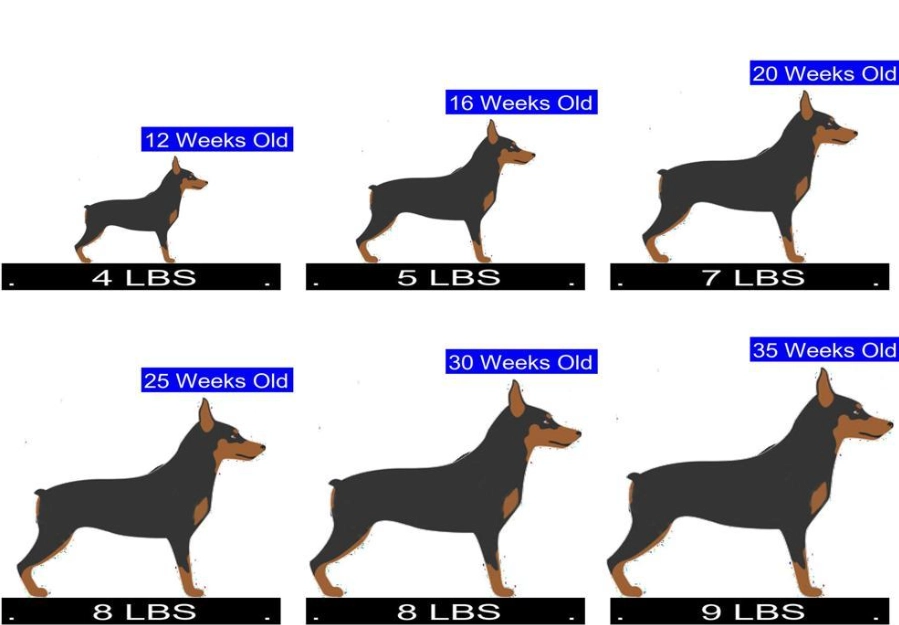
The Raw Numbers: Breaking Down the Breed Standard
Let's start with the official word. According to the American Kennel Club (AKC), the governing body for purebred dogs in the US, the Miniature Pinscher breed standard is pretty specific. It's not a wide range, which tells you something about how consistent they aim for this build to be.
| Measurement | Breed Standard (AKC) | What It Looks Like in Practice |
|---|---|---|
| Height at the Withers | 10 to 12.5 inches (25 to 32 cm) | Roughly knee-high on an average adult. A 12-inch Min Pin is noticeably taller and leggier than a 10-inch one. |
| Weight | 8 to 10 pounds (3.6 to 4.5 kg) | This is the ideal. In reality, many healthy pet Min Pins fall between 8-12 lbs. It's about proportion, not a strict number on a scale. |
| General Proportion | Square build (length equals height) | They should look balanced and sturdy, not long and low like a Dachshund or overly squat. |
You'll notice the weight range is tight. An 11 or 12-pound Min Pin isn't automatically fat, but it's worth a conversation with your vet. The square build is crucial—it's what gives them that distinctive, proud, and somewhat muscular silhouette. A Min Pin that's too long in the back loses that characteristic look and can be prone to back issues.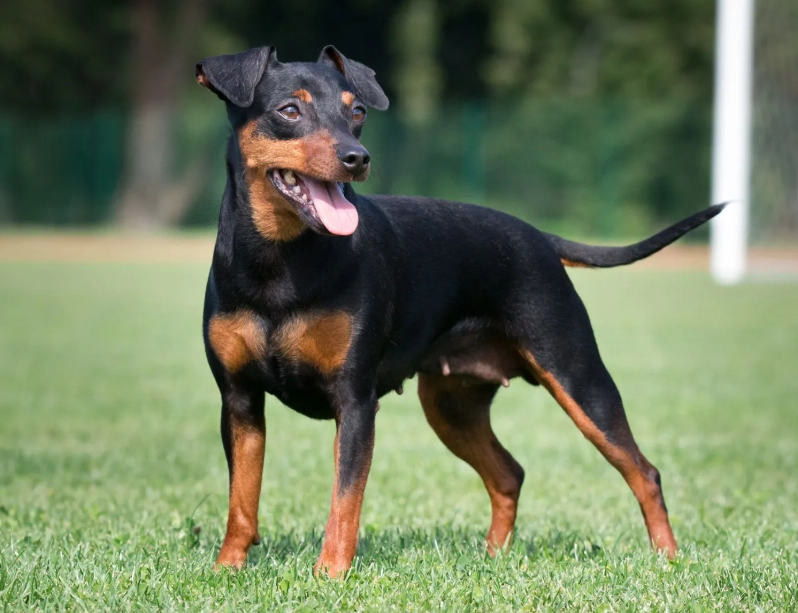
Now, here's where people get tripped up. They see "8-10 pounds" and think "toy dog." And then they meet one. There's a solidity to a Min Pin that a, say, Maltese or Chihuahua doesn't have. Their legs are straight and strong, their chest is well-developed, and they move with a purposeful, hackney-like gait. It's a working dog's build in a small package. When discussing Miniature Pinscher size and weight, you have to factor in this substance.
What Does This Size Actually Mean for You?
Okay, so they're a foot tall. So what? This is the part that matters for your daily life. The practical implications of their Miniature Pinscher full grown size are huge.
Apartment Living: The Perfect Fit?
On paper, yes. Their physical footprint is small. A couple of square feet of floor space is plenty for their bed. But—and this is a massive BUT—their energy footprint is enormous. A Min Pin in a small apartment without sufficient exercise and mental stimulation is a recipe for disaster. They'll turn your living room into a racetrack and your curtains into a climbing wall. Their small Miniature Pinscher size makes them apartment-compatible, but they are not automatic couch potatoes. You need to actively manage their energy.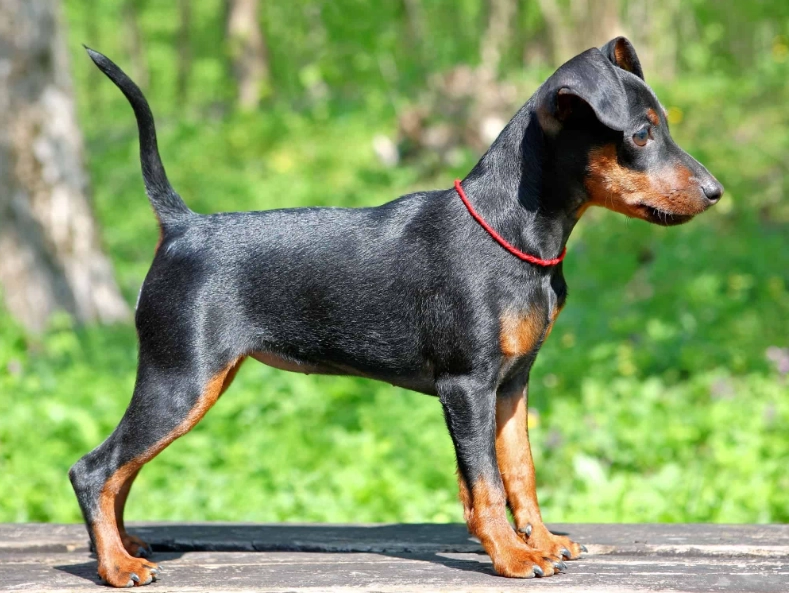
Portability and Travel
This is a legit advantage. A carrier for a full grown Miniature Pinscher is easy to handle. Most airlines will accept them in-cabin in an appropriate carrier. Car rides are simple. You can take them more places comfortably. However, their confidence level does not match their portable size. They often think they're much bigger, which can lead to challenges with larger dogs or unfamiliar situations. You have to be their brain, remembering their actual size when their attitude says "Rottweiler."
Fragility vs. Sturdiness
This is a nuanced point. Are they as fragile as a toy breed with fine bones? No. Their legs are straight and strong. Could they survive a jump off the back of your sofa? Probably. Should you let them? Absolutely not. Their small mass means injuries from falls or being stepped on are a real and serious risk. I've heard one too many stories of a broken leg from a seemingly minor hop or tumble. Their sturdiness is relative. You must be vigilant about their environment—no high furniture jumps, careful on stairs, and watch out underfoot.
Their size also makes them a target for birds of prey in some areas. It's a grim thought, but an important one for off-leash safety in open spaces.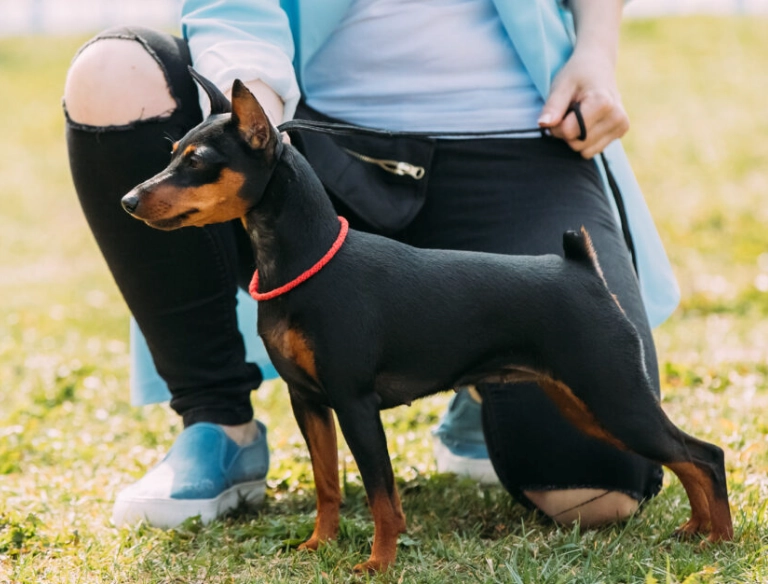
The Growth Timeline: From Puppy to Full-Grown Min Pin
They don't stay tiny puppies for long. Their growth is pretty rapid.
- Birth to 3 Months: All paws and curiosity. They grow incredibly fast during this period, gaining weight weekly. This is when they look like classic, clumsy puppies.
- 3 to 6 Months: The leggy teenager phase. They often look a bit gawky and uncoordinated as their limbs shoot out. You'll see most of their height develop here. A lot of owners panic, thinking they're getting a much bigger dog, but they start to fill out soon after.
- 6 to 9 Months: Filling out. They start putting on muscle and developing their mature chest. The gangly look disappears, replaced by a more proportional, athletic build. Many Min Pins will be very close to their adult Miniature Pinscher size by 9 months.
- 9 to 12 Months: Final touches. They might add a tiny bit more muscle or chest depth, but growth in height is almost certainly done. They are considered adult in size.
- 12 to 18 Months: Mental maturation lags. While their body is full grown, their brain is still catching up. This is the "big dog in a small body" phase where testing boundaries is common.
Spaying or neutering can slightly influence final size, particularly if done very early. Some vets believe early alteration can allow the growth plates to stay open a bit longer, potentially leading to a slightly taller but less muscular dog. It's a conversation to have with your vet, balancing health pros and cons.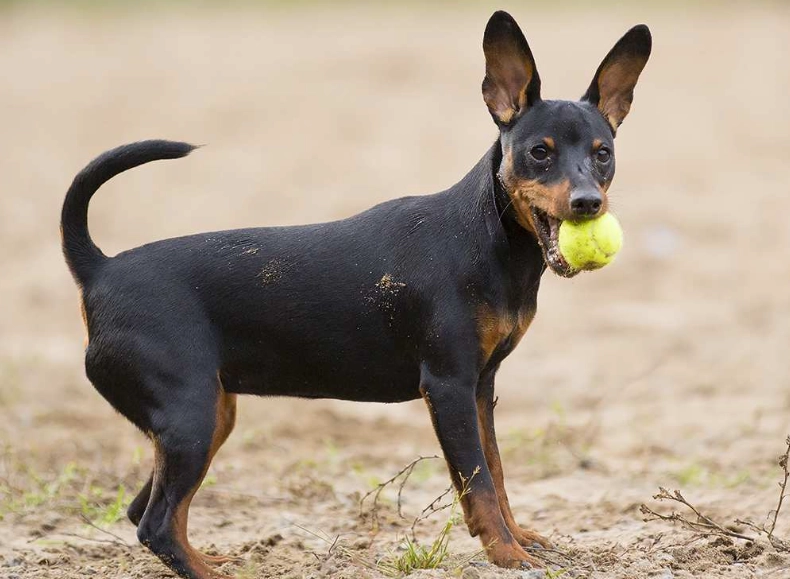
Health Considerations Directly Tied to Their Size
Small breed, small dog problems. It's not just a saying. The Miniature Pinscher size predisposes them to certain conditions you need to watch for.
- Luxating Patellas: This is the big one. Their tiny knee joints can slip out of place. It's often genetic but can be aggravated by jumping down from heights. A skip in their step is a telltale sign. Keeping them at a lean weight is critical to managing this risk.
- Dental Issues: Small mouth, same number of teeth as a big dog (well, almost). This leads to crowding, which leads to rapid tartar buildup and periodontal disease. You must commit to dental care—brushing, chews, regular vet checks. It's not optional.
- Hypoglycemia: Especially in puppies and tiny adults. Their small bodies have limited glycogen stores. Missing a meal or excessive activity can cause their blood sugar to crash, leading to weakness, trembling, seizures, or worse. Frequent small meals are key for puppies.
- Obesity: It's easy to overfeed a small dog. "Just one more treat" is a bigger percentage of their daily calories. An extra two pounds on a Min Pin is like an extra 30 pounds on you—it's a massive strain on their joints and heart. Stick to measured meals.
- Trauma: As mentioned, being stepped on, dropped, or jumping from furniture can have serious consequences. You have to be their safety manager.
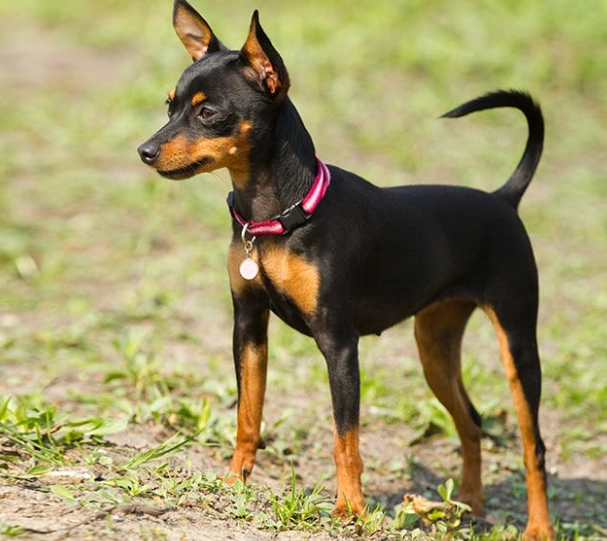
Resources like the Orthopedic Foundation for Animals (OFA) maintain databases on patellar luxation prevalence in breeds. While not a cheerful read, it underscores the importance of getting a puppy from a breeder who screens for these issues. A responsible breeder will have OFA or similar certifications for the parents' knees. The American Animal Hospital Association (AAHA) also has excellent guidelines on dental care that are doubly important for small breeds like the Min Pin.
Common Questions About Miniature Pinscher Size (Answered)
Let's tackle the stuff people are actually typing into Google.
Is there a "Toy" or "Teacup" Miniature Pinscher?
No. Emphatically, no. The Miniature Pinscher is the toy-sized version of the German Pinscher. Breeders advertising "Teacup" or "Micro" Min Pins are intentionally breeding for unhealthy, ultra-small size, often leading to severe health problems like hydrocephalus, fragile bones, and organ issues. Run, don't walk, away from these breeders. A healthy Miniature Pinscher size is 8-10 pounds. Anything significantly smaller is a red flag.
How can I tell if my Miniature Pinscher is overweight?
The scale is a guide, but your hands are the best tool. You should be able to easily feel their ribs under a thin layer of fat. Looking from above, they should have a visible waist behind the ribs. From the side, their abdomen should tuck up. If your Min Pin is shaped like a loaf of bread, it's diet time. Carrying extra weight is brutal on their small joints.
My Min Pin is 13 pounds. Is that okay?
Maybe. Some Min Pins are just bigger-boned or more muscular. If your vet says their body condition score is good (you can feel the ribs, they have a waist), and they're active and healthy, 13 pounds might be their normal. The key is that it's lean weight, not fat. Always default to your vet's assessment over the number on a breed website.
Do males and females differ in size?
Typically, males are slightly larger and more substantial in build, while females can be a bit finer. But the difference is often minimal, and individuals vary widely. Personality differences are usually more pronounced than size differences.
How does their size compare to a Manchester Terrier or a Chihuahua?
Good question. The Toy Manchester Terrier is very similar in size and build—they're often confused. The standard Manchester is bigger. A Chihuahua is generally lighter-boned, with a more apple-shaped head, and comes in a wider weight range (often 3-6 lbs), usually smaller than the typical Min Pin. The Min Pin's square, sturdy build is its giveaway.
Final Thoughts: Embracing the Compact Powerhouse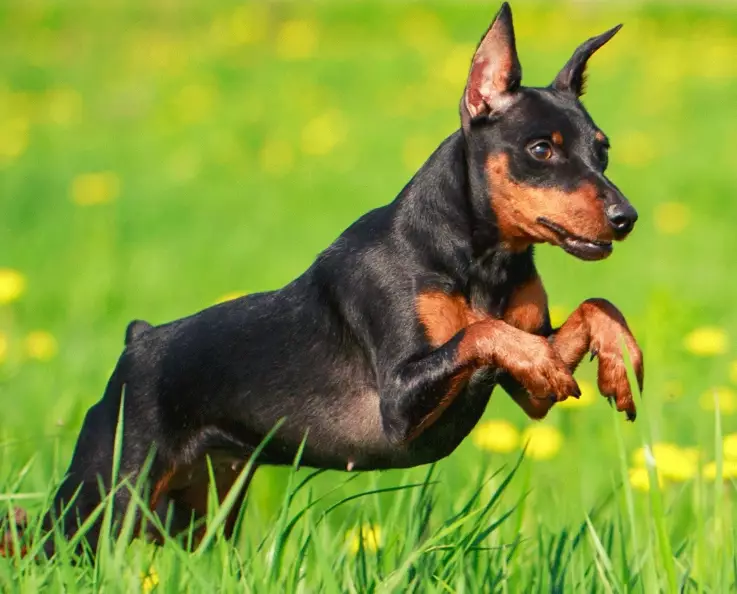
Understanding the Miniature Pinscher size is the first step to a harmonious life with one. It's not just about buying a smaller bed or carrier. It's about internalizing that this small package contains a high-energy, intelligent, and surprisingly sturdy dog with specific vulnerabilities. Their size makes them portable and apartment-friendly but also demands that you be proactive about their exercise, their diet, their dental health, and their safety.
They are not a fragile ornament. They are a robust, spirited companion built for action. Respect their physical limits (no high jumps, watch the calories), but never underestimate their capabilities because of their stature. If you can provide the structured activity and mindful care their compact build requires, you'll have a loyal, entertaining, and wonderfully sized friend for years to come.
Just maybe keep them off the back of the couch.
Reader Comments