Quick Navigation
- What Exactly Is a Chi-Pin? Unpacking the Parent Breeds
- Living with a Chi-Pin: The Personality Deep Dive
- The Non-Negotiables: Training and Socialization
- Keeping Your Chi-Pin Healthy: A Long-Term Commitment
- Daily Life: Food, Exercise, and Grooming
- Is a Chi-Pin Right for You? The Honest Checklist
- Finding Your Chi-Pin: Breeder vs. Rescue
- Your Chi-Pin Questions, Answered
- Final Thoughts: It's a Relationship
Let's be real. You probably saw a picture online. Big, expressive eyes in a tiny, sleek body. Maybe it was wearing a little sweater, looking equal parts alert and adorable. That image is what pulls most people into the world of the Miniature Pinscher Chihuahua mix, often called a Chi-Pin. It's a designer dog that combines two of the most spirited small breeds out there.
But here's the thing they don't always show you in those cute Instagram reels. This isn't a cuddly, low-energy lap dog that just wants to snooze all day. Far from it. Owning a Chi-Pin is more like having a tiny, furry CEO with a Napoleon complex and a heart of gold. It's a commitment, and a big one for such a small package.
I've talked to owners, breeders (the responsible ones), and trainers. I've heard the hilarious stories and the frustrated sighs. This guide isn't about selling you on the breed. It's about giving you the unvarnished truth, the good, the challenging, and the downright messy, so you can decide if your home is the right fit for this unique little character.
What's in a name? You might also hear them called a Pinhuahua, Min Chi, or Chihuahua Pinscher mix. It's all the same crossbreed—one part Miniature Pinscher, one part Chihuahua.
What Exactly Is a Chi-Pin? Unpacking the Parent Breeds
To understand the mix, you gotta know the ingredients. This isn't a breed with a centuries-old history; it's a modern blend, and its traits are a direct lottery draw from its parents.
The Miniature Pinscher, or "Min Pin," is often mistaken for a tiny Doberman. But they're a much older, distinct breed. They're German, fearless, and incredibly energetic. Think of a terrier's attitude in a graceful, athletic body. They're known for their high-stepping "hackney" gait, like a little horse.
The Chihuahua is the smallest dog breed in the world, hailing from Mexico. They're famously loyal to one person, can be suspicious of strangers, and pack a big personality into a two-pound frame. They come in smooth-coat and long-coat varieties, which influences the coat of the mix.
So, when you mix them? You get a dog that might have the Min Pin's athletic build and the Chihuahua's apple-dome head. Or vice versa. It's a surprise every time.
Physical Traits: A Box of Chocolates
Predicting the exact look of a Miniature Pinscher Chihuahua mix is tough. But here's the general range you can expect.
| Trait | Description | Notes |
|---|---|---|
| Size & Weight | Small to tiny. Typically 8 to 12 inches tall at the shoulder. | This is a true small dog. They can be delicate. |
| Weight Range | Usually between 5 to 12 pounds. | A 12-pound Chi-Pin will feel stocky; a 5-pounder is extremely fragile. |
| Coat Type | Short, smooth, and dense is most common. Can be medium length if the Chihuahua parent was long-haired. | Low to moderate shedding. Easy to groom but offers little insulation. |
| Coat Colors | Black & tan, chocolate & tan, red, fawn, blue & tan. Often has the Min Pin's classic markings. | Solid colors are also possible, especially from the Chihuahua side. |
| Eyes & Ears | Large, round, expressive eyes. Ears can be erect like the Min Pin, large and floppy like a Chihuahua, or somewhere in between (rose ears). | Those eyes are prone to injury and weeping. Keep them clean. |
| Tail | Often carried high and curved, sometimes over the back. Can be natural or docked (depending on breeder practices and location). | Docking is becoming less common and is banned in many countries. |
My friend's Chi-Pin, Gizmo, is a perfect example of the crapshoot. He got the long legs and sleek body of a Min Pin, but the huge, bat-like ears of a Chihuahua. He looks perpetually surprised, which is honestly fitting for his personality.
Living with a Chi-Pin: The Personality Deep Dive
This is where the rubber meets the road. The looks get you interested, but the personality determines if you'll have a happy home or a daily power struggle.
Let's start with the good stuff, because there's plenty.
The Pros: These dogs are fiercely loyal. Once you're their person, you have a shadow for life. They are incredibly alert and make excellent little watchdogs—they'll hear a leaf drop three blocks away and let you know about it. They're also playful, often retaining a puppy-like zest for life well into their senior years. Many owners describe them as "clownish" and entertaining. They're smart, which makes training possible (but not always easy, more on that later). And due to their size, they're portable and adaptable to apartment living, assuming their exercise needs are met.
Now, the real talk. The challenges of a Miniature Pinscher Chihuahua mix are what lead to so many of them ending up in rescues. People get the cute puppy without being ready for the adult dog's temperament.
The Challenges:
- Stubbornness: You can see the gears turning when you give a command. They often weigh whether your request is worth their time. This isn't a Labrador that lives to please you.
- Barking: This is a huge one. They are vocal. Alert barking at noises, demand barking for play, anxiety barking when left alone. Without training, it can become excessive.
- Small Dog Syndrome: This isn't a real syndrome, but a set of behaviors like snapping, growling, and resource guarding that owners allow because the dog is small and "cute." A Chi-Pin will happily take over your house if you let it.
- Separation Anxiety: That intense loyalty has a dark side. Many Chi-Pins struggle badly with being alone. This can lead to destructive chewing and non-stop barking.
- Wariness of Strangers: They are often one-person dogs. Socialization from a young age is non-negotiable to prevent them from becoming fear-biters.
I won't sugarcoat it. A poorly socialized, under-exercised, and untrained Chi-Pin can be a nervous, yappy, and sometimes snappy handful. But the flip side—a well-raised one—is a confident, funny, and devoted companion unlike any other.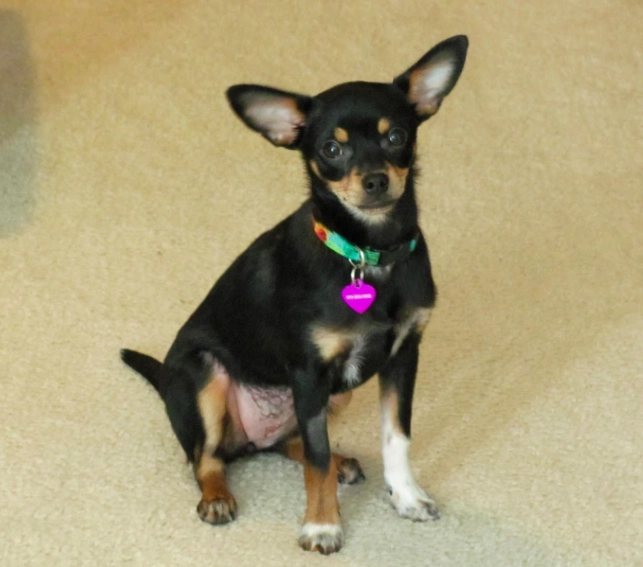
The Non-Negotiables: Training and Socialization
If you take away one thing from this guide, let it be this: You must train this dog. Training a Miniature Pinscher Chihuahua mix isn't optional décor for a good dog; it's the foundation of the house.
Socialization Isn't Just a Dog Park Visit
This means exposing your puppy (after vaccinations) to EVERYTHING in a positive way. Different people (men with hats, children, elderly people with walkers), other calm dogs, sounds (vacuums, traffic, doorbells), and surfaces (grass, tile, grates). The goal is to build a dog that is curious, not fearful, of the world.
Skip this, and you risk creating a dog that is fearful and reactive for its entire 15+ year life. That's not fair to anyone.
Training Philosophy: Be Smarter Than They Are
Forget dominance. These dogs don't care about your "alpha" status. They respond to positive reinforcement—treats, praise, play. Find what motivates your dog (often food) and use it.
Key commands to master early:
- Recall (Come): Life-saving for a small, fast dog that might bolt after a squirrel.
- Leave It: Crucial for preventing them from picking up dangerous things on walks.
- Quiet/Settle: Teaching an "off switch" is a gift to your ears and your sanity.
Keep sessions short (5 minutes), fun, and end on a success. Consistency from every family member is key. If one person lets them on the couch and another doesn't, the dog will just think you're confusing and unreliable.
Keeping Your Chi-Pin Healthy: A Long-Term Commitment
These are generally healthy, long-lived dogs (12-16 years is common), but they are prone to certain conditions from their parent breeds. Being a responsible owner means knowing what to watch for.
Pro Tip: Always choose a breeder who does health testing on the parent dogs (like patella evaluations, cardiac exams, and ophthalmologist evaluations) and provides you with the records. A good breeder wants to talk about health.
Common Health Considerations:
- Luxating Patellas: This is a big one for small breeds. The kneecap slips out of place. Mild cases are managed with weight control and supplements; severe cases need surgery.
- Dental Disease: Tiny mouths mean crowded teeth. You must brush their teeth regularly (yes, really) and get professional veterinary cleanings. Bad teeth lead to heart and kidney disease.
- Tracheal Collapse: That characteristic "goose honk" cough? It could be a weakened windpipe. Use a harness, never a collar, for walks.
- Hypoglycemia: Especially in very small puppies or tiny adults. They can crash their blood sugar if they don't eat regularly. Know the signs: lethargy, weakness, trembling.
- Eye Problems: Progressive Retinal Atrophy (PRA), dry eye, and corneal ulcers (because their big eyes are prone to injury).
- Heart Issues: Mitral valve disease and heart murmurs can occur in older dogs.
A proactive vet is your best partner. Schedule bi-annual check-ups once they're seniors to catch issues early.
Daily Life: Food, Exercise, and Grooming
Feeding Your Miniature Pinscher Chihuahua Mix
They need high-quality, small-breed formulated food. Kibble size matters—it should be small enough for their tiny jaws. Be ruthless about portion control. An extra pound on a 10-pound dog is a 10% weight gain! That's brutal on their joints. Follow the guidelines on the bag, but adjust based on your individual dog's metabolism and activity level.
Avoid free-feeding (leaving food out all day). It makes house-training harder and you can't monitor appetite, which is often the first sign of illness.
Exercise Needs: More Than You Think
Don't be fooled by the size. A Chi-Pin is not a potted plant. They have energy to burn. A good daily routine includes:
- Two short walks (15-20 mins each): For mental stimulation from sniffing as much as physical exercise.
- Active playtime: Fetch in a hallway, flirt pole sessions, puzzle toys.
- Training games: Mental work tires them out just as much as a run.
A tired Chi-Pin is a well-behaved Chi-Pin. A bored Chi-Pin will invent its own fun, and you won't like it (chewed baseboards, obsessive barking).
Grooming: The Easy Part
For the common short-coated variety, a weekly brush with a rubber grooming mitt or soft bristle brush is plenty to remove loose hair. Bathe only when necessary (every 4-6 weeks or if they get dirty) with a gentle dog shampoo to avoid drying out their skin.
The real grooming focus should be on:
- Nails: Trim every 2-3 weeks. If you hear clicking on the floor, they're too long.
- Teeth: Daily brushing is the gold standard. Start young. Use dog toothpaste (human toothpaste is toxic to them).
- Ears: Check weekly for redness or odor. Clean with a vet-recommended solution on a cotton ball, never a Q-tip deep in the ear canal.
My two cents on clothing: It's not just fashion. These dogs have single coats and very little body fat. In cold or wet climates, a sweater or coat is a practical necessity for winter walks. Just make sure it fits well and doesn't chafe.
Is a Chi-Pin Right for You? The Honest Checklist
Don't just fall for the eyes. Ask yourself these questions honestly.
- Can you provide consistent, patient training? Not just for a month, for life.
- Is your home relatively calm? A chaotic, loud household can make a Chi-Pin anxious.
- Do you have the time for daily interactive exercise? Not just a quick potty break in the yard.
- Are there young children in the home? This mix can be fragile and may not tolerate clumsy handling. It's often better for homes with older, respectful kids or adults only.
- Can you afford potential vet bills? Dental surgeries and knee operations are expensive.
- Are you home a lot, or can you make provisions for separation anxiety? Doggy daycare, a walker, or a work-from-home schedule are big pluses.
If you answered "no" to more than one or two, this might not be your ideal dog. And that's okay! It's better to know now.
Finding Your Chi-Pin: Breeder vs. Rescue
This is a major decision with ethical and practical implications.
Going through a breeder: Expect to be interviewed. A good breeder will ask you as many questions as you ask them. They will have the puppy until at least 8 weeks, will have started socialization, will provide health clearances for the parents, and will offer a contract that includes a clause requiring you to return the dog to them if you can't keep it. They are a resource for the dog's entire life. Avoid anyone who has multiple litters available, sells puppies under 8 weeks, or won't let you meet the mother dog.
Adopting from a rescue or shelter: This is a wonderful option. Many Chi-Pins and mixes end up in rescue precisely because people weren't prepared for their needs. You might get an adult dog whose personality is already established, bypassing the puppy chaos. Rescues often do behavioral assessments and can match you with a dog that fits your lifestyle. Check Petfinder.com or search for small dog or specific breed rescues in your area.
Your Chi-Pin Questions, Answered
Let's tackle some of the specific things people search for.
Final Thoughts: It's a Relationship
Bringing a Miniature Pinscher Chihuahua mix into your life isn't a casual purchase. It's starting a 15-year relationship with a creature of immense personality. They will frustrate you, make you laugh until you cry, and steal your heart completely.
They demand respect, engagement, and understanding. In return, they offer a loyalty and companionship that is uniquely intense. They're not for everyone, but for the right person—someone who sees the dog behind the big eyes and is ready for the adventure—a Chi-Pin can be an absolutely perfect, if occasionally noisy, little friend.
Do your homework. Be brutally honest with yourself. And if you decide to take the plunge, commit fully. That tiny dog is counting on you.
Want to learn more about safe plants and foods? Before you bring any dog home, it's wise to know what's toxic to them. The ASPCA Animal Poison Control Center website is an invaluable resource for every pet owner.
Reader Comments