In This Guide
- Untangling the History: Two Different Stories
- Side-by-Side: A Breed Comparison Table
- Personality and Temperament: Beyond the Look
- Care, Health, and Lifestyle: What You're Signing Up For
- What About a "Miniature Pinscher Doberman Mix"?
- Frequently Asked Questions (FAQs)
- Final Verdict: Two Unique Breeds, One Common Confusion
You see a tiny, sleek dog with a confident strut, pointy ears, and a short coat. Then you see a large, powerful, majestic guard dog with a similar silhouette. The question pops into your head instantly: is a Mini Pinscher a Doberman? Or more specifically, is the Mini Pinscher just a miniature version of the Doberman Pinscher? It's one of the most common mix-ups in the dog world, and I get why. The resemblance is uncanny if you squint a bit. But here's the straight answer right off the bat: No, a Miniature Pinscher is not a Doberman, and they are not directly related in the way most people think.
I've been around dogs my whole life, and I still remember the first time someone asked me if my friend's feisty little Min Pin was a "baby Doberman." It made me realize how widespread this misconception is. The truth is far more interesting than a simple size difference. They are two completely separate breeds with distinct histories, purposes, and personalities. Calling a Min Pin a tiny Doberman is like calling a fox a tiny wolf – they might share some visual cues, but that's about it.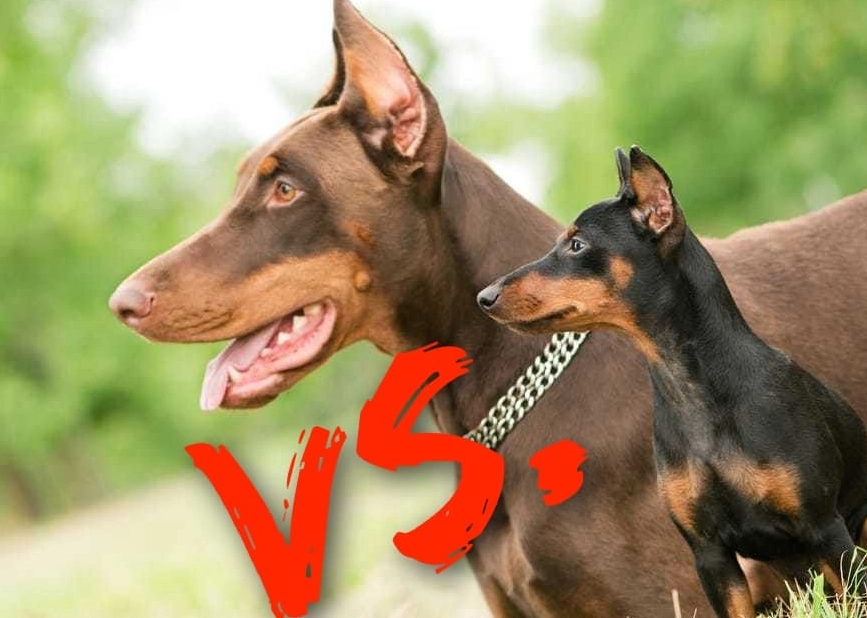
The Core Mix-Up: The confusion stems from the name "Pinscher" (which is German for "terrier" or literally "biter," referring to a type of dog) and the similar sleek, athletic build. However, the Doberman Pinscher was developed much later and is not the ancestor of the Miniature Pinscher.
Untangling the History: Two Different Stories
To really understand why a Mini Pinscher is not a Doberman, you have to go back in time. Their origins tell completely different tales.
The Miniature Pinscher: The Original "King of the Toys"
The Min Pin is the older of the two breeds, with a history tracing back several centuries in Germany. Think 1600s or earlier. They weren't bred down from a larger Pinscher. Instead, their lineage is believed to include German Pinschers (a medium-sized breed), Italian Greyhounds (for that sleek look and speed), and possibly Dachshunds. Their job? They were expert rathunds – barn and home ratters. Their small size let them hunt vermin in tight spaces, and their fearless nature made them effective at it. The American Kennel Club (AKC) officially recognized them in 1929. The AKC breed standard is a great resource to see their official specifications, which are nothing like the Doberman's.
So, they were always meant to be small.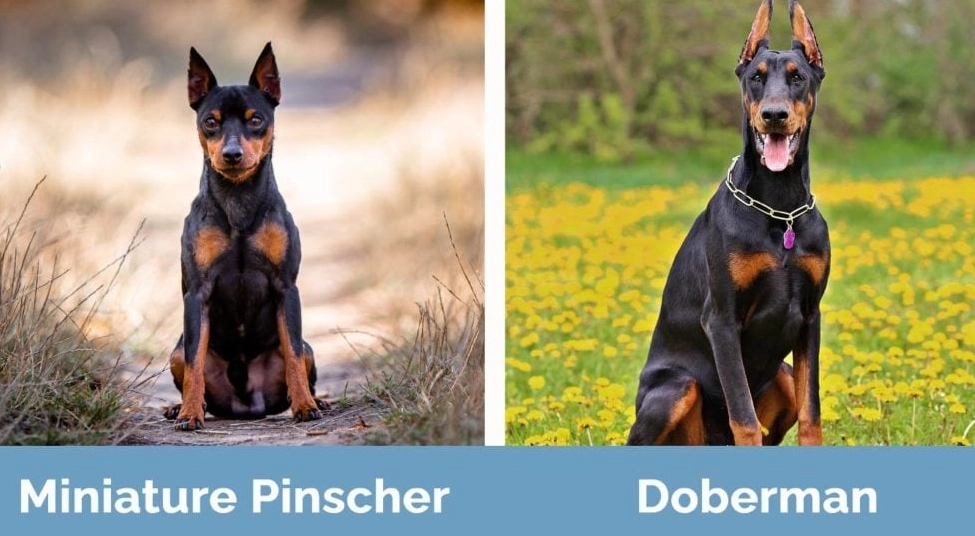
The Doberman Pinscher: The Purpose-Built Guardian
Enter Louis Dobermann, a German tax collector in the late 19th century (around the 1890s). He wanted a fierce, loyal, intelligent dog to accompany him on his rounds for protection. He mixed several breeds to create his ideal companion, including the Rottweiler, German Pinscher, Greyhound, and Weimaraner. The result was the Doberman Pinscher – a large, powerful, and agile working dog bred for protection and guard duties from the get-go.
Key Historical Takeaway: The Doberman was created after the Miniature Pinscher was already an established breed. The Min Pin did not come from the Doberman; they developed independently for vastly different jobs. The shared "Pinscher" name denotes a type of dog, not a direct family tree.
Side-by-Side: A Breed Comparison Table
Sometimes, seeing the facts laid out is the clearest way to understand. Let's break down the fundamental differences between these two often-confused breeds.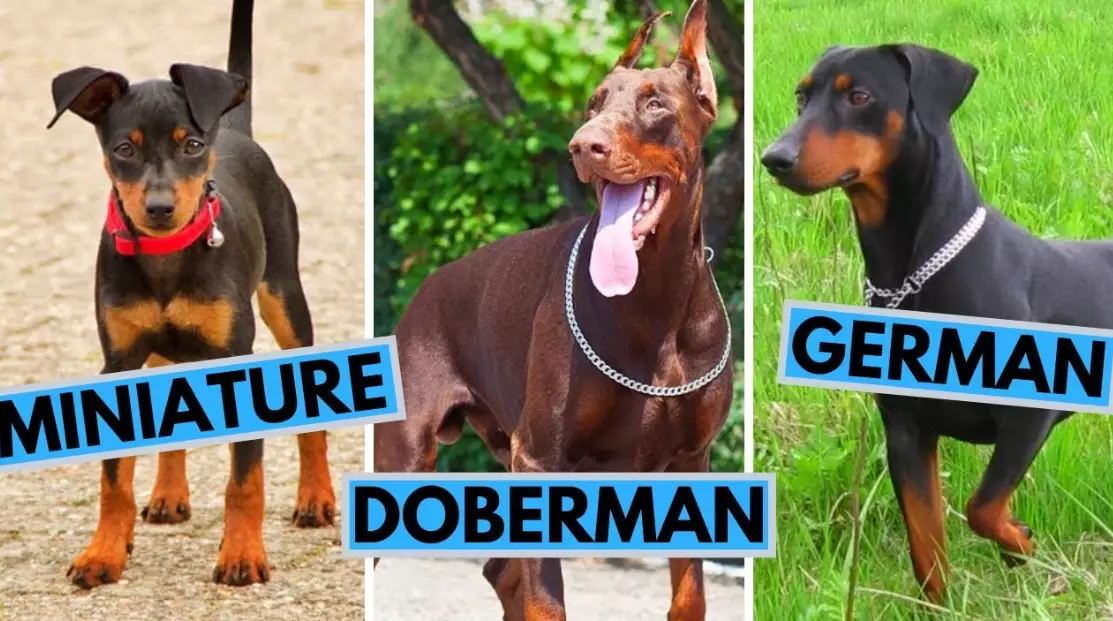
| Feature | Miniature Pinscher | Doberman Pinscher |
|---|---|---|
| Breed Group | Toy Group | Working Group |
| Average Height | 10-12.5 inches (25-32 cm) | 24-28 inches (61-71 cm) |
| Average Weight | 8-10 pounds (4-5 kg) | 60-100 pounds (27-45 kg) |
| Primary Historical Role | Vermin Hunter (Ratter) | Personal Protection & Guard Dog |
| General Temperament | Fearless, Energetic, Spirited, Curious. Often described as a "big dog in a small body." Can be stubborn. | Loyal, Alert, Fearless, Obedient. Highly trainable and forms intense bonds with family. Reserved with strangers. |
| Energy & Exercise Needs | High energy, needs daily play and short walks. Prone to zoomies! | Very high energy, requires sustained, vigorous daily exercise (running, hiking, advanced training). |
| Trainability | Intelligent but independent. Requires patience, consistency, and positive reinforcement. Not for passive owners. | Highly intelligent and eager to please. Excels in obedience, agility, and protection work. Needs a confident leader. |
| Family Suitability | Good with older, respectful children. May not tolerate rough handling. Can be feisty with other dogs. | Excellent with family when properly trained and socialized. Supervise with young children due to size. Natural protector. |
| Lifespan | 12-16 years | 10-13 years |
| Common Health Concerns | Patellar Luxation, Legg-Calvé-Perthes Disease, Eye issues, Obesity. | Dilated Cardiomyopathy (DCM), Von Willebrand's Disease, Hip Dysplasia. Reputable breeding is critical. |
Looking at that table, it becomes pretty obvious, right? The size difference alone is massive. But it's more than just dimensions. A Toy Group breed and a Working Group breed have fundamentally different genetic blueprints for their behavior and needs.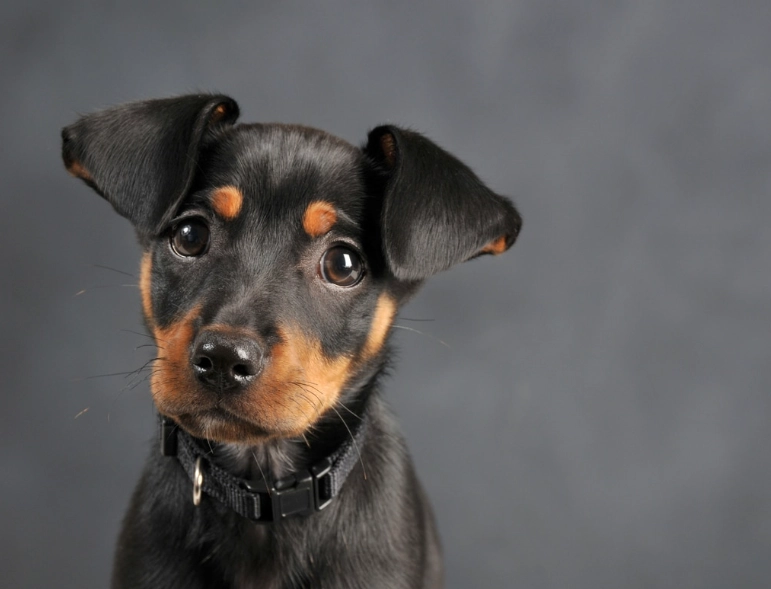
Personality and Temperament: Beyond the Look
This is where the rubber meets the road. If you're considering either breed, understanding their spirit is crucial. Assuming a Mini Pinscher is a Doberman in terms of personality could lead to a very mismatched home.
The Mind of a Miniature Pinscher
Don't let the small package fool you. Min Pins have enormous personalities. They are curious, busy, and supremely confident—often to the point of not recognizing their own small size. They'll confront a dog ten times their weight without a second thought. This fearlessness was great for hunting rats, but in a modern home, it requires careful management.
They form strong bonds with their person but can be aloof or suspicious of strangers. They're hilarious clowns, full of energy and prone to sudden bursts of speed (the infamous "Min Pin zoomies"). Training them can be a test of wills. They're smart enough to learn quickly, but they often ask, "What's in it for me?" Consistency and making training fun are key. I've found they respond terribly to harsh methods; it just shuts them down or makes them defiant.
They're not lazy lapdogs. They're busybody supervisors.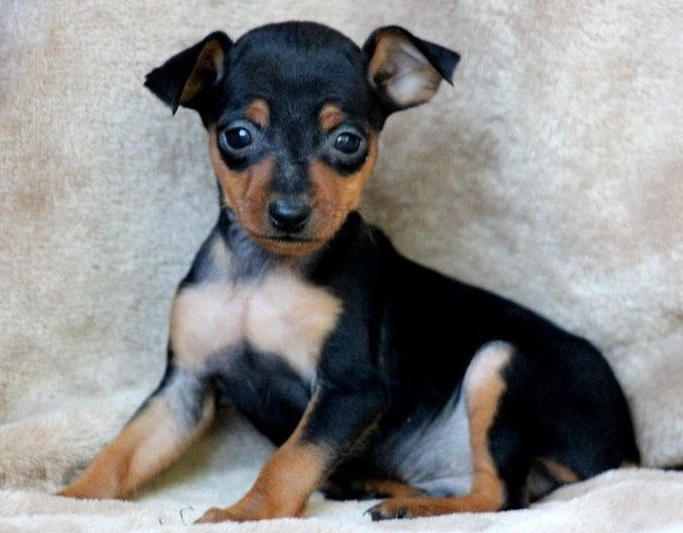
The Heart of a Doberman Pinscher
Dobermans are intense, in the best way. They are profoundly loyal and form an almost symbiotic bond with their family. They are velcro dogs, wanting to be involved in everything you do. Bred for protection, they are naturally alert and watchful, making them excellent watchdogs. With proper training and socialization, this protective instinct is channeled into calm confidence, not aggression.
They are famously trainable. They want to work and please their owner. This intelligence means they need both mental and physical stimulation; a bored Doberman is a destructive Doberman. They are typically gentle and patient with children in their own family, but their sheer size means supervision is always wise. A well-bred, well-raised Doberman is a stable, noble, and loving companion. The problem is, poor breeding or inadequate training can lead to anxiety or aggression—issues you rarely have to worry about with a Min Pin.
Temperament Bottom Line: The Min Pin is an independent, spirited toy dog with terrier-like tenacity. The Doberman is a sensitive, people-oriented working dog that thrives on partnership and purpose. They may share a sleek coat and erect ears, but their inner wiring is worlds apart.
Care, Health, and Lifestyle: What You're Signing Up For
Owning either breed is a commitment, but the nature of that commitment differs hugely. Let's get practical.
Living with a Miniature Pinscher
- Exercise: They need daily activity, but a couple of good walks and some active playtime indoors or in a secure yard are usually sufficient. They're great for apartment living if their energy is managed.
- Training: Start early. Socialization is non-negotiable to curb excessive suspicion. Housetraining can be notoriously tricky with small breeds; patience and a strict schedule are your best friends.
- Grooming: Easy. A weekly brush with a rubber grooming mitt is plenty. Their short coat offers little insulation, so they get cold easily—a sweater in winter is a must.
- Health Watch: They are generally healthy but watch for knee issues (patellar luxation) and dental disease. Keep them at a lean weight; an overweight Min Pin is an unhealthy one.
Living with a Doberman Pinscher
- Exercise: This is a major daily commitment. A walk around the block won't cut it. They need long runs, hikes, fetch sessions, or structured dog sports like agility or obedience. A tired Doberman is a good Doberman.
- Training: Absolutely essential, not optional. You need to establish leadership and provide clear rules. Professional training classes are highly recommended, especially for first-time owners. Early and extensive socialization is critical to ensure they are well-adjusted.
- Grooming: Also easy—similar short coat. But they shed more than a Min Pin.
- Health Watch: This is a serious topic for the breed. Reputable breeding is paramount to avoid devastating genetic diseases like Dilated Cardiomyopathy (a heart condition) and von Willebrand's (a bleeding disorder). You must research breeders extensively and expect to do regular veterinary cardiac screenings. The Doberman Pinscher Club of America provides excellent resources on health testing for prospective owners.
- Space: They do best in a home with space to move. While adaptable, a house with a securely fenced yard is ideal.
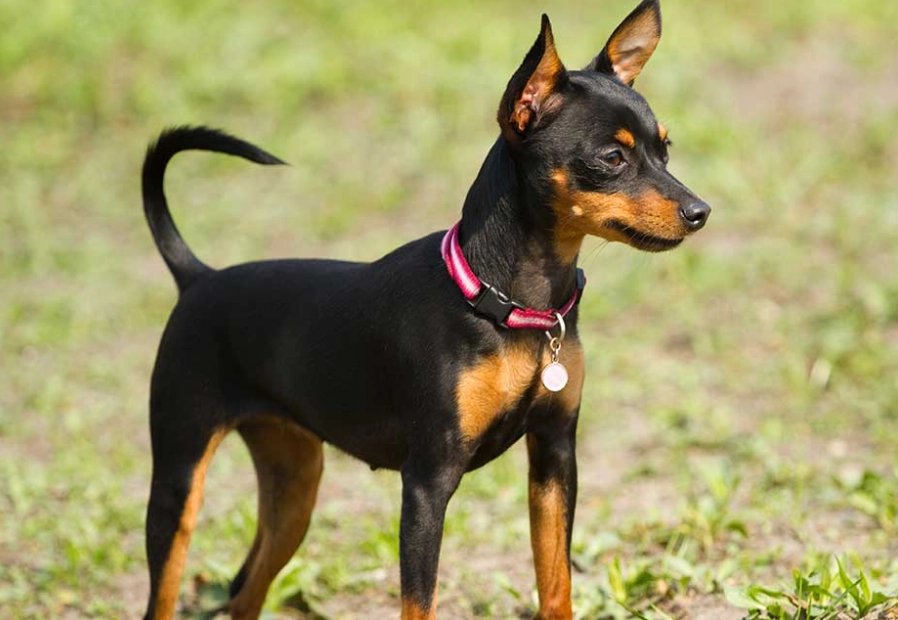
A friend of mine got a Doberman without fully grasping the exercise need. The dog, a sweet boy at heart, started chewing doors and digging craters in the yard out of sheer boredom and pent-up energy. It wasn't the dog's fault; it was a lifestyle mismatch. They had to completely reorganize their daily routine to include a morning run and evening training. It turned things around completely, but it was a hard lesson.
What About a "Miniature Pinscher Doberman Mix"?
Since people ask "is a mini pinscher a doberman," the logical next question is about mixes. You might see ads for "Min Pin Doberman mixes" or "Doberman Min Pin hybrids." What's the deal here?
Given the vast size difference, a natural mating between the two breeds is highly unlikely and would be dangerous for the Min Pin mother. Any such mix would almost certainly be the result of deliberate artificial insemination by a breeder—often a red flag.
These mixes are unpredictable. You could get a dog anywhere from 15 to 70 pounds, with a jumble of traits from both parents. The high energy and potential stubbornness of a Min Pin combined with the strength and protective drive of a Doberman could be a challenging combination for even an experienced owner. There's no breed standard, and health is a gamble.
My personal opinion? Be very, very skeptical of anyone intentionally breeding these two together. It seems more about creating a novelty than improving or preserving healthy, predictable dogs.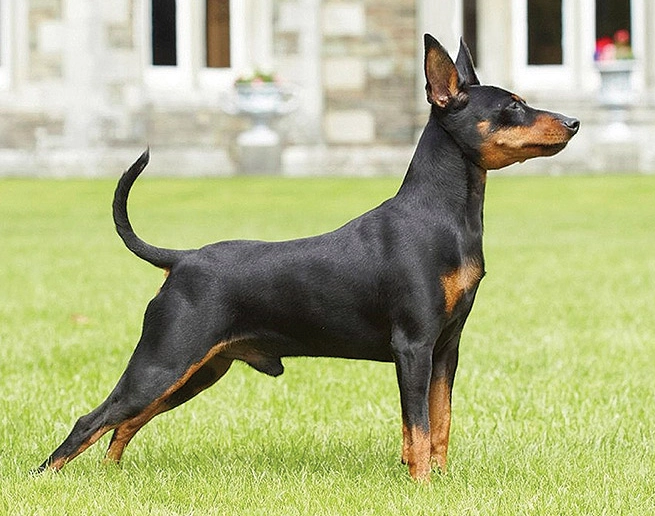
Frequently Asked Questions (FAQs)
Final Verdict: Two Unique Breeds, One Common Confusion
So, let's circle back to the burning question: Is a mini pinscher a doberman? The answer remains a clear, resounding no. They are two magnificent breeds that happen to share a passing visual resemblance and a German surname. The Miniature Pinscher is a centuries-old toy ratter, a bundle of fearless energy in a tiny, elegant package. The Doberman Pinscher is a relatively modern working guardian, a powerful and intelligent partner bred for protection and companionship.
Choosing between them shouldn't be based on looks alone. Ask yourself:
Do you want a big-dog personality in a portable size, ready for adventures on the couch and in the park? The Miniature Pinscher might be your match.
Or do you want a dedicated, athletic partner for an active lifestyle, ready for serious training and offering unwavering loyalty? Then the Doberman Pinscher deserves your consideration.
Whichever you lean towards, do your homework. Meet the breeds in person if you can. Talk to reputable breeders (check the AKC marketplace or national breed club websites) or breed-specific rescue organizations. Understand the long-term commitment. Both breeds reward the right owner with incredible loyalty and personality—just in very different-sized packages.
The Take-Home Message: Appreciate the Miniature Pinscher for the ancient, spirited "King of the Toys" that it is. Respect the Doberman Pinscher for the powerful, sensitive working dog it was bred to be. Don't confuse them. Each one is brilliant in its own right.
Reader Comments