Let's be honest, you've probably seen one. A massive, wolf-like dog with a plume of a tail curled over its back, pulling a sled in a movie or looking majestic in a photo. That's the Alaskan Malamute. But there's a world of difference between admiring one from afar and actually sharing your home with this powerhouse of a breed. I remember visiting a friend who had a Malamute named Nanook. Beautiful dog, absolutely stunning. But I also remember the tumbleweeds of fur rolling across the hardwood floor like something out of a cartoon. And the sheer power when he decided he wanted to go say hi to another dog across the park. My friend, who was not a small guy, became a water-skier on grass for a few thrilling seconds. It was a lesson in what owning this breed really entails. This isn't just another big dog. Bred for strength and endurance to haul heavy freight in the Arctic, the Malamute's needs and personality are wired into its DNA. Getting one because they look cool is a fast track to frustration for you and the dog. This guide is for anyone seriously asking, "Could I live with an Alaskan Malamute?" We're going beyond the fluff (though we'll talk a lot about that fluff) to the real stuff: temperament, daily life, costs, and the hard questions. Think of them as the heavy-duty trucks of the sled dog world. While Siberian Huskies were bred for speed, the Alaskan Malamute was built for pure, raw power. They're one of the oldest Arctic sled dogs, developed by the native Inuit people known as the Mahlemuts (hence the name) in northwestern Alaska. Their job wasn't to race; it was to pull incredibly heavy loads over long distances in brutal conditions. That history shapes everything about them. They're often confused with Siberian Huskies, which is a bit like confusing a bulldozer with a sports car. Let's clear that up. See? Different tools for different jobs. The Malamute is the weightlifter. If you want a dog that hangs on your every word and obeys instantly, look elsewhere. The Alaskan Malamute is famously intelligent, but that intelligence is paired with a strong independent streak. They were bred to make decisions in harsh environments, sometimes without human guidance. This translates to a dog that thinks. They're not being stubborn just to annoy you (though it feels like it sometimes). They're assessing if your command makes sense to them. "Come" is a great command, unless they've found an fascinating smell. Then they might just give you a look that says, "In a minute, I'm busy." But here's the beautiful flip side. With their family, they are profoundly affectionate, loyal, and often downright goofy. They have a great sense of humor. They might "talk" to you with woo-woos and howls, plop their heavy head in your lap, or do a silly "Malamute flop" onto their back for belly rubs. They are usually excellent with children in their own family, being tolerant and protective. However, their size and exuberance mean supervision is crucial—a happy tail whip at toddler height can be a problem. This is where the rubber meets the road. Or rather, where the paw meets your formerly clean floor. A stroll around the block is an insult to an Alaskan Malamute. They need serious, meaningful exertion. Think 1-2 hours of vigorous activity daily. This isn't a suggestion; it's a requirement for their mental and physical health. I can't stress this enough. If you lead a sedentary lifestyle, this breed will make you and your home miserable. They have the energy to match their size. Let's talk about the fur. The Alaskan Malamute has a double coat: a dense, woolly undercoat for insulation and a longer, coarse guard coat that sheds water and dirt. It's a brilliant system for the Arctic. For your living room, it's a commitment. Weekly brushing is the bare minimum to keep things manageable. But twice a year, they "blow" their undercoat. This isn't normal shedding; it's an event. For about 3 weeks, tufts of soft undercoat will come out in handfuls. Daily brushing during this time is a must unless you want to live in a snow globe of dog hair. Good news? They're naturally clean dogs and don't have a "doggy" odor. Bad news? Bathing is a monumental task because getting that dense coat completely wet and then completely dry (to prevent skin issues) can take hours. Most owners do it sparingly. An apartment? Honestly, it's a terrible idea unless you are an ultra-marathoner with a 24/7 dog-walker. An Alaskan Malamute needs space. A securely fenced yard is highly recommended, but the fence needs to be serious. We're talking 6-foot minimum, sunk into the ground because some will dig, and made of solid material. They can climb or jump lesser fences, and their desire to roam or chase can override barriers. Climate is a big factor. They are built for the cold. Hot, humid weather is dangerous for them. If you live in a warm climate, you must provide constant air conditioning, limit outdoor activity to cool mornings/evenings, and always have plenty of fresh water and shade. Their thick coat actually insulates against heat to a degree, but they overheat much faster than shorthaired breeds. The average lifespan for an Alaskan Malamute is 10-14 years. They're generally a robust breed, but like all purebreds, they have predispositions to certain conditions. Responsible breeders test for these. Forget dominance-based training. It doesn't work and will damage your relationship. Positive reinforcement—using treats, praise, and play as rewards—is the only effective method. They respond to respect and fairness. Key Training Priorities: Puppy kindergarten and ongoing obedience classes are worth their weight in gold, not just for the dog, but to teach you how to communicate effectively. Let's make a quick checklist. You might be a good fit if you: You should probably reconsider if you: This is a crucial choice. Reputable Breeder: This is the best path for most people, especially first-time Malamute owners. A good breeder health-tests their dogs, raises puppies in a home environment, socializes them early, and is a lifelong resource. They will interview you as much as you interview them. Expect to be on a waitlist and pay a premium. Avoid anyone who has multiple litters available, sells puppies online easily, or won't let you meet the mother dog. The Alaskan Malamute Club of America (AMCA) has a breeder referral list and is an excellent starting point. Rescue/Adoption: Many Alaskan Malamutes end up in rescue because people underestimated their needs. Adopting can be incredibly rewarding. Rescue groups often assess the dog's temperament in a foster home, so you get a better idea of what you're adopting. They can match you with a dog that fits your lifestyle. Be prepared for potential behavioral issues that may need work. The AMCA also has a rescue network. Owning an Alaskan Malamute is not a casual hobby. It's a lifestyle commitment. It's about embracing the fur, the power, the intelligence, and the sheer joyful presence of a living piece of Arctic history. They are not for everyone, and that's okay. When matched with the right owner—someone active, experienced, patient, and with a good sense of humor—the Alaskan Malamute is an unparalleled companion. They are loyal, loving, funny, and awe-inspiring. But get honest with yourself about your own life before bringing one of these magnificent animals into it. Do the research, meet some in person (and maybe brush one during a coat blow), and talk to owners and breeders. If you can meet their needs, you'll gain a friend of incredible depth and character. If not, there are many other wonderful breeds out there. The goal is a happy dog and a happy you. For the right person, the Alaskan Malamute delivers that in spades, along with a lifetime supply of unforgettable moments and, yes, fur.In This Guide
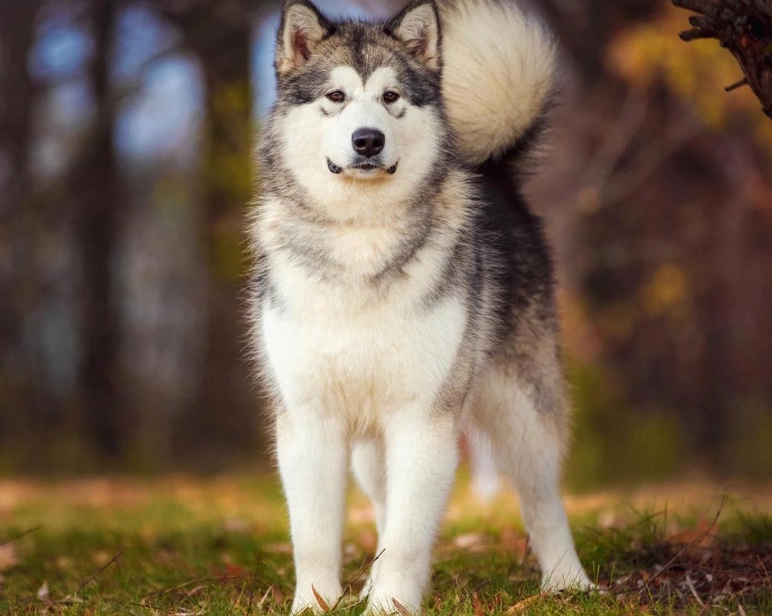
What Exactly Is an Alaskan Malamute?
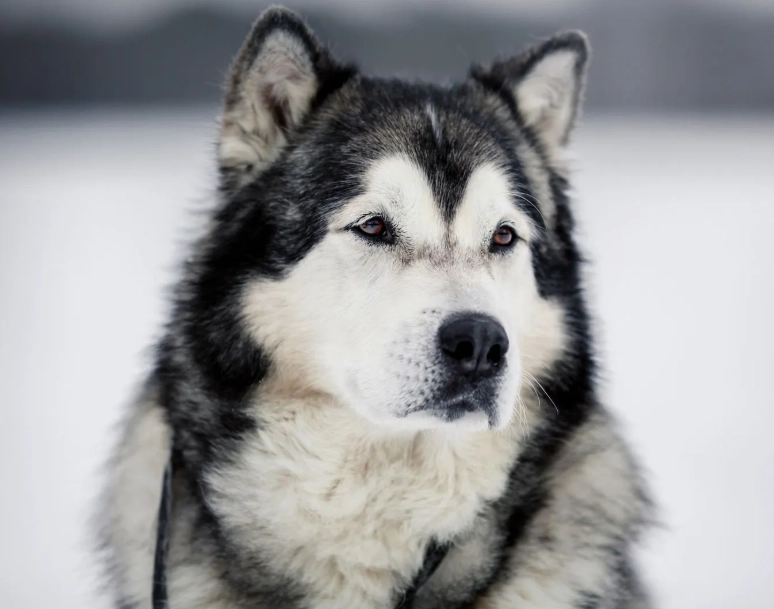
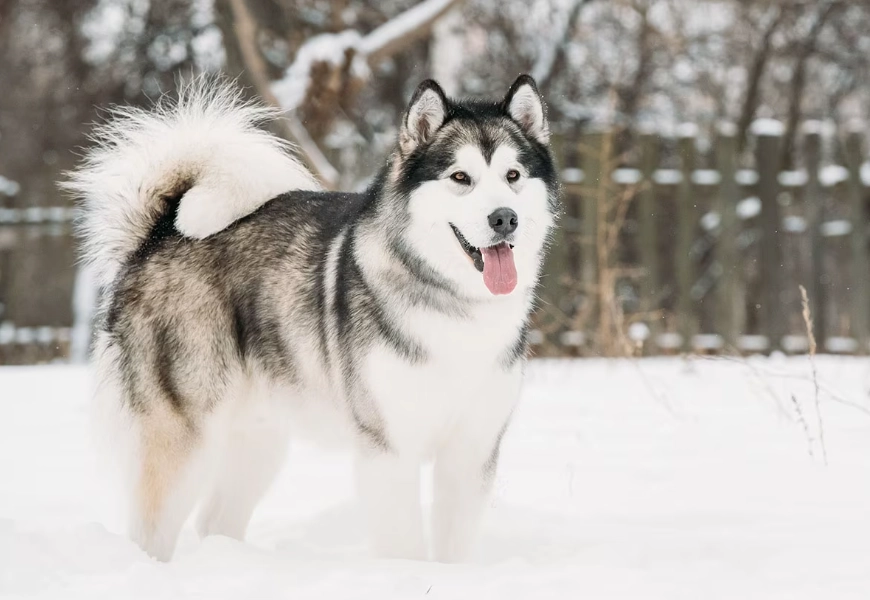
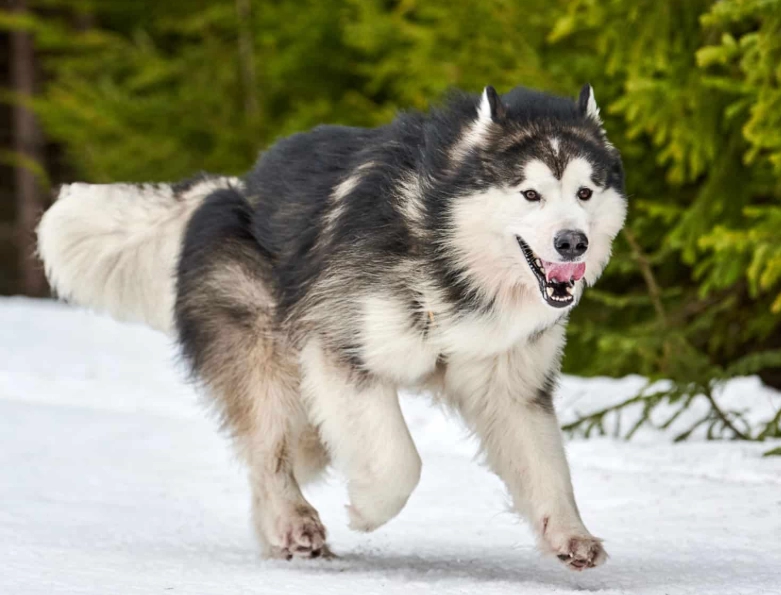
Alaskan Malamute vs. Siberian Husky: Spot the Difference
Trait
Alaskan Malamute
Siberian Husky
Build
Powerful, muscular, substantial bone. Built for strength.
Leaner, more athletic. Built for speed and endurance.
Size
Larger. Males: 85+ lbs, Females: 75+ lbs.
Smaller. Males: 45-60 lbs, Females: 35-50 lbs.
Head
Broad, bulky head. Ears set wider apart.
More fox-like, refined features. Ears set closer.
Eyes
Always brown. Almond-shaped.
Can be blue, brown, or one of each.
Tail
Heavily furred, carried over the back like a waving plume.
Furred, carried in a sickle or trailing.
Purpose
Freight hauling. Pull heavy loads slowly.
Long-distance speed. Pull lighter loads fast.
Coat
Thick, coarse guard coat with dense, oily woolly undercoat.
Dense, softer undercoat with a straight guard coat.
The Alaskan Malamute Personality: Independent Thinker & Family Clown
Living with a Malamute: The Daily Reality
Exercise: Not a Casual Walk
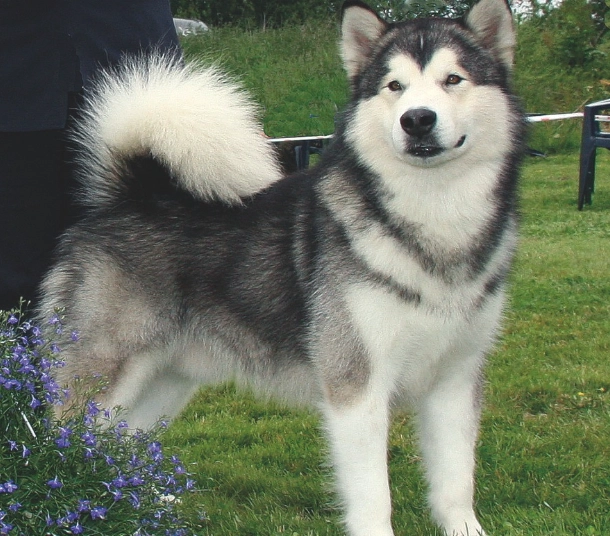
Grooming: The Furpocalypse
Space & Environment
Health & Lifespan: What to Watch For
Training Your Alaskan Malamute: Patience is the Rule
Is an Alaskan Malamute the Right Dog for You?
Finding an Alaskan Malamute: Breeder vs. Rescue
Common Questions About Alaskan Malamutes
The Final Word
So, is the Alaskan Malamute a gentle giant or a demanding handful? The truth is, it's both.
The American Kennel Club (AKC) breed standard describes the Alaskan Malamute's expression as soft, indicating an affectionate disposition. This isn't a guard dog; it's a loyal companion with a deep-seated work ethic. You can read the detailed official standard on the AKC's Alaskan Malamute page.
My friend with Nanook said training required more negotiation than command. It was about making the right choice more rewarding than the wrong one, every single time. Consistency wasn't just helpful; it was the only thing that worked.
Socialization is non-negotiable. Due to their high prey drive (remember, survival in the Arctic), an unsocialized Malamute may see small animals like cats, rabbits, or even small dogs as prey. This instinct is powerful and often cannot be trained out, only managed. They can also be dog-selective or same-sex aggressive, especially as they mature. Early, positive exposure to a variety of people, animals, and situations is critical.
You will have fur everywhere. In your coffee, on your clothes, forming new ecosystems under your furniture. Accept it now.
Always choose a breeder who does full health testing, not just a vet check. They should be happy to show you the OFA certificates for the puppy's parents for hips, elbows, and eyes, and the genetic test results for conditions like Chondrodysplasia.
Are Alaskan Malamutes good with kids?
Generally, yes, with their own family's children. They are patient and protective. However, their large size means they can accidentally knock over small kids, and all interactions should be supervised. They are not naturally "nanny" dogs.
Can I let my Malamute off-leash?
In a vast majority of cases, no. Their prey drive and independent nature make recall unreliable in unsecured areas. The risk of them chasing something and getting lost or hurt is too high. Always use a leash or be in a fully fenced area.
How much do they eat?
A lot. A high-quality large-breed dog food can run 4-6 cups per day for an adult, depending on activity level. This is a significant ongoing cost. Bloat risk means splitting this into at least two meals.
Do they bark a lot?
Not typically. They are not big barkers. However, they are vocal in other ways—they "woo-woo," howl, and make other comical noises to communicate.
Are they aggressive?
Properly bred and socialized Alaskan Malamutes are not human-aggressive. They are affectionate with people. Dog aggression, particularly same-sex, can be a trait in the breed, and prey drive toward small animals is strong. They are not guard dogs; they are more likely to greet an intruder with a wagging tail.
Comment