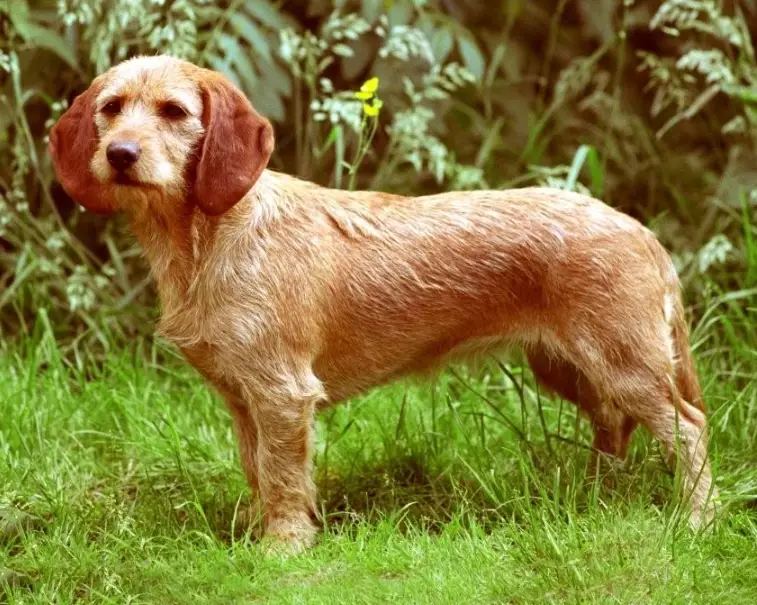
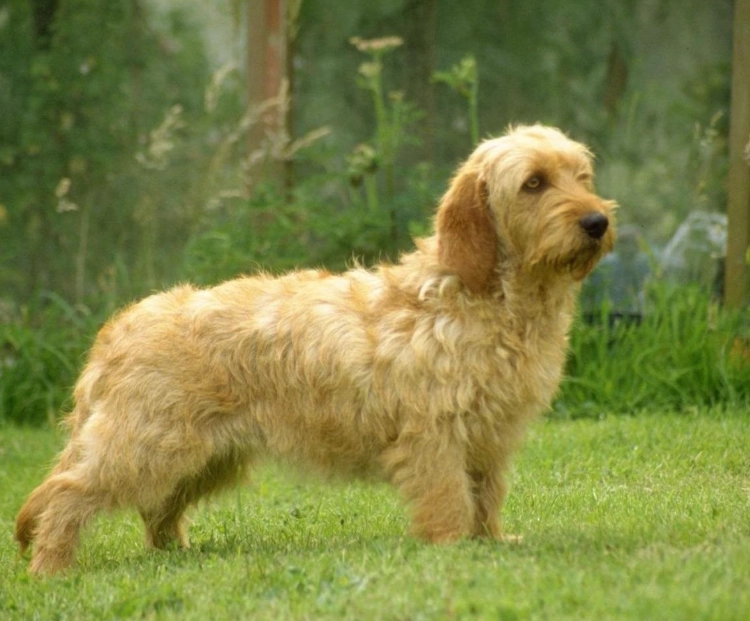
I still remember the first time I saw a Basset Fauve de Bretagne at a dog show. Honestly, I had to do a double take. It looked like someone took a regular hound and gave it the most adorable compact package. That wiry coat, those expressive eyes, and that determined little trot just captured my heart. But here's the thing about the Basset Fauve de Bretagne - they're not just another pretty face. These dogs have personality for days, and if you're considering bringing one into your home, you need to know what you're signing up for. Origin: Brittany, France | Size: Small to medium | Weight: 36-40 pounds | Lifespan: 12-15 years | Temperament: Lively, friendly, determined Let's start with the basics. The Basset Fauve de Bretagne (pronounced bah-SAY fohv duh bret-AN-yuh) is a French scenthound that originated in Brittany. The name literally translates to "fawn-colored basset from Brittany" - though honestly, their coat color ranges from wheat to reddish-gold. These dogs were originally bred for hunting rabbits and other small game in the dense Breton countryside. Their short legs gave them an advantage in thick undergrowth, and their incredible sense of smell made them excellent trackers. What really sets the Basset Fauve de Bretagne apart from other bassets? Well, for starters, they're not as heavy-boned as their more famous cousin, the Basset Hound. They're more athletic, more agile, and frankly, they don't have that droopy, sad look that Basset Hounds are known for. Fun fact: The Basset Fauve de Bretagne nearly went extinct after World War II. Thanks to dedicated breeders, the population recovered, but they remain relatively rare outside of France. When you picture a Basset Fauve de Bretagne, think of a dog that's built low to the ground but surprisingly sturdy. They typically stand about 12-15 inches at the shoulder and weigh between 36-40 pounds when fully grown. The coat is probably the most distinctive feature of the Basset Fauve de Bretagne. It's wiry, dense, and surprisingly low-shedding. I've heard from owners who say they're a great option for people with mild allergies, though of course, no dog is truly hypoallergenic. Color-wise, you're looking at shades ranging from light wheat to a rich reddish-fawn. Some dogs might have a small white spot on the chest, but extensive white markings aren't typical for the breed. Here's where the Basset Fauve de Bretagne really shines for busy families. That wiry coat doesn't require extensive grooming. A good brushing once a week and hand-stripping a few times a year (to remove dead hair) is usually sufficient. But wait - what's hand-stripping? Don't worry, it sounds more complicated than it is. Essentially, it's a technique where you pluck out the dead hairs rather than clipping them. Many owners learn to do it themselves, or you can find a groomer familiar with wire-haired breeds. I'll be honest - the first time I heard about hand-stripping, I thought it sounded painful for the dog. But the breeders I've spoken with assure me it doesn't hurt them when done correctly, and it actually helps maintain the proper texture of their coat. If you're looking for a couch potato, the Basset Fauve de Bretagne might not be your best bet. These dogs are energetic, curious, and have a strong hunting instinct. But they're also incredibly affectionate and bond closely with their families. I've spoken with several owners who describe their Basset Fauve de Bretagne as "big dogs in small packages." They have confidence and presence that belies their size. This is where the Basset Fauve de Bretagne really excels. They're generally great with children - patient and playful without being overly boisterous. Their sturdy build means they can handle the occasional enthusiastic hug from a toddler. With other pets? It depends. Their hunting instincts mean they might see small animals like rabbits or cats as prey. Early socialization is key. Many Basset Fauve de Bretagne live happily with other dogs, especially if raised together. One owner told me, "Our Basset Fauve de Bretagne thinks he's the family's social director. He has to be involved in everything we do, from cooking dinner to watching TV." Let's talk about the elephant in the room - hounds can be stubborn. The Basset Fauve de Bretagne is no exception. They're intelligent dogs, but they have their own ideas about what's worth doing. I've found that food motivation works wonders with this breed. They'll do just about anything for a tasty treat. But you have to make training sessions short, fun, and varied. If they get bored, they'll simply wander off. This is probably the most important thing to know about training a Basset Fauve de Bretagne. Their nose is their GPS, and when they catch an interesting scent, everything else disappears. This means recall training is absolutely essential. Many owners I know use long-line leashes in open areas until they're completely confident in their dog's recall. It's not that they're disobedient - it's that their instincts are incredibly strong. Training tip: Start recall training in low-distraction environments and gradually build up. Always make coming back to you the most rewarding option with high-value treats and enthusiastic praise. Despite their short legs, Basset Fauve de Bretagne are surprisingly active dogs. They need daily exercise to stay happy and healthy. We're talking about 30-60 minutes of activity per day, which can be broken into walks, play sessions, or scent games. What I love about this breed is their adaptability. They're happy with a good walk around the neighborhood, but they also thrive when they have opportunities to use their noses. Hide-and-seek games in the yard or scent work activities can be just as tiring as a long walk. One owner shared, "Our Basset Fauve de Bretagne is perfectly content with two 20-minute walks and a good sniff around the garden. On weekends, we take him to a secure field where he can follow scients to his heart's content." Overall, the Basset Fauve de Bretagne is considered a healthy breed with a lifespan of 12-15 years. Like all purebred dogs, they can be prone to certain health conditions, but responsible breeding has minimized many issues. One advantage of the Basset Fauve de Bretagne over some other basset breeds is that they're less prone to back problems. Their structure is more balanced, with better angulation than the extreme dwarfism seen in some breeds. That said, potential owners should be aware of a few conditions: • Eye issues (like primary lens luxation) Regular vet check-ups and maintaining a healthy weight are crucial. Their love of food means obesity can be a concern if you're not careful with portions. Health tip: When choosing a Basset Fauve de Bretagne puppy, ask breeders about health testing. Reputable breeders will have tested the parents for common hereditary conditions. That wiry coat might look high-maintenance, but it's actually quite practical. It's dirt-resistant and doesn't mat easily. The basic grooming routine for a Basset Fauve de Bretagne is pretty straightforward. Weekly brushing with a slicker brush helps remove loose hair and prevent tangles. You'll also need to pay attention to their ears - those lovely floppy ears can trap moisture, so regular cleaning is important to prevent infections. Nail trimming is another essential task. Their nails grow quickly, and if you can hear them clicking on the floor, they're too long. I mentioned hand-stripping earlier, and it's worth discussing in more detail. This technique involves plucking out dead hairs from the root rather than cutting them. It helps maintain the texture and weather-resistant qualities of the coat. Some owners choose to clip their Basset Fauve de Bretagne instead, but this can make the coat softer and less protective over time. It's a personal choice, but if you're showing your dog, hand-stripping is usually required. This is the million-dollar question. After all this information, where does the Basset Fauve de Bretagne fit in the grand scheme of dog ownership? I think this breed is ideal for active families who want a medium-energy dog that's good with children. They're suitable for various living situations - from apartments to houses with yards - as long as they get adequate exercise. But they're probably not the best choice for first-time dog owners who want a perfectly obedient dog. That hound independence can be challenging if you're not prepared for it. What surprised me most about the Basset Fauve de Bretagne owners I've met is how passionate they are about the breed. They all say the same thing: once you've lived with one, no other dog quite compares. Since the Basset Fauve de Bretagne is relatively rare, finding a reputable breeder requires some effort. You'll want to look for breeders who health-test their dogs, raise puppies in home environments, and are knowledgeable about the breed. The American Kennel Club and The Kennel Club (UK) are good starting points for breeder referrals. Breed-specific clubs, like the Basset Fauve de Bretagne Club in your country, can also provide recommendations. Be prepared to be put on a waiting list. Good breeders don't always have puppies available, and they'll likely interview you to ensure their puppies are going to suitable homes. Surprisingly, yes. Their size makes them suitable for apartment living, provided they get adequate exercise. They're generally quiet indoors, though they can be vocal when excited or on the trail of a scent. Like most dogs, Basset Fauve de Bretagne prefer company. They can develop separation anxiety if left alone for long periods regularly. If you work full-time away from home, you'll need to make arrangements for their care and companionship. "Easy" might be stretching it. They're intelligent but can be stubborn. Consistency and positive reinforcement work best. House training is usually straightforward, but advanced obedience requires patience. They have a typical hound voice - deep and carrying. They might bark to alert you to visitors or when they're on a scent trail. Proper training can manage excessive barking. The Basset Fauve de Bretagne is truly a special breed. They combine the determination of a hound with a wonderfully affectionate nature. That wiry coat, those expressive eyes, and their cheerful disposition make them hard to resist. But they're not for everyone. That strong hunting instinct and independent streak require an owner who understands and appreciates hound characteristics. If you're willing to work with their nature rather than against it, you'll be rewarded with a loyal, entertaining companion. I've come to appreciate that the Basset Fauve de Bretagne is more than just a pretty face. They're dogs with history, character, and a whole lot of personality packed into that compact frame. Whether you're an experienced hound person or someone looking for a unique family dog, this breed deserves consideration. Just be prepared for one thing - once you get to know the Basset Fauve de Bretagne, you might find yourself completely smitten.Quick Navigation
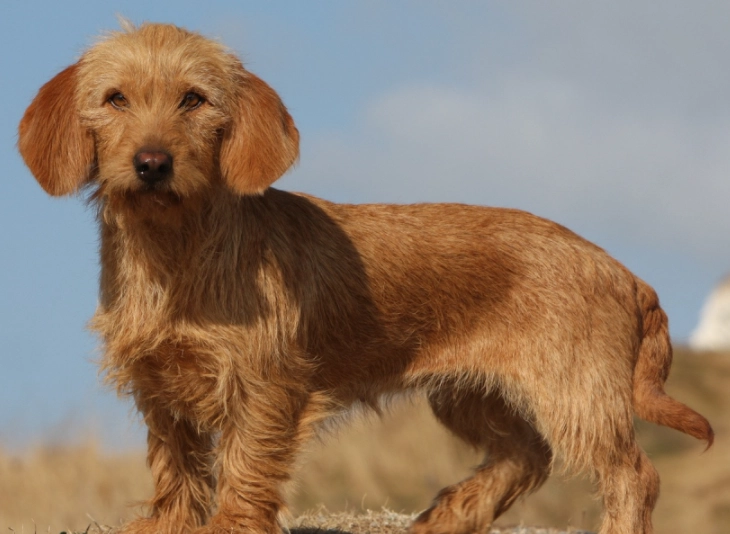
Quick Facts at a Glance
What Exactly is a Basset Fauve de Bretagne?
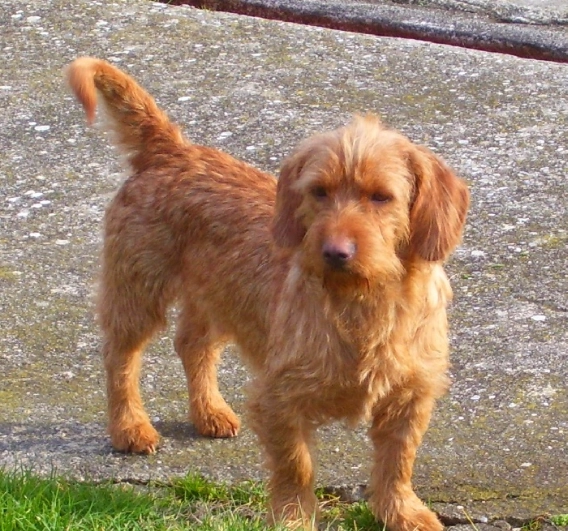
Physical Characteristics: What to Expect
Coat and Colors
Maintenance Requirements
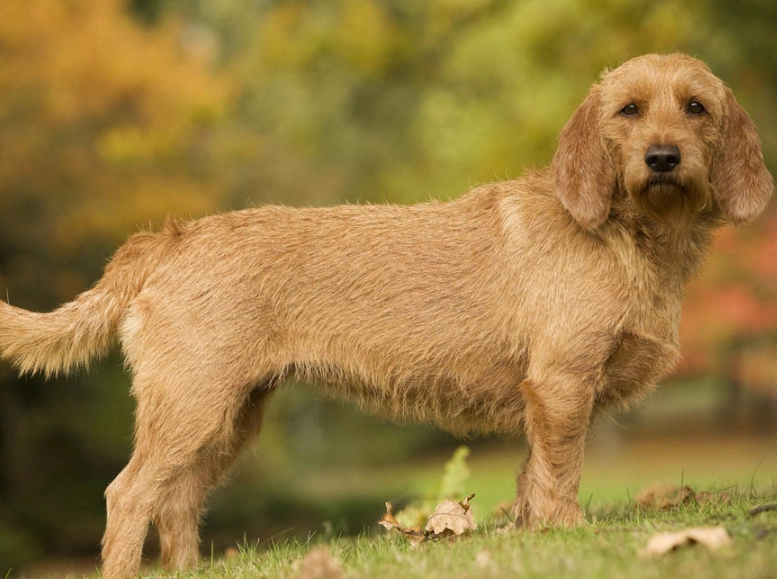
Temperament and Personality: What's Living With One Really Like?
Family Compatibility
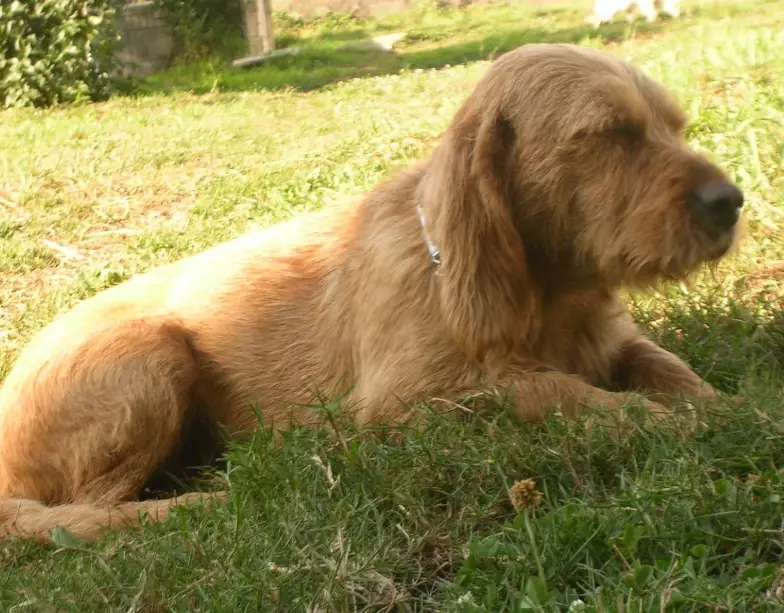
Pros
Cons
Low-shedding coat
Strong hunting instinct
Generally healthy breed
Can be stubborn in training
Good with children
Needs regular exercise
Compact size suitable for various homes
May follow scent and ignore recall
Friendly and sociable nature
Can be vocal (typical hound trait)
Training Your Basset Fauve de Bretagne: Tips and Challenges
Recall Training: The Big Challenge
Exercise Needs: How Much is Enough?
Health Considerations for Basset Fauve de Bretagne
Common Health Issues
• Ear infections (common in floppy-eared breeds)
• Hip dysplasia (though less common than in larger breeds)Grooming and Care: Beyond the Basics
The Hand-Stripping Question
Is a Basset Fauve de Bretagne Right for You?
Finding a Responsible Breeder
Common Questions About Basset Fauve de Bretagne
Are Basset Fauve de Bretagne good apartment dogs?
How do they handle being alone?
Are they easy to train?
Do they bark a lot?
Final Thoughts
Basset Fauve de Bretagne: Complete Breed Guide for Potential Owners
Comment