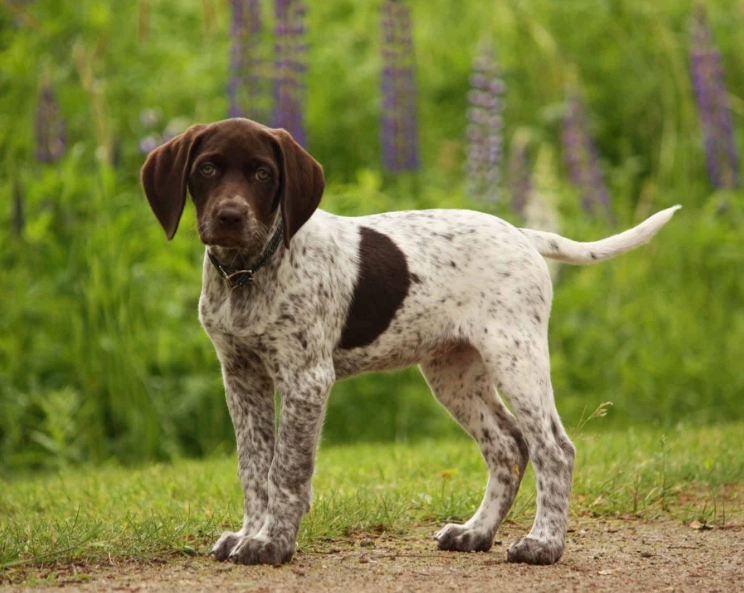
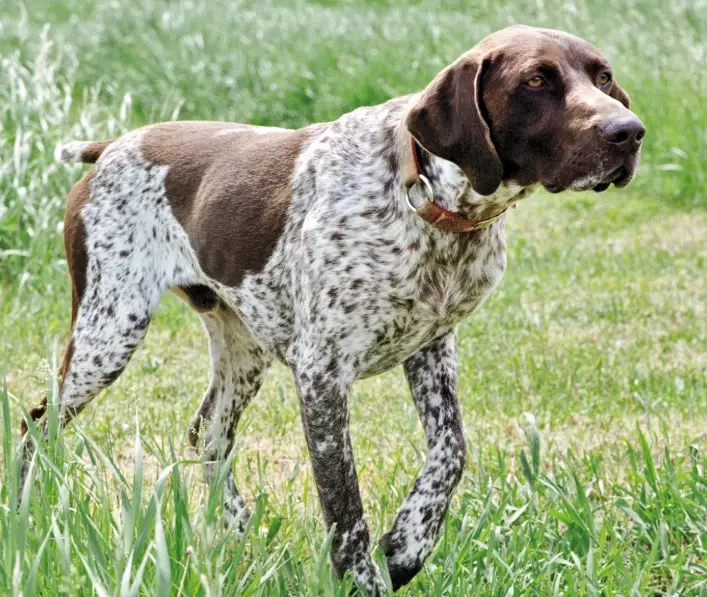
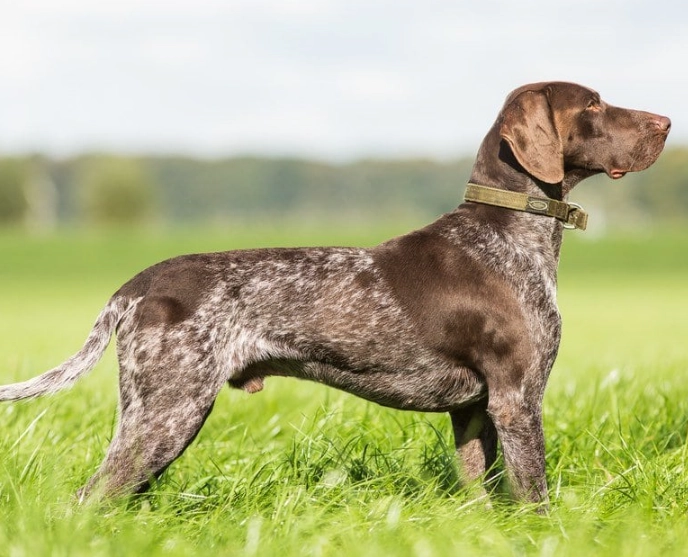
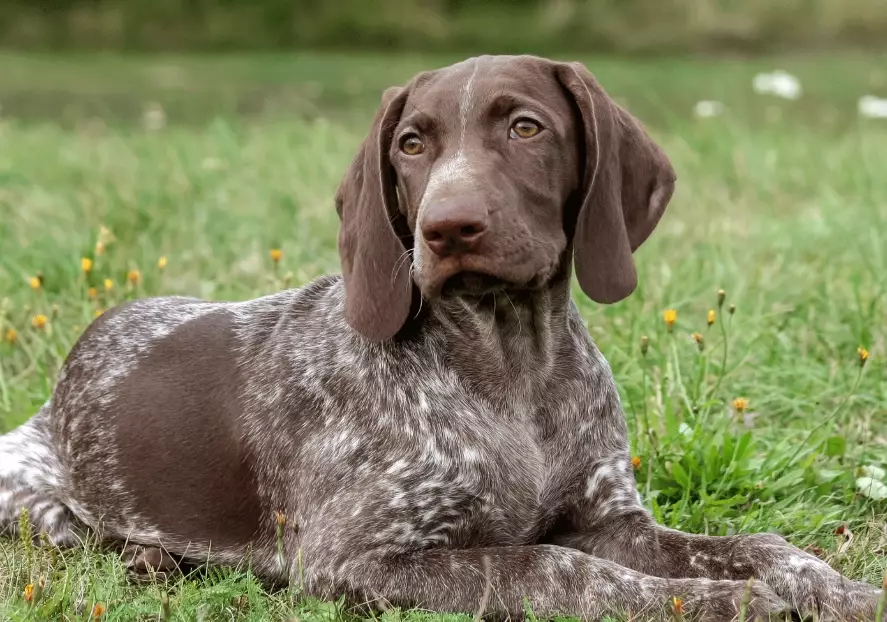
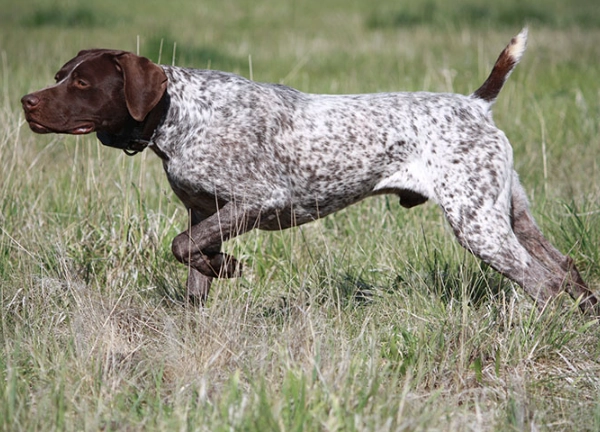
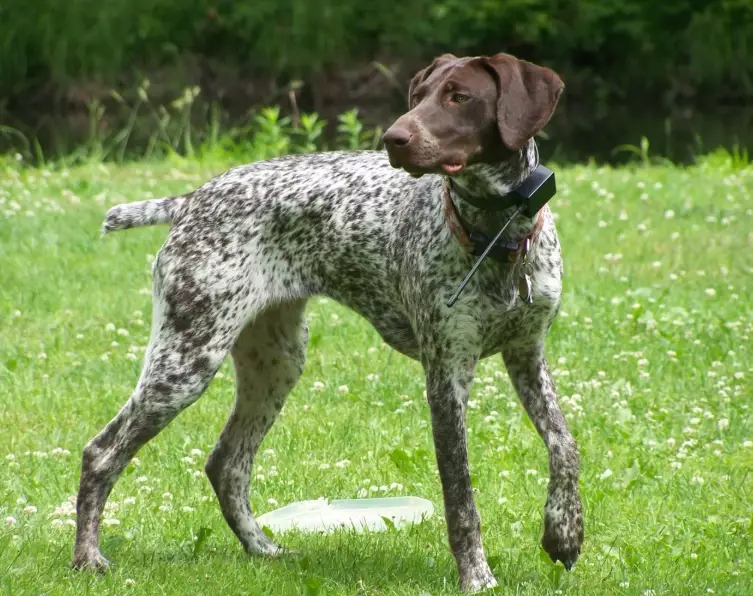
Let's talk about the German Shorthaired Pointer, or GSP as everyone in the know calls them. You've probably seen one – that sleek, athletic dog with a coat that looks like someone spilled coffee and cream on a canvas, eyes full of intelligent mischief. Maybe you're thinking about bringing one home, or you just got one and are wondering what you've signed up for. I've been around this breed for a good while, and let me tell you, they're not your average backyard buddy. They're a package deal of boundless energy, fierce loyalty, and a brain that needs constant engagement. Calling them "high-energy" is like calling the ocean "damp" – it doesn't quite capture the sheer scale. But if you're the right match, there's hardly a more rewarding companion. This isn't just a breed profile. It's a real-talk guide from someone who's seen the glorious highs (a GSP pointing at a butterfly with utter seriousness) and the frustrating lows (chewed shoes, anyone?). We're going to dig into everything: what they're really like to live with, the not-so-glamorous parts nobody talks about, and how to actually make it work. Born and bred in Germany (the name's a bit of a giveaway), the GSP was developed in the 19th century to be the ultimate hunter's right-hand dog. They wanted a single dog that could do it all: point game birds, retrieve from land and water, track furred game. No specialization, just pure, unadulterated versatility. That legacy is stamped into every cell of a modern German Shorthaired Pointer. The official breed standard from the American Kennel Club (AKC) describes them as "an enthusiastic, medium-to-large sized gundog." That's the polite version. The reality is a powerful, balanced athlete, built for endurance and speed. That distinctive coat – solid liver or a combination of liver and white in ticked, patched, or roan patterns – is short, dense, and tough, designed to protect them from brambles and cold water. If you want a couch ornament, stop reading now. Seriously. The classic German Shorthaired Pointer temperament is a beautiful, exhausting whirlwind. Their greatest strength is their boundless energy and drive. This is a dog bred to work all day. That translates to an adult dog that needs a serious job, or at the very least, a serious outlet. A walk around the block? That's an insult. They need to run, swim, explore, and think. This is the single most important thing to understand about the breed. They are profoundly people-oriented. This isn't an aloof, independent dog. A German Shorthaired Pointer forms a deep, intense bond with its family. They want to be involved in everything – cooking, gardening, watching TV. This loyalty makes them wonderful, attentive companions but also primes them for separation anxiety if left alone too much or not properly trained for it. They can be velcro dogs in the truest sense. Intelligence is a double-edged sword. GSPs are whip-smart and highly trainable. They pick up commands quickly. The flip side? They get bored even quicker. If you're not more interesting than the squirrel outside or the interesting smell under the couch, they'll invent their own fun. And you probably won't like their ideas. With families, they are typically excellent. They are usually patient and playful with children, though their size and exuberance can accidentally bowl over a toddler. Early socialization is non-negotiable. With other dogs, they often do well, especially if raised together. The prey drive, however, is strong. Cats, rabbits, hamsters... they might be seen as "fun to chase" if not introduced with extreme care and management from puppyhood. So, what's it actually like day-to-day? Let's break it down, room by room, challenge by challenge. Forget the standard recommendation. An adult German Shorthaired Pointer needs at least 90 minutes to 2 hours of vigorous exercise daily. And I don't mean a leisurely stroll. Can a German Shorthaired Pointer live in an apartment? It's a tough ask, but not impossible if and only if the owner is a dedicated athlete themselves. It requires relentless commitment to getting the dog out to parks, trails, and water. A house with a yard is easier, but remember, a yard is not an exercise plan. A bored GSP will just find new ways to destroy your yard. Start training the day you bring your puppy home. Their intelligence means they learn fast, but their independent streak means they'll test you. Use positive reinforcement – treats, praise, play. Harsh methods will backfire spectacularly with this sensitive breed. Key training priorities: Here's a break. The German Shorthaired Pointer's grooming needs are refreshingly low-maintenance. That short coat sheds, yes, but it's manageable with regular brushing (once or twice a week with a rubber grooming mitt or bristle brush). It helps distribute skin oils and catches loose hair. They only need baths when they get dirty (which, let's face it, will be often). Check ears weekly for moisture and debris to prevent infections, especially if they swim. Trim nails regularly. Dental hygiene is important for all dogs, so get them used to tooth brushing. Generally a robust breed, but like all purebreds, they have some predispositions. Responsible breeders test for these. The German Shorthaired Pointer Club of America (GSPCA) maintains a list of recommended health screenings. With good care, a German Shorthaired Pointer's lifespan is typically 12 to 14 years. I've known some sprightly ones pushing 15, their energy only slightly dimmed. How does the German Shorthaired Pointer stack up against other popular pointer or high-energy breeds? It's a common question. This is a major crossroads. Do you go for a puppy from a breeder or give an adult dog a second chance? This is critical. A good breeder's goal is to improve the breed, not just sell puppies. They will: Be wary of anyone who has multiple litters always available, sells puppies online with no questions asked, or can't provide verifiable health testing. The GSPCA Breeder Referral is an excellent place to start. There are many German Shorthaired Pointers and GSP mixes in rescue. These are often wonderful dogs whose first owners simply underestimated their needs. Organizations like GSPCA Rescue or regional GSP rescues work tirelessly to rehome them. The advantage? You often get an adult dog whose personality and energy level are already known. The rescue will work to match you with the right dog. The downside? Some may come with behavioral baggage (like separation anxiety or poor manners) that need patient work. It's incredibly rewarding, but go in with your eyes open. It's a steep learning curve. They are not impossible for a dedicated, active, and patient first-timer who does their homework and perhaps enlists the help of a trainer. But honestly, they are easier for someone with some dog experience under their belt. A less demanding breed might lead to more success and less stress for a true novice. They aren't nuisance barkers, but they are vocal. They might "talk" with grumbles and whines to express excitement or impatience. They will bark to alert you to something unusual. Proper exercise and mental stimulation keep excessive vocalization in check. A bored GSP is a noisy GSP. Generally, no to both! The short coat doesn't hold odor like some breeds, and they are not known as heavy droolers. You might get some slobber after a drink of water or during an intense fetch session, but it's not a constant feature. This is tricky. An adult, well-exercised, and properly crate-trained GSP can handle a standard 8-hour workday, but it's not ideal long-term. It pushes the limits of their social nature. If you must, it's non-negotiable to provide a long, hard workout before you leave, and another immediately when you return. Hiring a dog walker for a midday break is a fantastic investment for their sanity and your furniture's safety. They need a high-quality diet formulated for active, medium-to-large breed dogs. The amount will vary wildly based on age and activity level. My friend's field trial GSP eats nearly twice what my relatively sedentary (for a GSP) companion does. Consult your vet. Because of the bloat risk, many owners feed two or three smaller meals a day rather than one large one. Let's wrap this up with some blunt truth. The German Shorthaired Pointer is the perfect dog for: The active outdoor enthusiast (runner, hiker, swimmer, hunter). The person or family who views a dog as a true partner in adventure. Someone with the time, patience, and consistency for training and mental stimulation. A home with a securely fenced yard (6-foot fence, they can jump) and a willingness to include the dog in daily life. You should probably look at another breed if: You are largely sedentary or have a low-energy lifestyle. You work very long hours away from home regularly. You want a low-maintenance, "easy" pet. You are upset by dog hair on your clothes or a little mud on the floor. You aren't prepared for a 10+ year commitment of intense daily activity. Owning a German Shorthaired Pointer is a lifestyle choice. It's committing to miles of trails, games of fetch until your arm aches, and a shadow that follows you from room to room. It's messy, demanding, and sometimes frustrating. But it's also coming home to unbridled, wiggling joy. It's having a loyal companion on every adventure. It's witnessing sheer athletic grace and goofy, clownish affection all in one package. If your life has room for that kind of vibrant, demanding energy, then a German Shorthaired Pointer might just be the best decision you ever make. Do your research, be brutally honest with yourself, and if you take the plunge, commit fully. They deserve nothing less.What You’ll Find
What Exactly Is a German Shorthaired Pointer?
The GSP Temperament: Loyalty Wrapped in Lightning
Living with a German Shorthaired Pointer: The Daily Reality
Exercise Needs: Not for the Faint of Heart
Training Your GSP: Consistency is King
Grooming and Shedding: Easier Than You Think
German Shorthaired Pointer Health: What to Watch For
Health Condition
Description
Prevention/Screening
Hip Dysplasia
A malformation of the hip joint leading to arthritis and pain.
Breeders should have parents screened via OFA or PennHIP X-rays.
Elbow Dysplasia
Similar developmental issue in the elbow joint.
OFA elbow screening.
Genetic Eye Conditions
Including entropion (eyelid rolling in) and progressive retinal atrophy (PRA).
Annual CERF (now OFA Eye) exams by a veterinary ophthalmologist.
Lymphedema
A rare but serious congenital condition causing limb swelling.
No direct test, but reputable breeders avoid lines with a history.
Bloat (GDV)
A life-threatening stomach torsion. A risk for deep-chested breeds.
Feed multiple small meals, avoid vigorous exercise around mealtimes, know the symptoms.
GSP vs. Other Similar Breeds
Finding a German Shorthaired Pointer: Breeder or Rescue?
Choosing a Responsible Breeder
Adopting a GSP
Your German Shorthaired Pointer Questions, Answered
Are German Shorthaired Pointers good for first-time dog owners?
How much do German Shorthaired Pointers bark?
Do they smell or drool a lot?
Can a GSP be left alone during the workday?
What's the best diet for a German Shorthaired Pointer?
The Final Verdict: Who Should (and Shouldn't) Get a GSP
I remember the first time I saw a GSP work in the field. It wasn't just running; it was a calculated, graceful sweep of the land, nose to the wind, every muscle tuned to a single purpose. It was breathtaking. And then it came back, covered in mud, and tried to sit on its owner's lap. That's the GSP dichotomy right there.
Let's be honest. That famous GSP energy is the number one reason they end up in rescues. People see a beautiful, friendly dog and don't grasp the daily marathon commitment. It's a recipe for a frustrated dog and a overwhelmed owner.
A trick I learned from a seasoned GSP owner: always end a training session on a high note, with a success. Even if it's just a simple 'sit' they've known for months. It keeps their confidence up and their attitude positive.
German Shorthaired Pointer vs. Vizsla: Both are high-energy, velcro dogs. Vizslas are often described as slightly more sensitive and softer, sometimes needing even more emotional reassurance. GSPs can be a tad more independent and robust.
German Shorthaired Pointer vs. Weimaraner: Similar size and energy. Weimaraners have a reputation for being even more intensely attached to a single person and can be more challenging with strangers and other dogs if not socialized extensively.
German Shorthaired Pointer vs. Labrador Retriever: Labs are also energetic and love water, but they are generally more food-motivated, easier to tire out mentally, and have a more universally "easygoing" reputation. The GSP's prey drive and intensity are often higher.
Comment