You see a muscular, short-coated dog with a wide head and a confident stance. Is it an American Staffordshire Terrier or a Staffordshire Bull Terrier? If you've ever mixed them up, you're not alone. Even seasoned dog people sometimes do a double-take. I've spent over a decade working with both breeds, from conformation shows to rescue rehabilitation, and the differences go far deeper than just size on a breed standard sheet.
At their core, the Amstaff (as the American Staffordshire Terrier is often called) and the Staffy (Staffordshire Bull Terrier) share a common ancestor from 19th-century England. But over a century of divergent breeding, primarily in the United States versus the United Kingdom, has shaped two distinct canine personalities and physical forms. Choosing between them isn't about picking the "better" dog; it's about matching a powerful, complex set of traits to your specific lifestyle.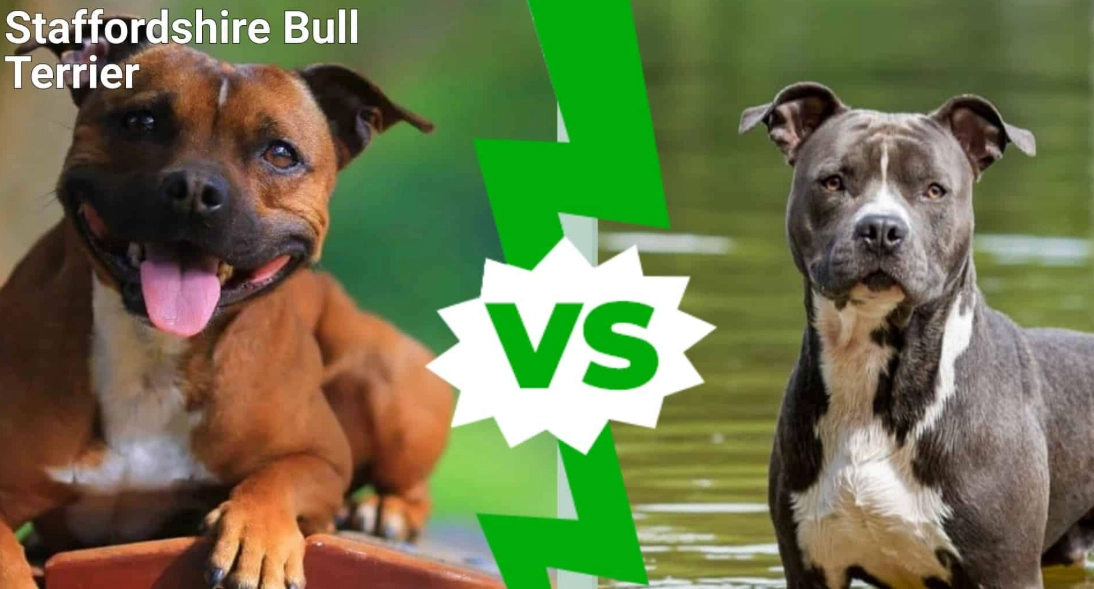
Let's get the biggest misconception out of the way first. Neither breed is a mindless aggressor. That's a lazy stereotype. What they are is intensely physical, deeply human-focused, and stubbornly tenacious. That combination creates incredible loyalty but also presents unique challenges most generic dog advice fails to address.
Quick Guide: What You'll Learn
The Side-by-Side Breed Breakdown
Charts are helpful, but they only tell half the story. Here’s a comparison based on the official breed standards from the American Kennel Club (AKC) for the Amstaff and the UK Kennel Club for the Staffy, blended with the practical realities you notice when you live with them.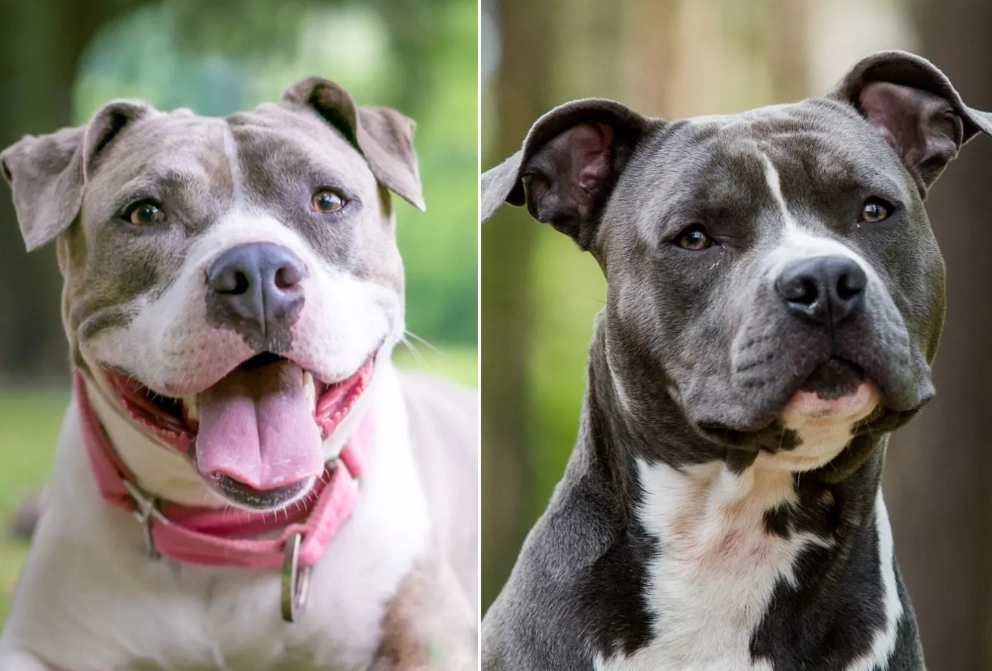
| Feature | American Staffordshire Terrier (Amstaff) | Staffordshire Bull Terrier (Staffy) |
|---|---|---|
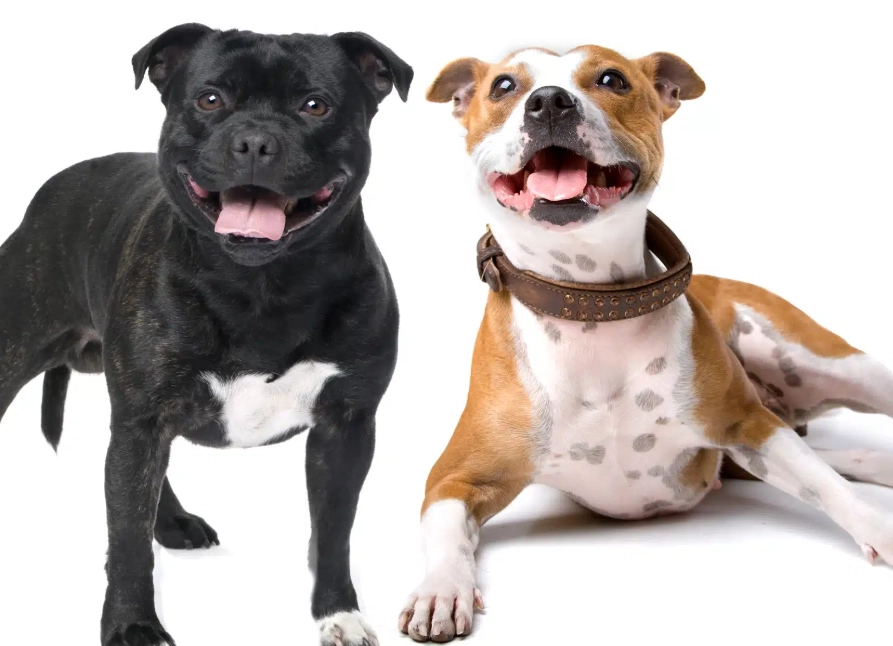
| Size & Build | Larger, stockier. Height: 17-19 inches. Weight: 40-70 lbs. A more substantial, "hefty" feel. Built for power and athleticism. | Smaller, more compact. Height: 14-16 inches. Weight: 24-38 lbs (males), 22-35 lbs (females). Described as "strong for size"—dense muscle in a smaller package. |
| Head Shape | Broad, deep skull with pronounced cheek muscles. Medium-length muzzle with a distinct stop. The head is a key hallmark of the breed. | Short, deep through. Very broad skull with pronounced cheek muscles (even more so than the Amstaff). Shorter muzzle. The "Staffy smile" is iconic. |
| Temperament (Official) | AKC: "Smart, confident, good-natured... keenly alive to its surroundings." Tends to be more reserved and watchful with strangers. | UK Kennel Club: "Fearless, loyal, affectionate... highly intelligent." Famously known as the "nanny dog" for its love of children. Often more immediately gregarious. |
| Energy Level | High. Needs vigorous daily exercise (running, hiking, advanced play). Can develop destructive habits if under-stimulated. | High to very high. A burst of intense energy followed by a deep couch nap. Needs short, intense play sessions multiple times a day. |
| Country of Origin | United States (developed from UK ancestors). Recognized by AKC in 1936. | United Kingdom. Recognized by the UK Kennel Club in 1935. |
A Quick Note on Breed Recognition
This is a major point of confusion. The American Staffordshire Terrier is recognized by the American Kennel Club (AKC). The Staffordshire Bull Terrier is also recognized by the AKC, but its primary "home" club is in the UK. The "American Pit Bull Terrier" is a separate breed not recognized by the AKC but recognized by the United Kennel Club (UKC) and the American Dog Breeders Association. Many Amstaffs were originally dual-registered as APBTs. This history matters because it influences breed lines and, sometimes, general public perception.
Beyond the Numbers: Living With Their Temperament
Reading "confident" and "good-natured" on paper doesn't prepare you for the reality. Both breeds bond with their people on a cellular level. They are velcro dogs. This isn't just following you to the kitchen; this is leaning against your leg while you work, trying to sit on your lap despite their size (especially the Staffy), and watching your every move.
The subtle difference lies in their social approach. In my experience, a well-bred Staffordshire Bull Terrier often has a sunnier, more immediate social disposition. They see a stranger and think, "A new friend!" This is the root of their "nanny dog" reputation—they are famously patient and loving with children within their own family. Never leave any dog unsupervised with a child.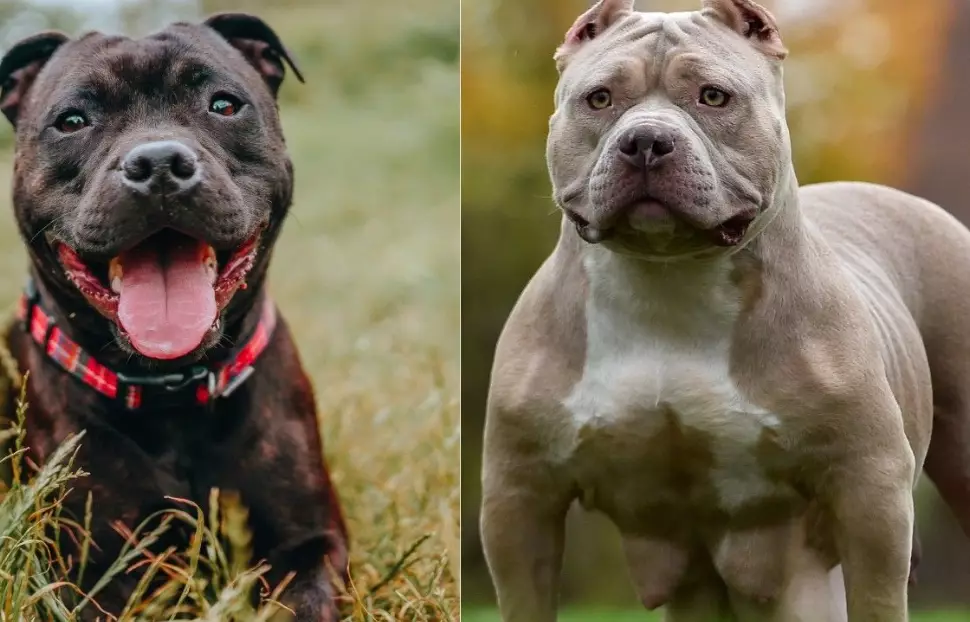
The American Staffordshire Terrier is more likely to be aloof initially. They assess first. They might stand between you and a new guest, not aggressively, but watchfully. Once introduced, they are just as affectionate, but that initial reserve is a key trait. This can be mistaken for standoffishness, but it's a form of quiet confidence.
Here’s a crucial point most blogs miss: their play style. Both are rough players. They play with their whole bodies—bumping, wrestling, mouthing (with inhibited bites). To an unfamiliar dog or a timid owner, this can look like fighting. It's loud, physical, and intense. If you want a delicate, polite player, look elsewhere. Managing their play with other dogs requires careful selection of playmates who understand this boisterous language.
Health, Lifespan, and What to Ask Your Breeder
Staffordshire Bull Terriers generally edge out Amstaffs in longevity, often living 12-14 years compared to the Amstaff's 10-12 year average. Size is a factor here. But genetics are everything.
Both breeds can be prone to:
- Hip and Elbow Dysplasia: A malformation of the joints. Ask breeders for Orthopedic Foundation for Animals (OFA) or PennHIP clearance scores for both parents.
- Skin Allergies: Common. You might become an expert in limited-ingredient diets and soothing shampoos.
- Heart Conditions: Including congenital heart defects. A cardiac exam is a must for breeding stock.
Staffordshire Bull Terriers have a breed-specific concern: L-2-Hydroxyglutaric Aciduria (L-2-HGA), a metabolic disorder affecting the brain. Reputable breeders test for this. If a Staffy breeder hasn't heard of it, walk away.
The single biggest health mistake I see? Letting them get overweight. That solid build hides extra pounds easily. Extra weight devastates their joints and heart. You should always be able to feel their ribs under a thin layer of muscle. A lean dog is a long-lived, active dog.
Training Realities: It's Not Just About Obedience
Both breeds are intelligent and eager to please, making them highly trainable. But here’s the expert nuance: training isn't about teaching them to sit; it's about teaching them to control their impulses. That explosive joy when they see a squirrel? That needs a channel.
They respond poorly to harsh, repetitive, or negative methods. It shuts them down or makes them defensive. Positive reinforcement—using high-value treats, toys, and praise—works because it engages their desire to work with you.
The non-negotiable foundation is early and ongoing socialization. This doesn't mean just meeting 100 dogs. It means positive exposure to all sorts of sights, sounds, surfaces, people, and carefully selected dogs in a controlled way before 16 weeks. A poorly socialized Amstaff or Staffy can become fearful or reactive, and given their strength, that's a serious management issue.
Leash training is critical. They are powerful. A 50-pound Amstaff pulling on a collar is like trying to hold back a motorcycle. Use a front-clip harness (like the Freedom Harness or similar) from day one to manage pulling without strain on their neck.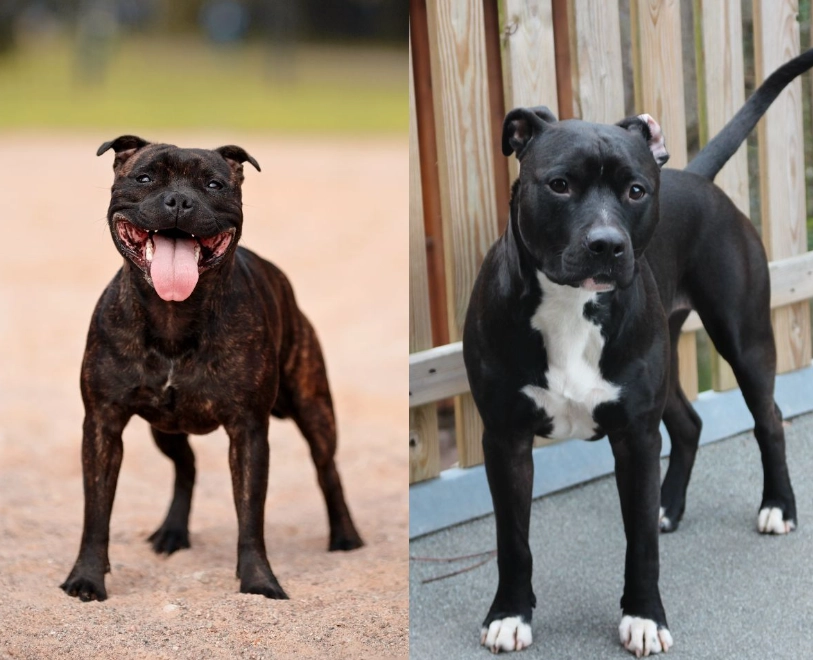
The Biggest Training Mistake New Owners Make
Assuming their affectionate nature means they are automatically "good with other dogs." Dog selectivity or same-sex aggression is not uncommon as they mature (around 2-3 years old). It's a terrier trait. You must teach a solid "leave it" and recall, and be prepared to manage their interactions for life. The dog park is often a terrible idea for adults of either breed.
Which Dog is Right for Your Home?
Think about your daily life, not your ideal fantasy.
Choose an American Staffordshire Terrier if: You have an active, athletic lifestyle (running, hiking, agility). You have experience with strong, confident dogs. You value a watchful, property-aware companion. You have more physical space. You can provide consistent, calm leadership without force.
Choose a Staffordshire Bull Terrier if: You want a compact powerhouse with a sunnier first impression. You have a family with respectful children. You can provide multiple short, intense bursts of exercise daily. You appreciate a clownish, more overtly affectionate personality. You still need the strength and experience to handle a very powerful dog for its size.
Both are terrible choices for: someone who is rarely home, someone who wants a low-maintenance "easy" dog, someone who cannot commit to lifelong training and socialization, or someone living in an area with breed-specific legislation (BSL). Always check your local laws.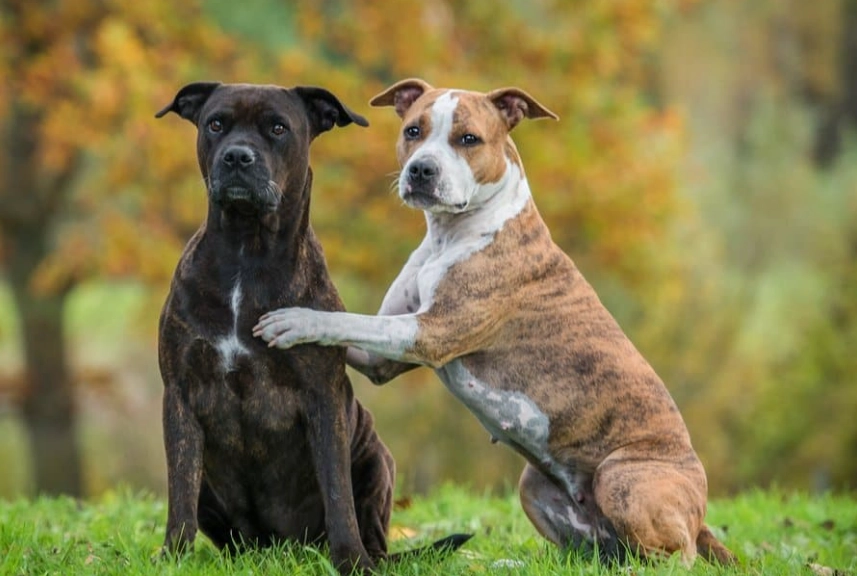
Debunking Common Myths and Misunderstandings
Myth 1: "They have locking jaws." Anatomically impossible. No dog has a jaw that locks. They have powerful jaw muscles, but the mechanism is the same as any other dog.
Myth 2: "They are inherently aggressive." Aggression is not a breed trait. According to the American Temperament Test Society, both breeds consistently score above average—often in the mid-80s to 90% pass rate—which is better than many small companion breeds. Poor breeding, abuse, neglect, and lack of training cause aggression.
Myth 3: "They are just the same dog with different names." As we've detailed, over a century of separate development has created measurable differences in size, proportion, and subtle temperament tendencies. Treating them as identical does a disservice to both breeds.
Your Questions Answered
 Choosing between an American Staffordshire Terrier and a Staffordshire Bull Terrier comes down to honestly assessing your own lifestyle, experience, and the specific traits you can manage and cherish. Both offer unparalleled loyalty, affection, and a larger-than-life presence. Do your homework, find an ethical breeder who prioritizes health and temperament, or connect with a reputable breed-specific rescue. The right dog, matched with the right home, is a joy for a lifetime.
Reader Comments